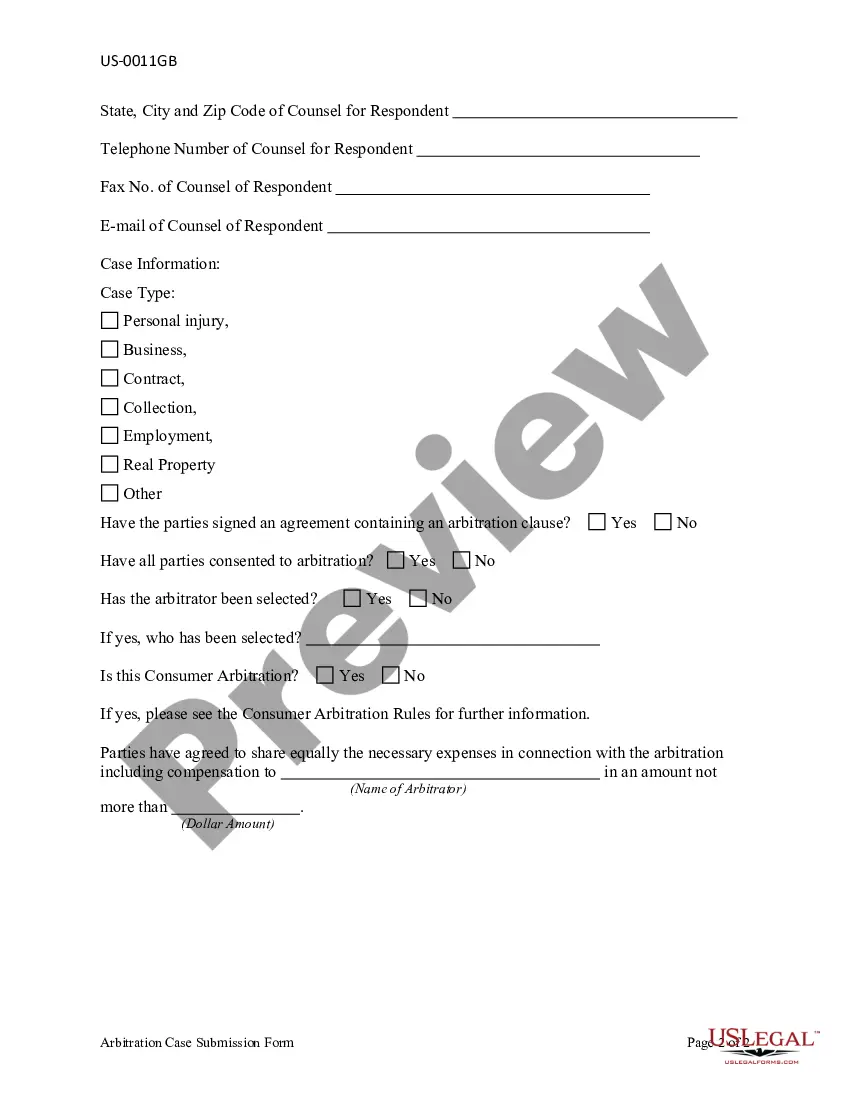
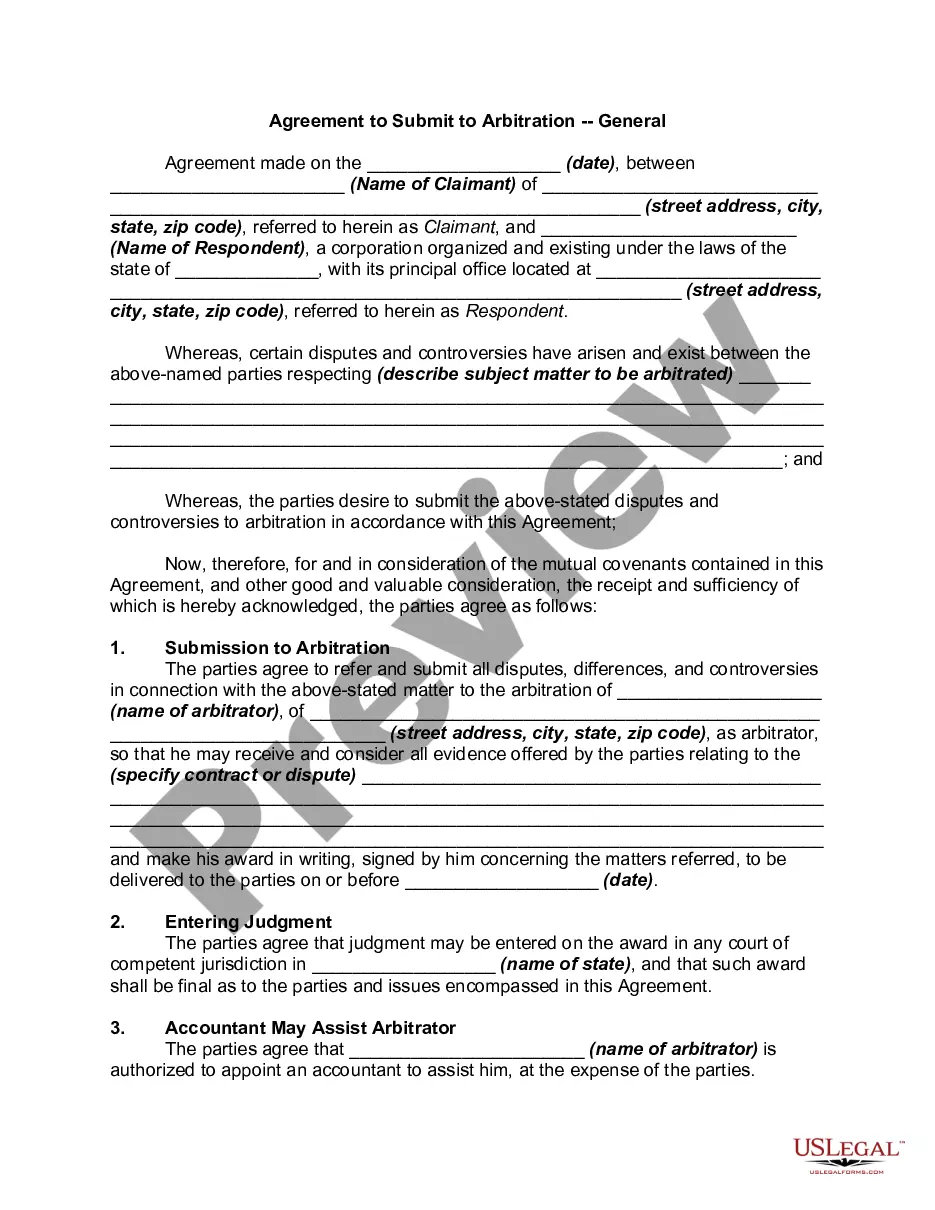
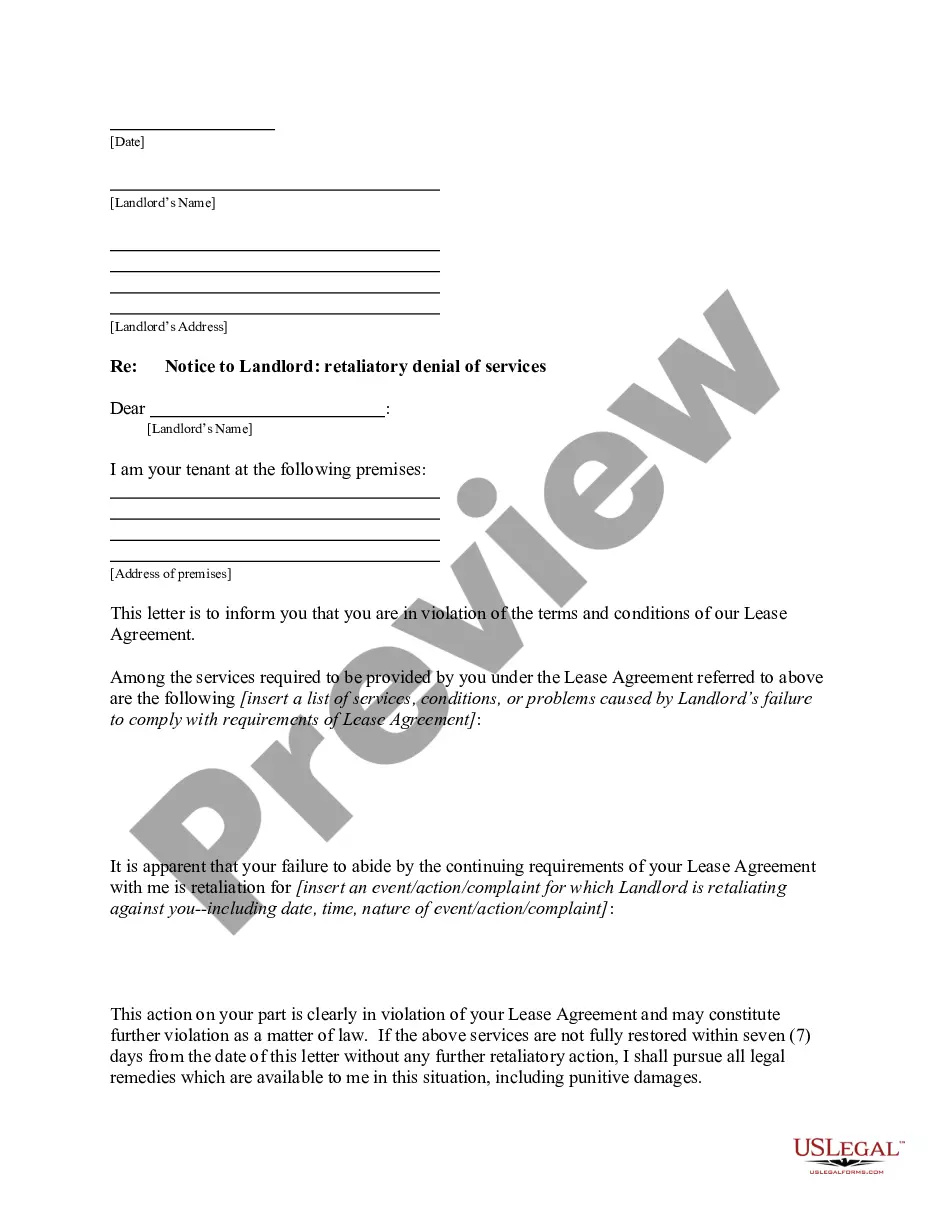
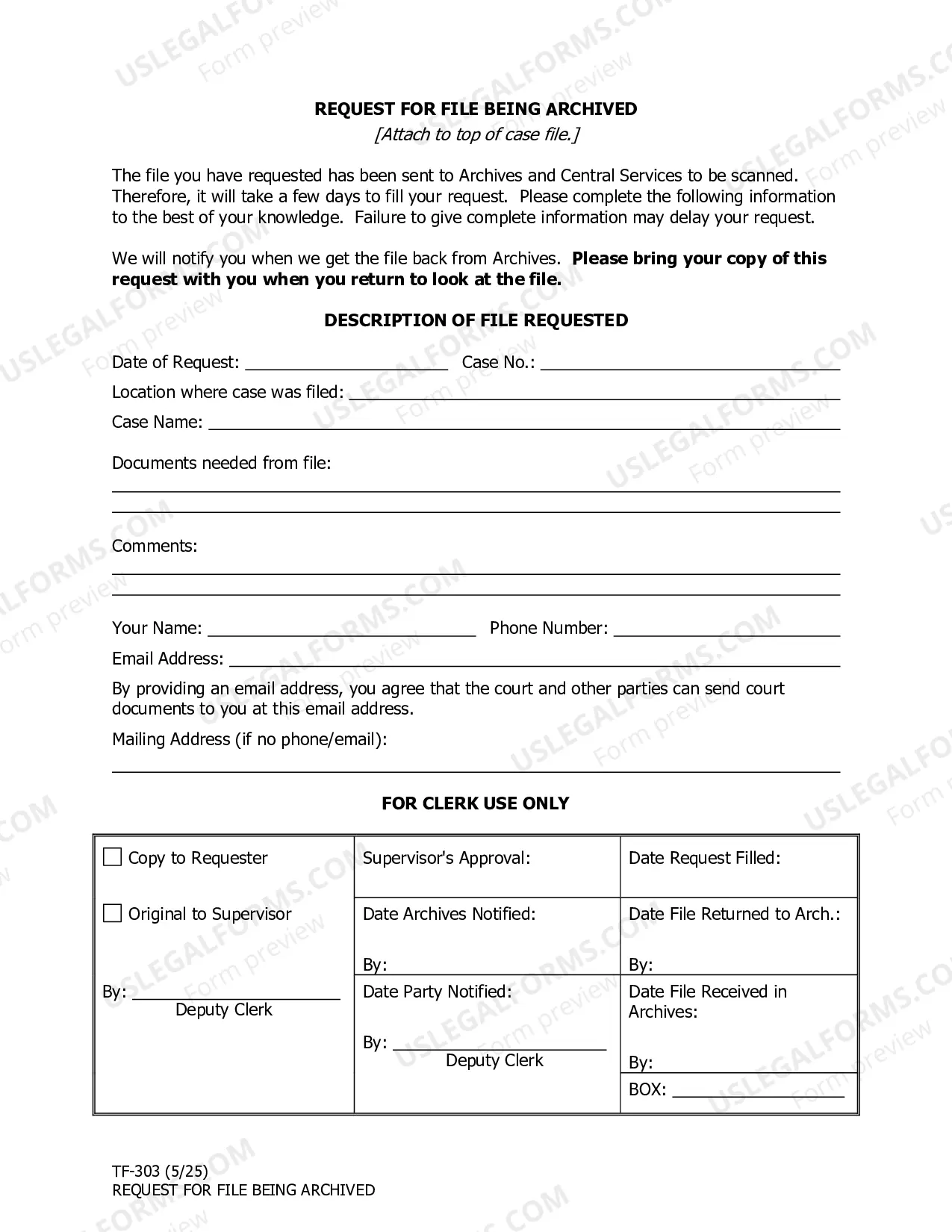
Arbitration Case Sample Withdraw In Santa Clara
Description



Get your form ready online
Our built-in tools help you complete, sign, share, and store your documents in one place.
Make edits, fill in missing information, and update formatting in US Legal Forms—just like you would in MS Word.
Download a copy, print it, send it by email, or mail it via USPS—whatever works best for your next step.
Sign and collect signatures with our SignNow integration. Send to multiple recipients, set reminders, and more. Go Premium to unlock E-Sign.
If this form requires notarization, complete it online through a secure video call—no need to meet a notary in person or wait for an appointment.
We protect your documents and personal data by following strict security and privacy standards.

Make edits, fill in missing information, and update formatting in US Legal Forms—just like you would in MS Word.

Download a copy, print it, send it by email, or mail it via USPS—whatever works best for your next step.

Sign and collect signatures with our SignNow integration. Send to multiple recipients, set reminders, and more. Go Premium to unlock E-Sign.

If this form requires notarization, complete it online through a secure video call—no need to meet a notary in person or wait for an appointment.

We protect your documents and personal data by following strict security and privacy standards.
Looking for another form?


Form popularity
FAQ
But, in the absence of an agreement between all parties to end the proceedings, can a claimant unilaterally withdraw from an arbitration that it has commenced? The short answer is yes. No set of institutional rules prevents a party from abandoning claims it has raised in an arbitration.
Some contracts give you the right to opt out of the forced arbitration clause within a certain period of time, often 30 to 60 days, after signing the agreement by notifying the company that you wish to opt out. Check your contract for the deadline and for specific instructions for opting out.
In ICSID proceedings, a request for arbitration can be unilaterally withdrawn only before its registration. Once registered, the request for arbitration can no longer be withdrawn and a claimant seeking to withdraw from the proceedings will need to seek the “discontinuance” of the proceedings.
Read through the contract carefully, and if you find mention of forced arbitration, cross it out. Refuse to sign it. Explain to the administrator that you see it, but will not agree to it. If you or a loved one have suffered at a nursing home, even if you've agreed to arbitration already, all may not be lost.
In general, a Request for Arbitration or a Notice of Arbitration must contain the names of each of the parties, the names of the parties' representatives, a description of the dispute giving rise to claims, a statement of the relief sought, a description of the agreement containing the arbitration clause, the choice of ...
Residents or their representatives have a 30-day right of rescission, i.e., they can cancel the arbitration agreement. The agreement must be explained to the resident or their representative in a form, manner and language that they understand, and they acknowledge that they understand the agreement.
A claimant will typically start arbitration by sending a document known as a “request for arbitration” or a “notice to arbitrate” to its opponent.
Grounds to Vacate an Award California Code of Civil Procedure §1286.2(a) allows a trial court to vacate an arbitration award if it determines: the rights of a party were substantially prejudiced by misconduct of a neutral arbitrator (§ 1286.2(a)(3)); the arbitrator exceeded his or her powers and the award cannot be ...
The arbitrator will decide the case within 10 days of the hearing. The arbitrator will send a copy of the award to the parties and the original to the Arbitration Administrator with a proof of service attached. If the case is very complicated, the Court may give the arbitrator 20 days more to decide your case.
Arbitration is another route to settlement, but unlike the two options discussed above, where resolution is voluntary, it is typically binding. Arbitration is a private court. Like mediation, the parties must voluntarily agree to enter into arbitration; you cannot be forced into arbitration.