Federal Arbitration Act Motion To Compel In Sacramento
Description

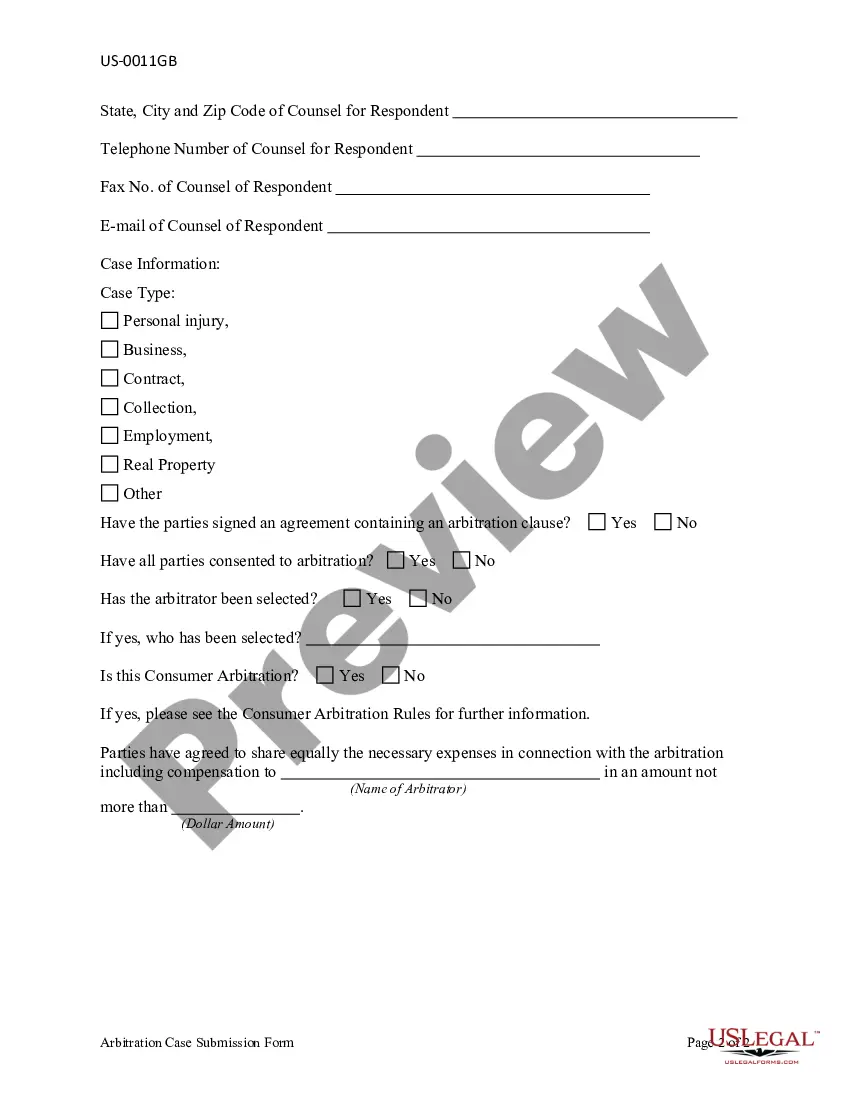

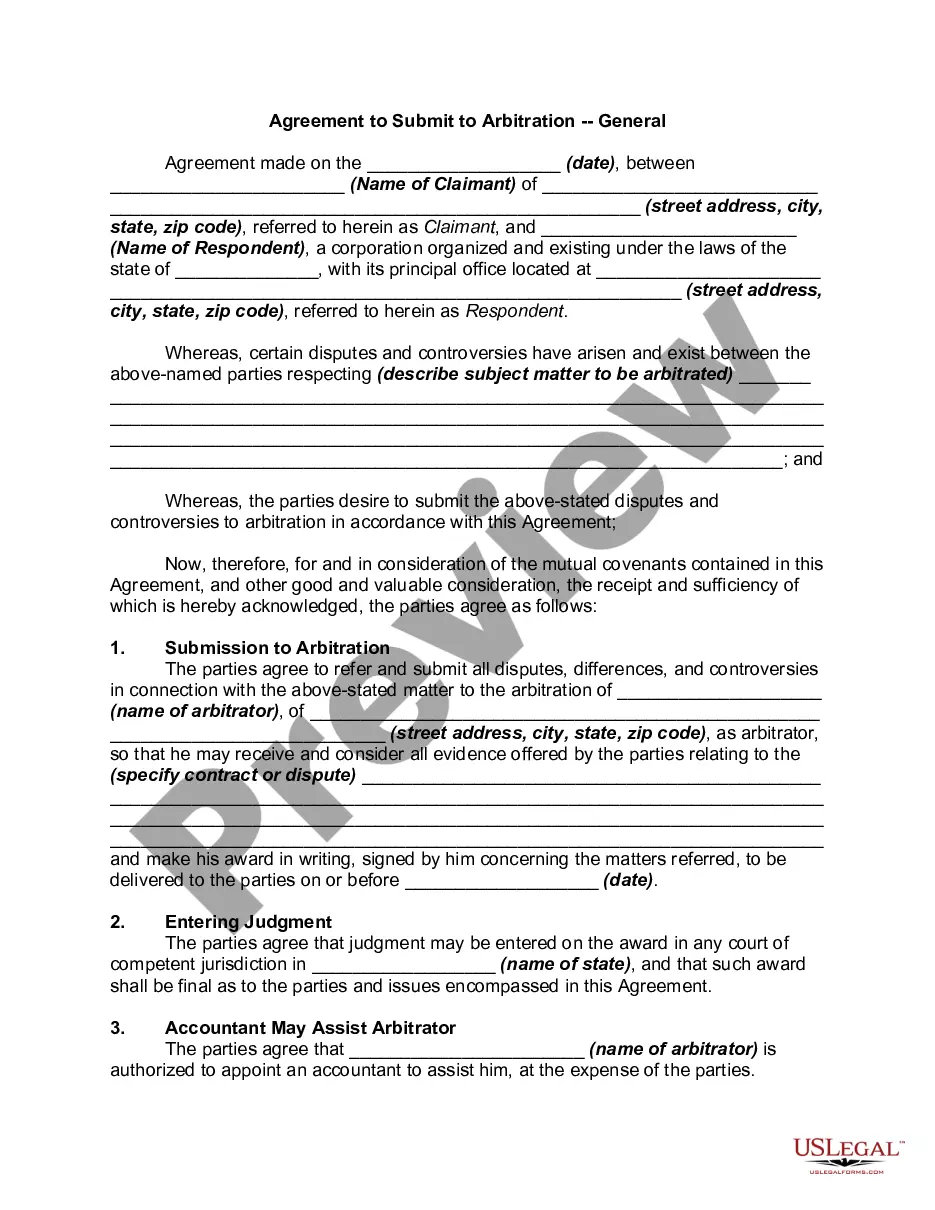

Get your form ready online
Our built-in tools help you complete, sign, share, and store your documents in one place.
Make edits, fill in missing information, and update formatting in US Legal Forms—just like you would in MS Word.
Download a copy, print it, send it by email, or mail it via USPS—whatever works best for your next step.
Sign and collect signatures with our SignNow integration. Send to multiple recipients, set reminders, and more. Go Premium to unlock E-Sign.
If this form requires notarization, complete it online through a secure video call—no need to meet a notary in person or wait for an appointment.
We protect your documents and personal data by following strict security and privacy standards.

Make edits, fill in missing information, and update formatting in US Legal Forms—just like you would in MS Word.

Download a copy, print it, send it by email, or mail it via USPS—whatever works best for your next step.

Sign and collect signatures with our SignNow integration. Send to multiple recipients, set reminders, and more. Go Premium to unlock E-Sign.

If this form requires notarization, complete it online through a secure video call—no need to meet a notary in person or wait for an appointment.

We protect your documents and personal data by following strict security and privacy standards.
Looking for another form?
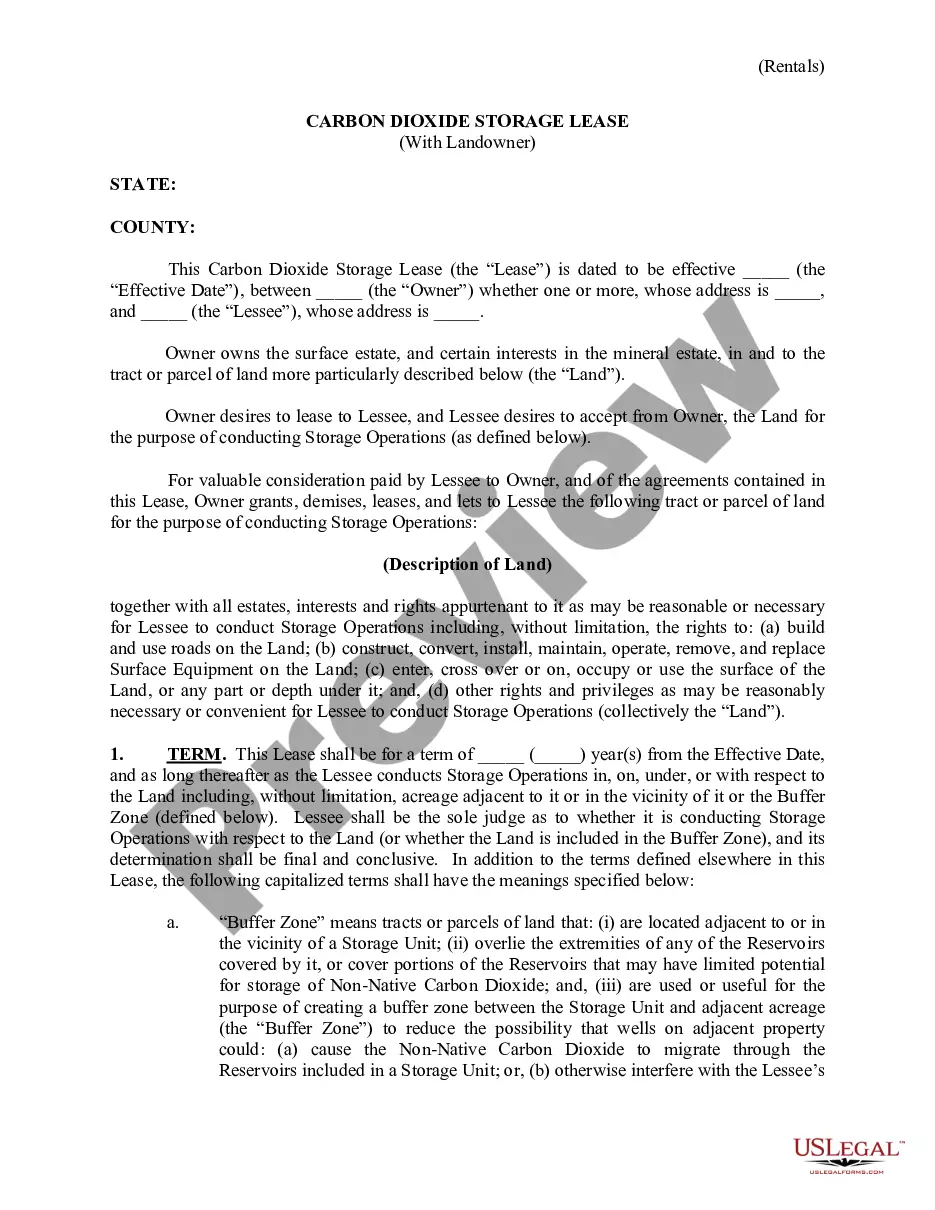
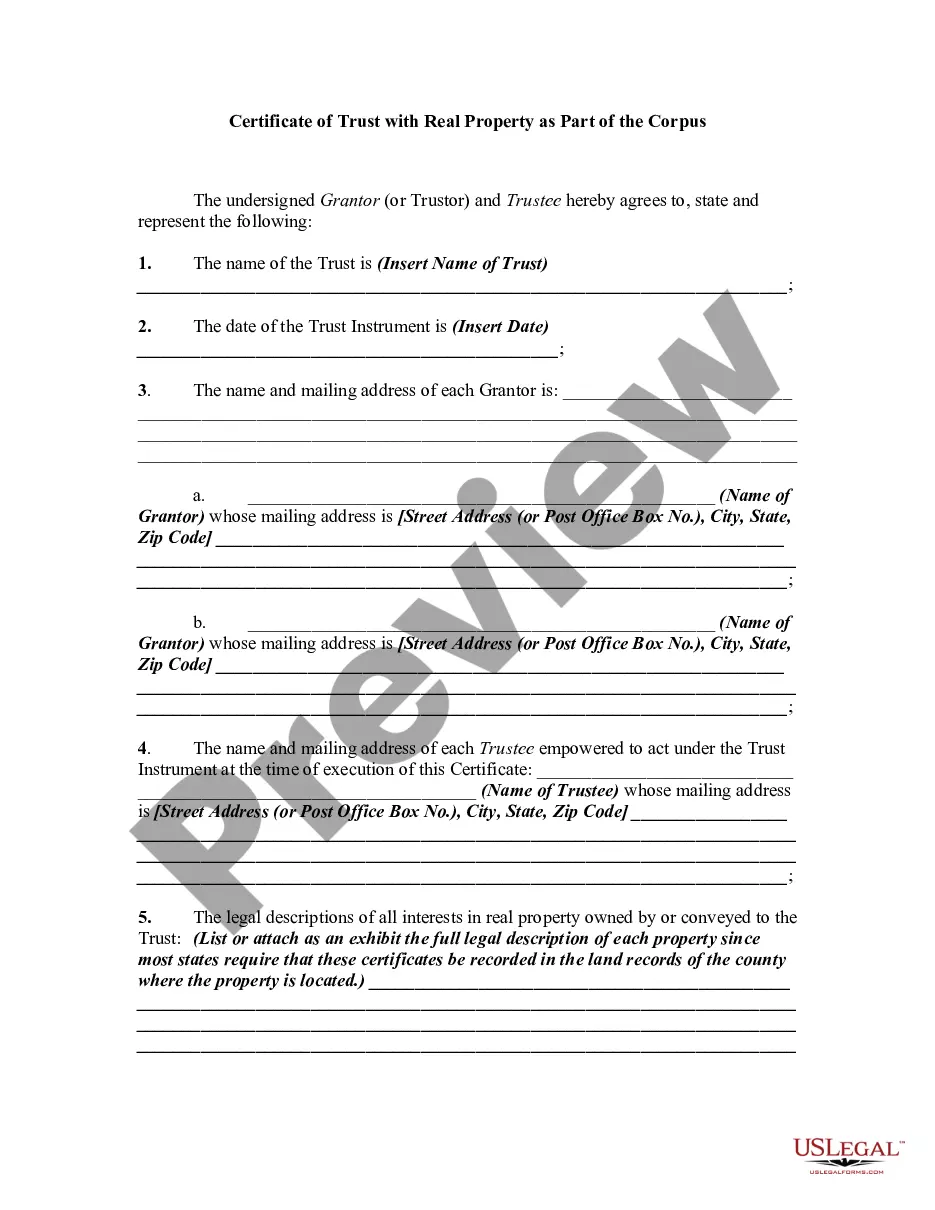

Form popularity
FAQ
Ask the court to approve (confirm) or correct an arbitrator's decision (award) in an arbitration done under an agreement between the parties and to make the award a court decision (judgment) or ask the court to cancel (vacate) the arbitrator's award.
Arbitration is a procedure in which a dispute is submitted, by agreement of the parties, to one or more arbitrators who make a binding decision on the dispute. In choosing arbitration, the parties opt for a private dispute resolution procedure instead of going to court.
Employers often include mandatory-arbitration clauses in their employment contracts, as do many companies that conduct business with consumers.
To enforce the right to arbitrate, the party must then file a motion to stay the lawsuit in favor of arbitration. If both parties to the agreement ignore the right to arbitrate, the right is waived.
The petition must allege that there is a written agreement to arbitrate a controversy and that a party to the agreement refuses to arbitrate that controversy. (Code Civ. Proc., § 1281.2.)
The time to file a petition to compel arbitration does not begin to run until one party refuses to arbitrate. Then the four-year statute of limitations for a written contract begins to run. (Spear v. California State Automobile Association (1992) 2 Cal. App.
You must complete discovery 30 days before your trial The deadline for finishing discovery (the discovery cutoff) is 30 days before the original date set for a trial unless the parties have agreed or the court has ordered to extend the time. You need all the responses by this date.
California's discovery rule says that the statute of limitations for bringing a claim does not start until you discover (or should have discovered) the injury or loss. Without the rule, the statute of limitations for bringing a suit begins to run when the wrongful act giving rise to the suit took place.
Proc. § 1294(a) (emphasis added). Thus, while the denial of a motion to compel arbitration remains an immediately appealable order, it will no longer trigger an automatic stay in the Superior Court.
The “meet and confer” requirement is your opportunity to demonstrate to the court that you are making a “reasonable and good faith attempt at an informal resolution.” California Code of Civil Procedure (CCP) § 2016.040.