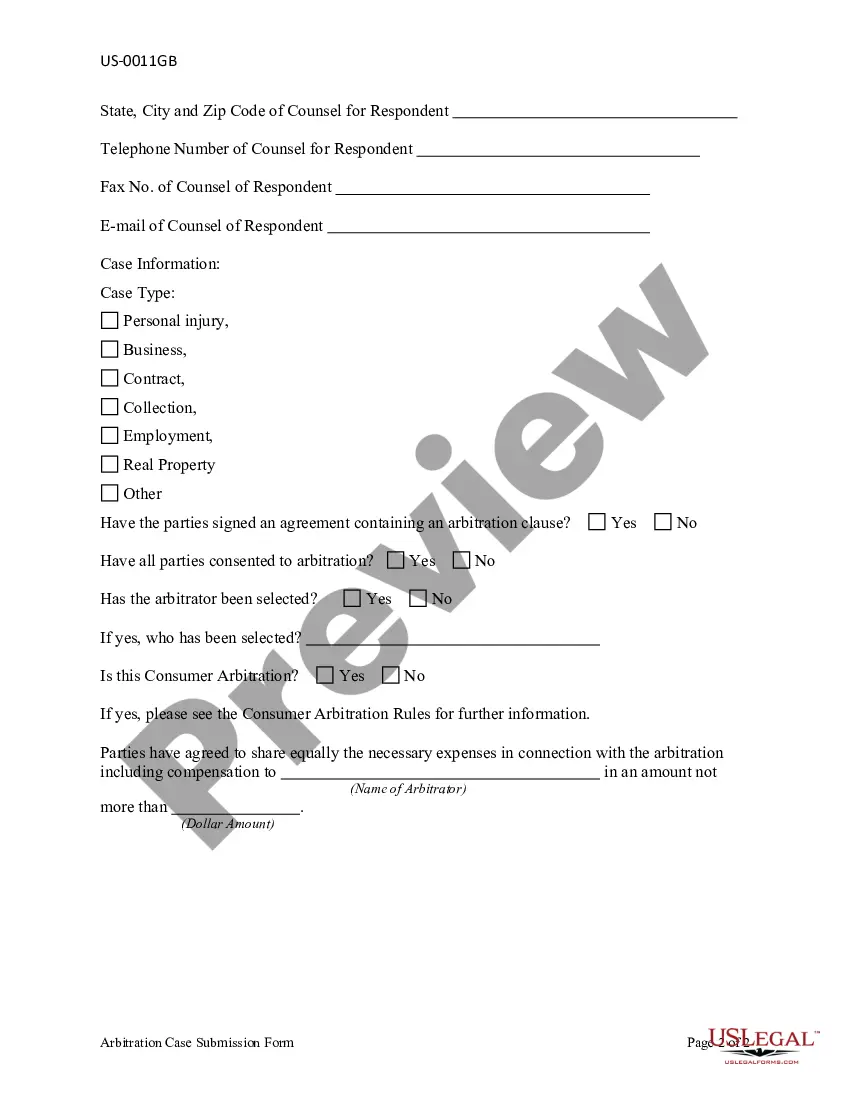
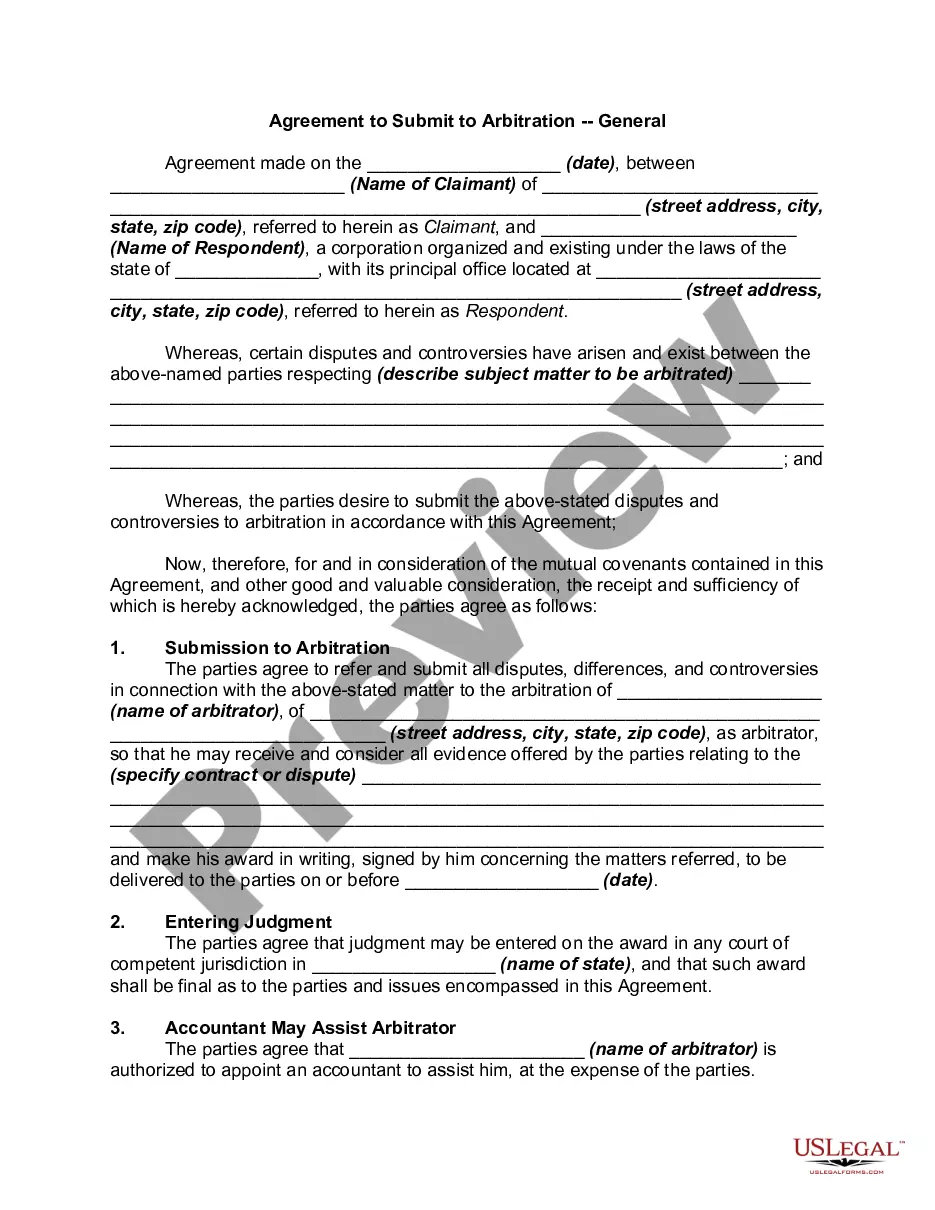
Arbitration Case Statement With Multiple Conditions In Sacramento
Description



Get your form ready online
Our built-in tools help you complete, sign, share, and store your documents in one place.
Make edits, fill in missing information, and update formatting in US Legal Forms—just like you would in MS Word.
Download a copy, print it, send it by email, or mail it via USPS—whatever works best for your next step.
Sign and collect signatures with our SignNow integration. Send to multiple recipients, set reminders, and more. Go Premium to unlock E-Sign.
If this form requires notarization, complete it online through a secure video call—no need to meet a notary in person or wait for an appointment.
We protect your documents and personal data by following strict security and privacy standards.

Make edits, fill in missing information, and update formatting in US Legal Forms—just like you would in MS Word.

Download a copy, print it, send it by email, or mail it via USPS—whatever works best for your next step.

Sign and collect signatures with our SignNow integration. Send to multiple recipients, set reminders, and more. Go Premium to unlock E-Sign.

If this form requires notarization, complete it online through a secure video call—no need to meet a notary in person or wait for an appointment.

We protect your documents and personal data by following strict security and privacy standards.
Looking for another form?

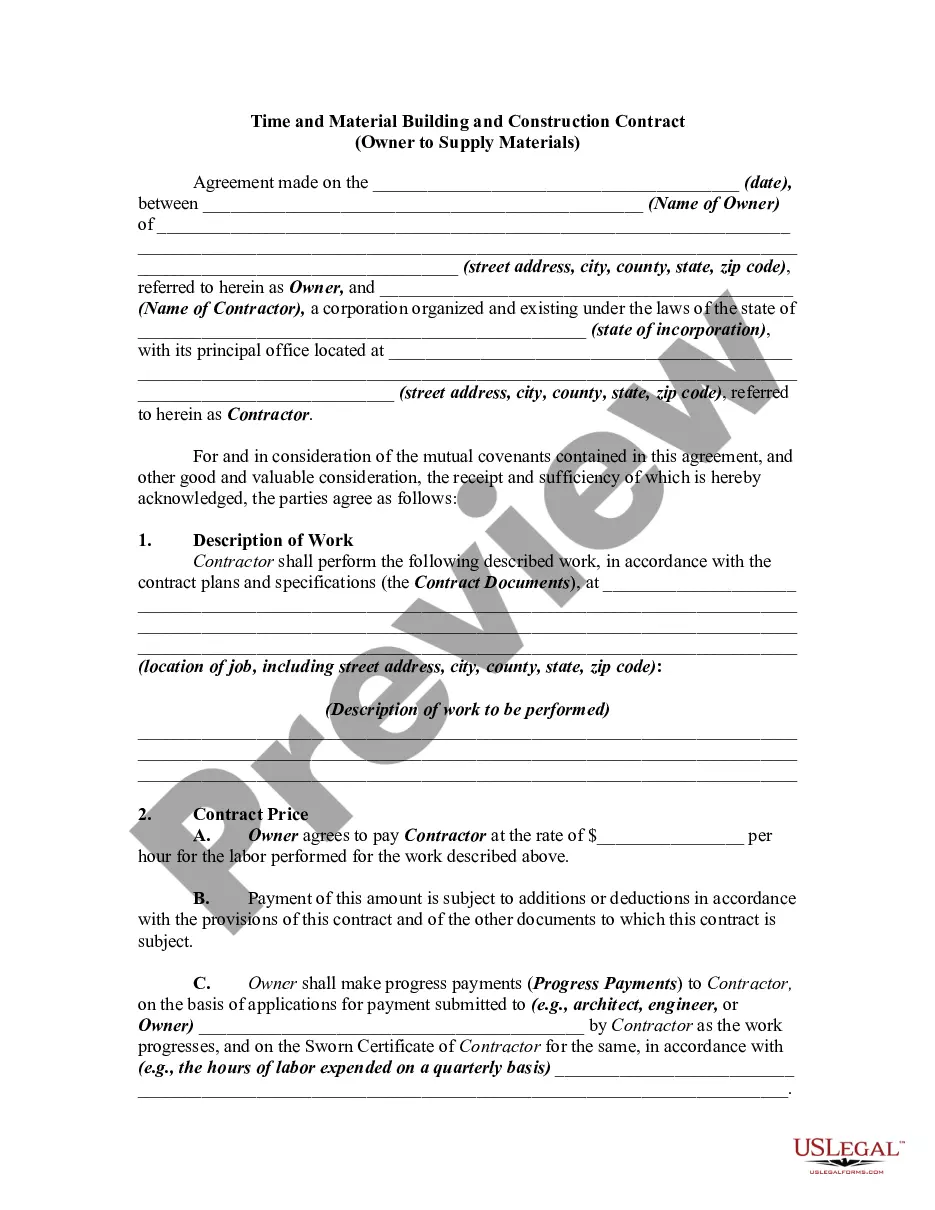

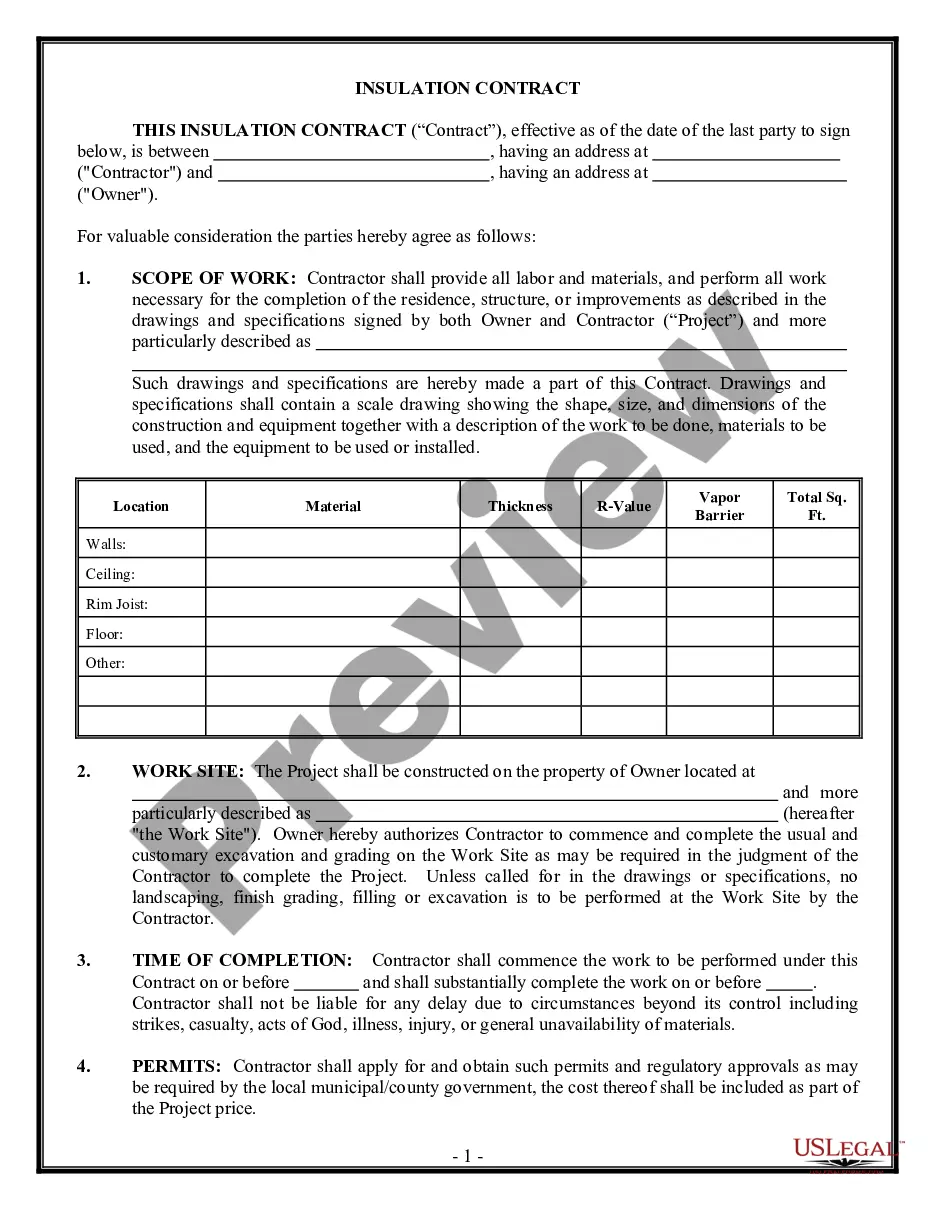



Form popularity
FAQ
Under CCP § 583.310, an action must be brought to trial within five years after it is commenced against the defendant. An action “commences” on the date the original complaint is filed with the court against the defendant. If other defendants are later added, those actions will have a different date of commencement.
On January 1, 2024, U.S. District Court Judge Kimberly Mueller issued a decision permanently enjoining California state officials from enforcing AB 51, the contested law that sought to prohibit employers from “forcing” job applicants or employees to enter into pre-dispute employment arbitration agreements covering ...
The arbitrator will decide the case within 10 days of the hearing. The arbitrator will send a copy of the award to the parties and the original to the Arbitration Administrator with a proof of service attached. If the case is very complicated, the Court may give the arbitrator 20 days more to decide your case.
Settlement by agreement is the cheapest option and gives you the most control. Both mediation and arbitration are expensive, and arbitration is usually binding, so the ultimate decision is out of your control.
In arbitration, the parties communicate only with the arbitrator, and the arbitrator decides what should happen. In mediation, the parties speak with the mediator and each other. The mediator does not decide what should happen, but assists the participants to reach an agreement that is acceptable to both parties. 6.
Timeline of How to File a Lawsuit Step 1: File a Complaint. Plaintiff files a complaint and summons with the local county court. Step 2: Answer Complaint. Step 3: Discovery. Step 4: Failing to Respond to Discovery. Step 5: Conclusion of Lawsuit.
In California civil cases, a case management conference (CMC) is scheduled early in the legal matter, typically when the complaint is filed. Before the CMC, all parties involved must file the CM-110 form, which provides a summary of the current status of the case.
No later than 15 calendar days before the date set for the case management conference or review, each party must file a case management statement and serve it on all other parties in the case.
How to prepare for a case management conference Meet and confer. Both sides must talk in person or by phone at least 30 days before each case management conference. Fill out a Case Management Statement. Serve the Case Management Statement. File the Case Management Statement with the court.
Case management goes from the identification and engagement of patients/clients through the assessment and care planning steps and culminating in monitoring the care described in the care plan and ultimately achieving the targeted outcomes in a measurable manner.