Arbitration Case Law Examples In Philadelphia
Description

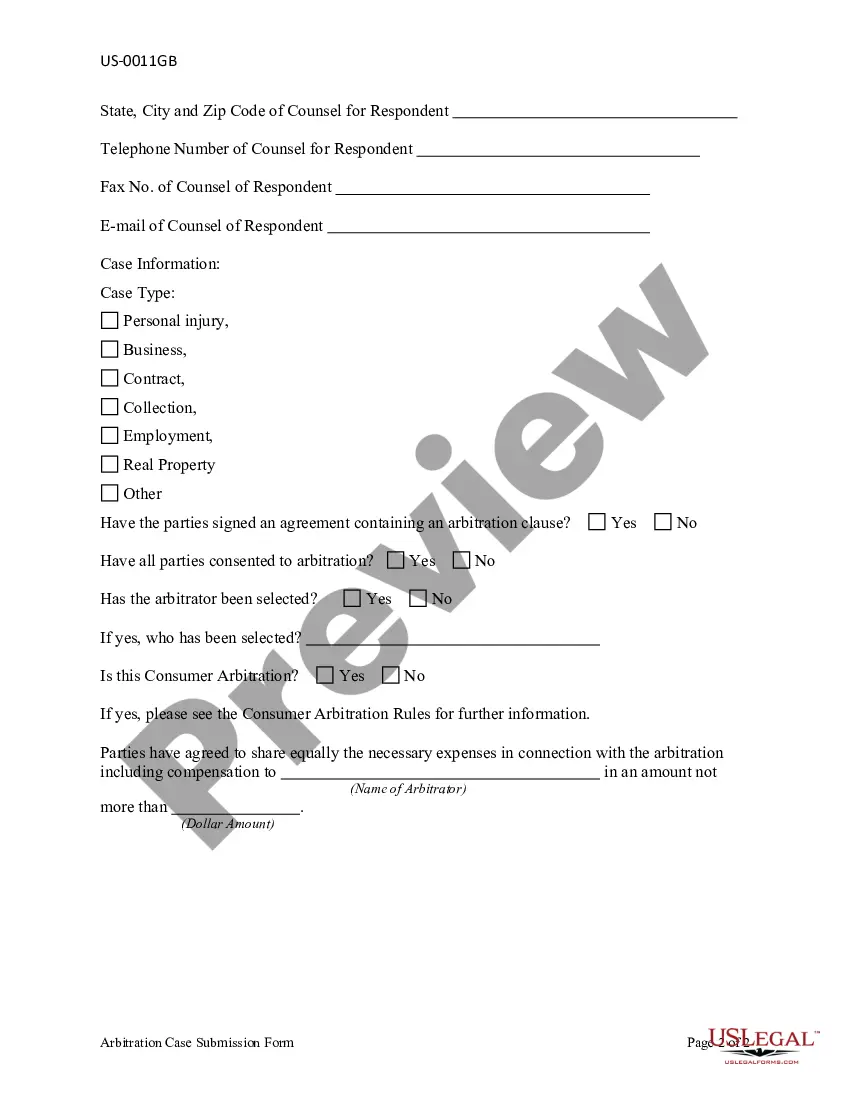

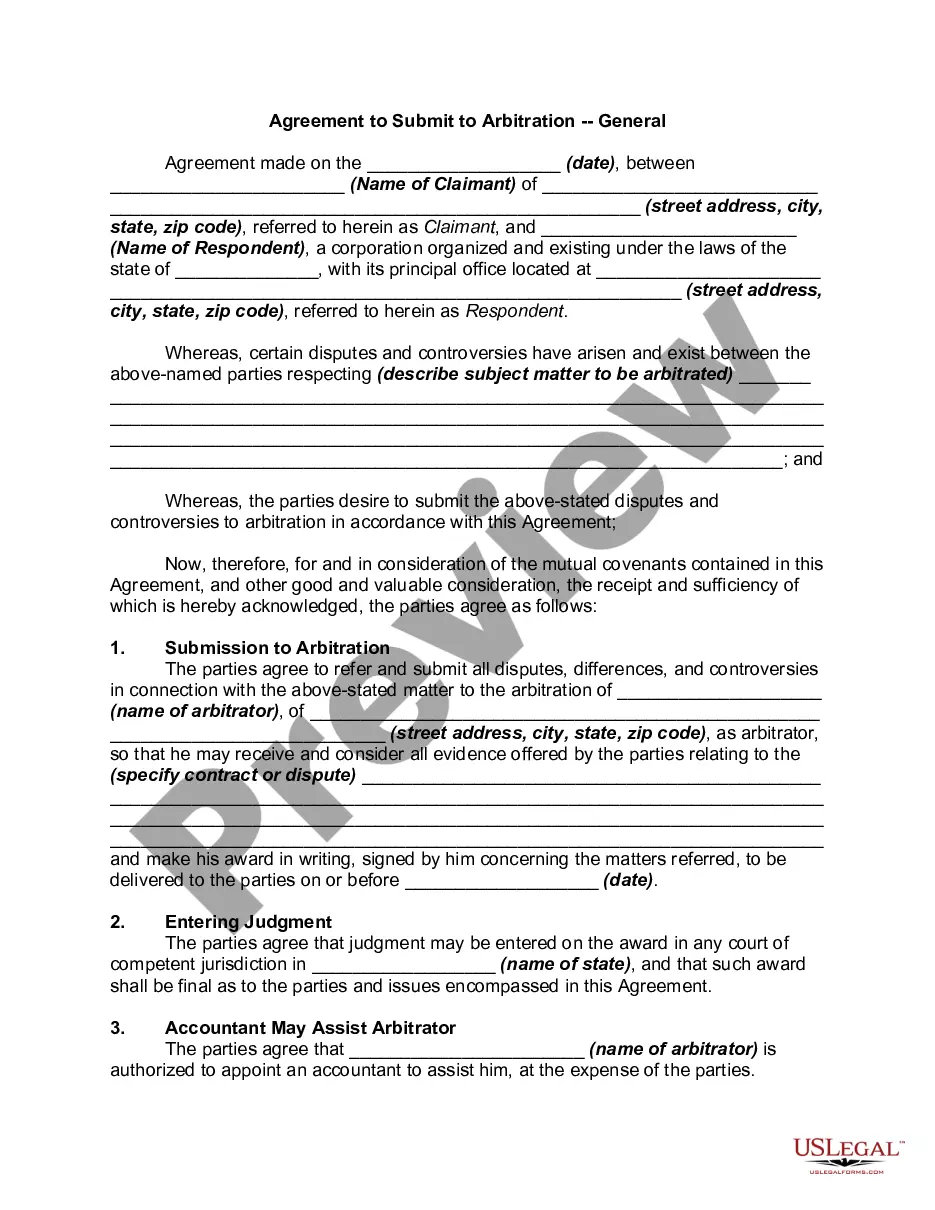

Get your form ready online
Our built-in tools help you complete, sign, share, and store your documents in one place.
Make edits, fill in missing information, and update formatting in US Legal Forms—just like you would in MS Word.
Download a copy, print it, send it by email, or mail it via USPS—whatever works best for your next step.
Sign and collect signatures with our SignNow integration. Send to multiple recipients, set reminders, and more. Go Premium to unlock E-Sign.
If this form requires notarization, complete it online through a secure video call—no need to meet a notary in person or wait for an appointment.
We protect your documents and personal data by following strict security and privacy standards.

Make edits, fill in missing information, and update formatting in US Legal Forms—just like you would in MS Word.

Download a copy, print it, send it by email, or mail it via USPS—whatever works best for your next step.

Sign and collect signatures with our SignNow integration. Send to multiple recipients, set reminders, and more. Go Premium to unlock E-Sign.

If this form requires notarization, complete it online through a secure video call—no need to meet a notary in person or wait for an appointment.

We protect your documents and personal data by following strict security and privacy standards.
Looking for another form?








Form popularity
FAQ
After the opening statement, the claimants present evidence, that is, the details of their case. For example, they present witnesses and introduce any relevant documents. If the arbitrators did not swear a witness in at the beginning of a hearing, they will administer the oath before that person testifies.
If your case involves factors like privacy concerns, the need for a quicker resolution, or the desire to avoid a public jury trial, arbitration might be an ideal solution. However, if you're worried about the finality of the arbitrator's decision or the potential for bias, you might prefer the traditional court route.
What are the most persuasive ways to present evidence during arbitration? Know the rules. Prepare your evidence. Be the first to add your personal experience. Present your evidence. Be the first to add your personal experience. Answer questions. Respect the arbitrator. Follow up. Here's what else to consider.
Before the arbitration hearing each side should: organize their arguments; identify and organize documentary evidence and testimony that supports the arguments; and make sure they have complied with CRC 3.820 prohibiting ex parte communication with the arbitrator.
The local rules of civil procedure provide that any civil matter where the amount in controversy does not exceed $50,000 and which do not include title to real property, will proceed through compulsory arbitration.
Always get straight to the merits without berating the other side or whining about how badly it has treated you. Another threat to your credibility is the “kitchen sink” arbitration demand or a response that includes numerous claims or defenses that have little chance of succeeding.
Parties will need to provide material evidence during the arbitration process. Some arbitrators may require that some types of evidence (such as invoices, pictures, and party correspondence) be presented in a specific format, such as in a binder and labeled in a certain order.
All evidence must be taken in the presence of the arbitrator and all parties, except where any of the parties has waived the right to be present or is absent after due notice of the hearing.
The arbitration of claims can take several different forms in Pennsylvania, but can be generally categorized as either compulsory judicial arbitration (mandated by court rules with respect to civil suits in which the damages allegedly at issue are less than a prescribed dollar amount) or contractual arbitration (in ...