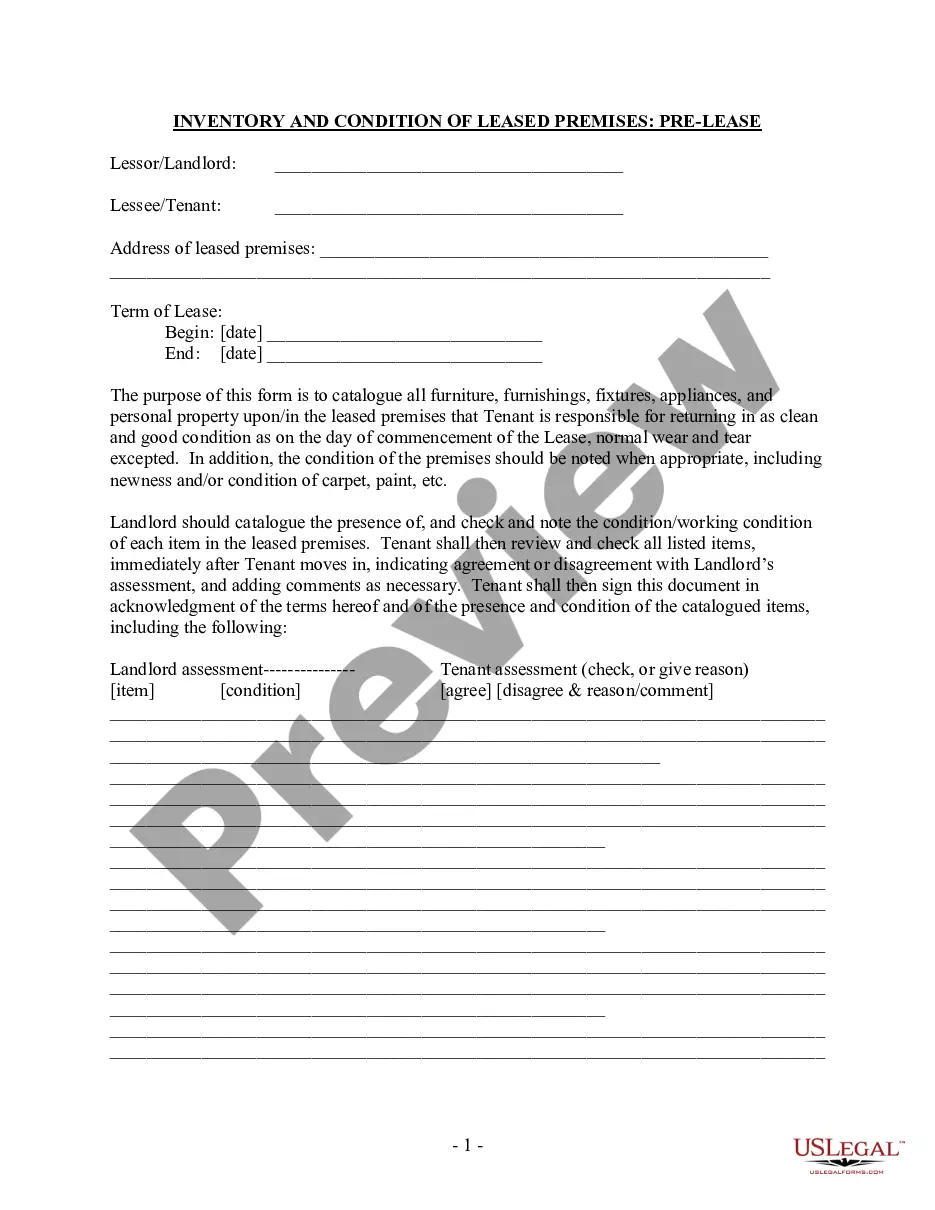
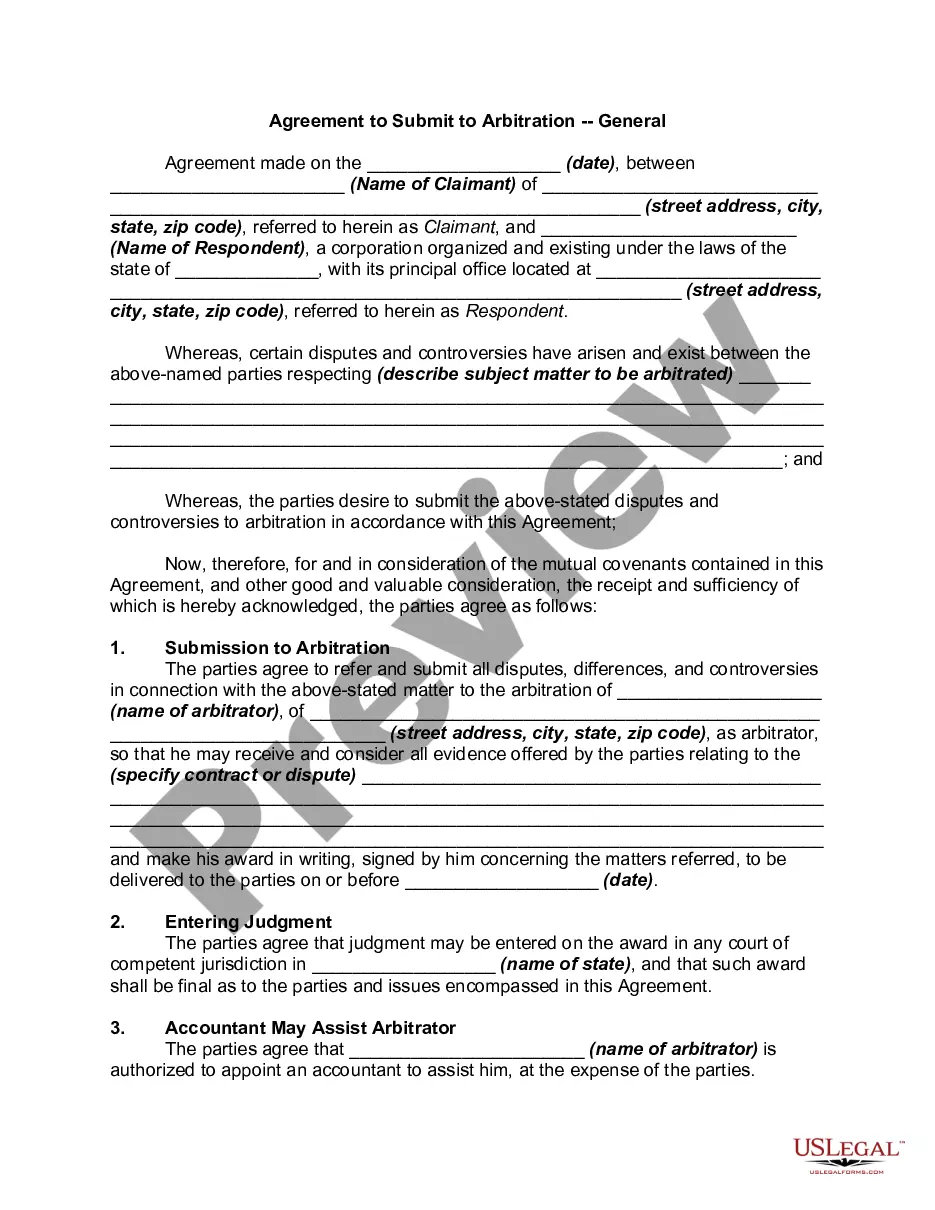
Arbitration Case File Without A Lawyer In Orange
Description

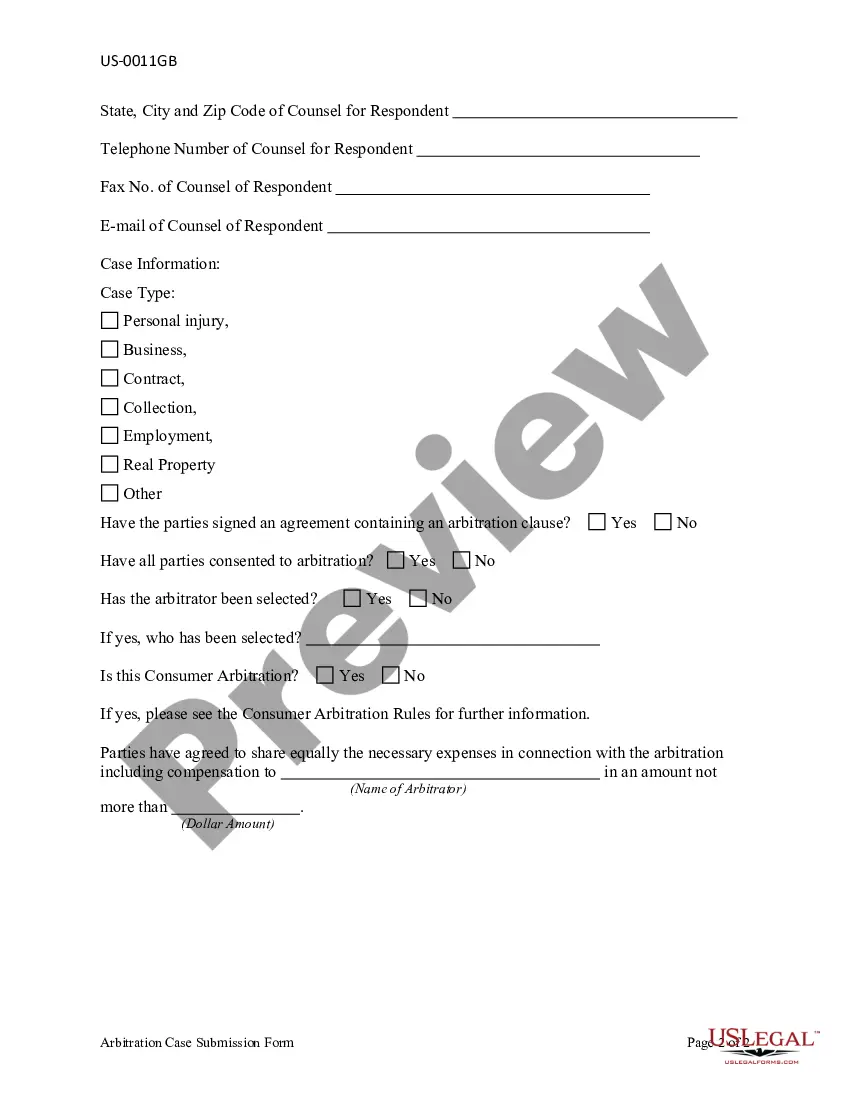


Get your form ready online
Our built-in tools help you complete, sign, share, and store your documents in one place.
Make edits, fill in missing information, and update formatting in US Legal Forms—just like you would in MS Word.
Download a copy, print it, send it by email, or mail it via USPS—whatever works best for your next step.
Sign and collect signatures with our SignNow integration. Send to multiple recipients, set reminders, and more. Go Premium to unlock E-Sign.
If this form requires notarization, complete it online through a secure video call—no need to meet a notary in person or wait for an appointment.
We protect your documents and personal data by following strict security and privacy standards.

Make edits, fill in missing information, and update formatting in US Legal Forms—just like you would in MS Word.

Download a copy, print it, send it by email, or mail it via USPS—whatever works best for your next step.

Sign and collect signatures with our SignNow integration. Send to multiple recipients, set reminders, and more. Go Premium to unlock E-Sign.

If this form requires notarization, complete it online through a secure video call—no need to meet a notary in person or wait for an appointment.

We protect your documents and personal data by following strict security and privacy standards.
Looking for another form?
Form popularity
FAQ
The arbitration process can only be followed if the parties agree to such process. An unwilling party cannot be forced to participate in the arbitration process, unless the law provides for such arbitration, for example, labour disputes.
After a motion to compel is granted by a court, the parties are required to proceed with arbitration. If the resisting party continues to refuse to engage in the arbitral process, the arbitral proceedings can continue without that party.
A claimant will typically start arbitration by sending a document known as a “request for arbitration” or a “notice to arbitrate” to its opponent.
A claimant will typically start arbitration by sending a document known as a “request for arbitration” or a “notice to arbitrate” to its opponent.
Arbitration is a fairer, faster, and less expensive way to resolve disputes than time-consuming and expensive litigation.
In arbitration, you don't have to have a lawyer represent you (unless state law requires it), but it's important to know that arbitration is a final and binding process that can affect your rights. So, if you are considering representing yourself, it's a good idea to talk to a lawyer.
But first, let's get some context. What is arbitration? ... #1: Understand the arbitration agreement deeply. #2: Understand the applicable rules. #3: Conduct preliminary research and gather information. #4: Know your arbitrator. #5: Prepare your client. #6: Draft the opening statement. #7: Manage the hearing day.
Your letter of arbitration should be concise, professional, and factual. Follow the standard business letter format, including your name and contact information at the top. Ensure that your writing is clear, and avoid using jargon or technical terms that may not be familiar to the reader.
A claimant will typically start arbitration by sending a document known as a “request for arbitration” or a “notice to arbitrate” to its opponent.
FINRA requires investors and other parties to file their arbitration claims via the DR Portal—except for investors representing themselves, who have the option to file by mail. If you are new to the DR Portal, please create an account. Login to the DR Portal and select “File a New Arbitration Claim” in the left column.