Arbitration Case Law Examples In Miami-Dade
Description

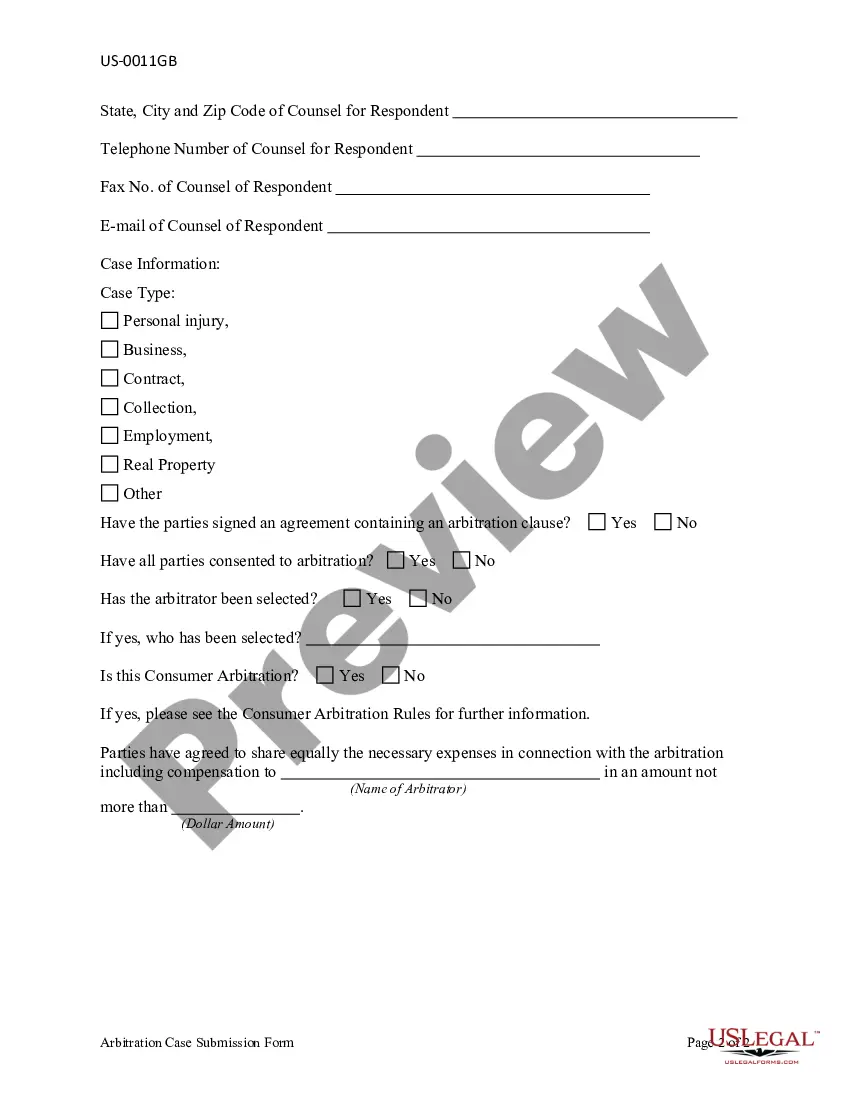

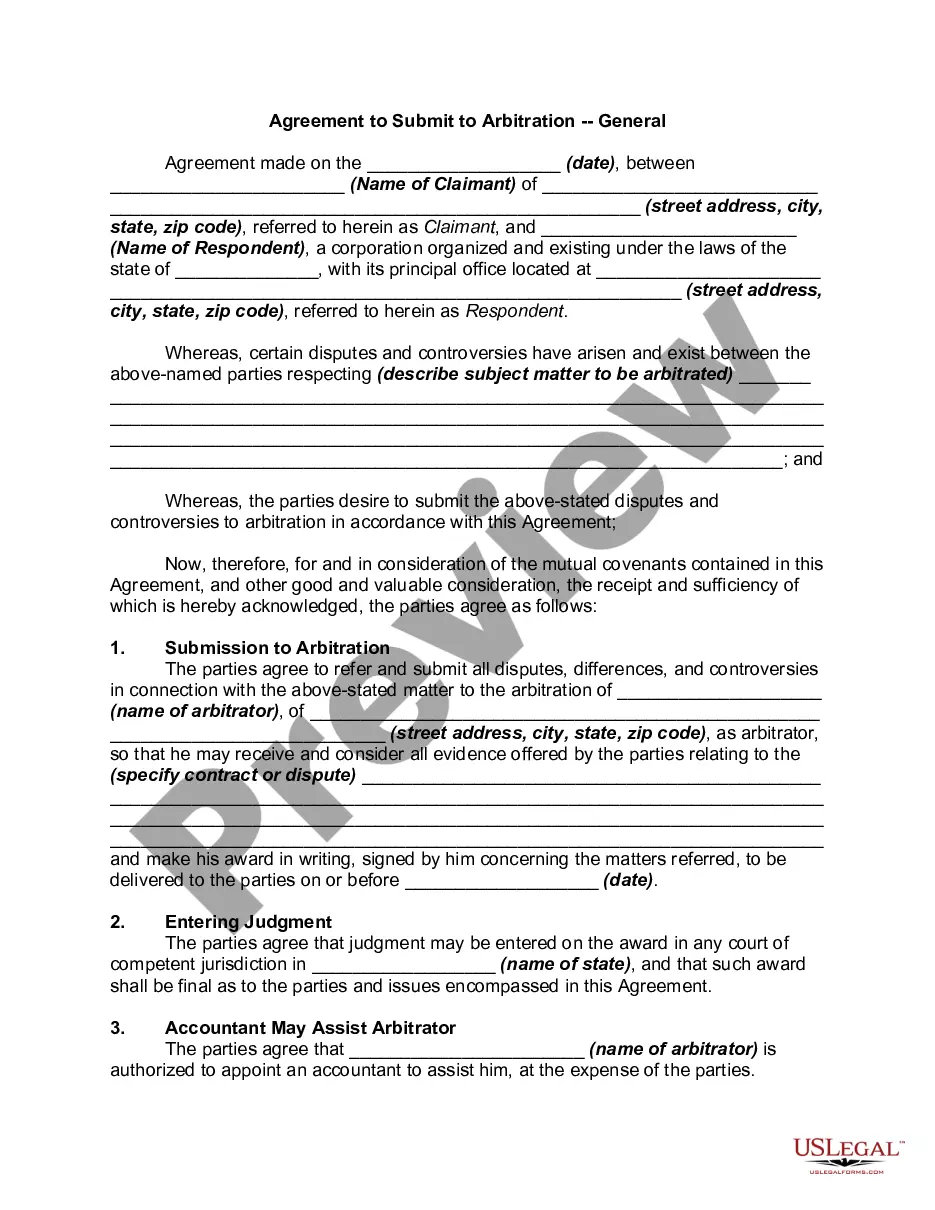

Get your form ready online
Our built-in tools help you complete, sign, share, and store your documents in one place.
Make edits, fill in missing information, and update formatting in US Legal Forms—just like you would in MS Word.
Download a copy, print it, send it by email, or mail it via USPS—whatever works best for your next step.
Sign and collect signatures with our SignNow integration. Send to multiple recipients, set reminders, and more. Go Premium to unlock E-Sign.
If this form requires notarization, complete it online through a secure video call—no need to meet a notary in person or wait for an appointment.
We protect your documents and personal data by following strict security and privacy standards.

Make edits, fill in missing information, and update formatting in US Legal Forms—just like you would in MS Word.

Download a copy, print it, send it by email, or mail it via USPS—whatever works best for your next step.

Sign and collect signatures with our SignNow integration. Send to multiple recipients, set reminders, and more. Go Premium to unlock E-Sign.

If this form requires notarization, complete it online through a secure video call—no need to meet a notary in person or wait for an appointment.

We protect your documents and personal data by following strict security and privacy standards.
Looking for another form?










Form popularity
FAQ
Your letter of arbitration should be concise, professional, and factual. Follow the standard business letter format, including your name and contact information at the top. Ensure that your writing is clear, and avoid using jargon or technical terms that may not be familiar to the reader.
Under most arbitration rules, an Answer or Response to a Request for Arbitration must include the respondent's name and contact details, the name and contact details of its representative, its preliminary comments on the dispute, its response to the relief sought by the claimant, its observations and proposals ...
"A dispute having arisen between the parties concerning , the parties hereby agree that the dispute shall be referred to and finally resolved by arbitration under the LCIA Rules. The number of arbitrators shall be one/three. The seat, or legal place, of arbitration shall be City and/or Country.
Within thirty days of the date of notification of the Request, the respondent shall submit an answer to the request (the “Answer”) to the Secretariat, which must include its statement of the facts, comments on the Request, proposal with regard to the number of arbitrators (with the indication of the name and contact ...
Before the arbitration hearing each side should: organize their arguments; identify and organize documentary evidence and testimony that supports the arguments; and make sure they have complied with CRC 3.820 prohibiting ex parte communication with the arbitrator.
Under most arbitration rules, an Answer or Response to a Request for Arbitration must include the respondent's name and contact details, the name and contact details of its representative, its preliminary comments on the dispute, its response to the relief sought by the claimant, its observations and proposals ...
Always get straight to the merits without berating the other side or whining about how badly it has treated you. Another threat to your credibility is the “kitchen sink” arbitration demand or a response that includes numerous claims or defenses that have little chance of succeeding.
Never say anything to an arbitrator unless you are 100% sure it is correct. If you don't know the answer to a question, simply say, “I don't know the answer but will get it for you promptly.” Arbitrators respect lawyers who can zealously advocate for their clients and work out procedural issues with opposing counsel.
But first, let's get some context. What is arbitration? ... #1: Understand the arbitration agreement deeply. #2: Understand the applicable rules. #3: Conduct preliminary research and gather information. #4: Know your arbitrator. #5: Prepare your client. #6: Draft the opening statement. #7: Manage the hearing day.
If you lose the case, it's very hard to challenge a decision the arbitrator has made. You can't appeal if you simply disagree with the decision. If you think the case wasn't handled properly, you should get advice about what to do next. You may be able to make an appeal to court on a point of law.