Federal Arbitration Act Grounds For Vacating Award In Maryland
Description

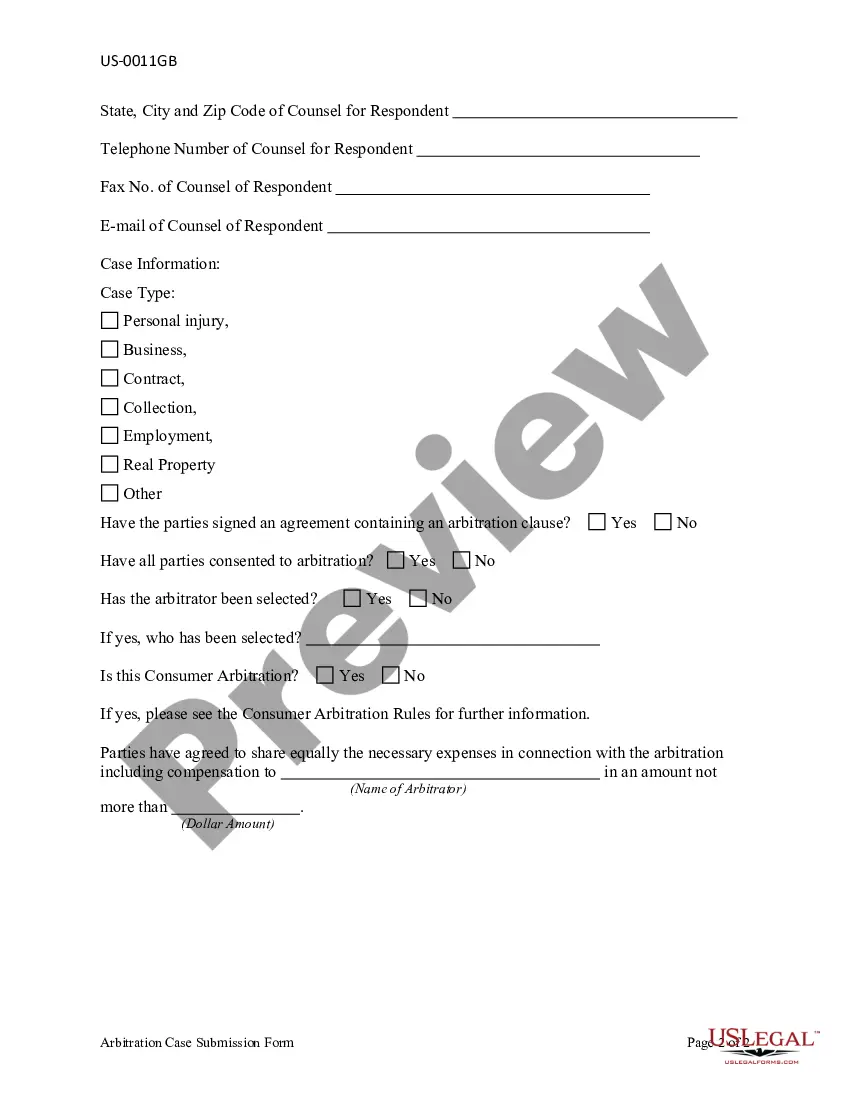

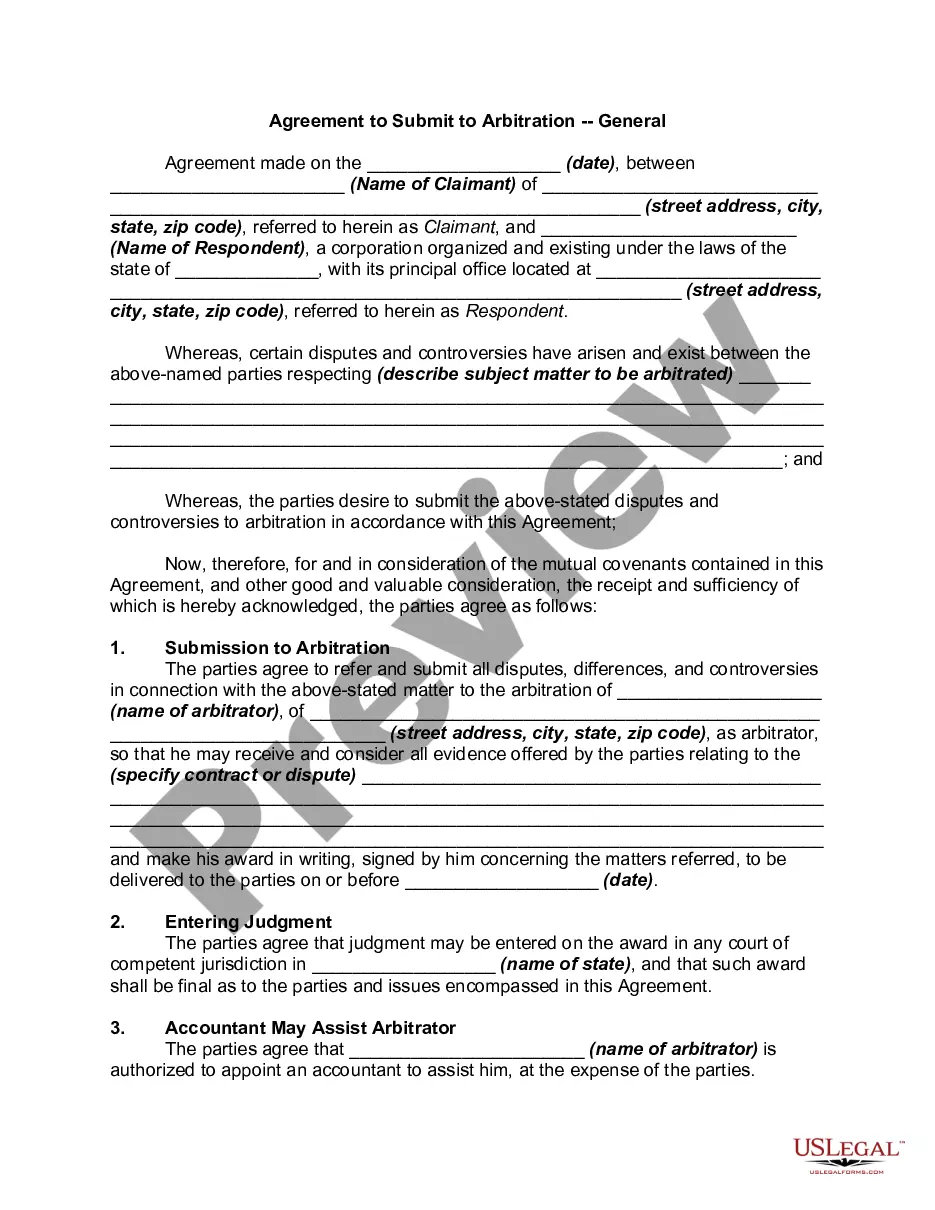

Get your form ready online
Our built-in tools help you complete, sign, share, and store your documents in one place.
Make edits, fill in missing information, and update formatting in US Legal Forms—just like you would in MS Word.
Download a copy, print it, send it by email, or mail it via USPS—whatever works best for your next step.
Sign and collect signatures with our SignNow integration. Send to multiple recipients, set reminders, and more. Go Premium to unlock E-Sign.
If this form requires notarization, complete it online through a secure video call—no need to meet a notary in person or wait for an appointment.
We protect your documents and personal data by following strict security and privacy standards.

Make edits, fill in missing information, and update formatting in US Legal Forms—just like you would in MS Word.

Download a copy, print it, send it by email, or mail it via USPS—whatever works best for your next step.

Sign and collect signatures with our SignNow integration. Send to multiple recipients, set reminders, and more. Go Premium to unlock E-Sign.

If this form requires notarization, complete it online through a secure video call—no need to meet a notary in person or wait for an appointment.

We protect your documents and personal data by following strict security and privacy standards.
Looking for another form?
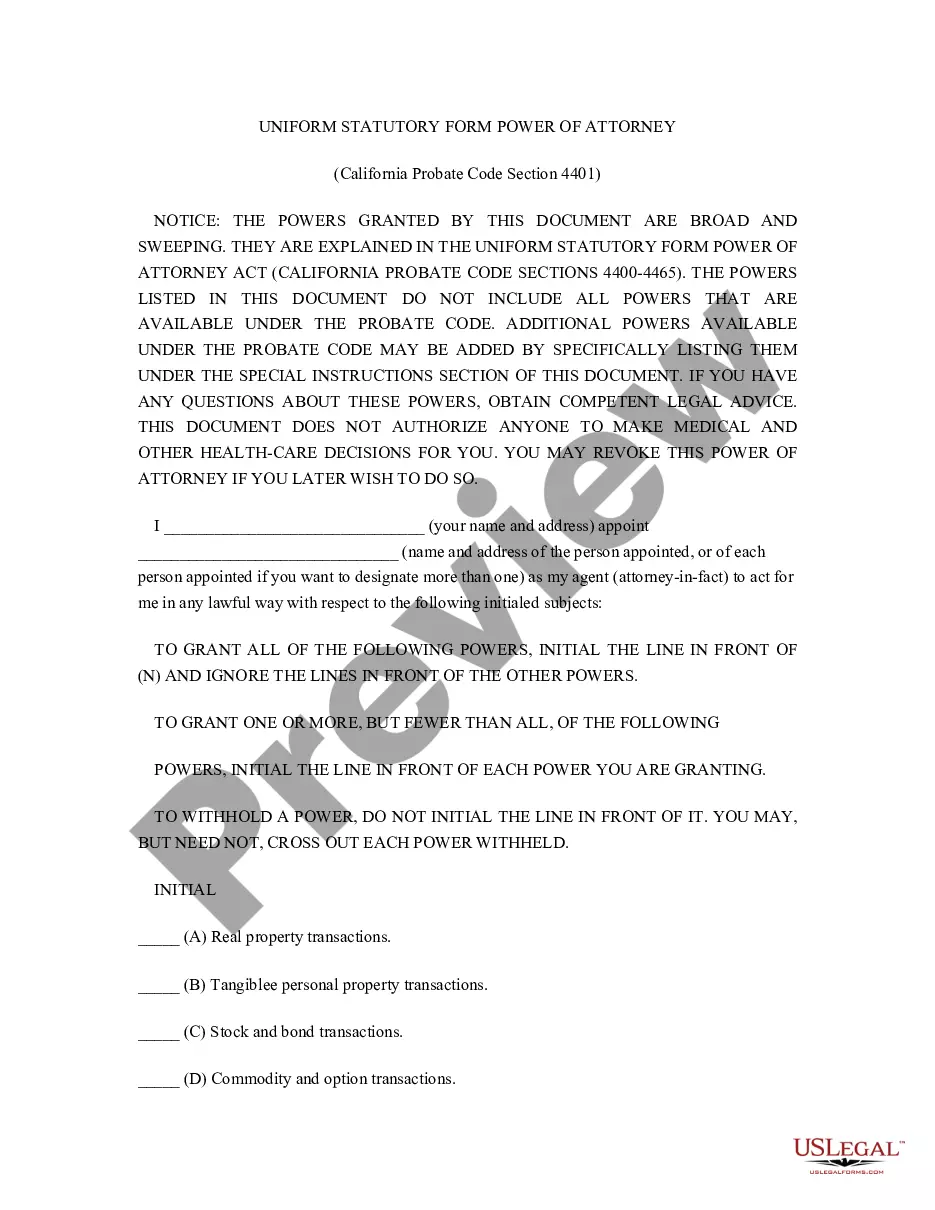





Form popularity
FAQ
On the application of a party to the agreement, the court shall, by order, upon such conditions (if any) as it thinks fit, stay the proceedings or so much of the proceedings as involves the determination of that matter, as the case may be, and refer the parties to arbitration in respect of that matter.
To vacate an award, the arbitrators must have known of a governing legal principle yet refused to apply it or ignored it, and the law ignored by the arbitrators must be clearly defined.
The merits of the dispute are not considered and the award can only be vacated where: (1) the award was procured by fraud or corruption; (2) there was corruption in the arbitrator; (3) the arbitrator committed misconduct resulting in substantial prejudice; (4) the arbitrators exceeded their powers; (5) the arbitrator ...
A court may vacate an award only if it finds that one of the limited grounds in the FAA (9 USC section 10) applies, namely: the award is a result of corruption or fraud; there was evident partiality or corruption by an arbitrator; there was arbitrator misconduct; or.
7. Arbitration agreement.—(1) In this Part, “arbitration agreement” means an agreement by the parties to submit to arbitration all or certain disputes which have arisen or which may arise between them in respect of a defined legal relationship, whether contractual or not.
883, enacted February 12, 1925, codified at 9 U.S.C. ch. 1), more commonly referred to as the Federal Arbitration Act or FAA, is an act of Congress that provides for non-judicial facilitation of private dispute resolution through arbitration.
Section 7 of the Federal Arbitration Act (FAA) provides: "Arbitrators ... may summon in writing any person to attend before them ... as a witness and in a proper case to bring with him or them any book, record, document, or paper which may be deemed material as evidence in the case." 9 U.S.C. § 7.
To vacate an award, the arbitrators must have known of a governing legal principle yet refused to apply it or ignored it, and the law ignored by the arbitrators must be clearly defined.
Section 144 deals with the rescission of arbitration awards and rulings. Any award may be varied or rescinded by the commissioner who issued the award or by any other commissioner appointed by the Director to do so. A party must apply for rescission.