Arbitration Case File Without A Lawyer In Maryland
Description

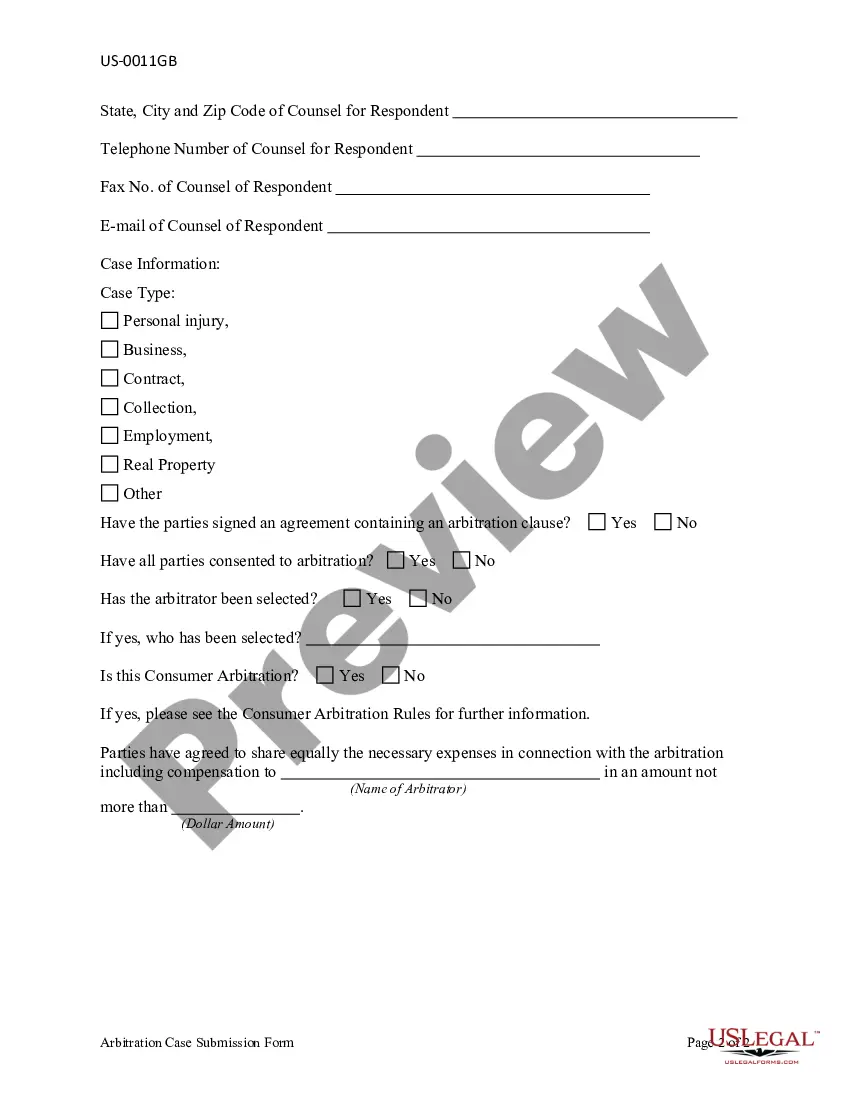

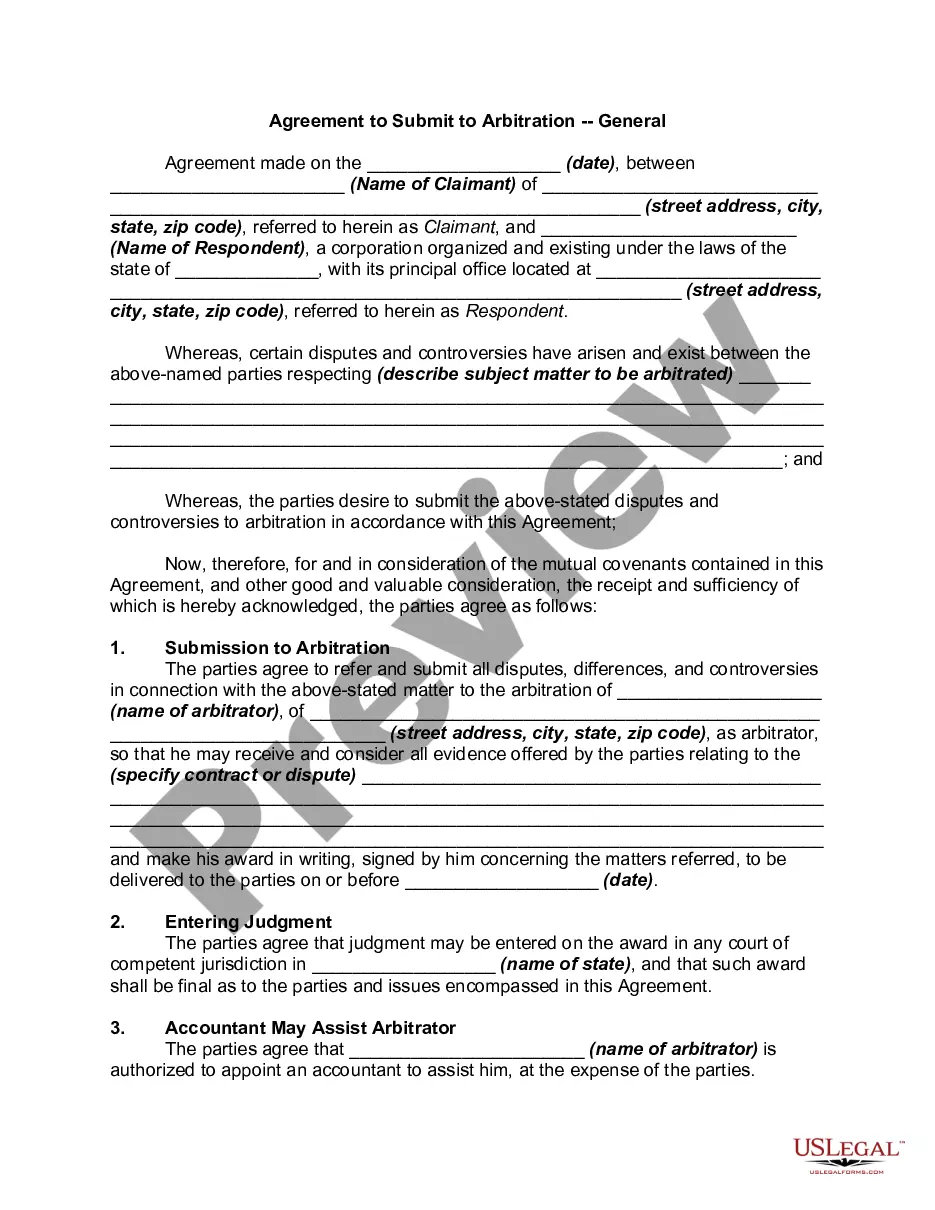

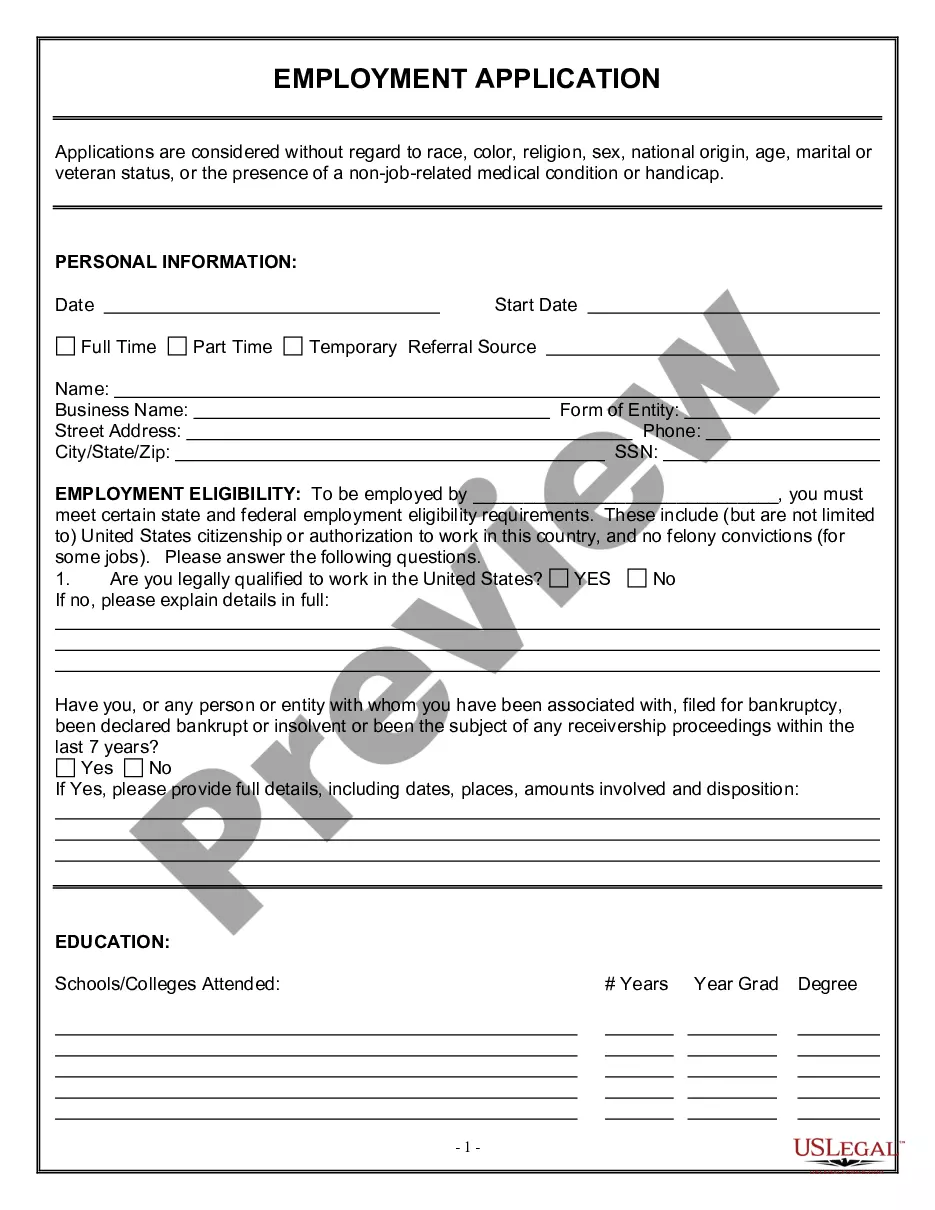
Get your form ready online
Our built-in tools help you complete, sign, share, and store your documents in one place.
Make edits, fill in missing information, and update formatting in US Legal Forms—just like you would in MS Word.
Download a copy, print it, send it by email, or mail it via USPS—whatever works best for your next step.
Sign and collect signatures with our SignNow integration. Send to multiple recipients, set reminders, and more. Go Premium to unlock E-Sign.
If this form requires notarization, complete it online through a secure video call—no need to meet a notary in person or wait for an appointment.
We protect your documents and personal data by following strict security and privacy standards.

Make edits, fill in missing information, and update formatting in US Legal Forms—just like you would in MS Word.

Download a copy, print it, send it by email, or mail it via USPS—whatever works best for your next step.

Sign and collect signatures with our SignNow integration. Send to multiple recipients, set reminders, and more. Go Premium to unlock E-Sign.

If this form requires notarization, complete it online through a secure video call—no need to meet a notary in person or wait for an appointment.

We protect your documents and personal data by following strict security and privacy standards.
Looking for another form?









Form popularity
FAQ
In Maryland, for most civil actions you have a period of three years after the act which caused you the harm to file a lawsuit. However, by law some types of cases have a different limitation period. For example, the limitation period for assault, libel, or slander is one year.
filing is available in all Maryland jurisdictions.
In Maryland, for most civil actions you have a period of three years after the act which caused you the harm to file a lawsuit. However, by law some types of cases have a different limitation period. For example, the limitation period for assault, libel, or slander is one year.
You can: $5,000 or less. Small Claims Court. Your case can be heard in small claims court if the amount is for $5,000 or less. $30,000 or less. District Court or Circuit Court. Your case can be heard in either District Court or Circuit Court if the amount does not exceed $30,000. Over $30,000. Circuit Court.
Uniform Arbitration Act, or common law rules governing arbitration, an arbitrator makes a decision which is binding on the parties. If conducted solely pursuant to Title 17 of the Maryland Rules, and there is no agreement to the contrary, the arbitration is non-binding and the parties may accept or reject the award.
The arbitrator decides the rules, weighs the facts and arguments of both parties, and then decides the dispute. Arbitration may be voluntary or mandatory.
Every arbitrator must be and remain impartial and independent of the parties involved in the arbitration. Before appointment or confirmation, a prospective arbitrator shall sign a statement of acceptance, availability, impartiality and independence.
Cons: Limited Appeal Options: One of the most significant downsides of arbitration is that it offers very limited options for appeal. Potentially Less Oversight: The informal nature of the arbitration process could lead to less regulatory oversight, making it crucial to choose a reputable arbitrator.
The only disputes which may not be determined by way of arbitration proceedings are matters in respect of any matrimonial cause (or incidental thereto) and matters relating to status, for example sequestration or liquidation proceedings.