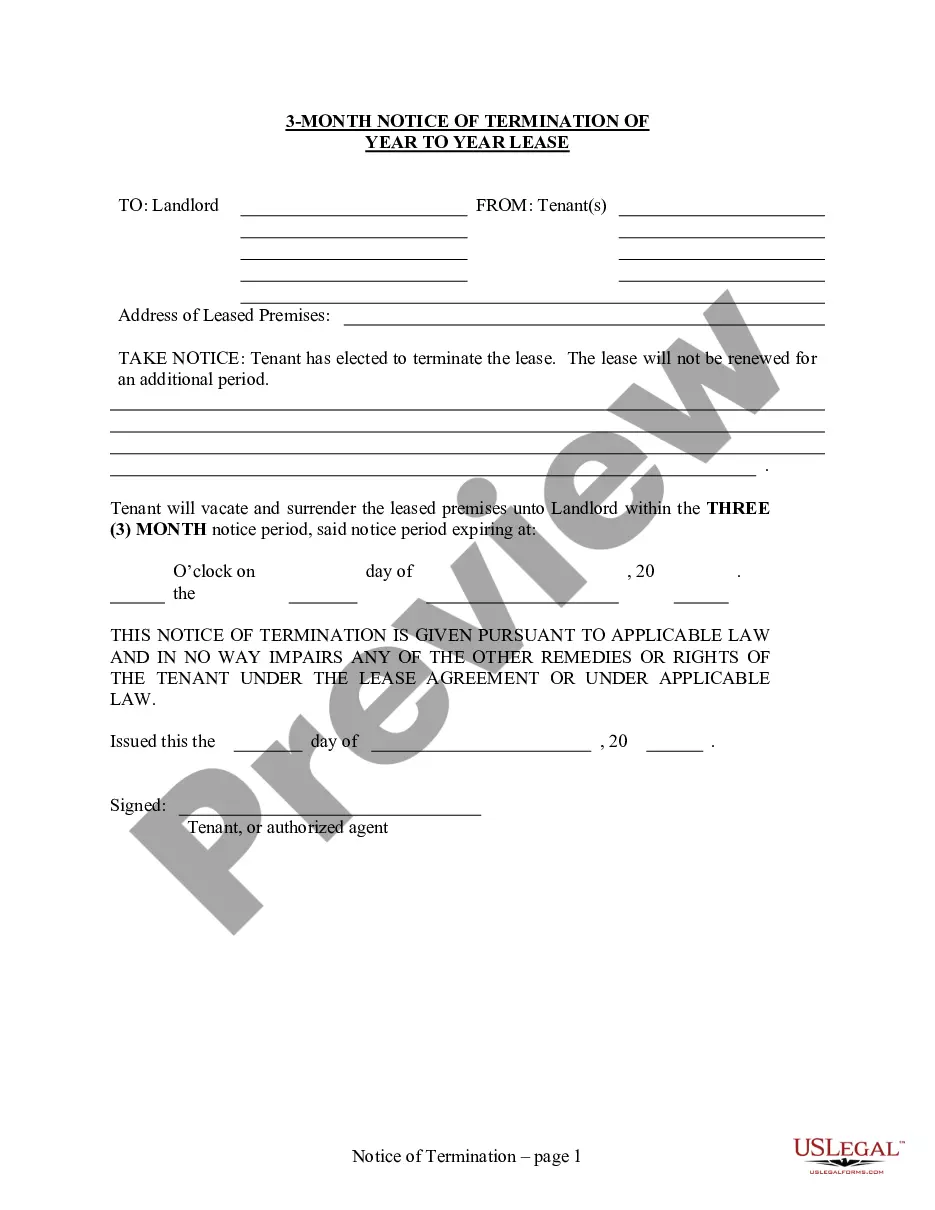
Arbitration Case Law Examples In Georgia
Description

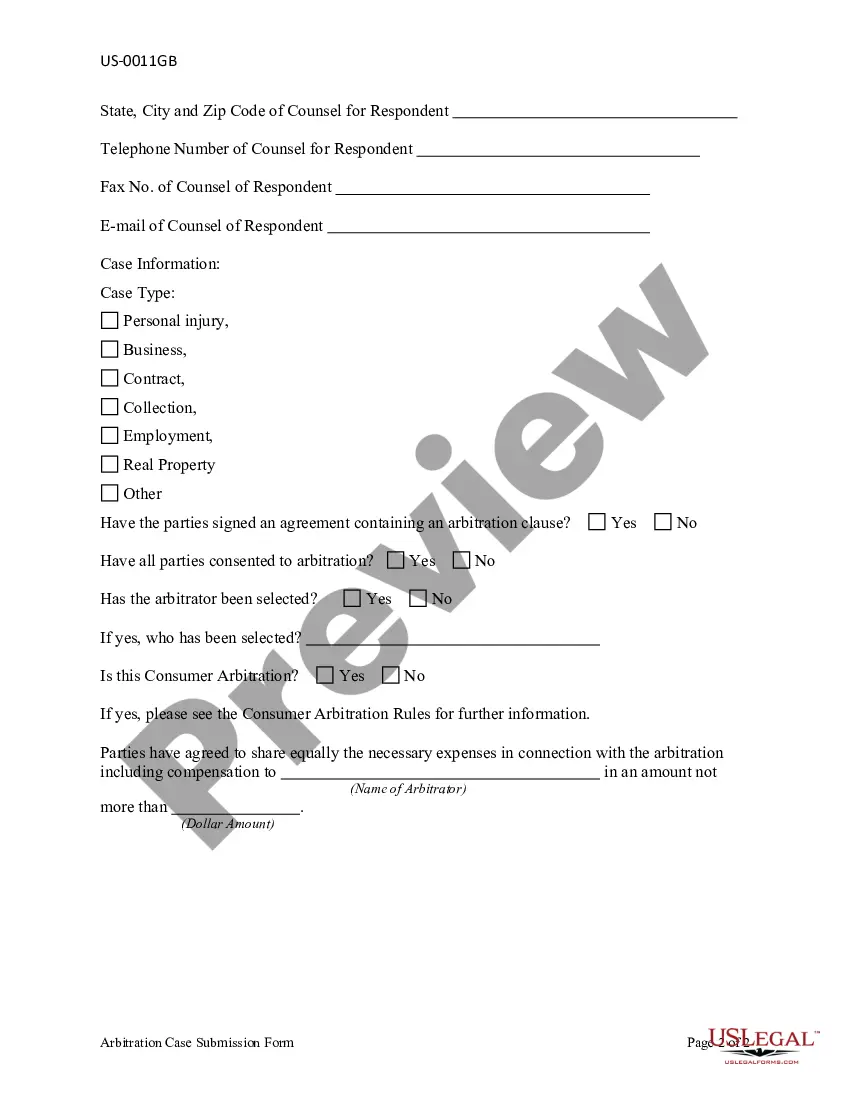

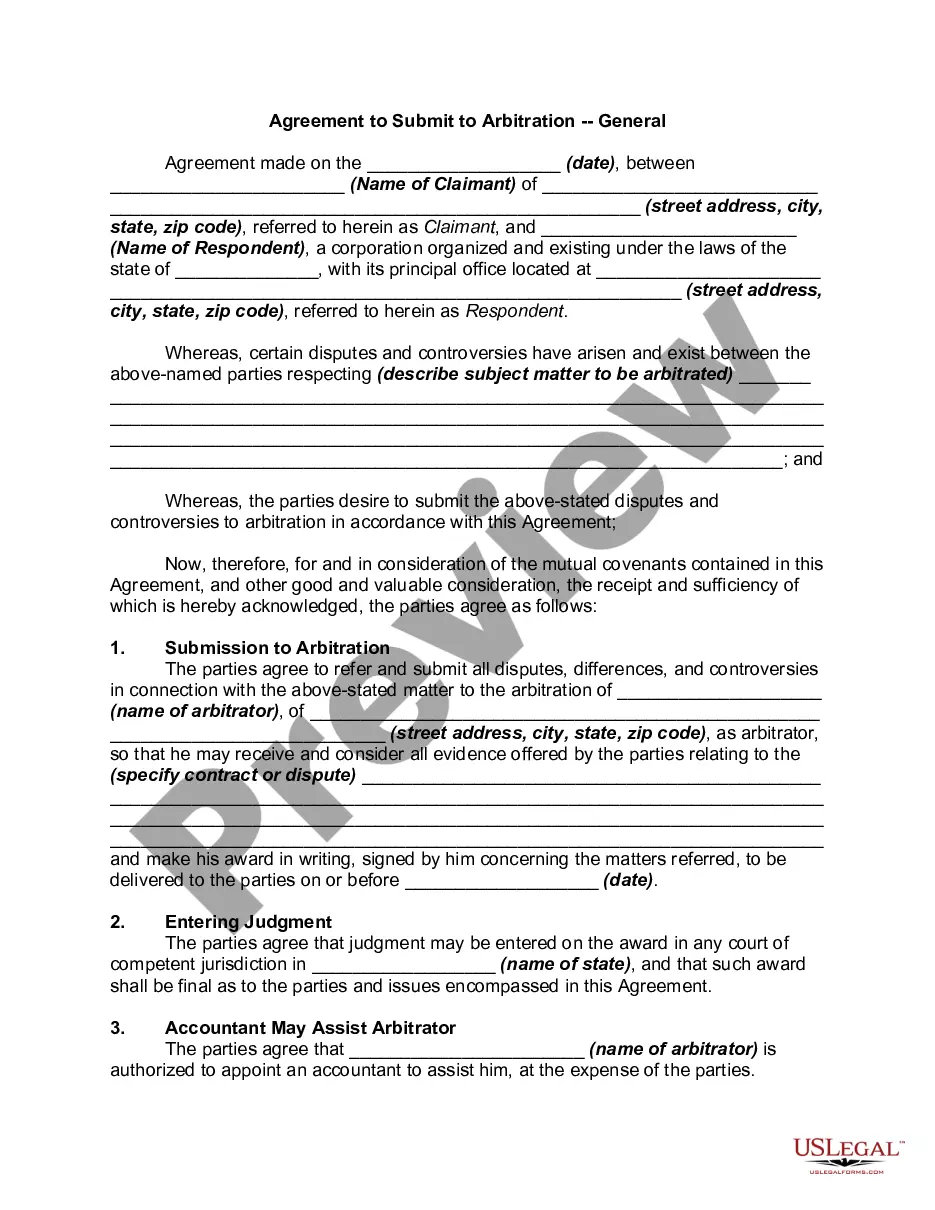

Get your form ready online
Our built-in tools help you complete, sign, share, and store your documents in one place.
Make edits, fill in missing information, and update formatting in US Legal Forms—just like you would in MS Word.
Download a copy, print it, send it by email, or mail it via USPS—whatever works best for your next step.
Sign and collect signatures with our SignNow integration. Send to multiple recipients, set reminders, and more. Go Premium to unlock E-Sign.
If this form requires notarization, complete it online through a secure video call—no need to meet a notary in person or wait for an appointment.
We protect your documents and personal data by following strict security and privacy standards.

Make edits, fill in missing information, and update formatting in US Legal Forms—just like you would in MS Word.

Download a copy, print it, send it by email, or mail it via USPS—whatever works best for your next step.

Sign and collect signatures with our SignNow integration. Send to multiple recipients, set reminders, and more. Go Premium to unlock E-Sign.

If this form requires notarization, complete it online through a secure video call—no need to meet a notary in person or wait for an appointment.

We protect your documents and personal data by following strict security and privacy standards.
Looking for another form?










Form popularity
FAQ
These cases range from breach of contract or licensing agreements, business torts, and franchise to construction and infrastructure disputes in companies from start-ups to the Fortune 500 in a variety of industries.
Disputes involving joint ventures, construction projects, partnership differences, intellectual property rights, personal injury, product liabilities, professional liability, real estate securities, contract interpretation and performance, insurance claim and Banking & non-Banking transaction disputes fall within the ...
A written agreement to submit any existing controversy to arbitration or a provision in a written contract to submit any controversy thereafter arising to arbitration is enforceable without regard to the justiciable character of the controversy and confers jurisdiction on the courts of the state to enforce it and to ...
Most of our arbitration hearings are conducted by two experienced attorneys and one non-attorney. Like judges, arbitrators hear arguments from both sides and decide the outcome of the dispute. Arbitrators and both parties are allowed to request reasonable discovery if/when a hearing date is set.
If your case involves factors like privacy concerns, the need for a quicker resolution, or the desire to avoid a public jury trial, arbitration might be an ideal solution. However, if you're worried about the finality of the arbitrator's decision or the potential for bias, you might prefer the traditional court route.
Is arbitration suitable for complex disputes? The arbitration procedure is attractive to businesses involved in complex commercial disputes. This is because the process is run by an arbitrator, who usually has some expertise in the subject matter in question that a judge may lack.
A claimant will typically start arbitration by sending a document known as a “request for arbitration” or a “notice to arbitrate” to its opponent.
Arbitration is similar to going to court, but faster, cheaper and less complex than litigation. If the case settles, an arbitration will last around one year. If the case goes to hearing, an arbitration typically takes 16 months.
There are typically seven stages of the arbitration process: Claimant Files a Claim. Respondent Submits Answer. Parties Select Arbitrators. Parties Attend Initial Prehearing Conference. Parties Exchange Discovery. Parties Attend Hearings. Arbitrators Deliberate and Render Award.
For example, in New York as early as 1768, the Chamber of Commerce, when first established, permitted for arbitration as a resolution mechanism. Also, in New York, almost fifty years later, the New York Stock Exchange in 1817 provided for arbitration in its constitution.