Arbitration Case Law Examples In Cuyahoga
Description

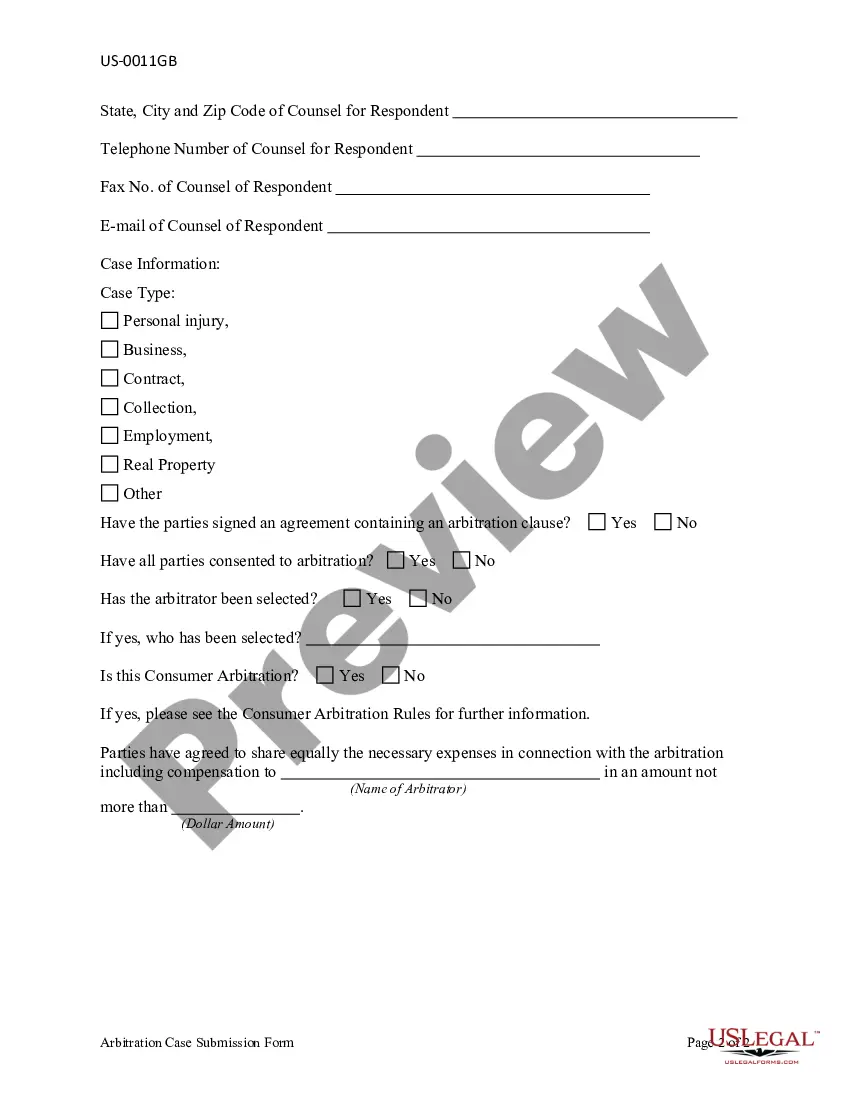

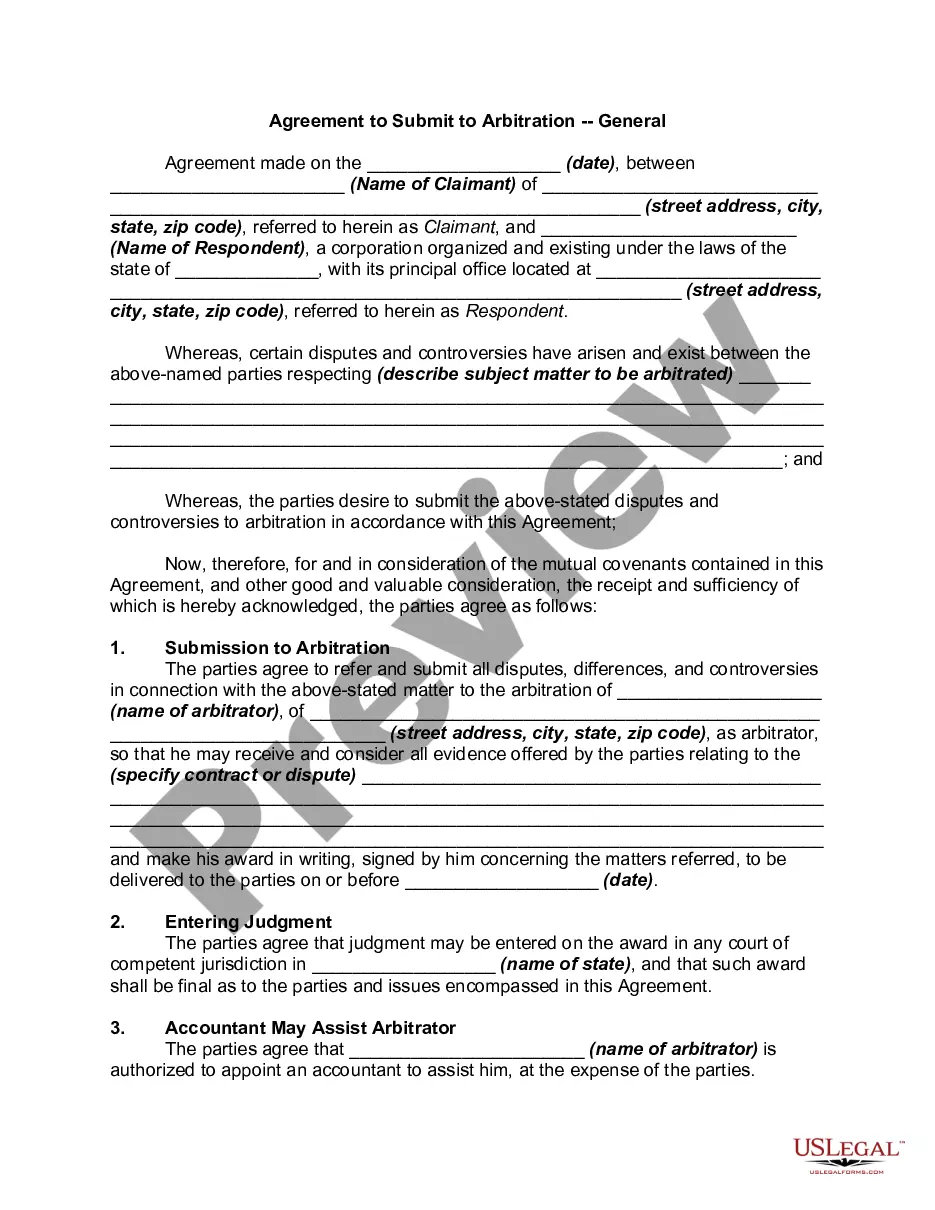

Get your form ready online
Our built-in tools help you complete, sign, share, and store your documents in one place.
Make edits, fill in missing information, and update formatting in US Legal Forms—just like you would in MS Word.
Download a copy, print it, send it by email, or mail it via USPS—whatever works best for your next step.
Sign and collect signatures with our SignNow integration. Send to multiple recipients, set reminders, and more. Go Premium to unlock E-Sign.
If this form requires notarization, complete it online through a secure video call—no need to meet a notary in person or wait for an appointment.
We protect your documents and personal data by following strict security and privacy standards.

Make edits, fill in missing information, and update formatting in US Legal Forms—just like you would in MS Word.

Download a copy, print it, send it by email, or mail it via USPS—whatever works best for your next step.

Sign and collect signatures with our SignNow integration. Send to multiple recipients, set reminders, and more. Go Premium to unlock E-Sign.

If this form requires notarization, complete it online through a secure video call—no need to meet a notary in person or wait for an appointment.

We protect your documents and personal data by following strict security and privacy standards.
Looking for another form?








Form popularity
FAQ
A claimant will typically start arbitration by sending a document known as a “request for arbitration” or a “notice to arbitrate” to its opponent.
A claimant will typically start arbitration by sending a document known as a “request for arbitration” or a “notice to arbitrate” to its opponent.
Arguments should flow easily from the relevant facts and applicable law. Avoid exaggerating the strengths of your case as well as disparaging the opposing side. Remember that professionalism and credibility are critical to persuasiveness.
Either Party to a contract in which there is an Arbitration clause can either himself or through an authorised agent may invoke Arbitration so as to refer the dispute to arbitration, as per provisions of the arbitration clause.
Parties will need to provide material evidence during the arbitration process. Some arbitrators may require that some types of evidence (such as invoices, pictures, and party correspondence) be presented in a specific format, such as in a binder and labeled in a certain order.
After the opening statement, the claimants present evidence, that is, the details of their case. For example, they present witnesses and introduce any relevant documents. If the arbitrators did not swear a witness in at the beginning of a hearing, they will administer the oath before that person testifies.
An orderly presentation of one's own witnesses, with an outline of the case at hand to make certain that every point is made in the right order, and perhaps a summary of the case presented to the arbitrator in typewritten form to make doubly certain that nothing is forgotten when the time comes to write the decision, ...
Cases that are $50,000 or less must go into arbitration. Examples include a personal injury case from an automobile accident, a disagreement about a contract, or some other type of case that doesn't involve criminal charges.