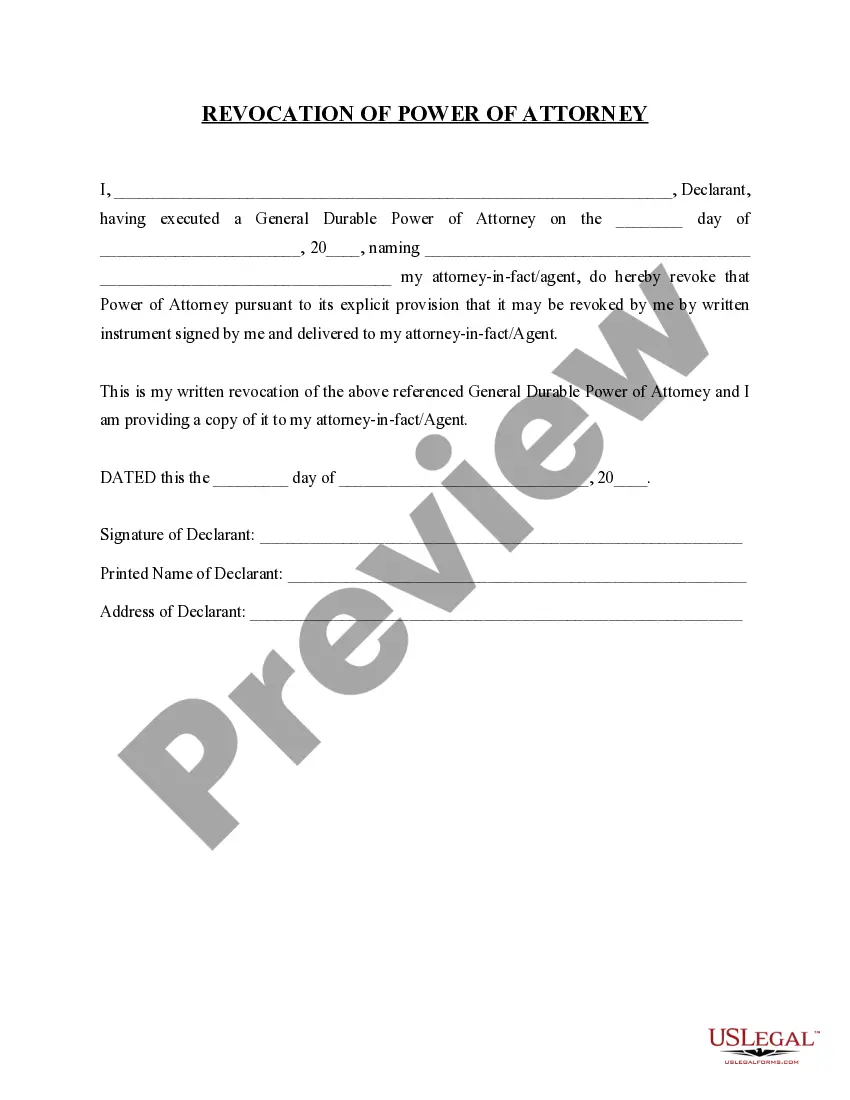
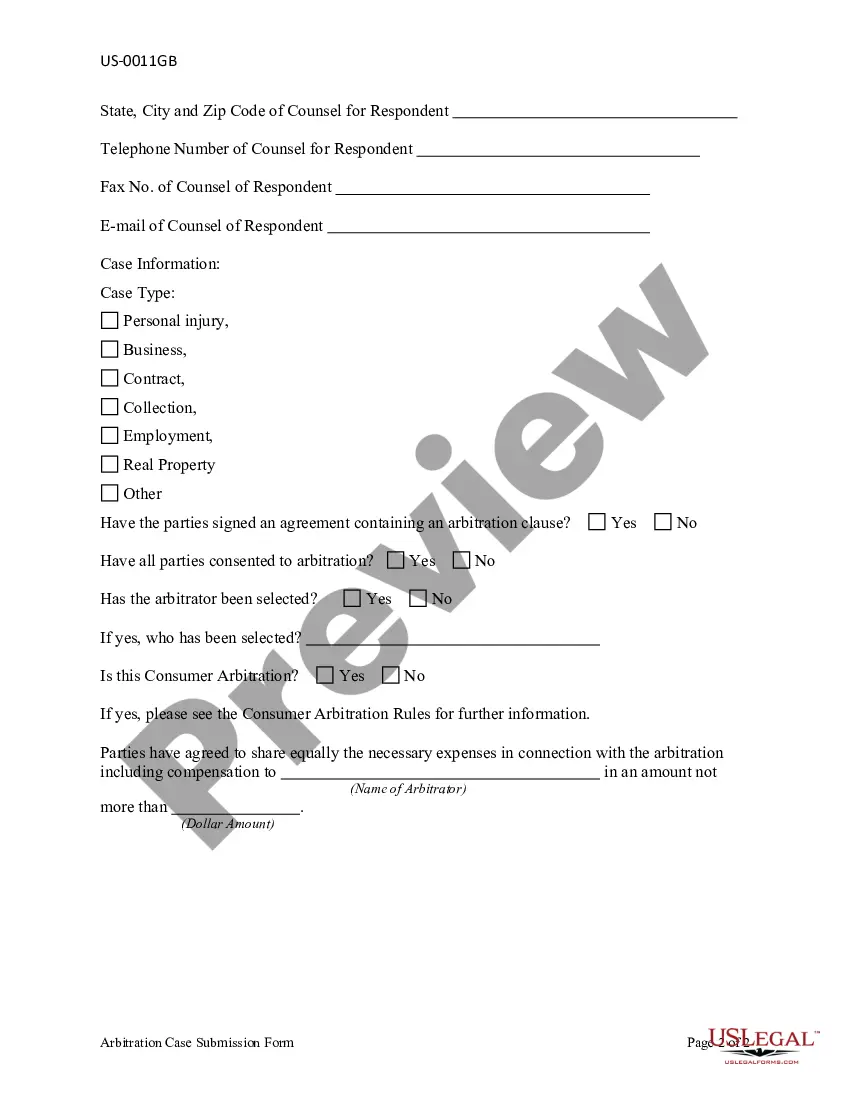
Arbitration Case In Hindi In California
Description




Get your form ready online
Our built-in tools help you complete, sign, share, and store your documents in one place.
Make edits, fill in missing information, and update formatting in US Legal Forms—just like you would in MS Word.
Download a copy, print it, send it by email, or mail it via USPS—whatever works best for your next step.
Sign and collect signatures with our SignNow integration. Send to multiple recipients, set reminders, and more. Go Premium to unlock E-Sign.
If this form requires notarization, complete it online through a secure video call—no need to meet a notary in person or wait for an appointment.
We protect your documents and personal data by following strict security and privacy standards.

Make edits, fill in missing information, and update formatting in US Legal Forms—just like you would in MS Word.

Download a copy, print it, send it by email, or mail it via USPS—whatever works best for your next step.

Sign and collect signatures with our SignNow integration. Send to multiple recipients, set reminders, and more. Go Premium to unlock E-Sign.

If this form requires notarization, complete it online through a secure video call—no need to meet a notary in person or wait for an appointment.

We protect your documents and personal data by following strict security and privacy standards.
Looking for another form?










Form popularity
FAQ
The California Arbitration Act allows people in California to participate in the arbitration. While laws seek to change aspects of the law and lawsuits to keep it the same, the overall law aids the courts in efficiently resolving disputes, which is the overall purpose of dispute resolution services.
In California, an employer can require its employees to agree to arbitration as a term of employment. However, if an agreement has too many unfair or biased terms, California courts may refuse to enforce the arbitration agreement or chop off the unfair terms.
To further complicate matters, new laws set to take effect in 2025 will reshape arbitration in California. SB 365 will allow cases to proceed through the trial process even where a party appeals an order denying a petition to compel arbitration.
The Arbitration Hearing Similar to a court trial, each side can call witnesses, introduce documents, and cross-examine the other side's witnesses. The arbitrator listens to the evidence and arguments from both sides but usually in a less formal setting than a courtroom.
Specifically, the new law affords parties “the right to take depositions and to obtain discovery regarding the subject matter of the arbitration, and, to that end, to use and exercise all of the same rights, remedies, and procedures, and be subject to all of the same duties, liabilities, and obligations in the ...
Arbitration Requirements in California Under California law, an employer can require its employees to agree to arbitration as a term of employment. However, if the agreement has too many unfair or biased conditions, courts may refuse to enforce the arbitration agreement or chop off the unfair terms.
For all consumer contracts “entered into, modified, or extended on or after” the beginning of 2025, SB 940 imposes the following key changes for consumer arbitration agreements: Limitations on non-California venue and choice of law.
Arguments should flow easily from the relevant facts and applicable law. Avoid exaggerating the strengths of your case as well as disparaging the opposing side. Remember that professionalism and credibility are critical to persuasiveness.
But two unspoken reasons are also driving the trend toward arbitration. First is the fact that arbitration results tend to favor employers over employees. There are lots of institutional reasons for this bias, starting with the fact that the corporation is responsible for actually paying the fees for the arbitrator.
Resolving disputes through arbitration, rather than litigation, benefits consumers, employees, and businesses–the only ones that do not benefit from arbitration are plaintiffs' lawyers.