Irs Publication 783 Forum In Sacramento
Description

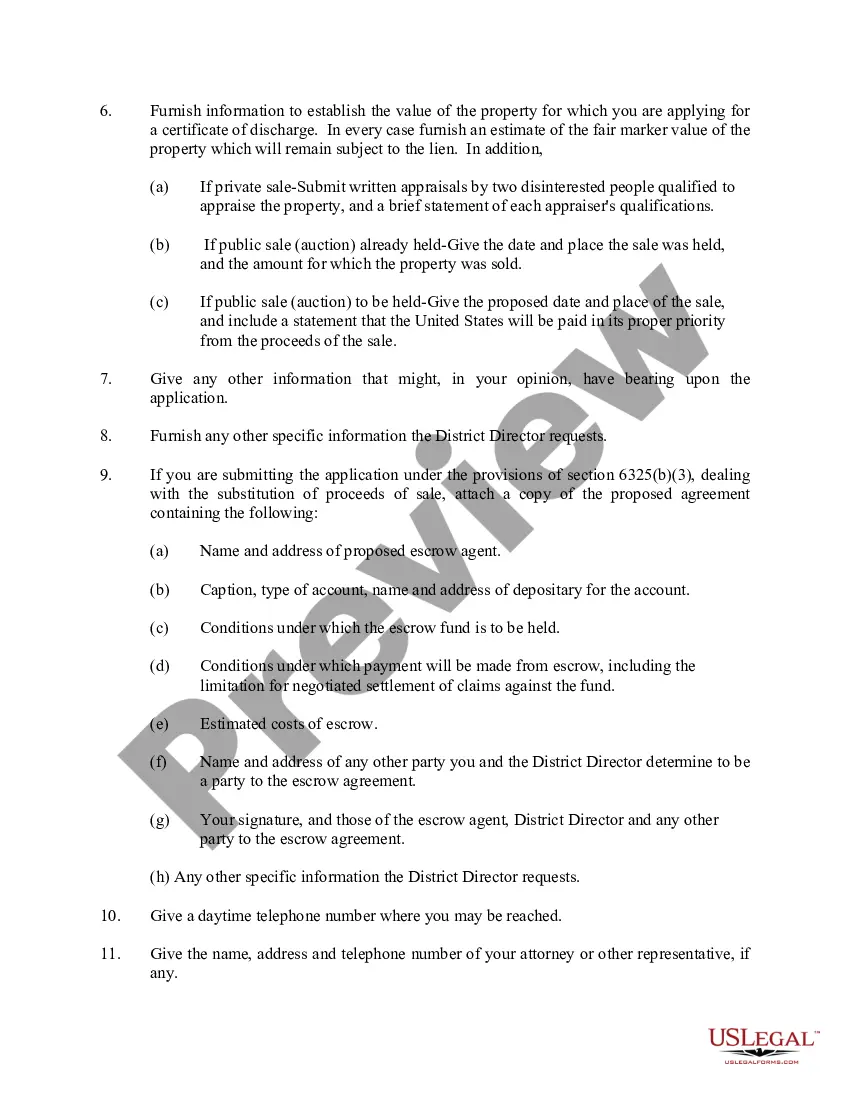
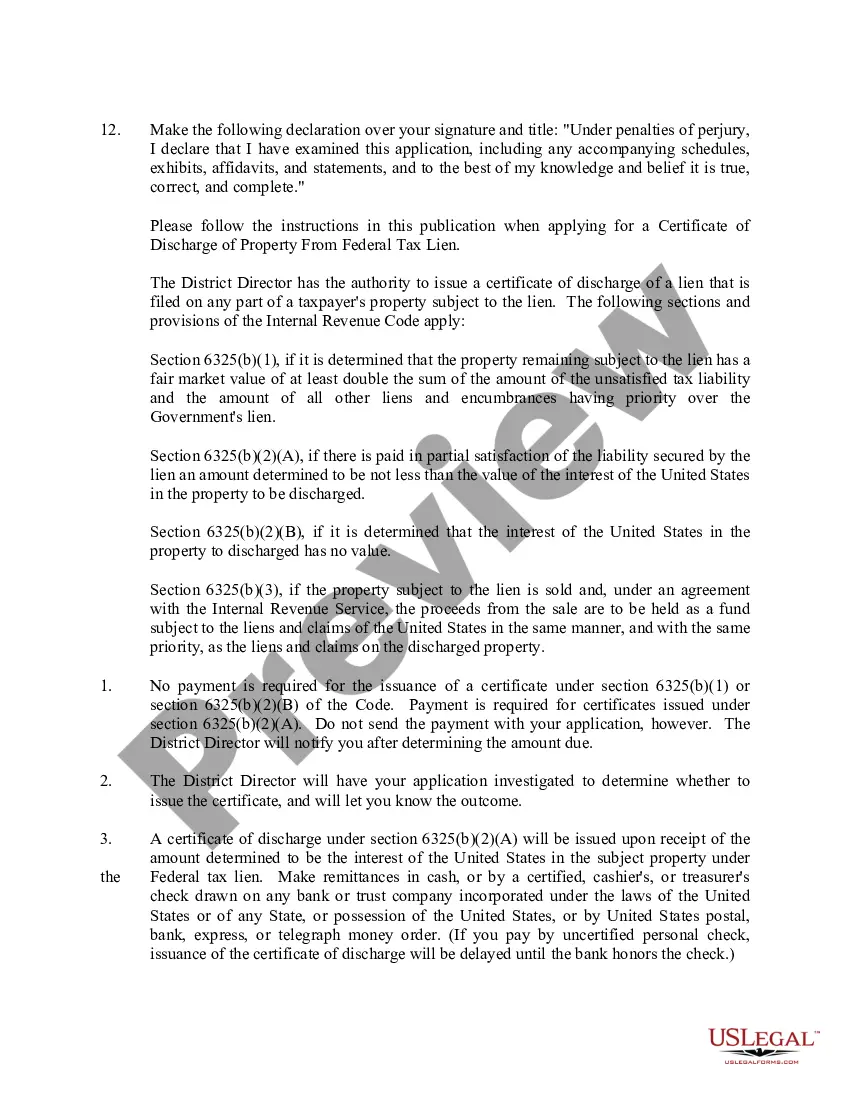
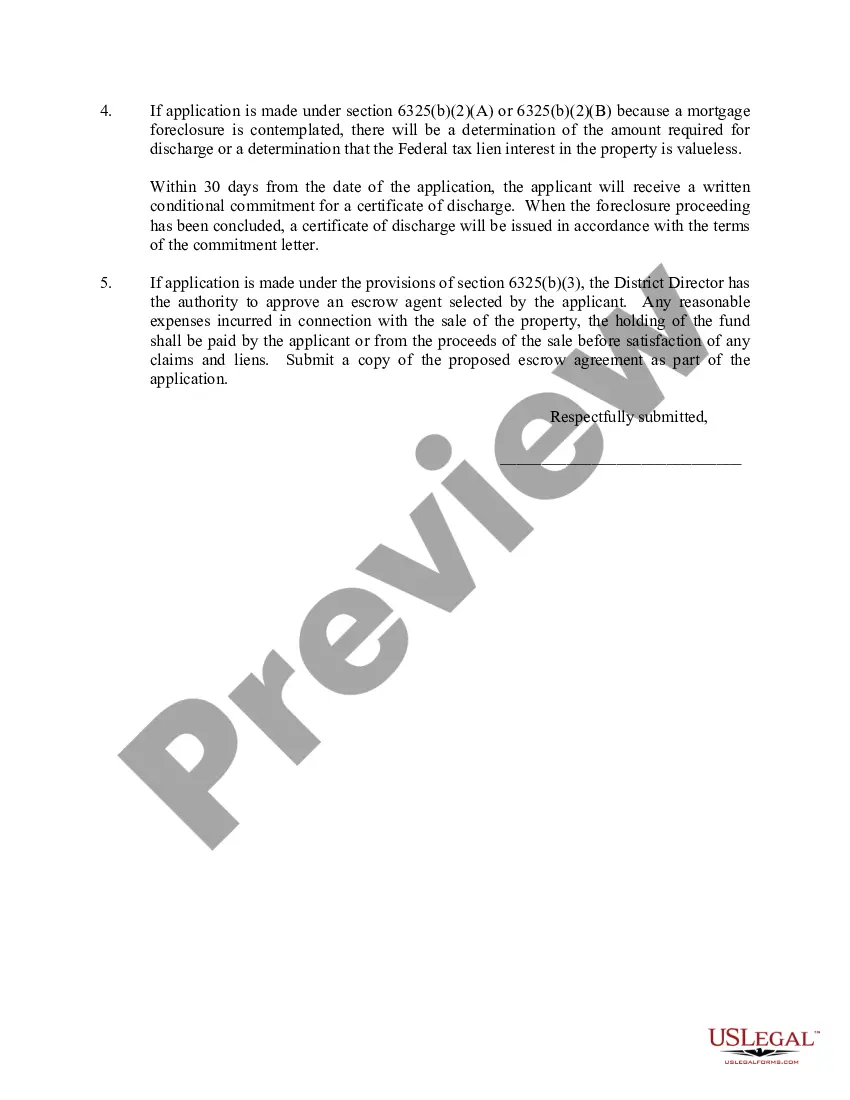
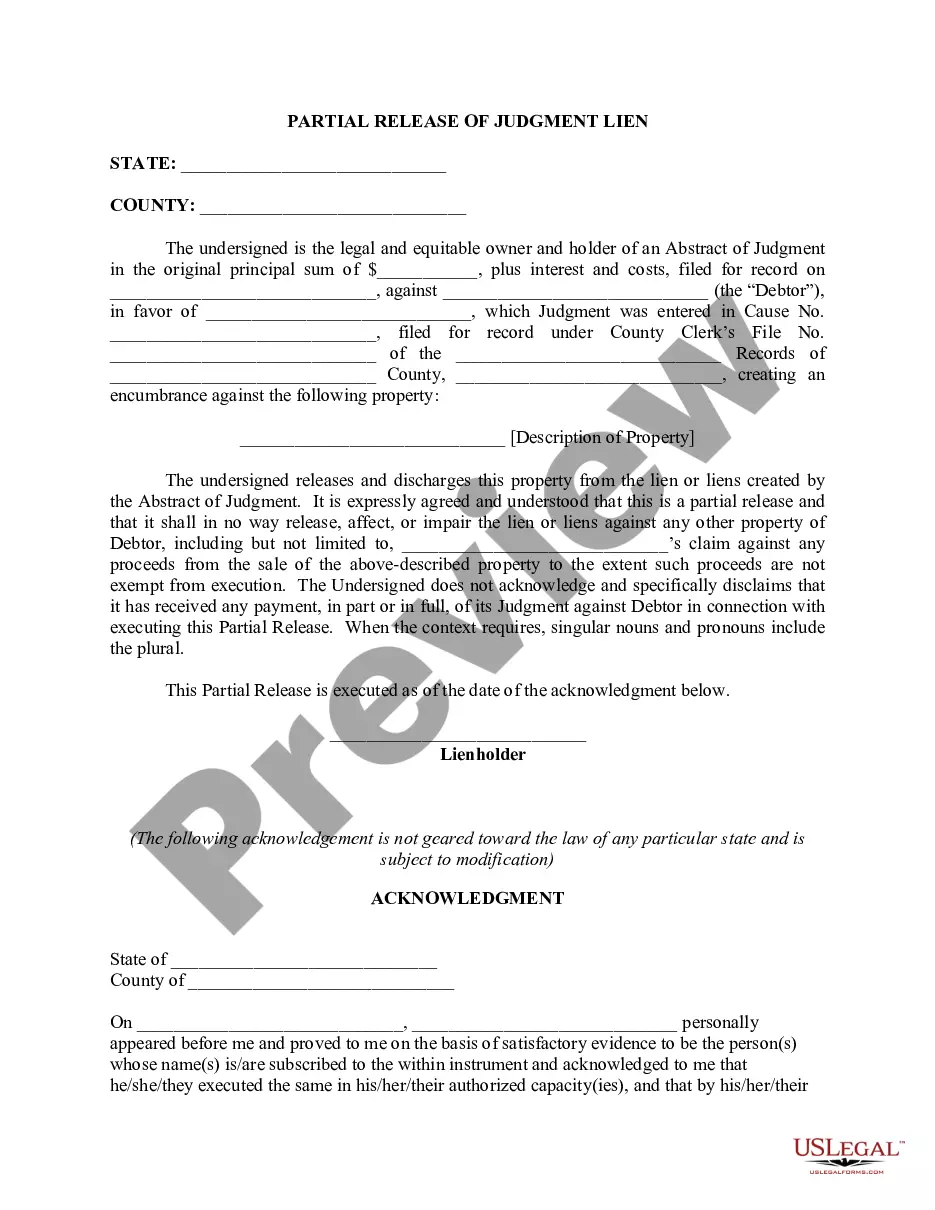
Get your form ready online
Our built-in tools help you complete, sign, share, and store your documents in one place.
Make edits, fill in missing information, and update formatting in US Legal Forms—just like you would in MS Word.
Download a copy, print it, send it by email, or mail it via USPS—whatever works best for your next step.
Sign and collect signatures with our SignNow integration. Send to multiple recipients, set reminders, and more. Go Premium to unlock E-Sign.
If this form requires notarization, complete it online through a secure video call—no need to meet a notary in person or wait for an appointment.
We protect your documents and personal data by following strict security and privacy standards.

Make edits, fill in missing information, and update formatting in US Legal Forms—just like you would in MS Word.

Download a copy, print it, send it by email, or mail it via USPS—whatever works best for your next step.

Sign and collect signatures with our SignNow integration. Send to multiple recipients, set reminders, and more. Go Premium to unlock E-Sign.

If this form requires notarization, complete it online through a secure video call—no need to meet a notary in person or wait for an appointment.

We protect your documents and personal data by following strict security and privacy standards.
Looking for another form?



Form popularity
FAQ
Proper handling of the notice of lien is extremely important. Generally the IRS can pursue collection of a tax liability up to 10 years from the date it was assessed. A Notice of Federal Tax Lien may be filed any time within that 10-year period.
For a copy of the recorded certificate, you must contact the recording office where the Certificate of Release of Federal Tax Lien was filed. If the federal tax lien has not been released within 30 days of satisfying your tax liability, you can request a Certificate of Release of Federal Tax Lien.
If you owe the IRS more than $25,000, it's important to understand what can happen next and what actions you can take. The IRS escalates its collection efforts when the amount owed exceeds $25,000, which can result in severe penalties such as asset seizure, bank levy, wage garnishment, and even passport revocation.
Each of the five IRS forums is a three-day event providing tax professionals with the latest information on federal and state tax issues presented by experts from the IRS and its partner organizations through a variety of training seminars and workshops.
How do I complete abatement form 843? Line 1 is the tax year the abatement is for. Line 2 is the total fees/penalties you are asking the IRS to remove. Line 3 is generally going to be Income (tax). Line 4 is the Internal Revenue Code section. Line 5a is the reason you are requesting the abatement.
Penalty abatement reasonWritten request Reasonable cause Write a letter requesting reasonable cause abatement, or send Form 843, Claim for Refund and Request for Abatement. The IRS decision usually takes about three to four months.1 more row
IRS Penalty Abatement Request Letter State the type of penalty you want removed. Include an explanation of the events and specific facts and circumstances of your situation, and explain how these events were outside of your control. Attach documents that will prove your case.
How do I complete abatement form 843? Line 1 is the tax year the abatement is for. Line 2 is the total fees/penalties you are asking the IRS to remove. Line 3 is generally going to be Income (tax). Line 4 is the Internal Revenue Code section. Line 5a is the reason you are requesting the abatement.
Submit a whistleblower claim Individuals must use IRS Form 211, Application for Award for Original Information PDF, and ensure that it contains the following: A description of the alleged tax noncompliance, including a written narrative explaining the issue(s).
Centralized Lien Operation — To resolve basic and routine lien issues: verify a lien, request lien payoff amount, or release a lien, call 800-913-6050 or e-fax 855-390-3530.