Irs Publication 783 Withholding Tax In Clark
Description

Get your form ready online
Our built-in tools help you complete, sign, share, and store your documents in one place.
Make edits, fill in missing information, and update formatting in US Legal Forms—just like you would in MS Word.
Download a copy, print it, send it by email, or mail it via USPS—whatever works best for your next step.
Sign and collect signatures with our SignNow integration. Send to multiple recipients, set reminders, and more. Go Premium to unlock E-Sign.
If this form requires notarization, complete it online through a secure video call—no need to meet a notary in person or wait for an appointment.
We protect your documents and personal data by following strict security and privacy standards.

Make edits, fill in missing information, and update formatting in US Legal Forms—just like you would in MS Word.

Download a copy, print it, send it by email, or mail it via USPS—whatever works best for your next step.

Sign and collect signatures with our SignNow integration. Send to multiple recipients, set reminders, and more. Go Premium to unlock E-Sign.

If this form requires notarization, complete it online through a secure video call—no need to meet a notary in person or wait for an appointment.

We protect your documents and personal data by following strict security and privacy standards.
Looking for another form?
Form popularity
FAQ
Qualifications for Tax Relief The IRS ultimately determines whether you qualify for debt forgiveness. However, the agency generally considers taxpayers who meet these criteria: a total tax debt balance of $50,000 or less, and a total income below $100,000 for individuals (or $200,000 for married couples).
If there is a federal tax lien on your home, you must satisfy the lien before you can sell or refinance your home. There are a number of options to satisfy the tax lien.
While tax liens are no longer appearing on credit reports, it's worth remembering that the information credit bureaus include is always subject to change. Because tax liens are currently not included on your credit report, they don't hurt your credit score directly.
Employers use Publication 15-T to figure the amount of federal income tax to withhold from their employees' wages.
Can you claim back withholding tax? If your account has been charged withholding tax, you may be able to claim it back when you complete your next tax return. If you need further assistance, we recommend you seek independent taxation or financial advice.
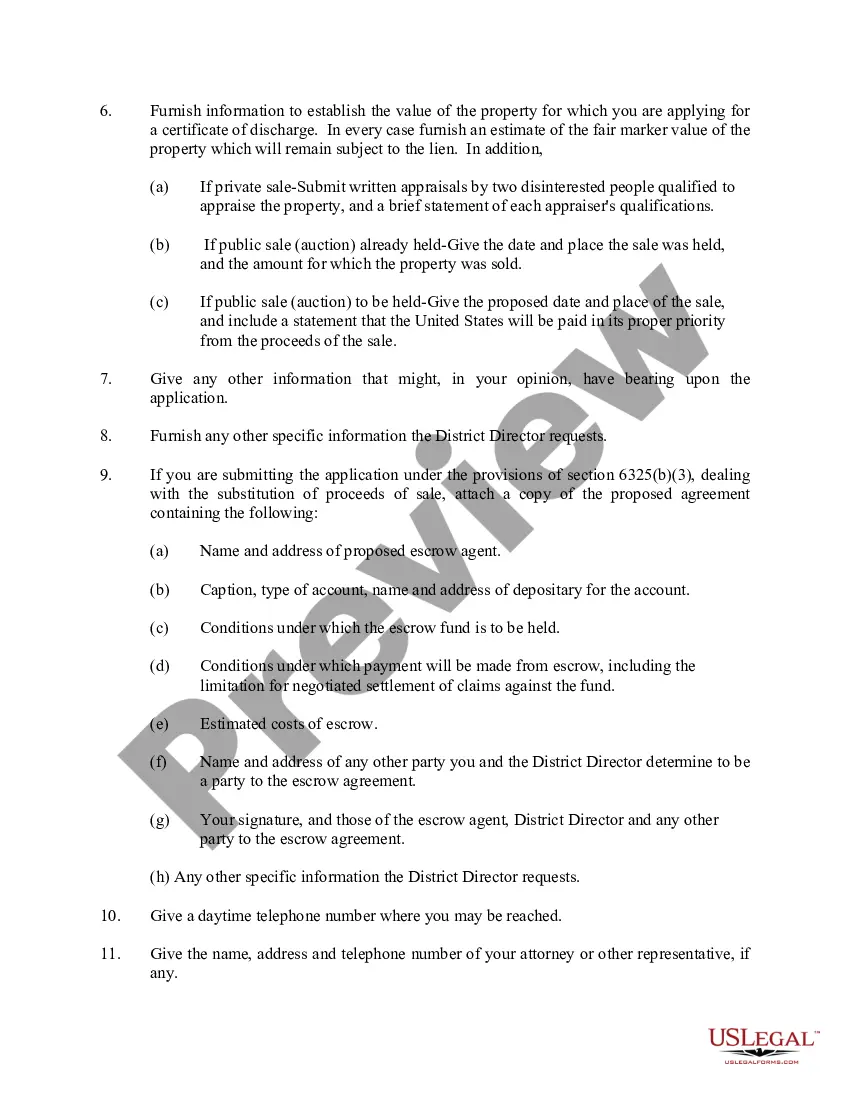
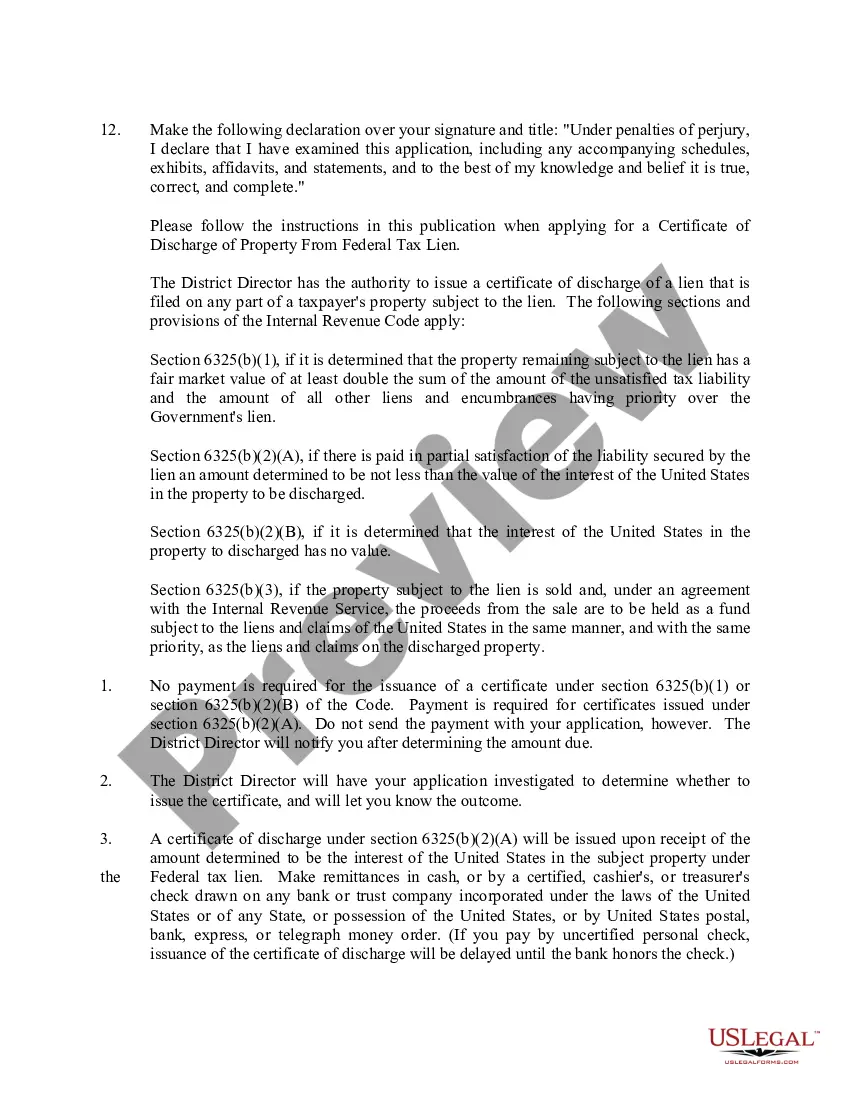
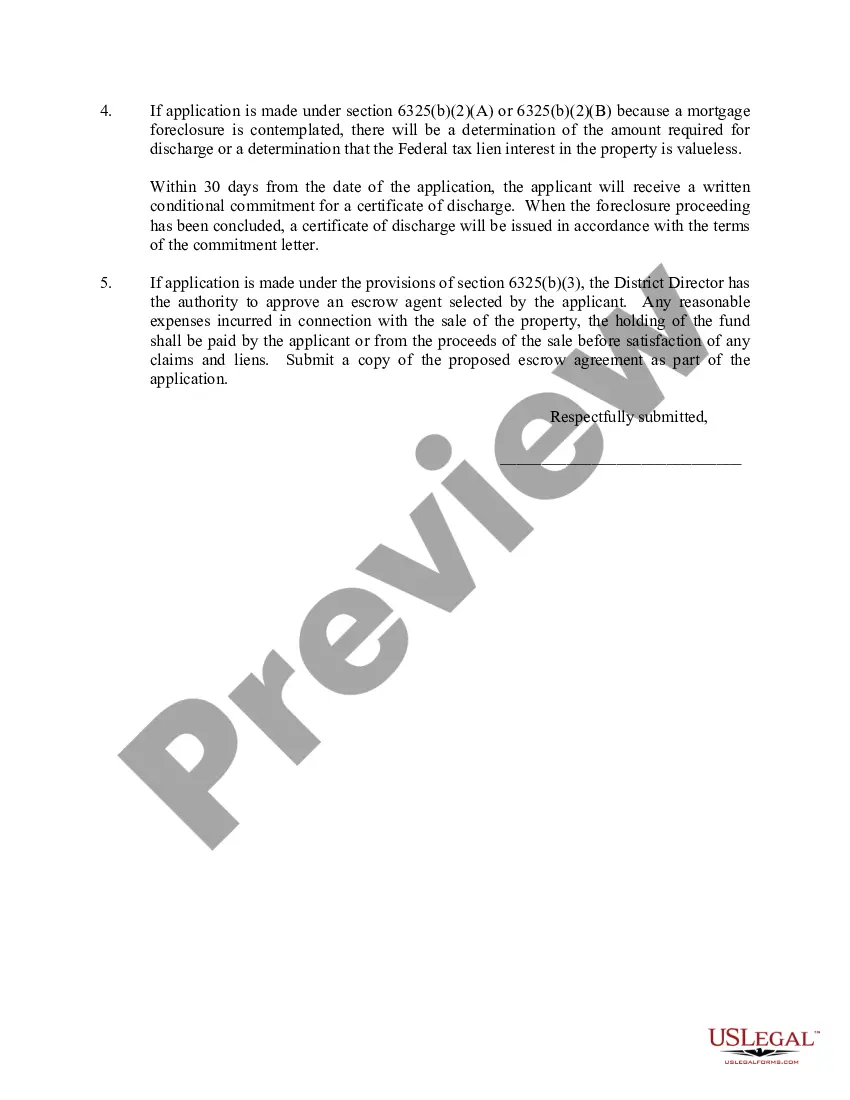
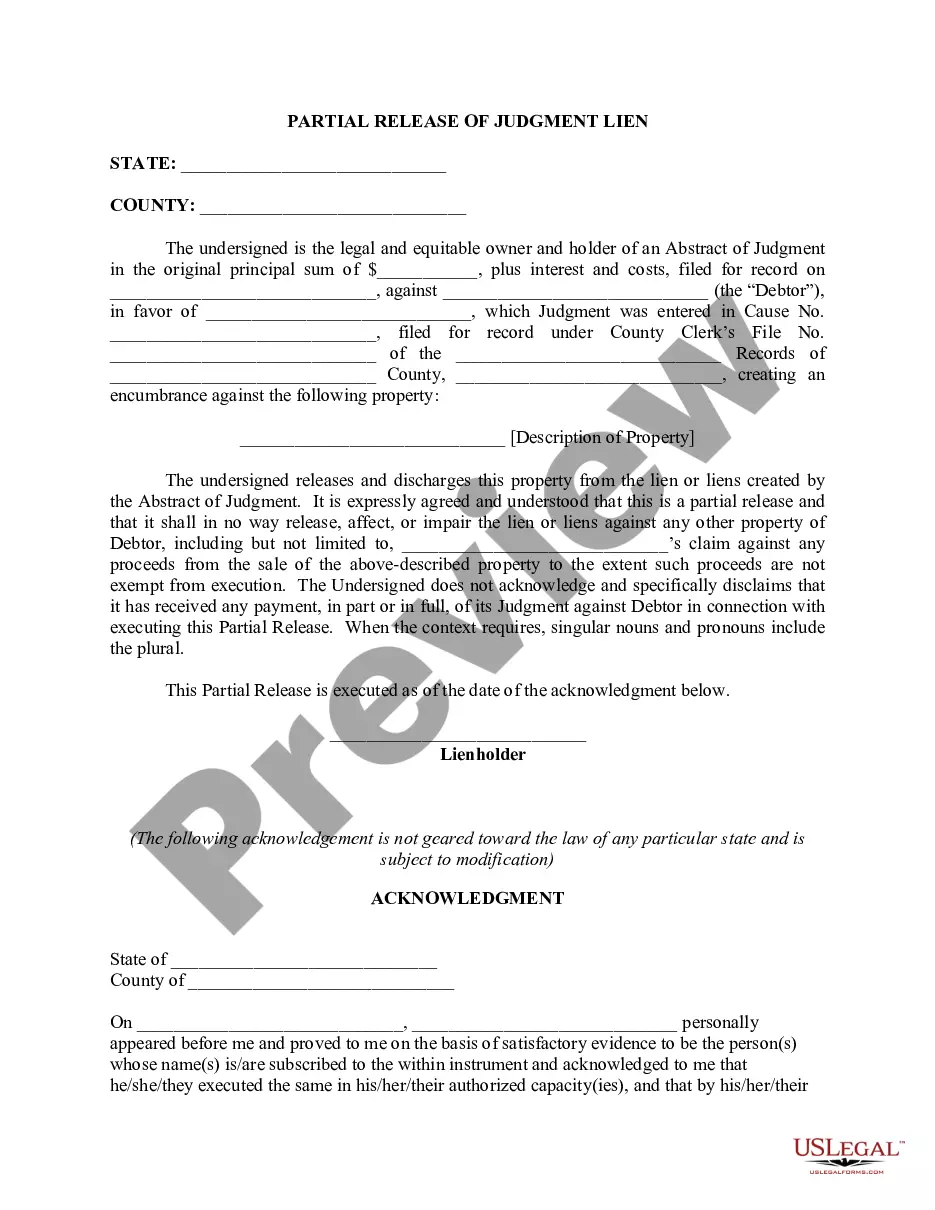
The removal of a lien on a motor vehicle or real property after the claim has been satisfied is referred to as a “discharge of lien”.
Complete a new Form W-4, Employee's Withholding Allowance Certificate, and submit it to your employer. Complete a new Form W-4P, Withholding Certificate for Pension or Annuity Payments, and submit it to your payer. Make an additional or estimated tax payment to the IRS before the end of the year.
Federal Withholding Tax and Tax Treaties In most cases, a foreign national is subject to federal withholding tax on U.S. source income at a standard flat rate of 30%. A reduced rate, including exemption, may apply if there is a tax treaty between the foreign national's country of residence and the United States.
To claim exempt, write EXEMPT under line 4c. You may claim EXEMPT from withholding if: o Last year you had a right to a full refund of All federal tax income and o This year you expect a full refund of ALL federal income tax. NOTE: if you claim EXEMPT you must complete a new W-4 annually in February.
The IRS has filed a Notice of Federal Tax Lien (NFTL) for unpaid taxes and the balance has been satisfied or the time the IRS can collect has ended. The tax can be satisfied by full payment, completion of an Offer in Compromise, or the IRS has accepted a bond in exchange for the release.