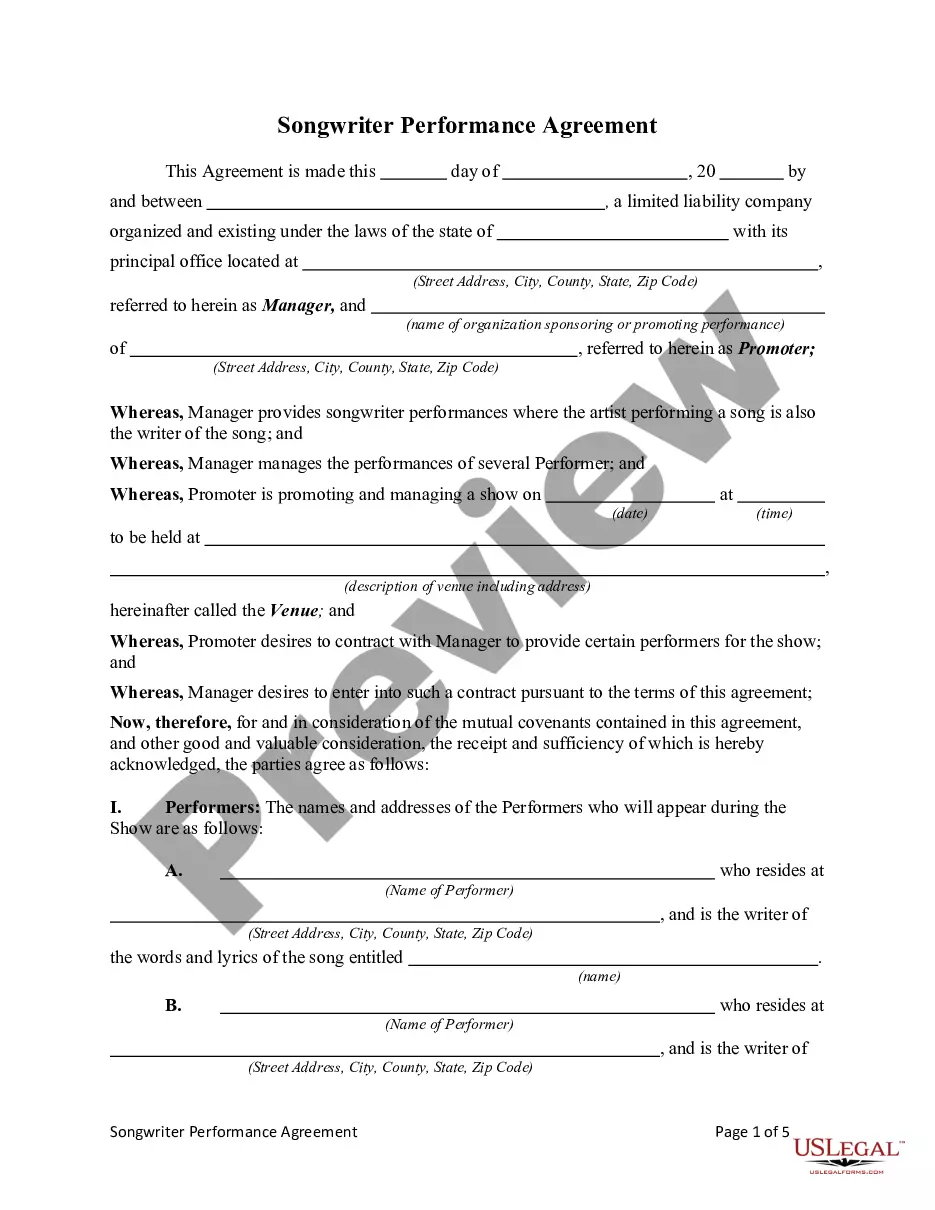
Submission Agreement Sample With Whereas Clauses In Suffolk
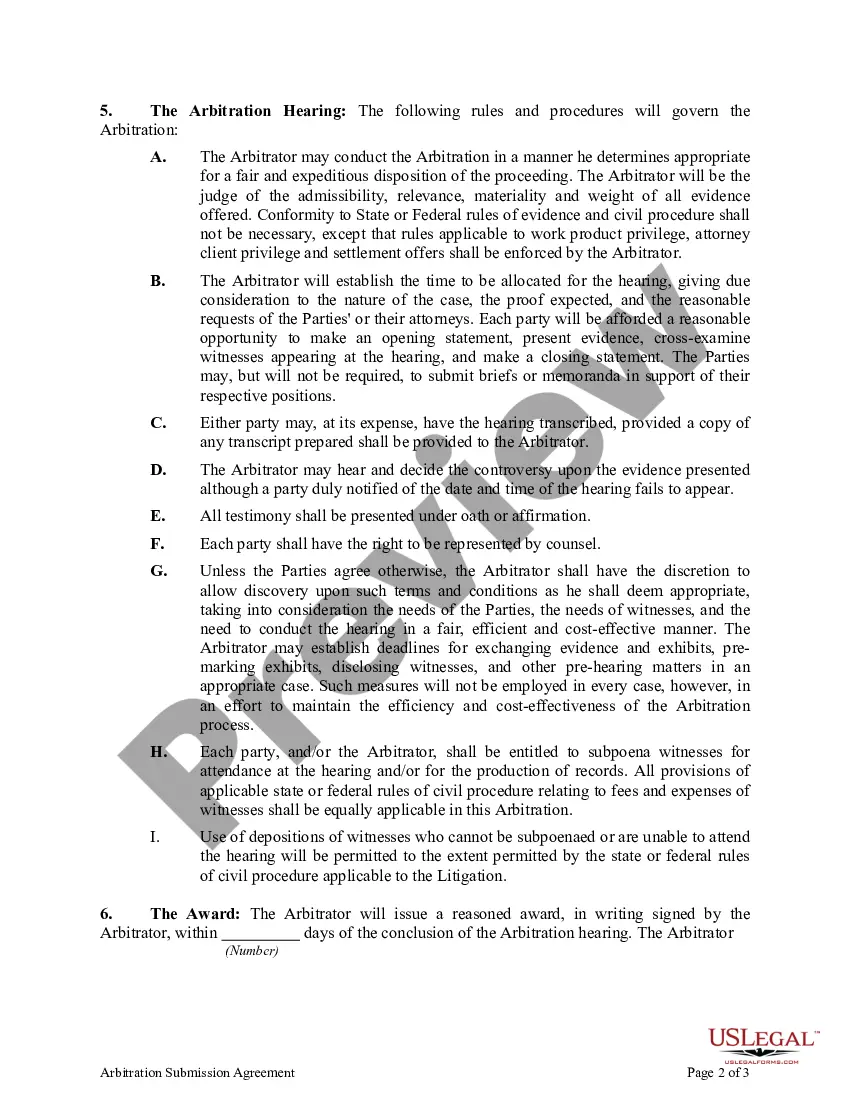
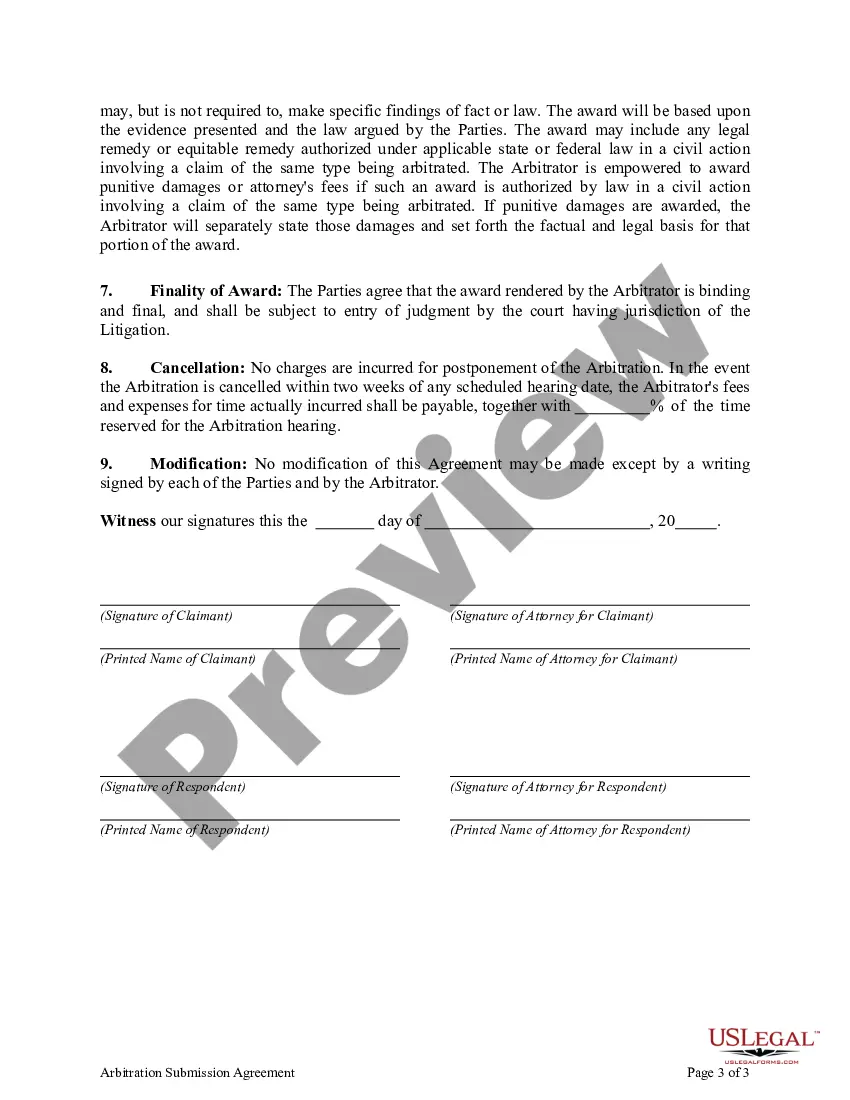
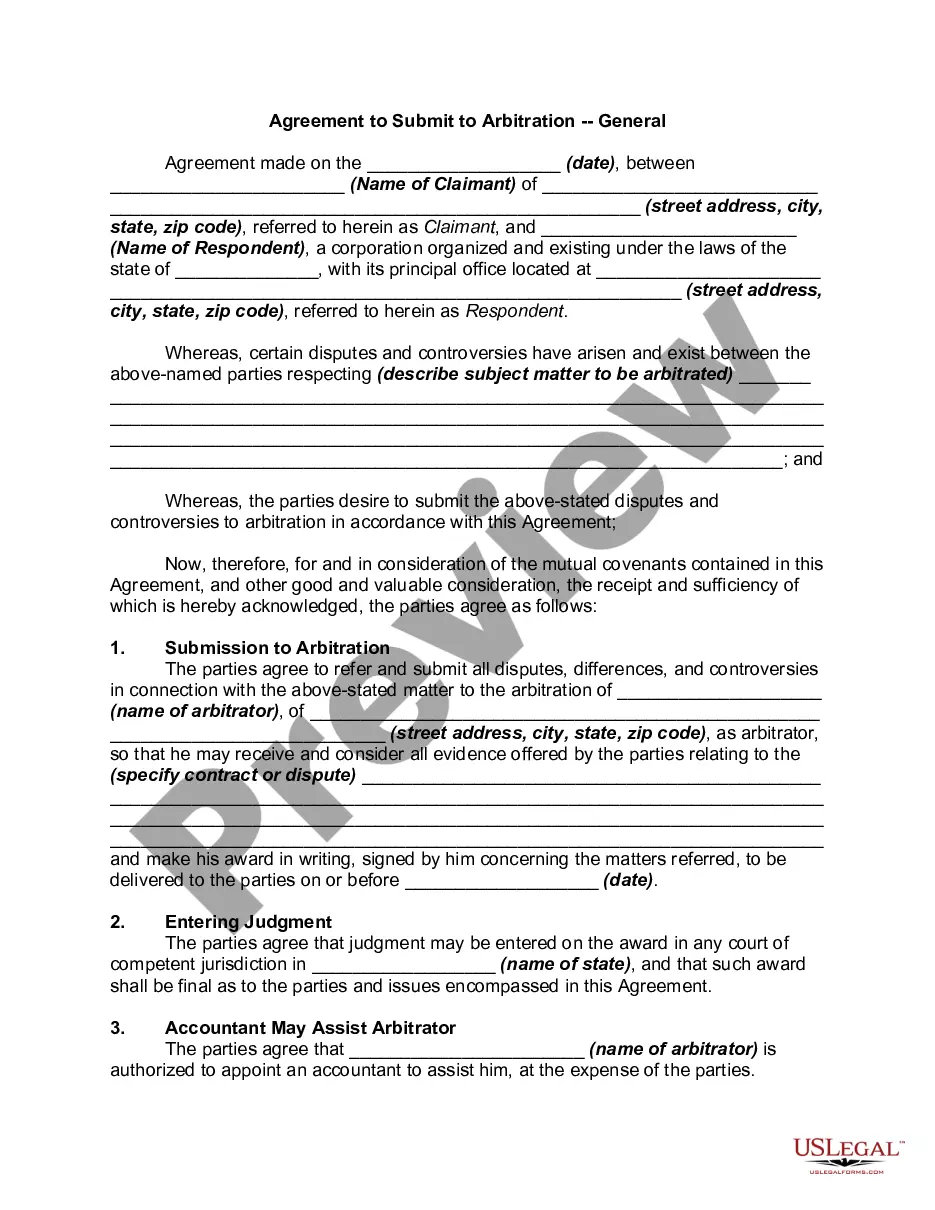
Description



Get your form ready online
Our built-in tools help you complete, sign, share, and store your documents in one place.
Make edits, fill in missing information, and update formatting in US Legal Forms—just like you would in MS Word.
Download a copy, print it, send it by email, or mail it via USPS—whatever works best for your next step.
Sign and collect signatures with our SignNow integration. Send to multiple recipients, set reminders, and more. Go Premium to unlock E-Sign.
If this form requires notarization, complete it online through a secure video call—no need to meet a notary in person or wait for an appointment.
We protect your documents and personal data by following strict security and privacy standards.

Make edits, fill in missing information, and update formatting in US Legal Forms—just like you would in MS Word.

Download a copy, print it, send it by email, or mail it via USPS—whatever works best for your next step.

Sign and collect signatures with our SignNow integration. Send to multiple recipients, set reminders, and more. Go Premium to unlock E-Sign.

If this form requires notarization, complete it online through a secure video call—no need to meet a notary in person or wait for an appointment.

We protect your documents and personal data by following strict security and privacy standards.
Looking for another form?








Form popularity
FAQ
“Whereas” clauses should be used to explain why the resolution is necessary, and should also provide some background on the issue that the resolution takes a stand on.
A submission agreement will contain details of the dispute and the issues between the parties, and record that it is being referred to arbitration. It will then contain the same essential details as an arbitration clause, such as the legal seat and number of arbitrators.
The preamble of a contract is the introductory paragraph that identifies the parties to the agreement. It is typically followed by paragraphs known as recitals (also called the background section). Sometimes, these recital paragraphs are labeled “Whereas”.
Rule 1.110(303.3) 'Whereas' clause of contract is prefatory, not binding.
The contract might start with a Whereas clause like this: 'Whereas, the parties wish to collaborate in the development of new technology...'. This Whereas clause is setting out the purpose of the contract: to set up a partnership for developing technology.
A whereas clause is a statement that is used in legal documents, such as contracts or agreements, to provide background information or context for the document. It typically begins with the word "whereas" and is followed by a description of the situation or circumstances that led to the creation of the document.
Almost invariably, the body text of an agreement is subdivided into articles, sections, subsections and other enumerated clauses. In large agreements, the articles are sometimes grouped in chapters.
1 Use plain language. 2 Define key terms. 3 Structure your clauses logically. 4 Be specific and precise. 5 Use examples and scenarios. 6 Review and revise your clauses. 7 Here's what else to consider.
As used in a "WHEREAS" clause, the term "whereas" simply means "considering that" or "that being the case." There is no legal effect to the word "whereas." It, like many other words used in standard contract boilerplate, is left over from some long-forgotten era of legal writing when lawyers used big words and legalese ...
