Submit Submission Difference In Kings
Description

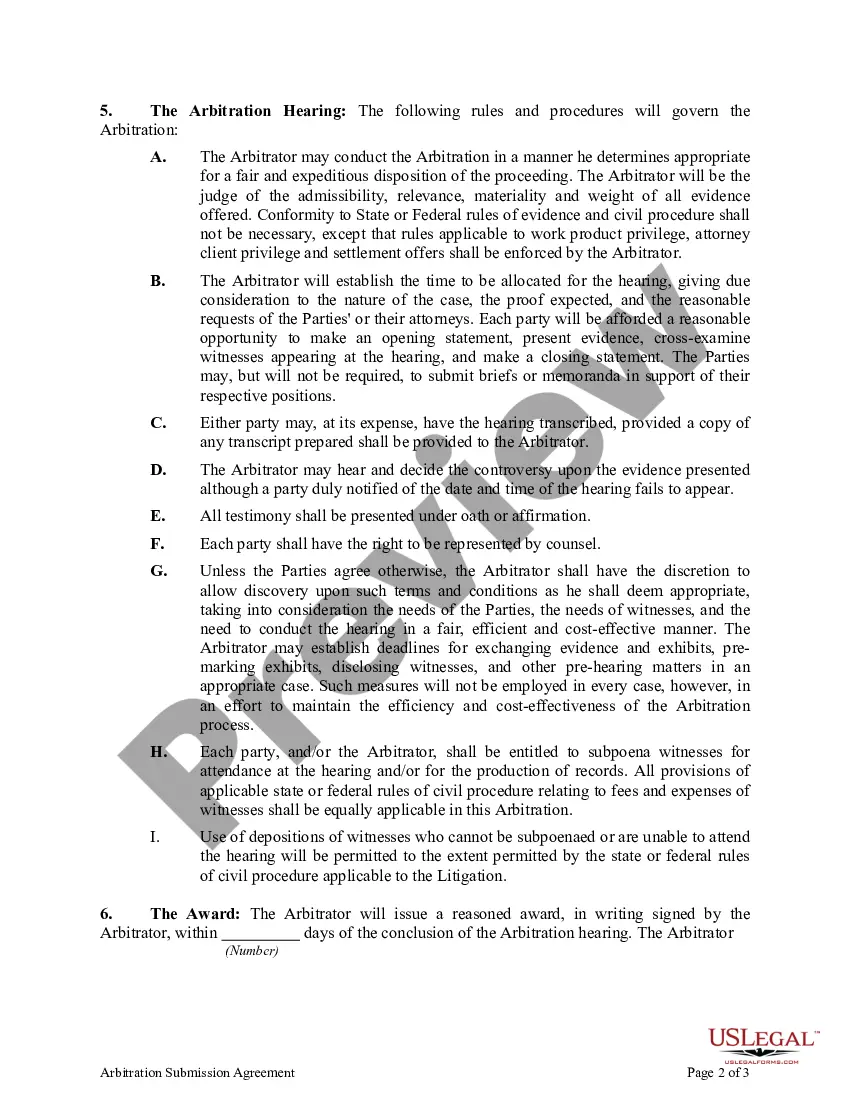
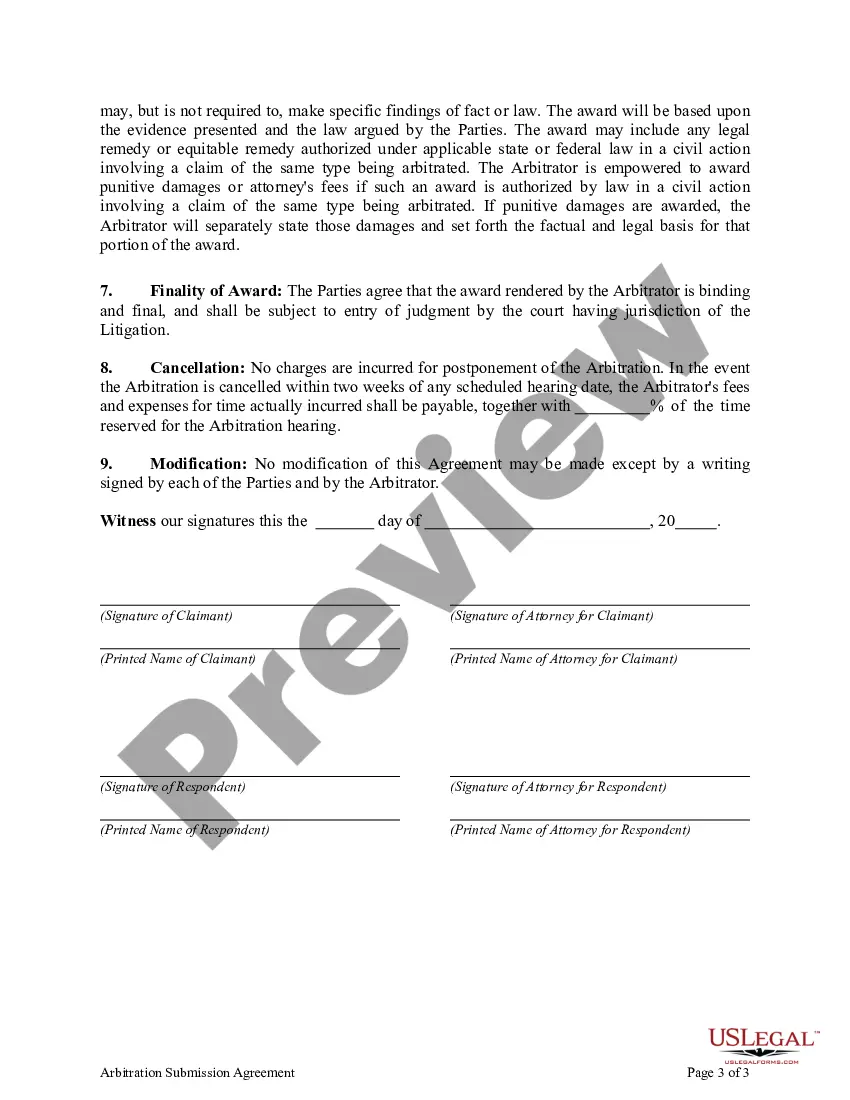

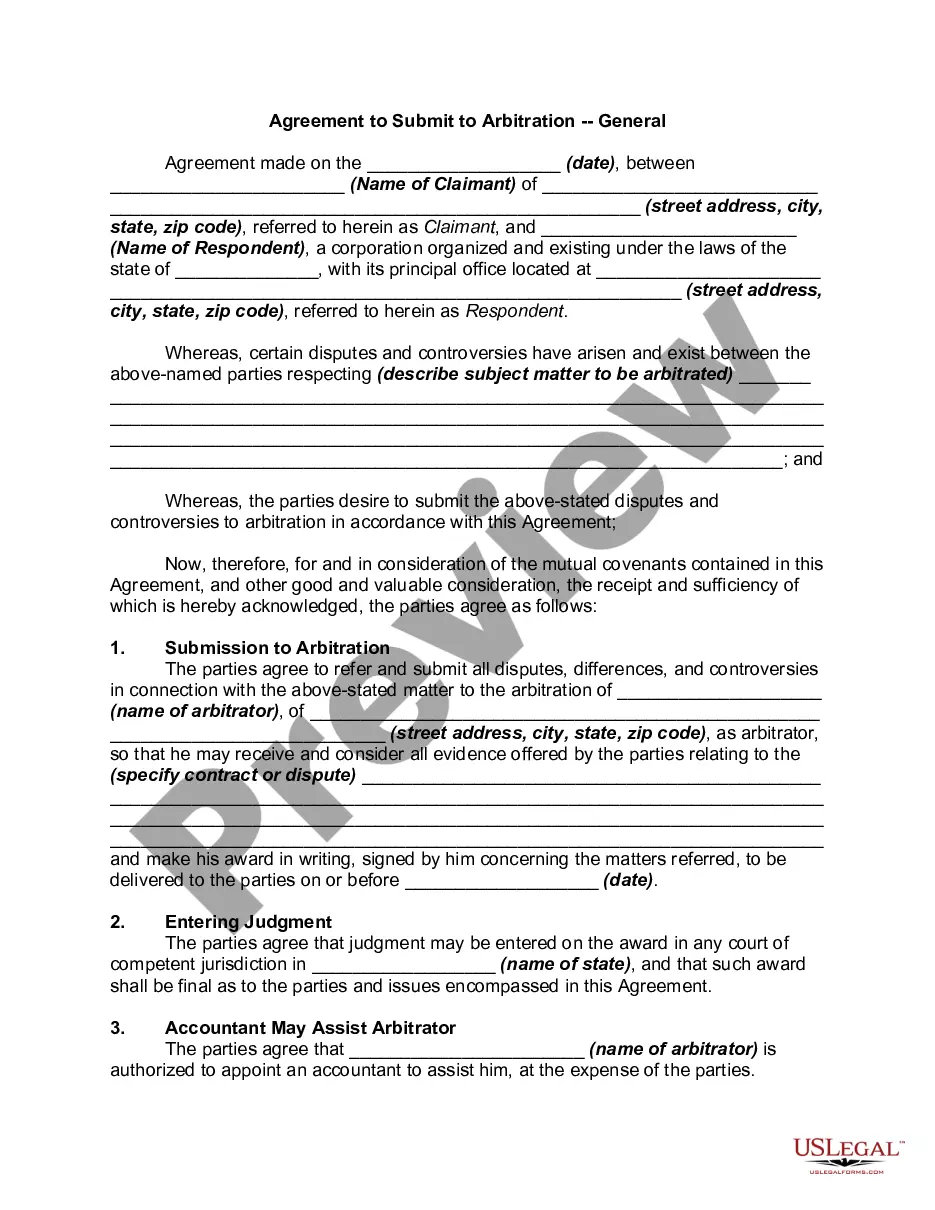

Get your form ready online
Our built-in tools help you complete, sign, share, and store your documents in one place.
Make edits, fill in missing information, and update formatting in US Legal Forms—just like you would in MS Word.
Download a copy, print it, send it by email, or mail it via USPS—whatever works best for your next step.
Sign and collect signatures with our SignNow integration. Send to multiple recipients, set reminders, and more. Go Premium to unlock E-Sign.
If this form requires notarization, complete it online through a secure video call—no need to meet a notary in person or wait for an appointment.
We protect your documents and personal data by following strict security and privacy standards.

Make edits, fill in missing information, and update formatting in US Legal Forms—just like you would in MS Word.

Download a copy, print it, send it by email, or mail it via USPS—whatever works best for your next step.

Sign and collect signatures with our SignNow integration. Send to multiple recipients, set reminders, and more. Go Premium to unlock E-Sign.

If this form requires notarization, complete it online through a secure video call—no need to meet a notary in person or wait for an appointment.

We protect your documents and personal data by following strict security and privacy standards.
Looking for another form?





Form popularity
FAQ
Biblical Submission Summary Biblical submission in marriage is a wife making a choice not to overtly resist her husband's will. That is not to say she cannot disagree with him or that she cannot express her opinion. Indeed, a wife who practices submission is by definition a woman with the strength of character.
Biblical Verses on Submission: James (ESV): "Submit yourselves therefore to God. Ephesians (ESV): "Wives, submit to your own husbands, as to the Lord." This verse highlights submission in the context of marriage.
The actual word “submission” is not used in Scripture, but the word “submit” is used twelve times. Both submission and obedience are important, for the words are not only used of mankind, but also are applied to our blessed Lord.
Let's look at four dimensions of submission: divine, family, church and civil, as they are presented in the Bible. ing to James , we are to “submit to God” (as children, since He is our Father). This seems reasonable enough, since He is the ultimate authority.
Unlike surrender, which may involve yielding to circumstances beyond our control, submission is an action we can take in the face of our everyday choices. It requires the humility to listen, the bravery to obey, and an unwavering dedication to the biblical principles we value.
Obedience may be rendered willingly or unwillingly. Submission, on the other hand, while embodying much of what is true of obedience, is rather an attitude, for it involves (at least in Scripture) a spirit of readiness to follow the will of another. It is more passive, involving acquiescence in what another wishes.
Submission, a fundamental biblical concept, signifies a voluntary act of surrendering one's will, desires, and authority to a higher power or authority, often in the context of God's authority or human relationships.
Submission in the Bible Genesis . 16 To the woman he said, “I will make your pains in childbearing very severe; with painful labor you will give birth to children. Hebrews . 8 Son though he was, he learned obedience from what he suffered. Hebrews . James . Jeremiah . Job . Luke . Matthew .
Unlike surrender, which may involve yielding to circumstances beyond our control, submission is an action we can take in the face of our everyday choices. It requires the humility to listen, the bravery to obey, and an unwavering dedication to the biblical principles we value.
What is Rebellion? Rebellion is disobedience to God and is likened to the spirit of divination. This is an important parallel because divination is what pagan cultures practice in hopes to communicate with spirits in search for answers. God warned Israel that those practices are forbidden since He is their source.
