Principle For Legal In Texas
Description
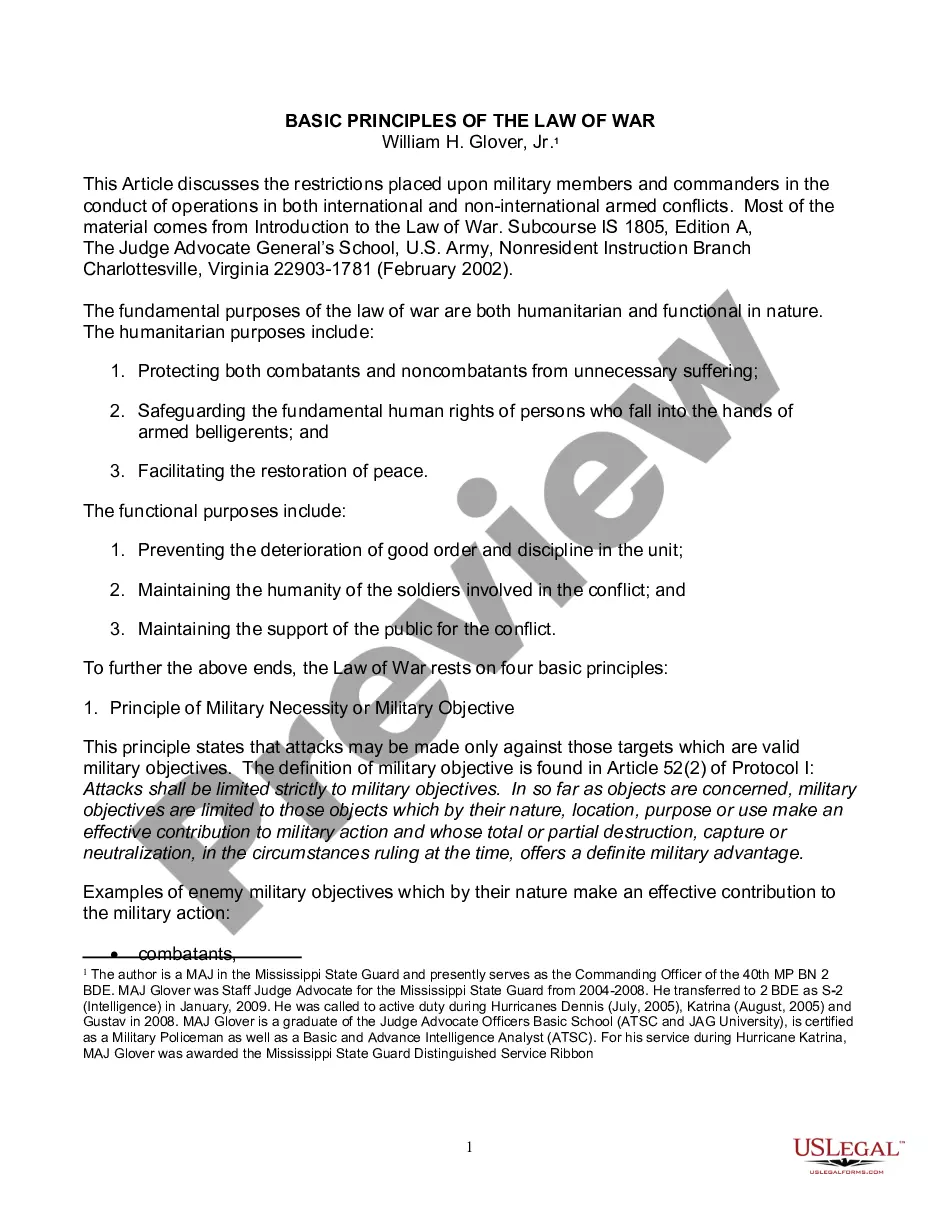
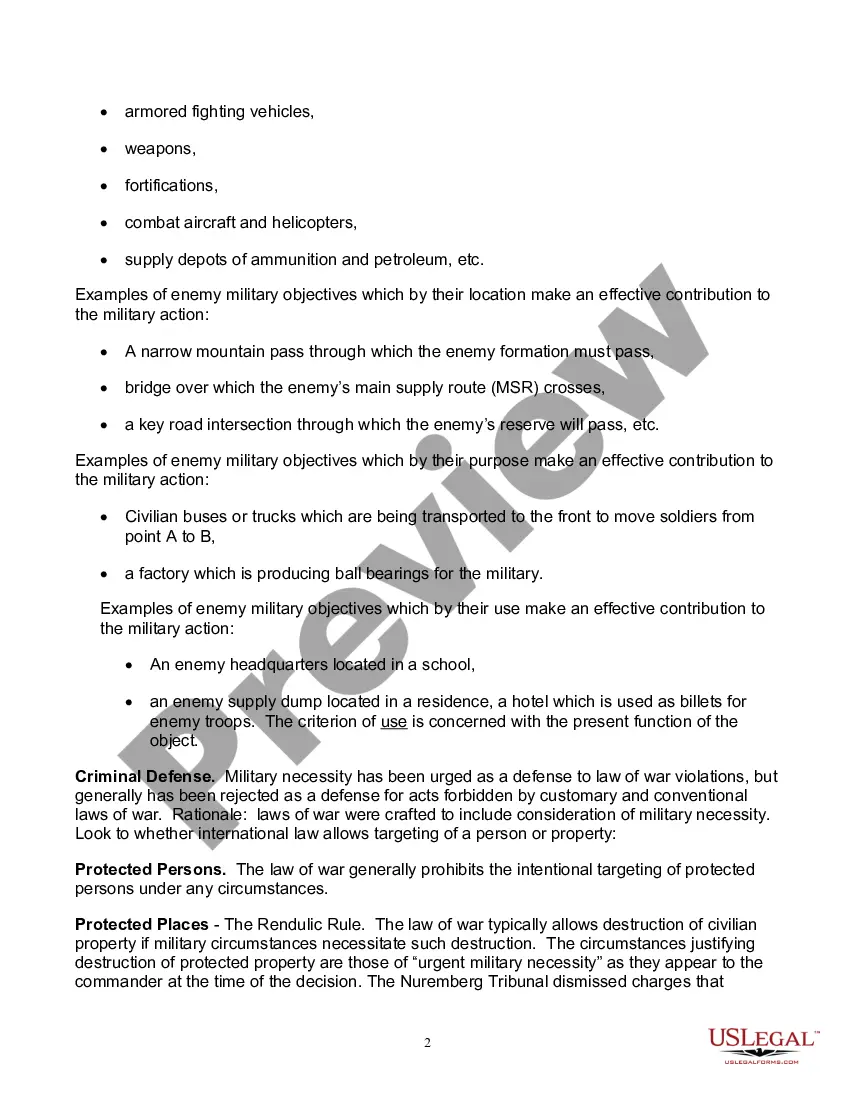
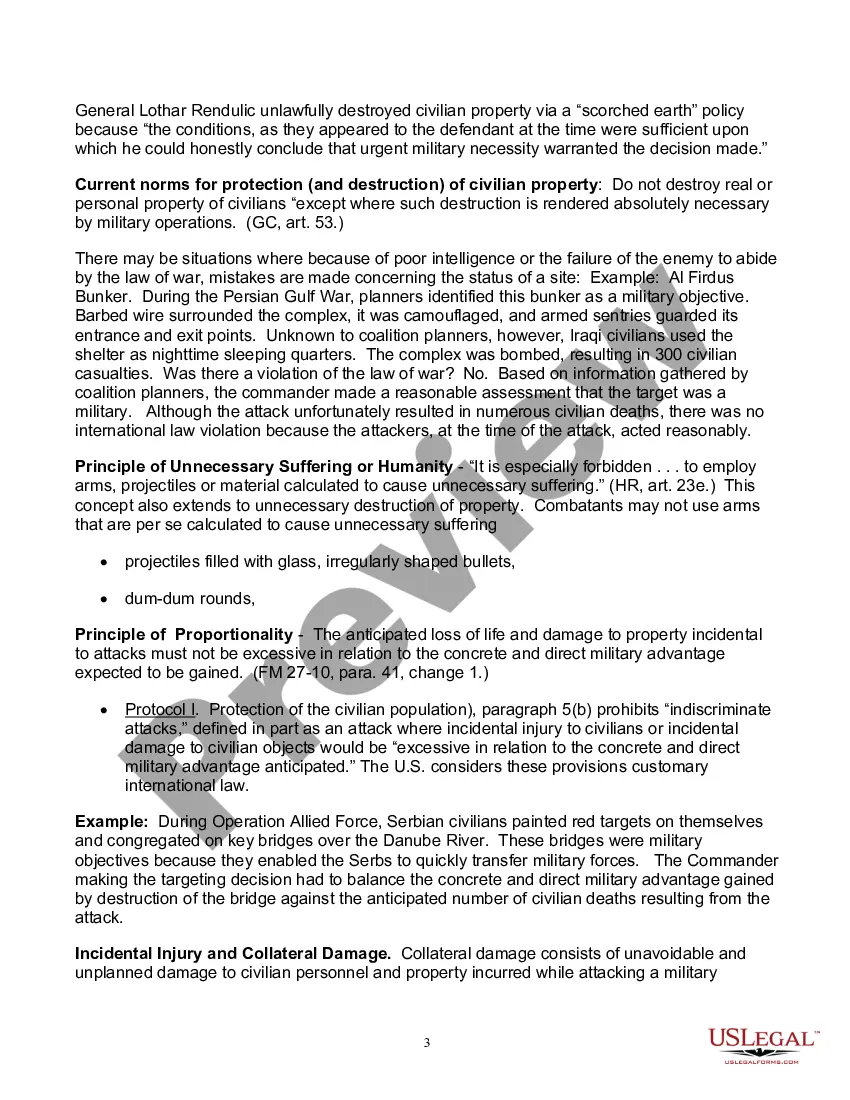
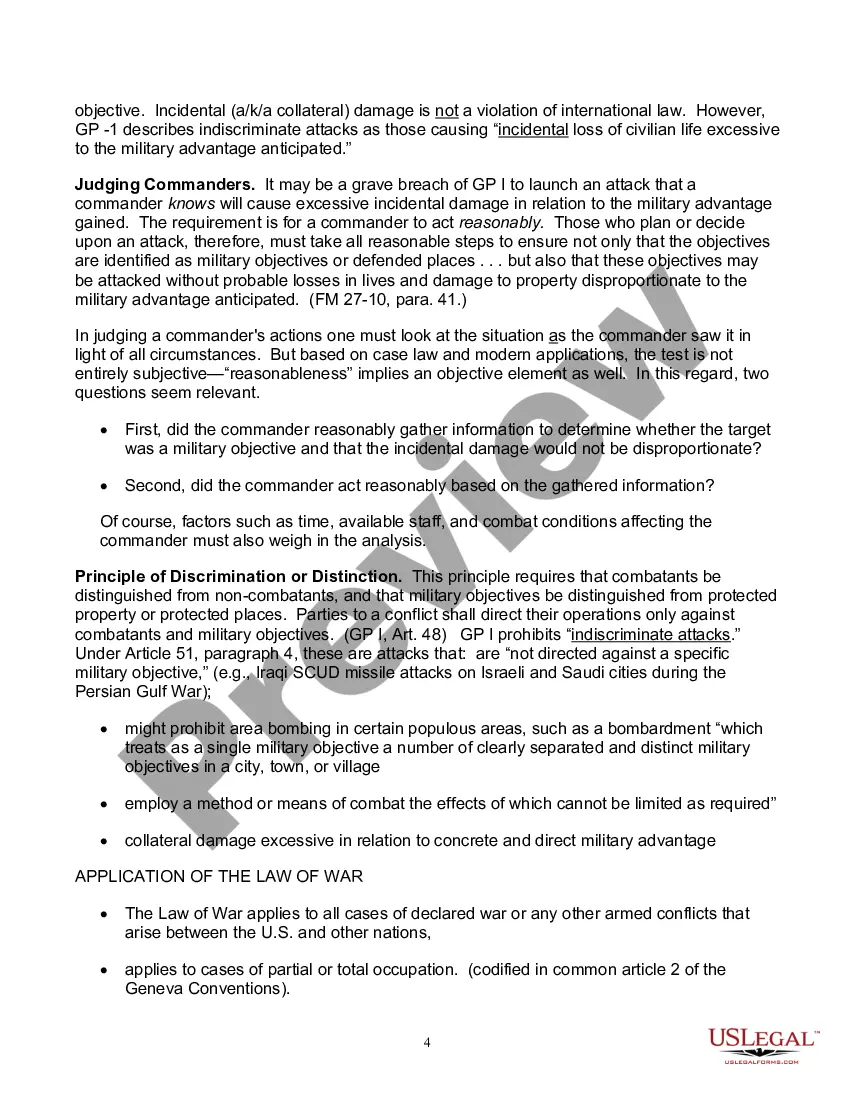
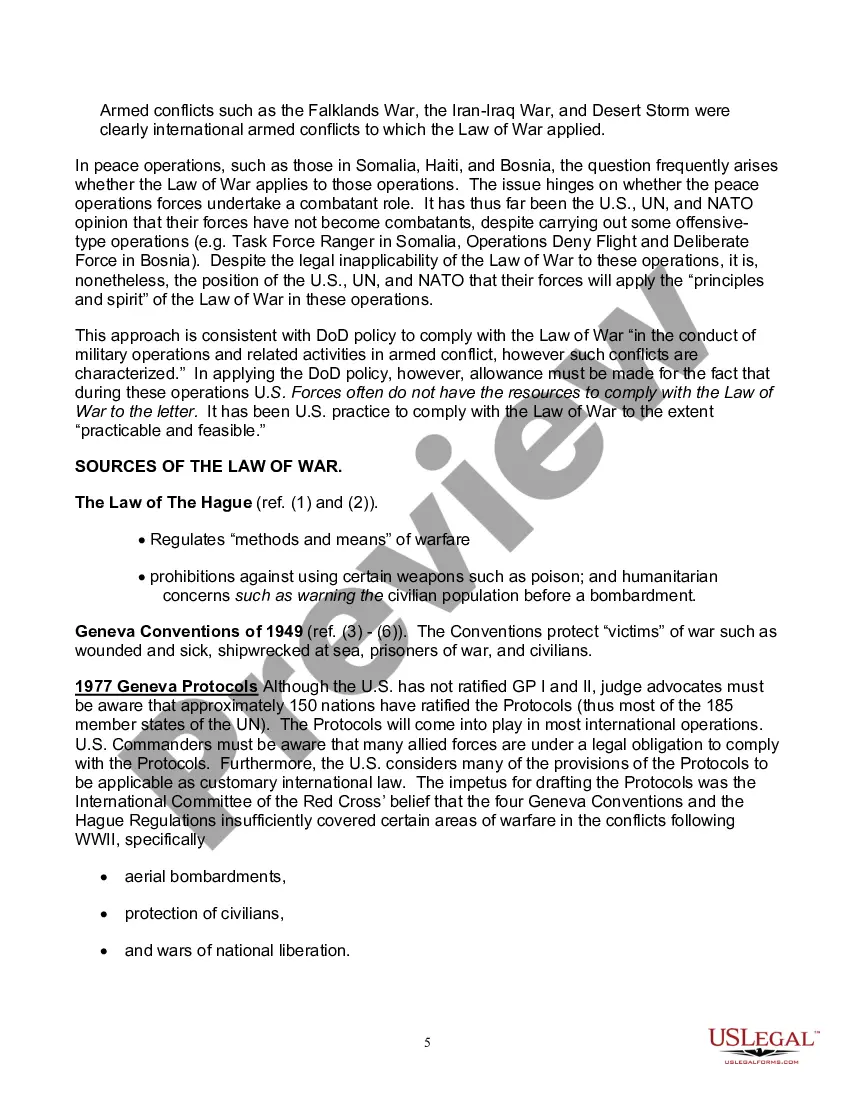
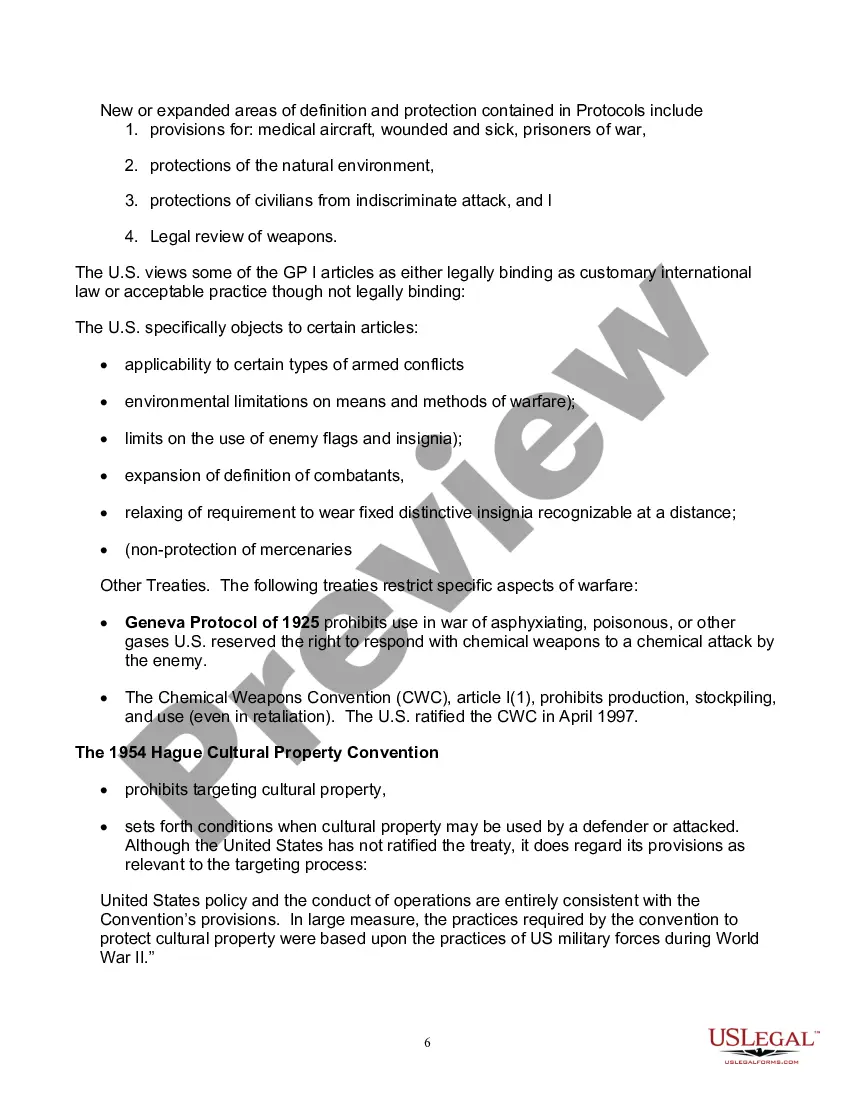
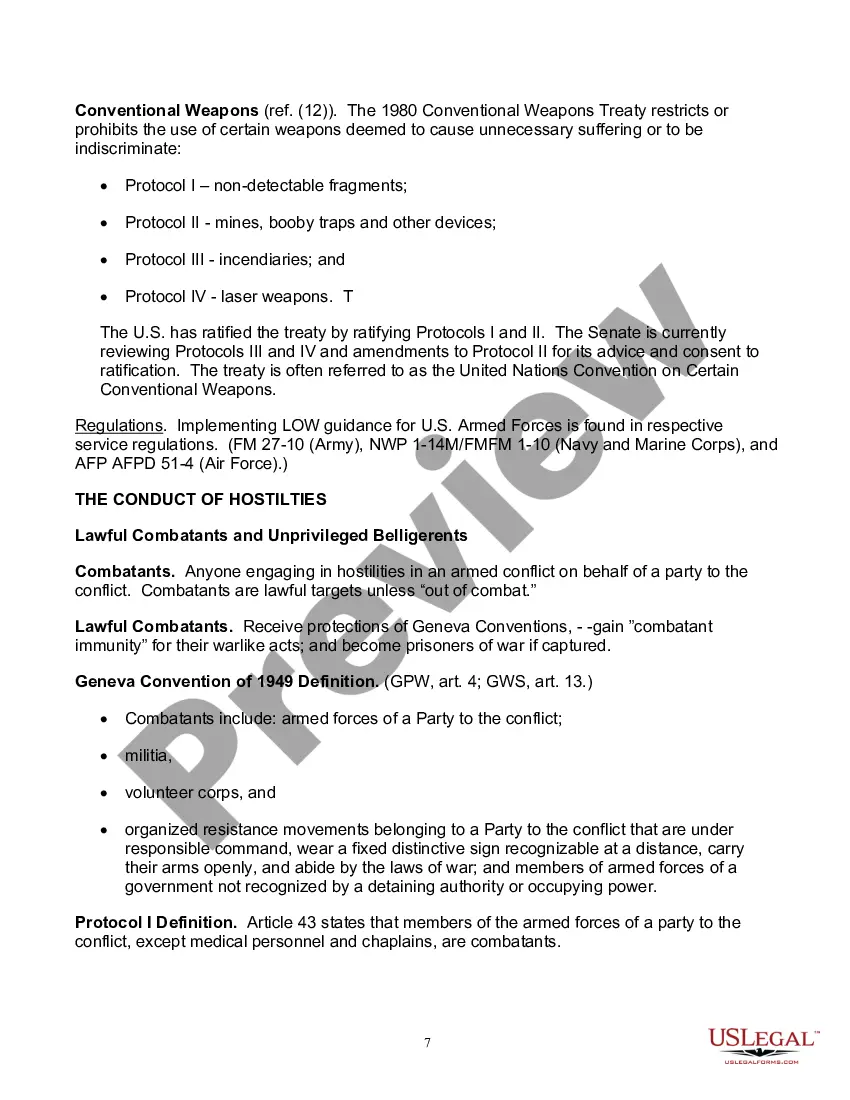
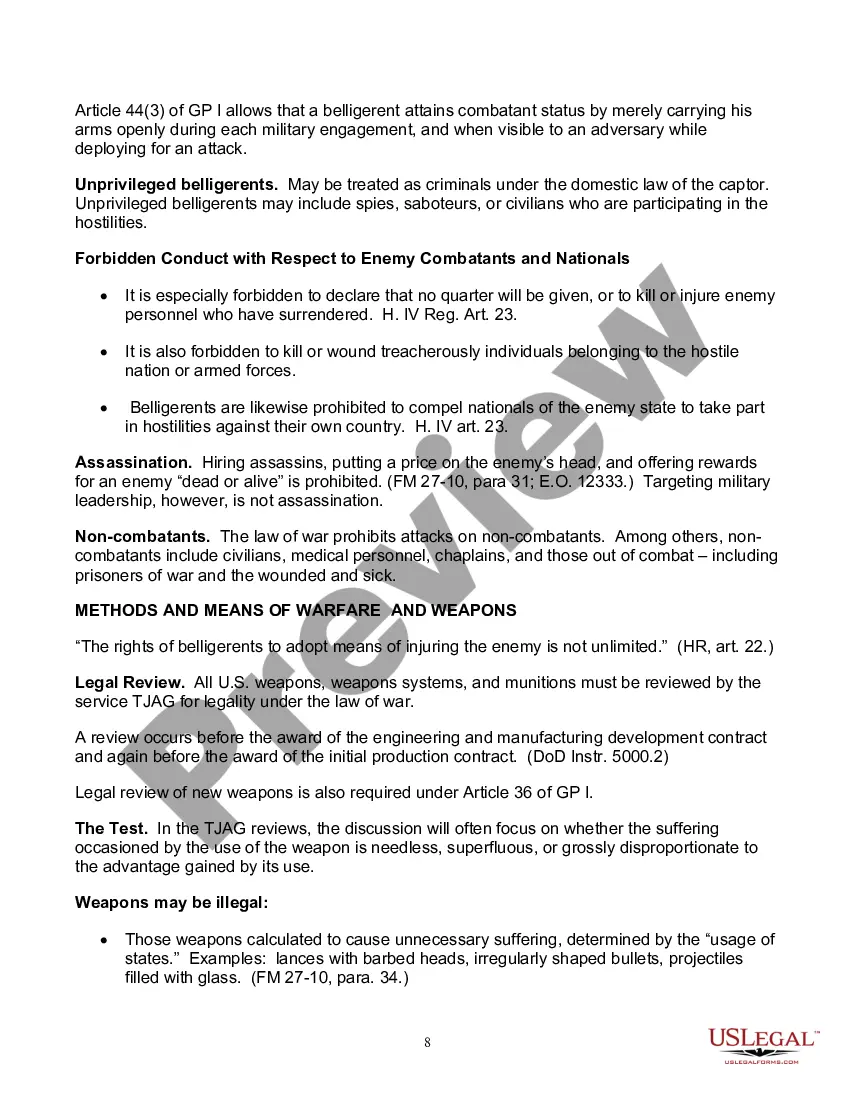


Get your form ready online
Our built-in tools help you complete, sign, share, and store your documents in one place.
Make edits, fill in missing information, and update formatting in US Legal Forms—just like you would in MS Word.
Download a copy, print it, send it by email, or mail it via USPS—whatever works best for your next step.
Sign and collect signatures with our SignNow integration. Send to multiple recipients, set reminders, and more. Go Premium to unlock E-Sign.
If this form requires notarization, complete it online through a secure video call—no need to meet a notary in person or wait for an appointment.
We protect your documents and personal data by following strict security and privacy standards.

Make edits, fill in missing information, and update formatting in US Legal Forms—just like you would in MS Word.

Download a copy, print it, send it by email, or mail it via USPS—whatever works best for your next step.

Sign and collect signatures with our SignNow integration. Send to multiple recipients, set reminders, and more. Go Premium to unlock E-Sign.

If this form requires notarization, complete it online through a secure video call—no need to meet a notary in person or wait for an appointment.

We protect your documents and personal data by following strict security and privacy standards.
Looking for another form?










Form popularity
FAQ
Small Claims Cases in Texas The limit to the amount that a person can sue for in small claims cases is $20,000. Justice courts can also settle landlord/tenant disputes such as evictions and repairs.
There is a one- to five-year time restriction for filing a civil lawsuit in Texas, depending on the nature of the claim.
Electronic Filing While pro se litigants certainly have the option of filing a document in person, pro se litigants can also file documents electronically if it is more convenient or if the litigant must meet a deadline to file a document and the clerk's office is already closed.
If you want to file a motion, the process is generally something like this: You write your motion. You file your motion with the court clerk. The court clerk inserts the date and time your motion will be heard by the judge. You “serve” (mail) your motion to the other side.
Conclusion: Going to small claims court may be worth it for $500, but it will determine how you weigh your costs versus benefits. At a minimum, it is worth it to send a demand letter.
Rule 107 - Return of Service (a) The officer or authorized person executing the citation must complete a return of service. The return may, but need not, be endorsed on or attached to the citation.
The rule of law is a durable system of laws, institutions, norms, and community commitment that delivers four universal principles: accountability, just law, open government, and accessible and impartial justice. Accountability The government as well as private actors are accountable under the law.
2010) (“The first-filed rule states that, in determining the proper venue, 'where there are two competing lawsuits, the first suit should have priority. '” (alteration in original) (quoting D.H. Blair & Co. v. Gottdiener, 462 F.
Withdrawal is also permitted if the lawyer's services were misused in the past. The lawyer also may withdraw where the client insists on pursuing a repugnant or imprudent objective or one with which the lawyer has fundamental disagreement.
Rule 1.10 - Imputation of Conflicts of Interest: General (a) While lawyers are associated in a firm, none of them shall knowingly represent a client when any one of them practicing alone would be prohibited from doing so by Rules 1.06 or 1.09, unless: (1) the prohibition is based on a personal interest of the ...
