Principle With Law In Orange
Description
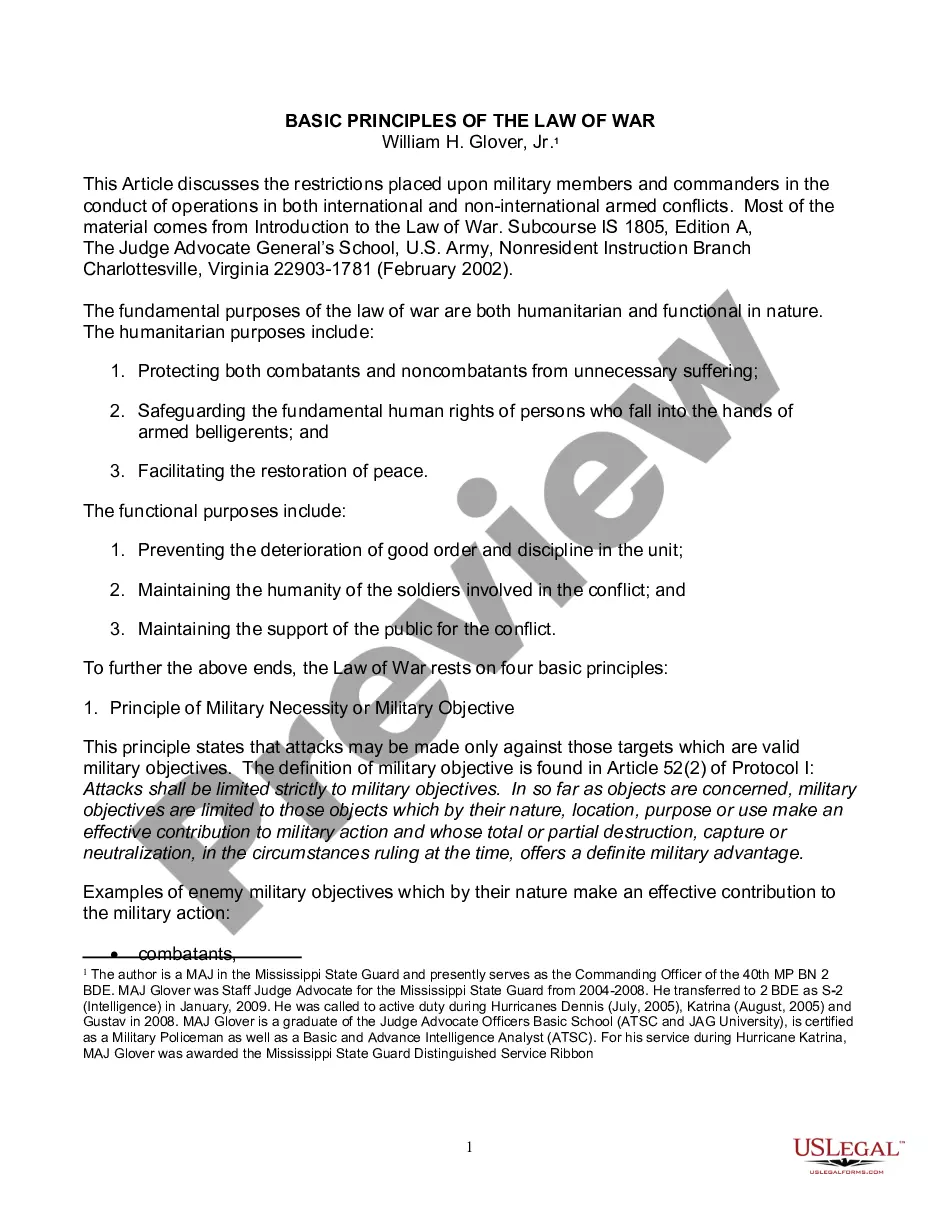
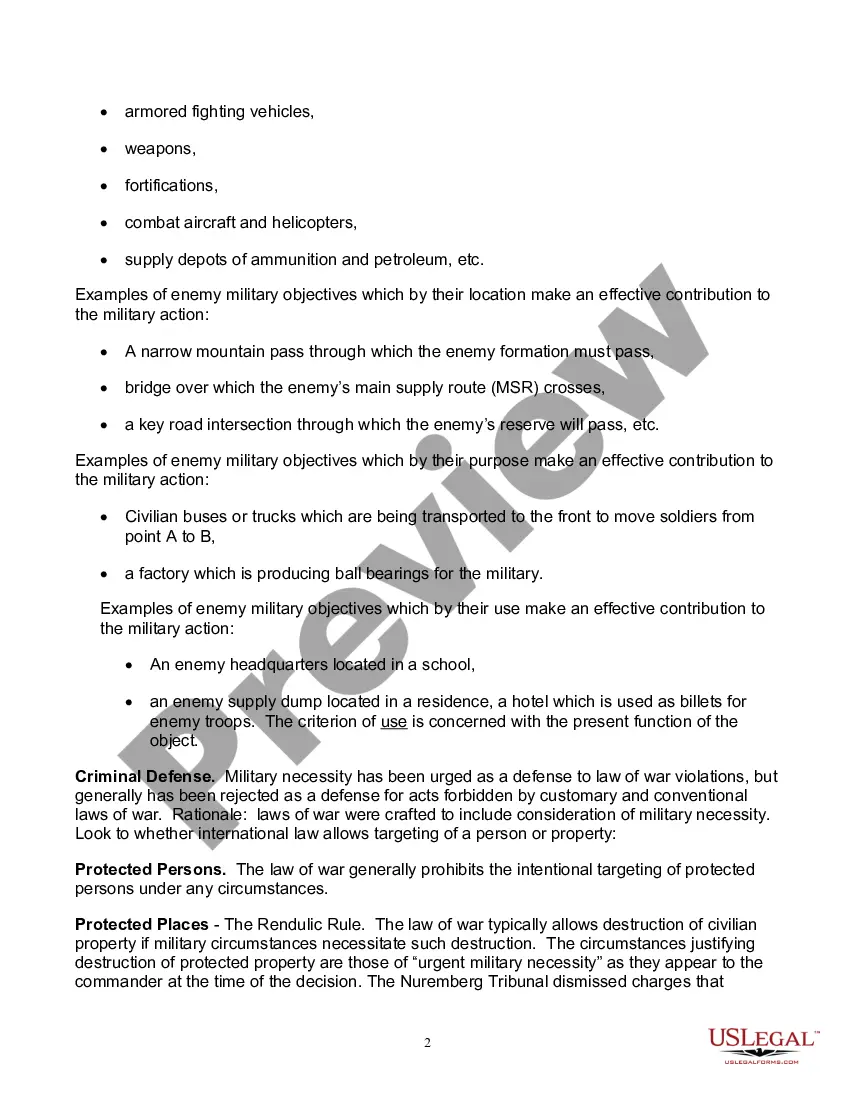
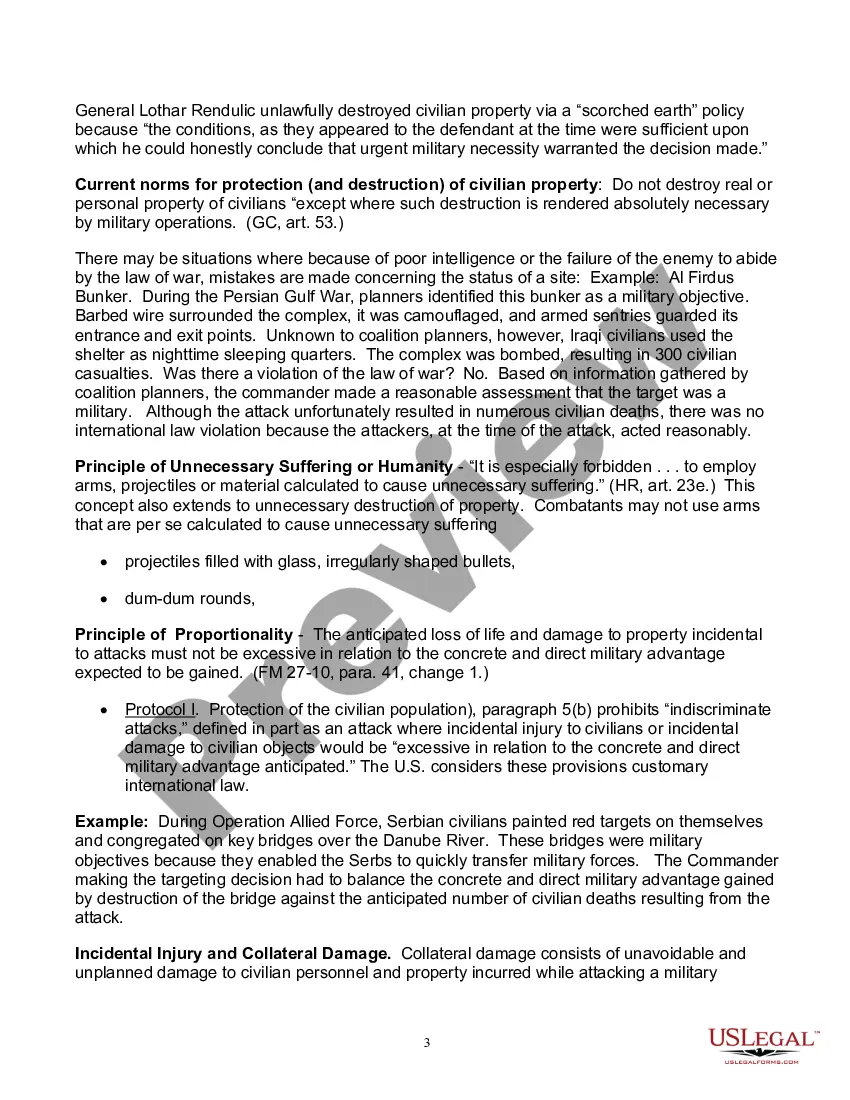
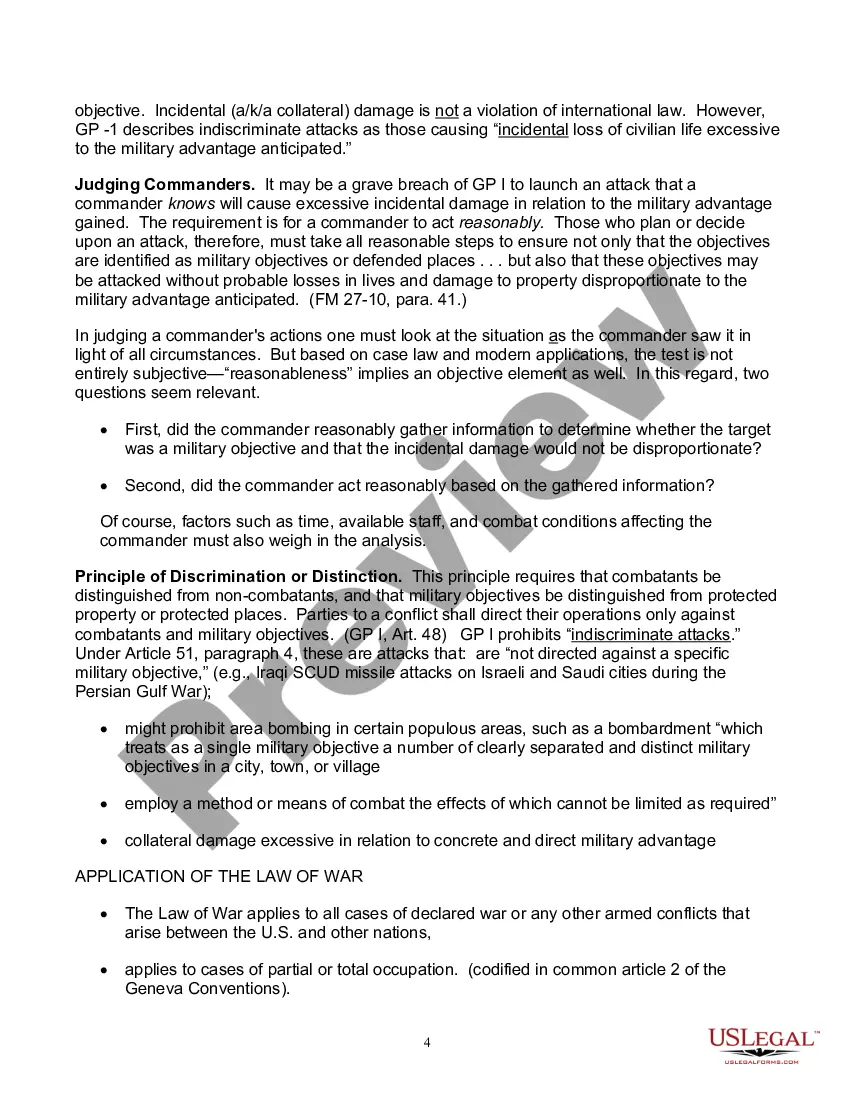


Get your form ready online
Our built-in tools help you complete, sign, share, and store your documents in one place.
Make edits, fill in missing information, and update formatting in US Legal Forms—just like you would in MS Word.
Download a copy, print it, send it by email, or mail it via USPS—whatever works best for your next step.
Sign and collect signatures with our SignNow integration. Send to multiple recipients, set reminders, and more. Go Premium to unlock E-Sign.
If this form requires notarization, complete it online through a secure video call—no need to meet a notary in person or wait for an appointment.
We protect your documents and personal data by following strict security and privacy standards.

Make edits, fill in missing information, and update formatting in US Legal Forms—just like you would in MS Word.

Download a copy, print it, send it by email, or mail it via USPS—whatever works best for your next step.

Sign and collect signatures with our SignNow integration. Send to multiple recipients, set reminders, and more. Go Premium to unlock E-Sign.

If this form requires notarization, complete it online through a secure video call—no need to meet a notary in person or wait for an appointment.

We protect your documents and personal data by following strict security and privacy standards.
Looking for another form?


Form popularity
FAQ
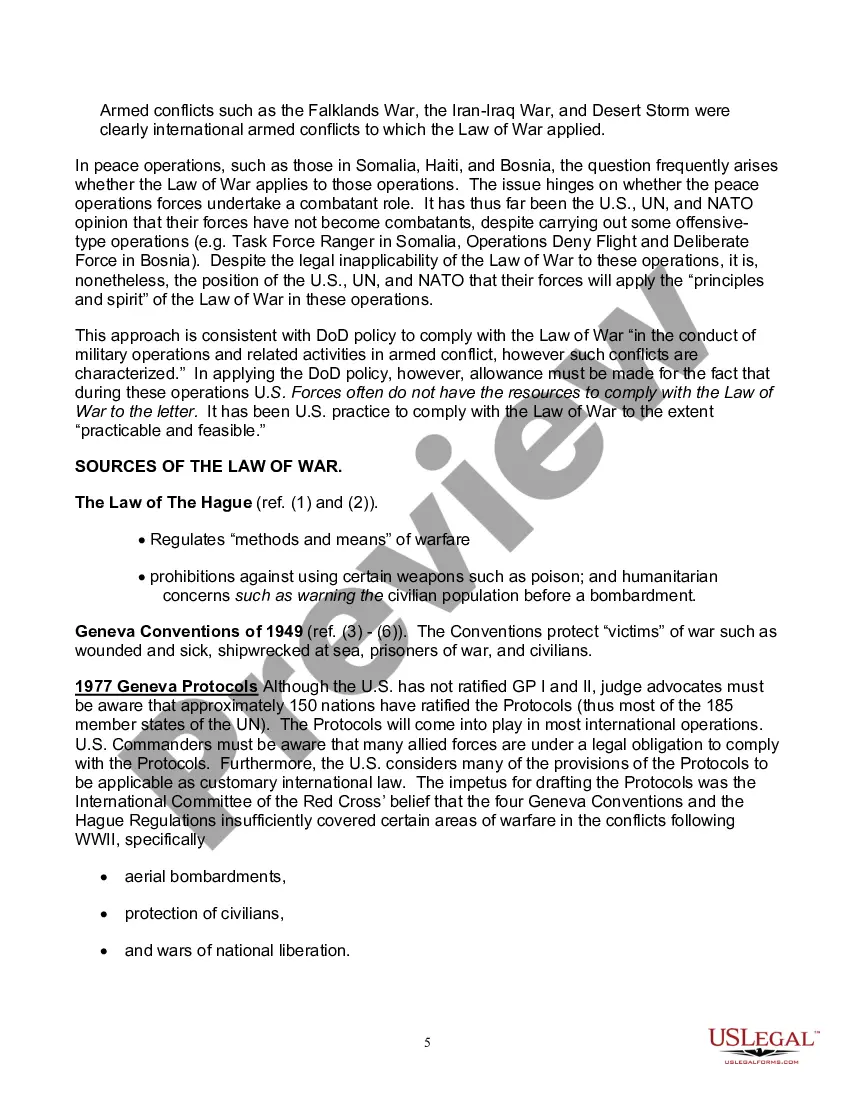
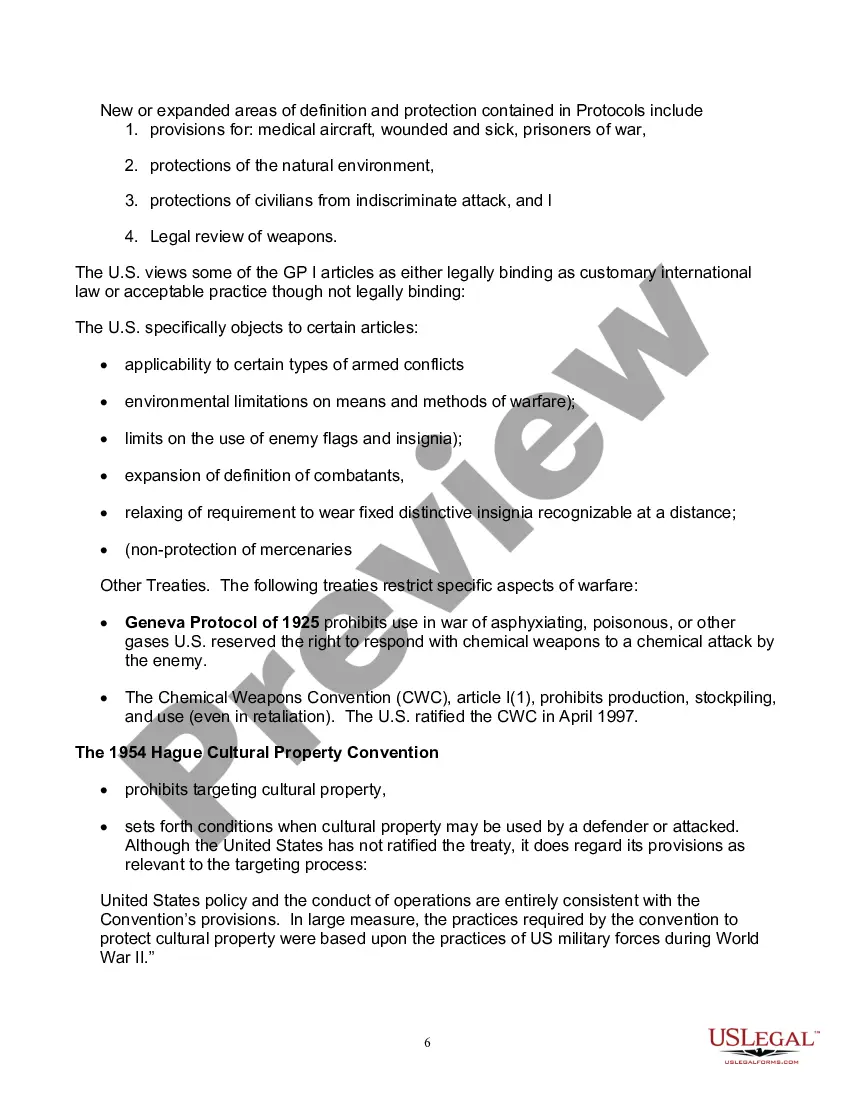
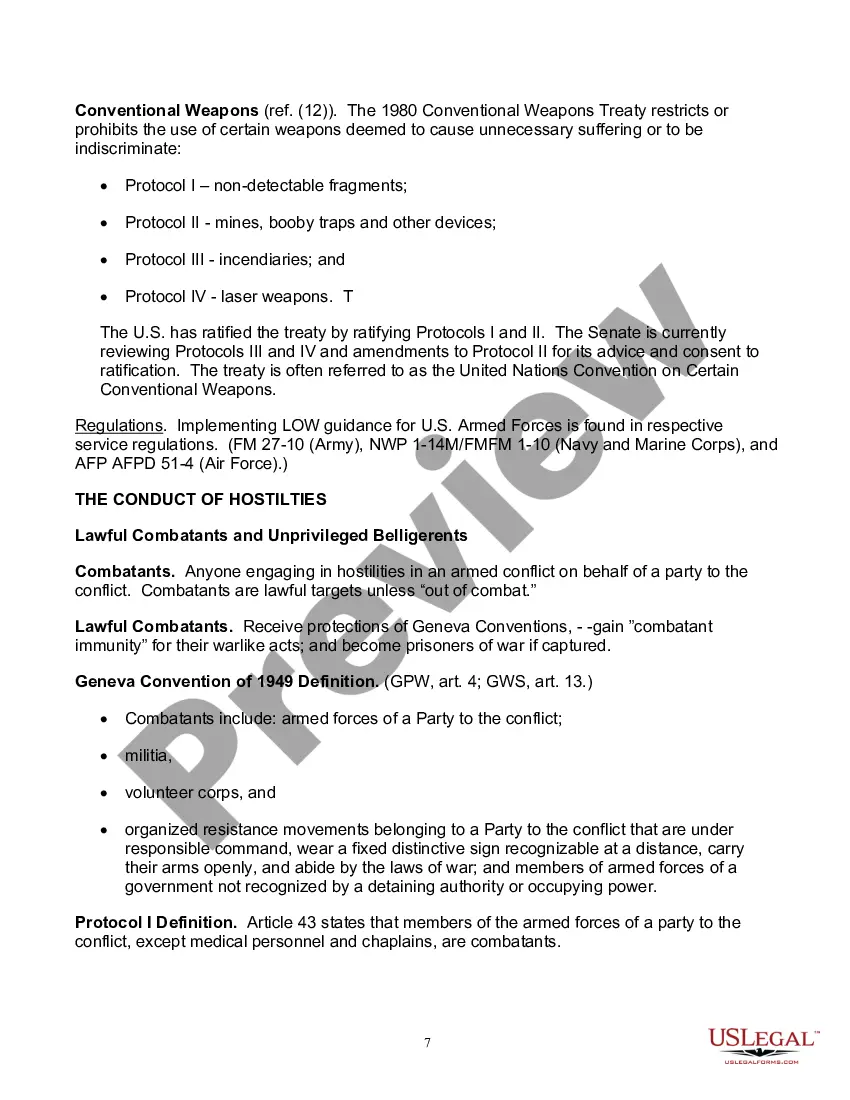
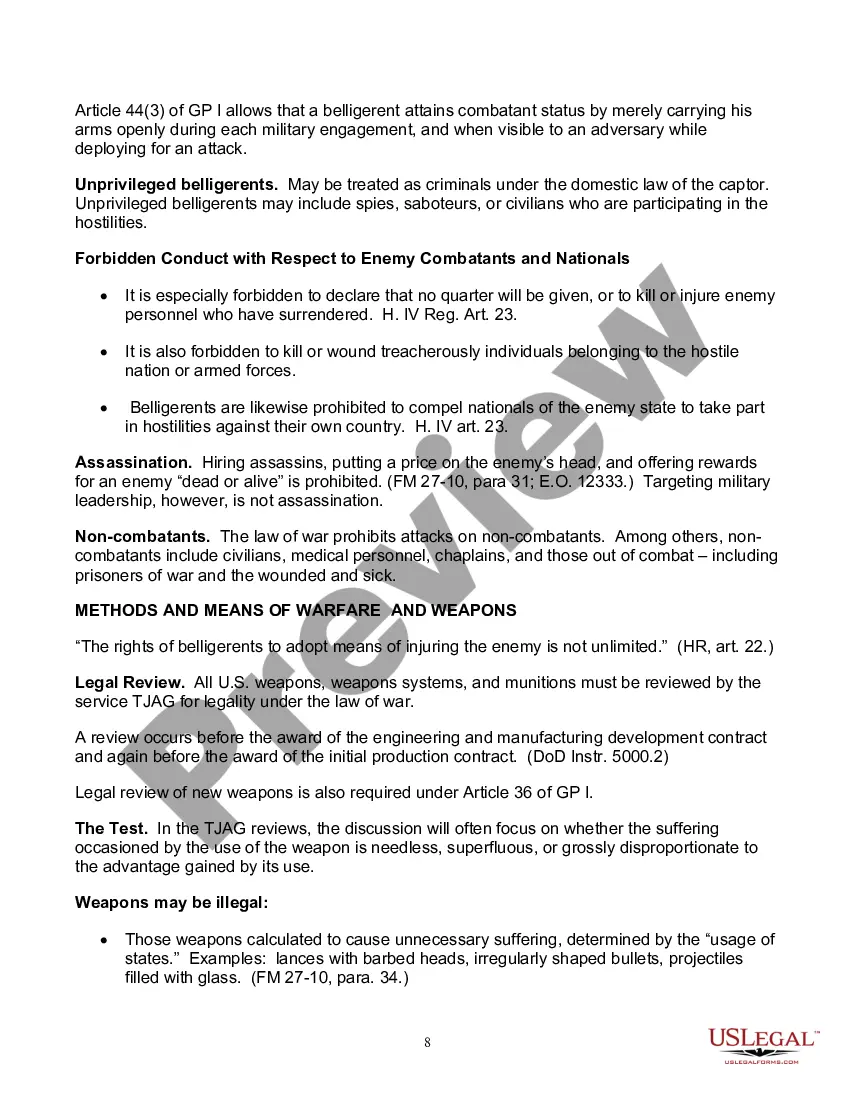
The Rule of Law permeates all aspects of American life. For example, we have traffic laws that let us know who has the right of way and we have environmental laws and regulations that tell us what we are allowed to put into the ground, air and water.
All filings for small claims matters can be submitted by any of these ways: In person at the Center Justice Center (700 Civic Center Drive West, Santa Ana, CA 92701). By electronic filing using the Civil eFile website. By drop-box located by the front entrance of the Central Justice Center.
All filings for small claims matters can be submitted by any of these ways: In person at the Center Justice Center (700 Civic Center Drive West, Santa Ana, CA 92701). By electronic filing using the Civil eFile website. By drop-box located by the front entrance of the Central Justice Center.
Under criminal law, a principal is any actor who is primarily responsible for a criminal offense. Such an actor is distinguished from others who may also be subject to criminal liability as accomplices, accessories or conspirators.
A professional corporation (abbreviated as PC), also known as a professional service corporation (abbreviated as PSC), is a type of corporation established by state statute that permits owners of certain licensed professions, such as attorneys, architects, engineers, accountants, and dentists, to own shares in a ...
A legal principle is a concept that is used to interpret and understand the law. The principle may stem from the Constitution, statutes, judicial precedence, and customs whose interpretation determines the understanding of the various aspects of the case and the appropriate measures implemented to solve it.
Letters of Administration will need to be obtained which requires filing a petition and many other documents with the Court. The petition for Letters of Administration is filed in the Surrogate's Court in the county where the decedent lived.
The Order to Show Cause often contains a direction to the parties that they stop some specific activity until the court hears or decides the motion. The Order to Show Cause is supported by an "Affidavit in Support," and copies of any documents that support the request and would help the judge make a decision.
Similar variation across courts was seen in motions to dismiss and motions for summary judgment. Across all cases, the mean time to rule on Rule 12 motions was almost 130 days, but when broken down by district the mean time varied from 63 days in the fastest court to 176 days in the slowest court.
Under CPLR 2214(b), a notice of motion must be served at least eight days in advance of the motion date. Five additional days are added when service by mail is used. Responding papers are due two days before the motion date.
