Principle For Legal In Nassau
Description

Get your form ready online
Our built-in tools help you complete, sign, share, and store your documents in one place.
Make edits, fill in missing information, and update formatting in US Legal Forms—just like you would in MS Word.
Download a copy, print it, send it by email, or mail it via USPS—whatever works best for your next step.
Sign and collect signatures with our SignNow integration. Send to multiple recipients, set reminders, and more. Go Premium to unlock E-Sign.
If this form requires notarization, complete it online through a secure video call—no need to meet a notary in person or wait for an appointment.
We protect your documents and personal data by following strict security and privacy standards.

Make edits, fill in missing information, and update formatting in US Legal Forms—just like you would in MS Word.

Download a copy, print it, send it by email, or mail it via USPS—whatever works best for your next step.

Sign and collect signatures with our SignNow integration. Send to multiple recipients, set reminders, and more. Go Premium to unlock E-Sign.

If this form requires notarization, complete it online through a secure video call—no need to meet a notary in person or wait for an appointment.

We protect your documents and personal data by following strict security and privacy standards.
Looking for another form?
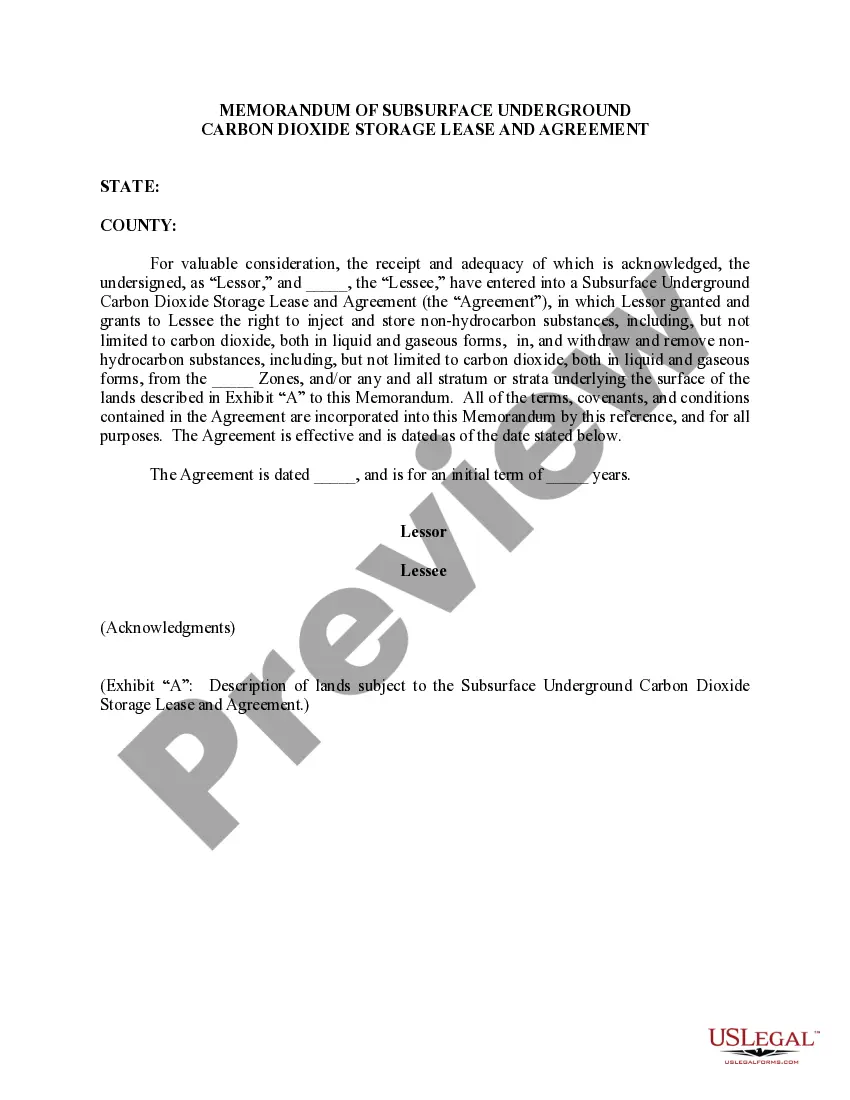

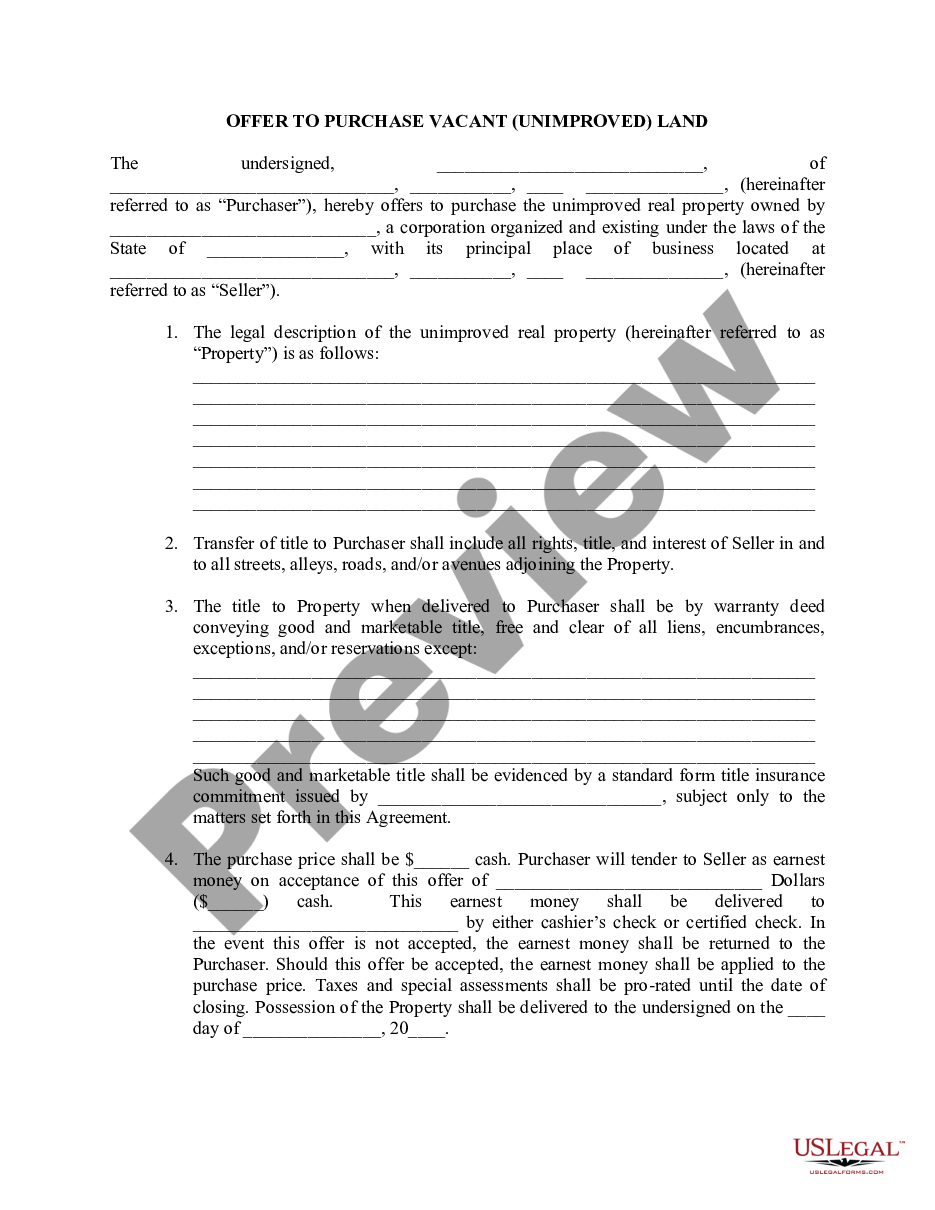






Form popularity
FAQ
The Constitution states that the Supreme Court has both original and appellate jurisdiction. Original jurisdiction means that the Supreme Court is the first, and only, Court to hear a case.
Overview. The Supreme Court has broad authority over all categories of cases, including civil and criminal matters. The court generally handles civil matters seeking monetary damages greater than $25,000. It also hears cases where a party seeks to enjoin or stop certain actions by another party.
Supreme Court is the trial court of unlimited original jurisdiction, but it generally only hears cases that are outside the jurisdiction of other trial courts of more limited jurisdiction. It exercises civil jurisdiction and jurisdiction over felony charges.
The County Court is established in each county outside New York City. It is authorized to handle the prosecution of all crimes committed within the County. The County Court also has limited jurisdiction in civil cases involving amounts up to $25,000.
You or someone else may start your case by filling out a court form. You may file by mail if you have a small claims case in Nassau County and Western Suffolk County or if you live outside New York City and you want to sue a party within New York City. The form describes your claim to the Court.
Chief Clerk's Office Chief ClerkDebra Keller Leimbach516-493-3805 Deputy Chief Clerk Martin B. Cuddihy 516-493-3805 Secretary Deirdre Dolan 516-493-38051 more row
Nassau District judges Valerie Alexander. Eric Bjorneby. James Darcy. Andrew M. Engel. Scott Fairgrieve. Tricia Ferrell. Rhonda Erin Fischer. Joseph Girardi.
Murphy is a judge of the Nassau County Court in New York. He was elected on November 4, 2014, for a term that expires on December 31, 2024. Murphy was previously a judge on the Nassau County District Court in New York.
Chief Clerk Ananias Grajales, Esq.
We also talk about "deeps" and fentanyl overdoses with Nassau County District Attorney Anne Donnelly. Read On...
