Principle For Legal In Montgomery
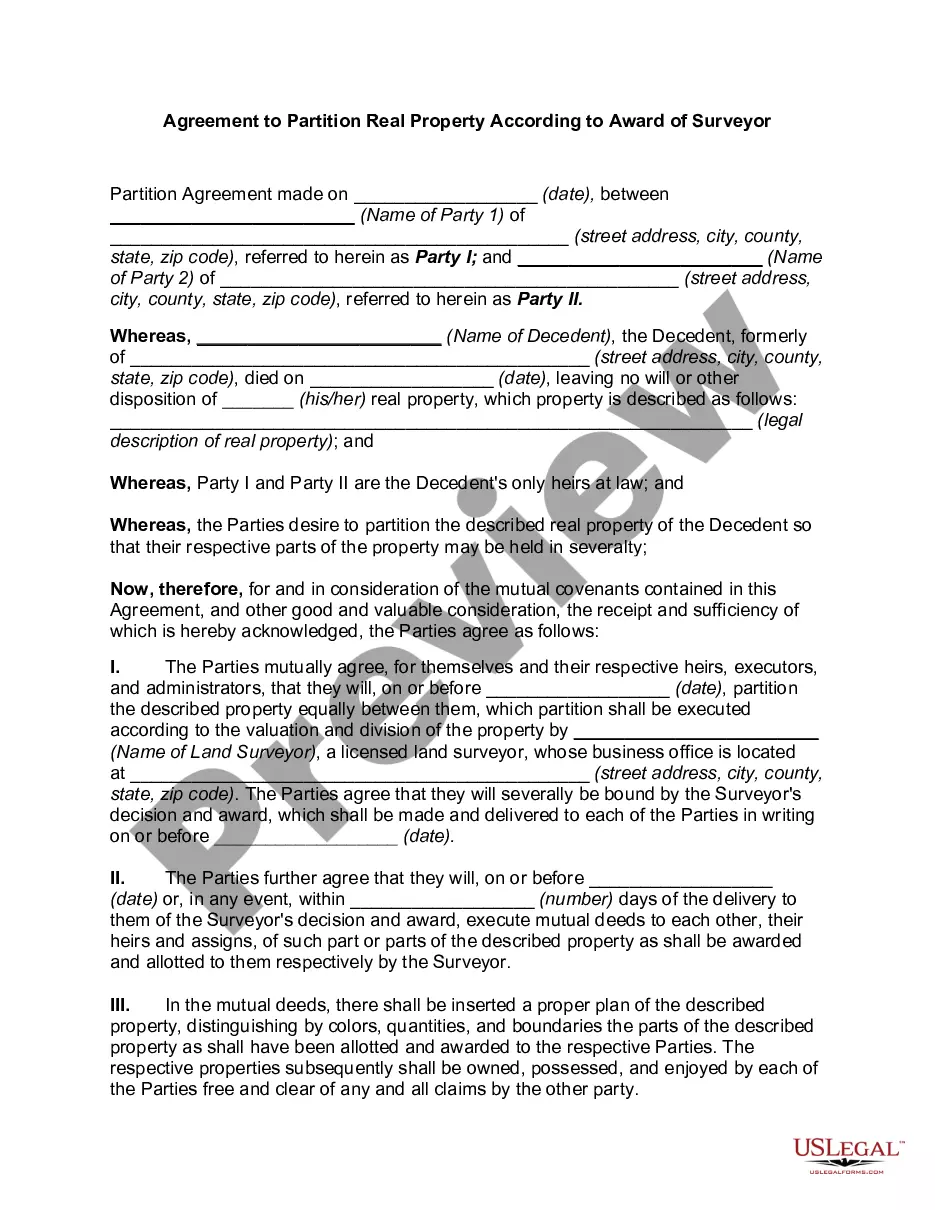
Description

Get your form ready online
Our built-in tools help you complete, sign, share, and store your documents in one place.
Make edits, fill in missing information, and update formatting in US Legal Forms—just like you would in MS Word.
Download a copy, print it, send it by email, or mail it via USPS—whatever works best for your next step.
Sign and collect signatures with our SignNow integration. Send to multiple recipients, set reminders, and more. Go Premium to unlock E-Sign.
If this form requires notarization, complete it online through a secure video call—no need to meet a notary in person or wait for an appointment.
We protect your documents and personal data by following strict security and privacy standards.

Make edits, fill in missing information, and update formatting in US Legal Forms—just like you would in MS Word.

Download a copy, print it, send it by email, or mail it via USPS—whatever works best for your next step.

Sign and collect signatures with our SignNow integration. Send to multiple recipients, set reminders, and more. Go Premium to unlock E-Sign.

If this form requires notarization, complete it online through a secure video call—no need to meet a notary in person or wait for an appointment.

We protect your documents and personal data by following strict security and privacy standards.
Looking for another form?



Form popularity
FAQ
It is a general legal and ethical principle that valid consent must be obtained before starting treatment or physical investigation, or providing personal care, for a person. This principle reflects the right of patients to determine what happens to their own bodies, and is a fundamental part of good practice.
Montgomery v Lanarkshire Health Board 2015 UKSC 11 is a Scottish delict, medical negligence and English tort law case on doctors and pharmacists that outlines the rule on the disclosure of risks to satisfy the criteria of an informed consent.
The informed consent process involves three key features: (1) disclosing to potential research subjects information needed to make an informed decision; (2) facilitating the understanding of what has been disclosed; and (3) promoting the voluntariness of the decision about whether or not to participate in the research.
The key passages from the Montgomery judgment involve what a patient would consider to be material risk: "The doctor is therefore under a duty to take reasonable care to ensure that the patient is aware of any material risks involved in any recommended treatment, and of any reasonable alternative or variant treatments.
You must give patients any information they want or need about the potential risks, including the well-established complications of the procedure and any risk of serious harm, however unlikely it is to occur. You must also answer any questions they have honestly and openly.
It requires the provider to disclose all relevant information about the risks, benefits and alternatives of a proposed treatment that an objective patient would find material in making an intelligent decision as to whether to agree to the proposed procedure.
The Brief Consent Evaluation Protocol was developed to evaluate the quality of the informed consent process. It is a short answer and yes/no orally administered questionnaire comprised of 12 questions that was field tested with 8 different “parent” protocols at 14 institutions.
Angelica Chavis McIntyre, Chief District Court Judge.
Slezak, Montgomery County native and sister to CSW partner Deborah A. Slezak, was recently sworn in as a New York State Supreme Court Judge for the Fourth Judicial District. She enters the role with 22 years of experience as an attorney, which includes 16 years as the attorney for the Montgomery County Family Court.
Montgomery County 38th Judicial District Judges Staff NameTitlePhone Tolliver, Hon. Steven C. Judge 484-674-6500 Clifford, Hon. Daniel J. Judge 484-674-6583 Ferman, Hon. Risa Vetri Judge 484-674-658419 more rows
