Principles Of Law In Fairfax
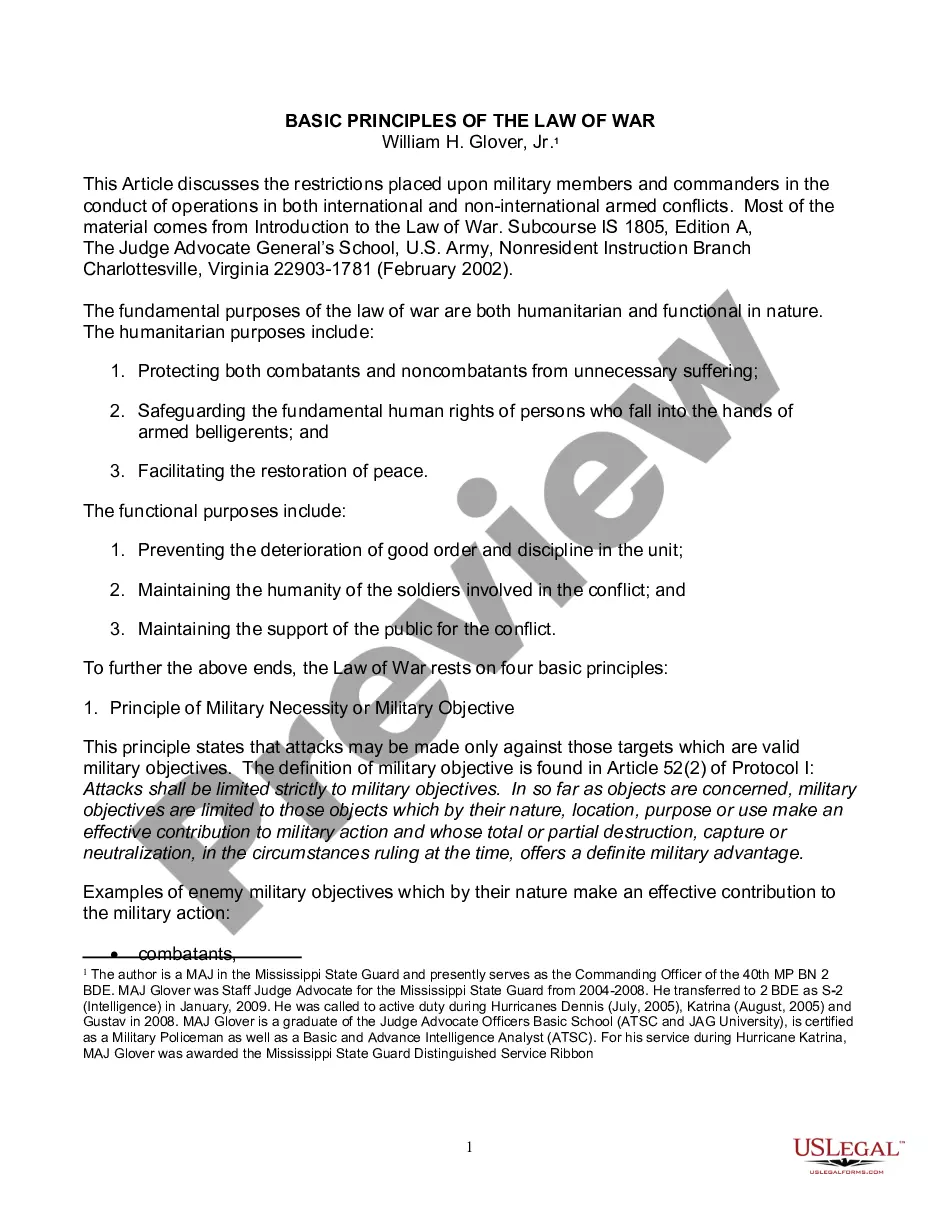
Description
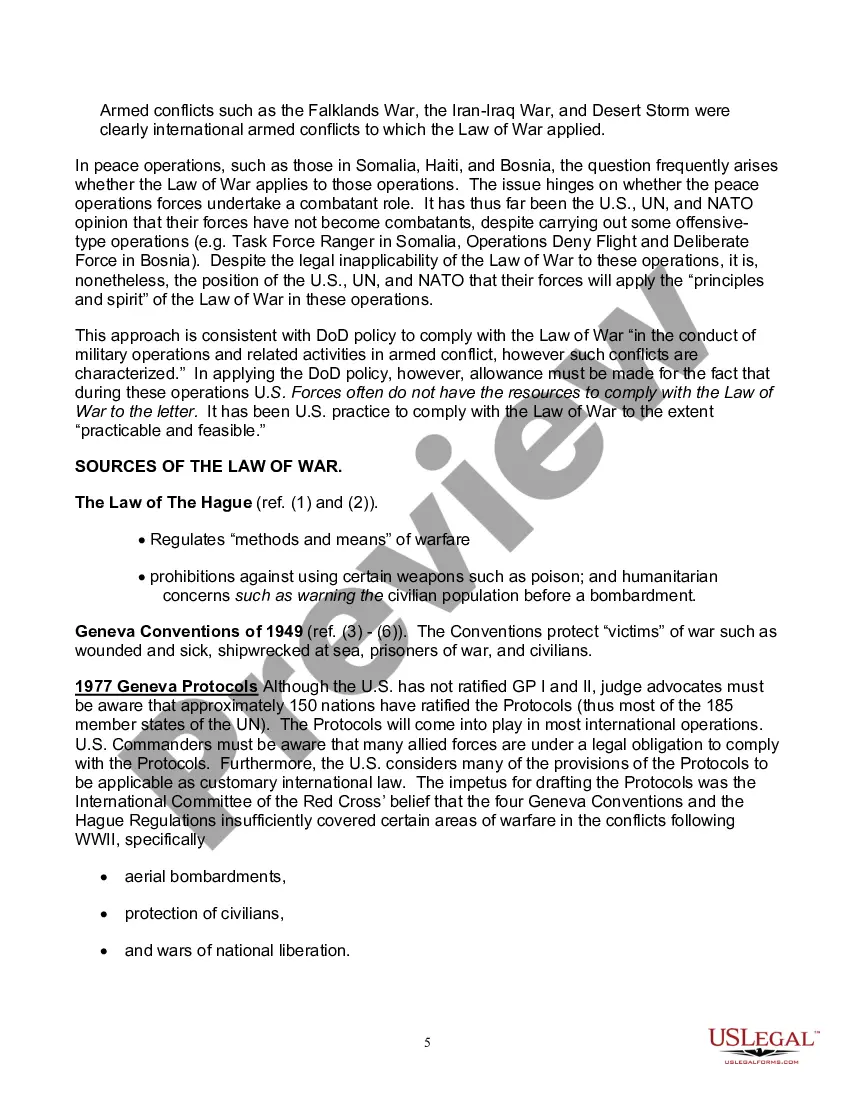
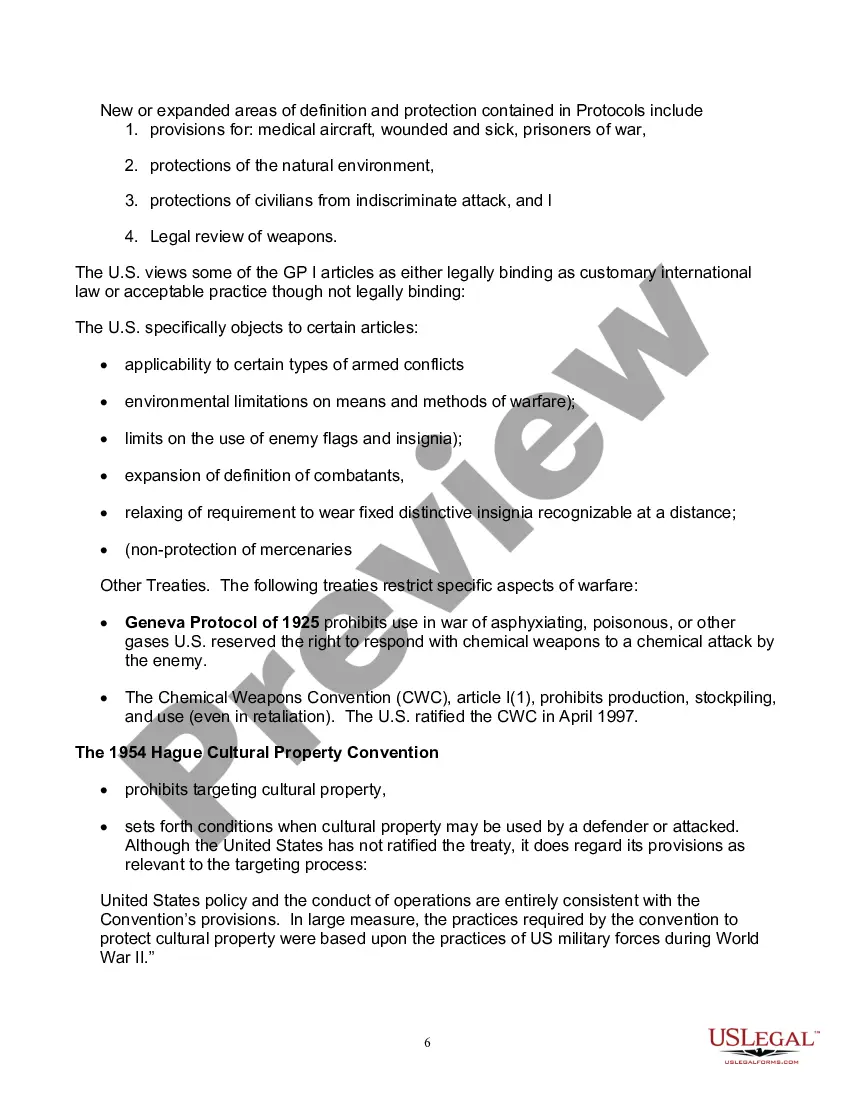
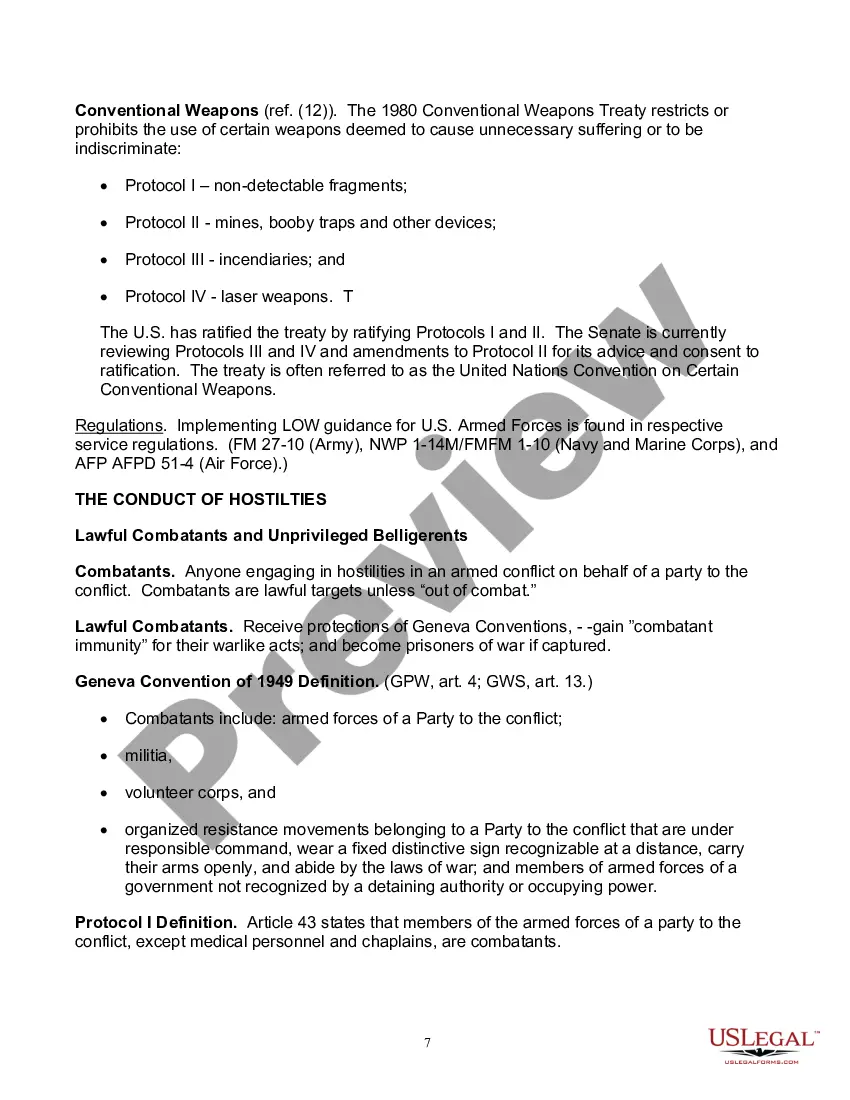
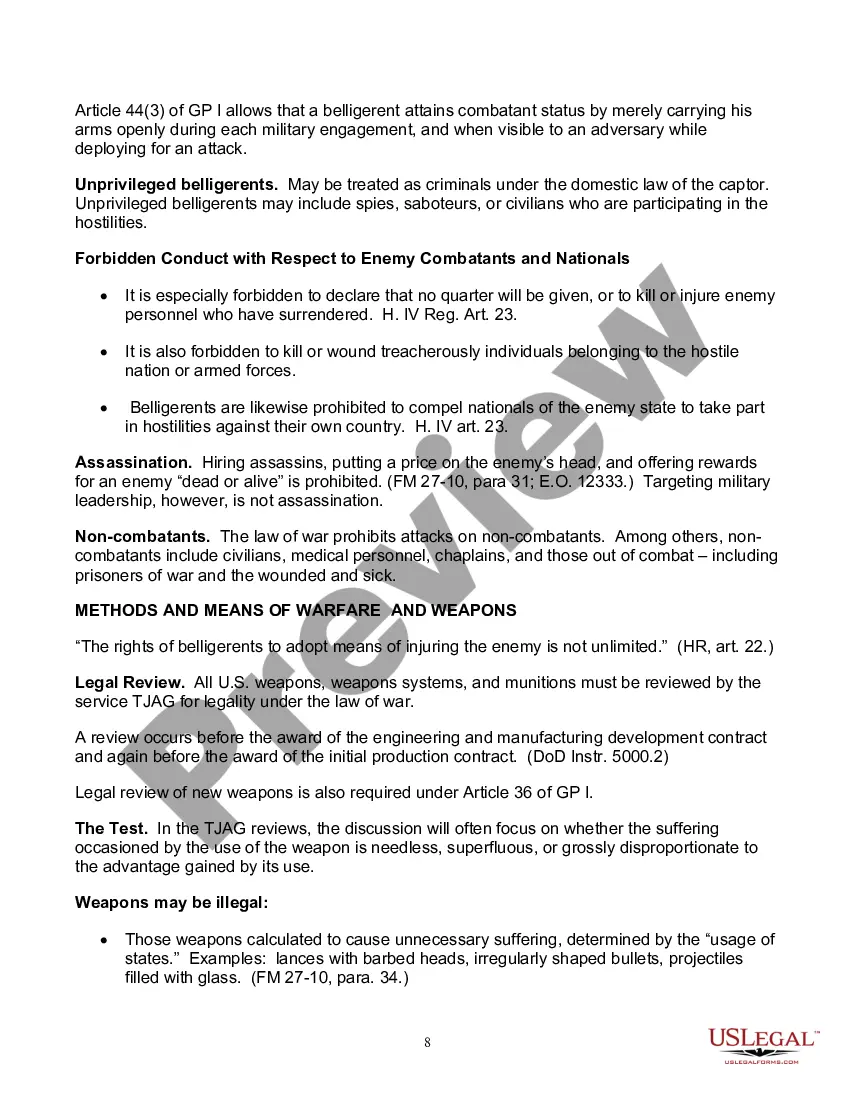

Get your form ready online
Our built-in tools help you complete, sign, share, and store your documents in one place.
Make edits, fill in missing information, and update formatting in US Legal Forms—just like you would in MS Word.
Download a copy, print it, send it by email, or mail it via USPS—whatever works best for your next step.
Sign and collect signatures with our SignNow integration. Send to multiple recipients, set reminders, and more. Go Premium to unlock E-Sign.
If this form requires notarization, complete it online through a secure video call—no need to meet a notary in person or wait for an appointment.
We protect your documents and personal data by following strict security and privacy standards.

Make edits, fill in missing information, and update formatting in US Legal Forms—just like you would in MS Word.

Download a copy, print it, send it by email, or mail it via USPS—whatever works best for your next step.

Sign and collect signatures with our SignNow integration. Send to multiple recipients, set reminders, and more. Go Premium to unlock E-Sign.

If this form requires notarization, complete it online through a secure video call—no need to meet a notary in person or wait for an appointment.

We protect your documents and personal data by following strict security and privacy standards.
Looking for another form?



Form popularity
FAQ
Chris Falcon, clerk of the Fairfax County Circuit Court, is transforming how residents access court services through technology and community outreach.
Contact us! 703-FAIRFAX (703-324-7329) (phone, email and social media) is a contact center for general questions from 8 a.m. to p.m., Monday to Friday. More specific questions?
The Fairfax Circuit Court serves the residents of Fairfax County and Fairfax City. The Fairfax Circuit Court (19th Judicial Circuit) is the trial court of general jurisdiction and is the largest trial court in Virginia, composed of fifteen full-time and five retired trial judges.
The circuit court has the authority to hear serious criminal cases called felonies. The circuit court also handles family matters, including divorce. In addition, the circuit court hears cases appealed from the general district court and from the juvenile and domestic relations district court.
There is a general district court in each city and county in Virginia. The general district court hears traffic violation cases, minor criminal cases known as misdemeanors, and civil cases such landlord and tenant disputes, contract disputes, and personal injury actions.
Portable electronic devices are allowed inside the Fairfax Courthouse, subject to regulations, and may be used only in common areas. Even approved devices may not be used in courtrooms for any purpose, unless expressly authorized by the presiding judge.
§ 41.1-2-15. Permitting animals to trespass., Article 2. Animal Control and Rabies Control., Chapter 41.1. Animal Control and Care, Code of Ordinances, Fairfax County.
Trespassing in Fairfax County. Trespassing is generally charged under either Virginia Code §18.2-119 or Fairfax County Code §5-4-1. These code sections forbid going onto land for which such entry is forbidden. Most of our cases involve clients going into parks or schools after dark for a peaceful hangout.
Fairfax County is subject to the Chesapeake Bay Act and as such all land-disturbing activities exceeding 2,500 square feet are regulated by the Erosion and Sediment Control Ordinance and require an approved site-related plan BEFORE disturbance.
The Fairfax County Zoning Ordinance is Chapter 112 of the County Code. It is the means of implementing the Comprehensive Plan that regulates land use and structures and creates distinct districts for land uses. The zoning ordinance is intended to promote the health, safety and general welfare of the public.
