Principles Of Law Enforcement Operations Philippines In Cook
Description
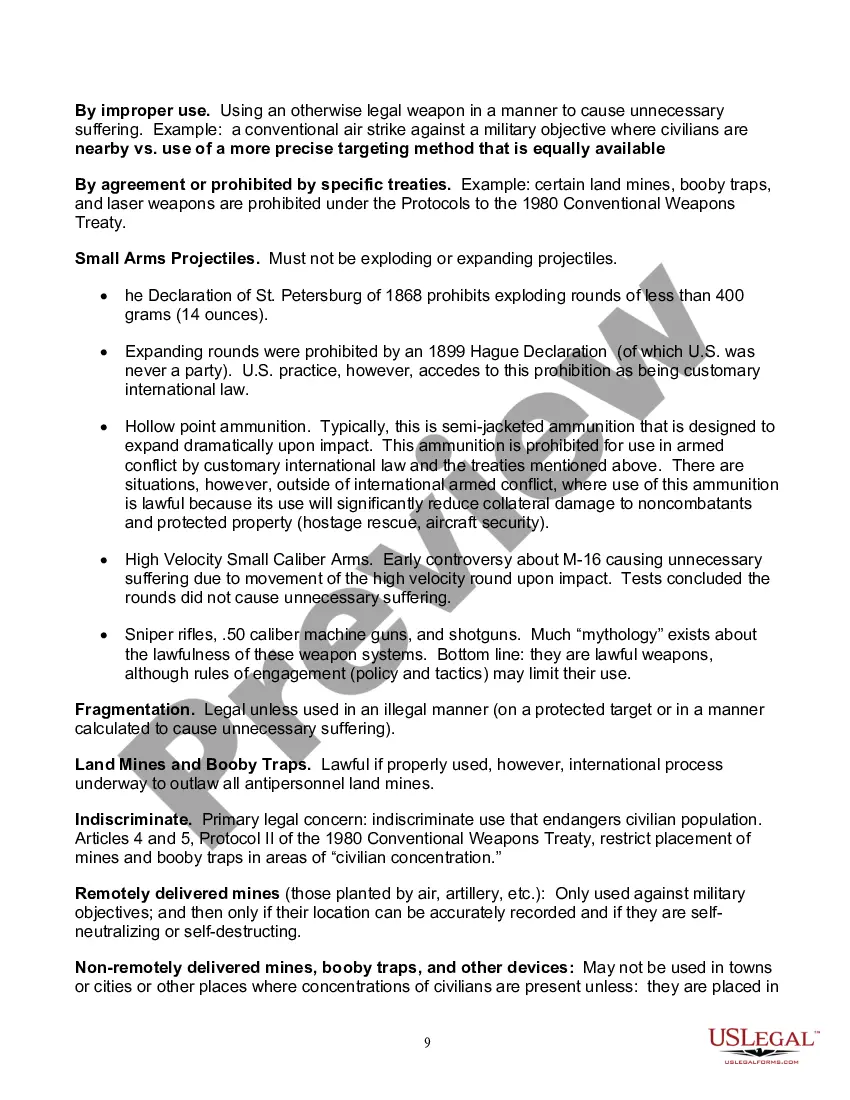

Get your form ready online
Our built-in tools help you complete, sign, share, and store your documents in one place.
Make edits, fill in missing information, and update formatting in US Legal Forms—just like you would in MS Word.
Download a copy, print it, send it by email, or mail it via USPS—whatever works best for your next step.
Sign and collect signatures with our SignNow integration. Send to multiple recipients, set reminders, and more. Go Premium to unlock E-Sign.
If this form requires notarization, complete it online through a secure video call—no need to meet a notary in person or wait for an appointment.
We protect your documents and personal data by following strict security and privacy standards.

Make edits, fill in missing information, and update formatting in US Legal Forms—just like you would in MS Word.

Download a copy, print it, send it by email, or mail it via USPS—whatever works best for your next step.

Sign and collect signatures with our SignNow integration. Send to multiple recipients, set reminders, and more. Go Premium to unlock E-Sign.

If this form requires notarization, complete it online through a secure video call—no need to meet a notary in person or wait for an appointment.

We protect your documents and personal data by following strict security and privacy standards.
Looking for another form?
Form popularity
FAQ
Ing to Section 24 of this act, the role of the PNP is to “enforce all laws and ordinances relative to the protection of lives and properties” and to “maintain peace and order and take all necessary steps to ensure public safety”; “to exercise the power to make arrest, search and seizure in ance with the ...
The Legislative Power is vested in the Congress of the Philippines which shall consist of a Senate and a House of Representatives, except to the extent reserved to the people by the provision on initiative and referendum.
This system revolves around three separate and sovereign yet interdependent branches: the legislative branch (the law-making body), the executive branch (the law-enforcing body), and the judicial branch (the law-interpreting body). Executive power is exercised by the government under the leadership of the president.
As premier law enforcement agency, the PNP upholds the most noble virtues and beliefs. Hence, among its core values are; love of God, selfless love and service to people, respect for authority, respect for women and the sanctity of marriage, responsible dominion and stewardship over material things, and truthfulness.
The four main principles of organizational management are planning, organizing, leading, and controlling. Other important principles that affect an organization include staffing, time management, and motivation.
The PNP shall be composed of a national office, regional offices, provincial offices, district offices and city or municipal stations. At the national level, the PNP shall maintain its office in Metropolitan Manila which shall house the directorial staff, service staff and special support units.
Ing to Section 24 of this act, the role of the PNP is to “enforce all laws and ordinances relative to the protection of lives and properties” and to “maintain peace and order and take all necessary steps to ensure public safety”; “to exercise the power to make arrest, search and seizure in ance with the ...
The six PNP core values are service, integrity, human rights, professionalism, patriotism and accountability. The core work values are discipline, loyalty, obedience to superiors, command responsibility, morality, judicious use of authority, integrity, justice, humility, orderliness and perseverance.
I will uphold the Constitution and honor the rights of all to life, liberty, equality, and justice. I will never employ unnecessary force. I will respect the privacy of people and communities that I serve, and I will fully obey the laws that I am sworn to enforce.
Ing to Section 24 of this act, the role of the PNP is to “enforce all laws and ordinances relative to the protection of lives and properties” and to “maintain peace and order and take all necessary steps to ensure public safety”; “to exercise the power to make arrest, search and seizure in ance with the ...
