Principles Of Law In Chicago
Description
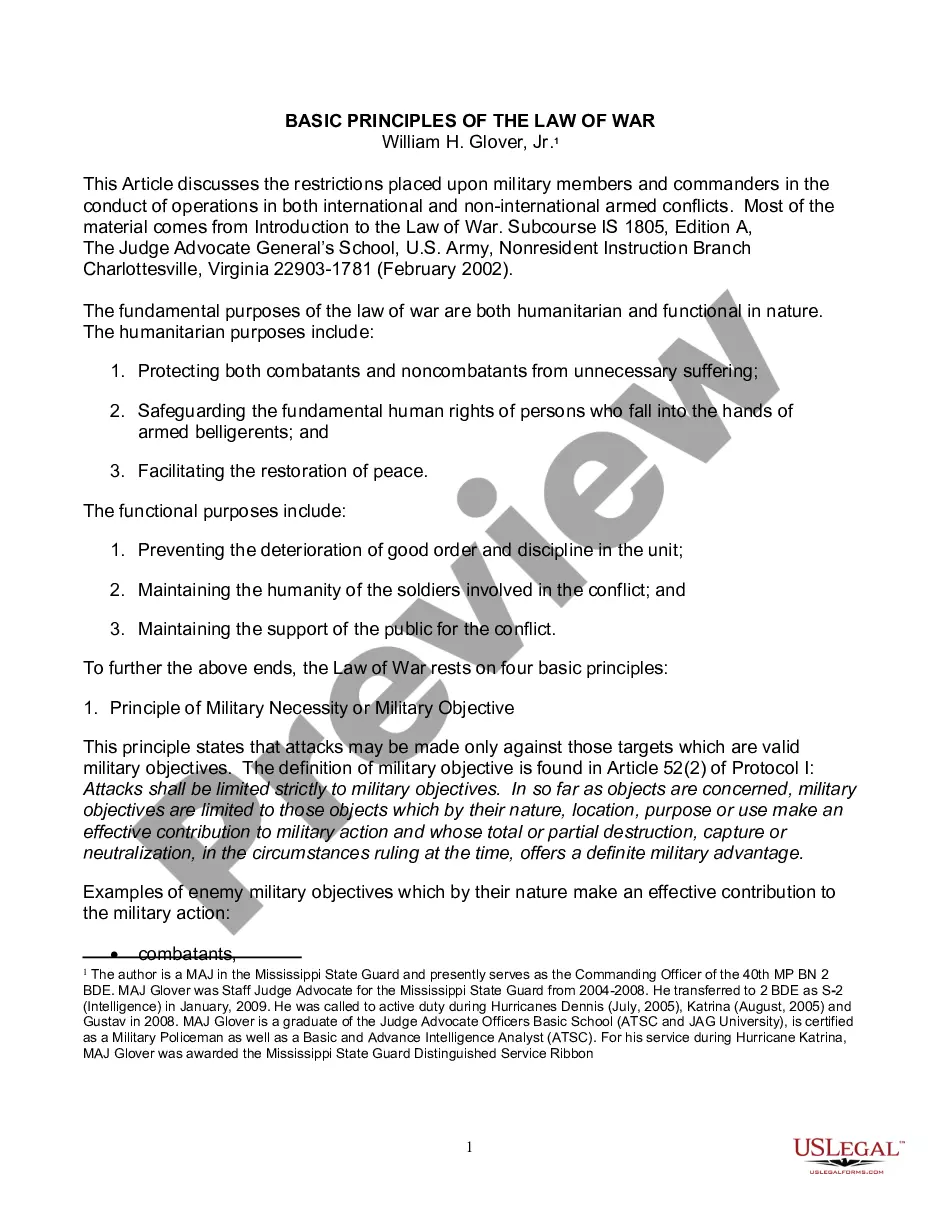

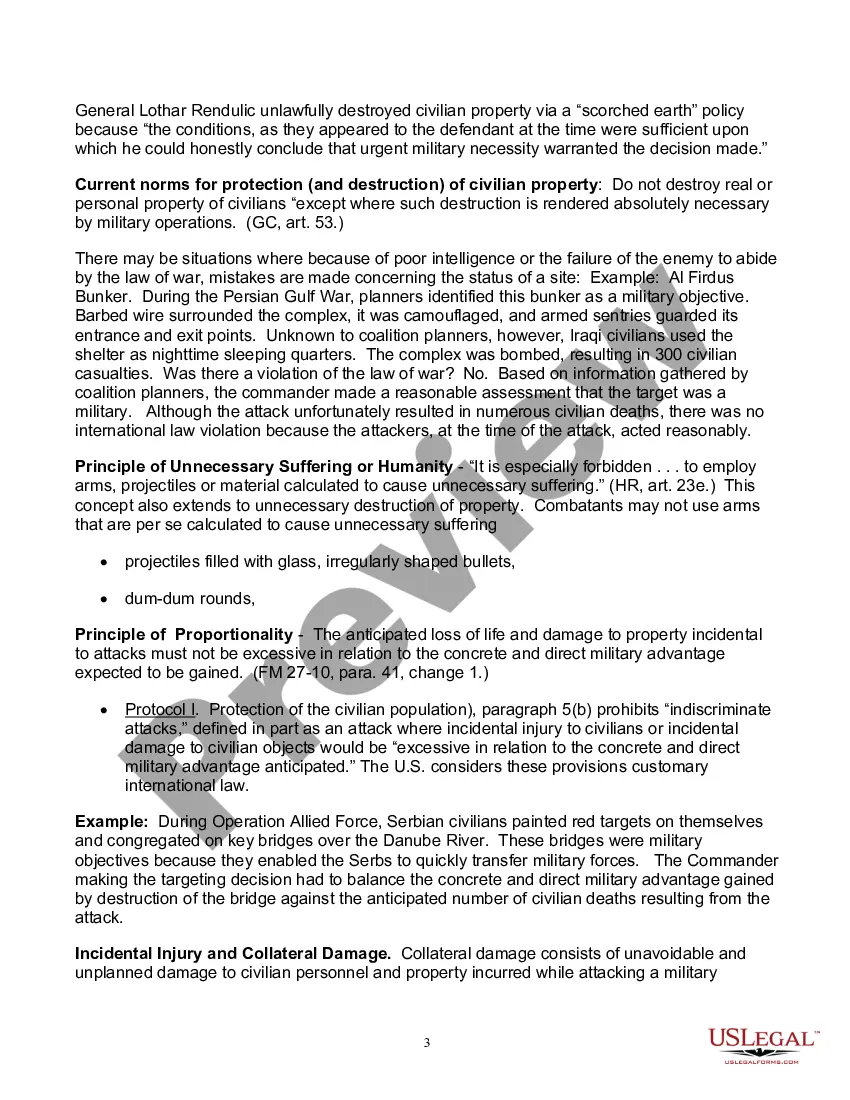
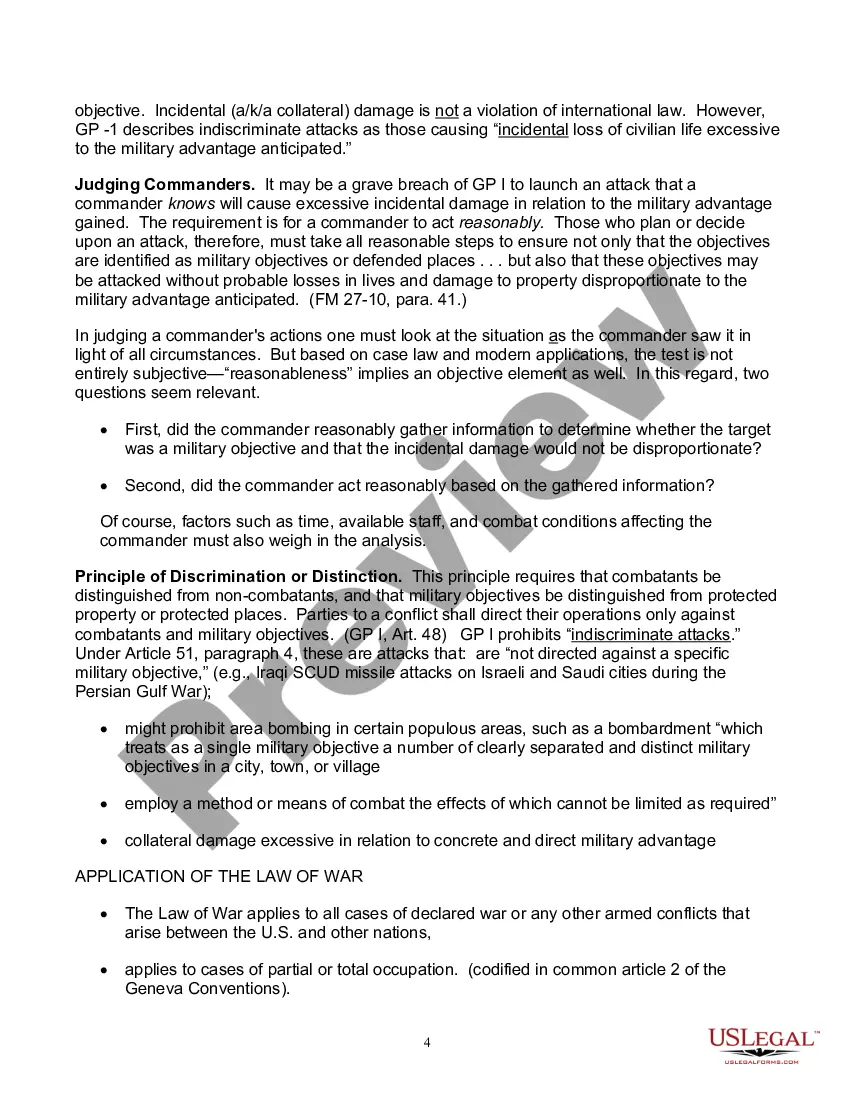



Get your form ready online
Our built-in tools help you complete, sign, share, and store your documents in one place.
Make edits, fill in missing information, and update formatting in US Legal Forms—just like you would in MS Word.
Download a copy, print it, send it by email, or mail it via USPS—whatever works best for your next step.
Sign and collect signatures with our SignNow integration. Send to multiple recipients, set reminders, and more. Go Premium to unlock E-Sign.
If this form requires notarization, complete it online through a secure video call—no need to meet a notary in person or wait for an appointment.
We protect your documents and personal data by following strict security and privacy standards.

Make edits, fill in missing information, and update formatting in US Legal Forms—just like you would in MS Word.

Download a copy, print it, send it by email, or mail it via USPS—whatever works best for your next step.

Sign and collect signatures with our SignNow integration. Send to multiple recipients, set reminders, and more. Go Premium to unlock E-Sign.

If this form requires notarization, complete it online through a secure video call—no need to meet a notary in person or wait for an appointment.

We protect your documents and personal data by following strict security and privacy standards.
Looking for another form?








Form popularity
FAQ
The easiest law degree to earn is a Master of Legal Studies degree. For more information about earning a Master of Legal Studies or for help finding a program, reach out to Learn today.
Getting into the University of Chicago Law School is challenging. As a highly competitive T14 school, less than 2 out of every 10 applicants are granted admission. To maximize your chances of acceptance, get admissions help from law experts.
Loyola University—Chicago has a 1L class size of 275, and yield of 19.96%. 273 out of 1,368 applicants who were offered admission accepted, meaning that 19.96% of the people who were offered admission ended up attending the school. The 1L class at Loyola University—Chicago has a median LSAT of 160.
Either side in a case can file a motion. In some instances, a non-party may file a motion (for example, a motion to quash a subpoena issued in the case). Motions are electronically filed (e-file) with the court clerk where your case is being heard and are decided by a judge at a motion hearing.
If you want to file a motion, the process is generally something like this: You write your motion. You file your motion with the court clerk. The court clerk inserts the date and time your motion will be heard by the judge. You “serve” (mail) your motion to the other side.
In your written motion, you should ask the judge to vacate the judgment. If you are filing the motion within 30 days of learning of the default judgment, you should say so. Include weekends and holidays when counting. The deadline cannot be a weekend or holiday.
O You must file the Appearance form in the county where the court case is filed. o Make copies of your original Appearance for yourself and each party in the case. o Bring the original Appearance and the copies to the Circuit Clerk at the courthouse. Appearance, and return these copies to you.
If you want to file a motion, the process is generally something like this: You write your motion. You file your motion with the court clerk. The court clerk inserts the date and time your motion will be heard by the judge. You “serve” (mail) your motion to the other side.
Timeline of How to File a Lawsuit Step 1: File a Complaint. Plaintiff files a complaint and summons with the local county court. Step 2: Answer Complaint. Step 3: Discovery. Step 4: Failing to Respond to Discovery. Step 5: Conclusion of Lawsuit.
The Motion and the Notice of Motion need to be e-filed with the Clerk of the Court. The e-Filing system will reject your filing if you do not enter a court date on the form before e-filing it.