Contract Law In Hindi In Wake
Description

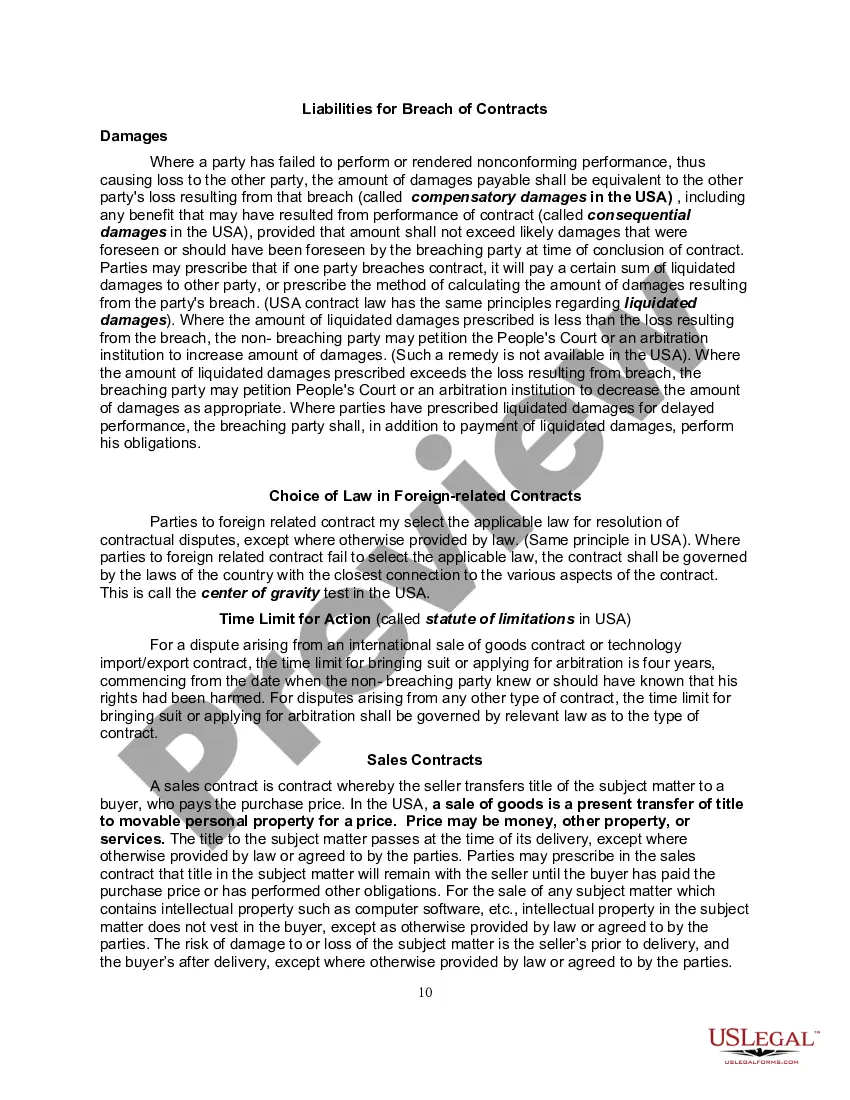


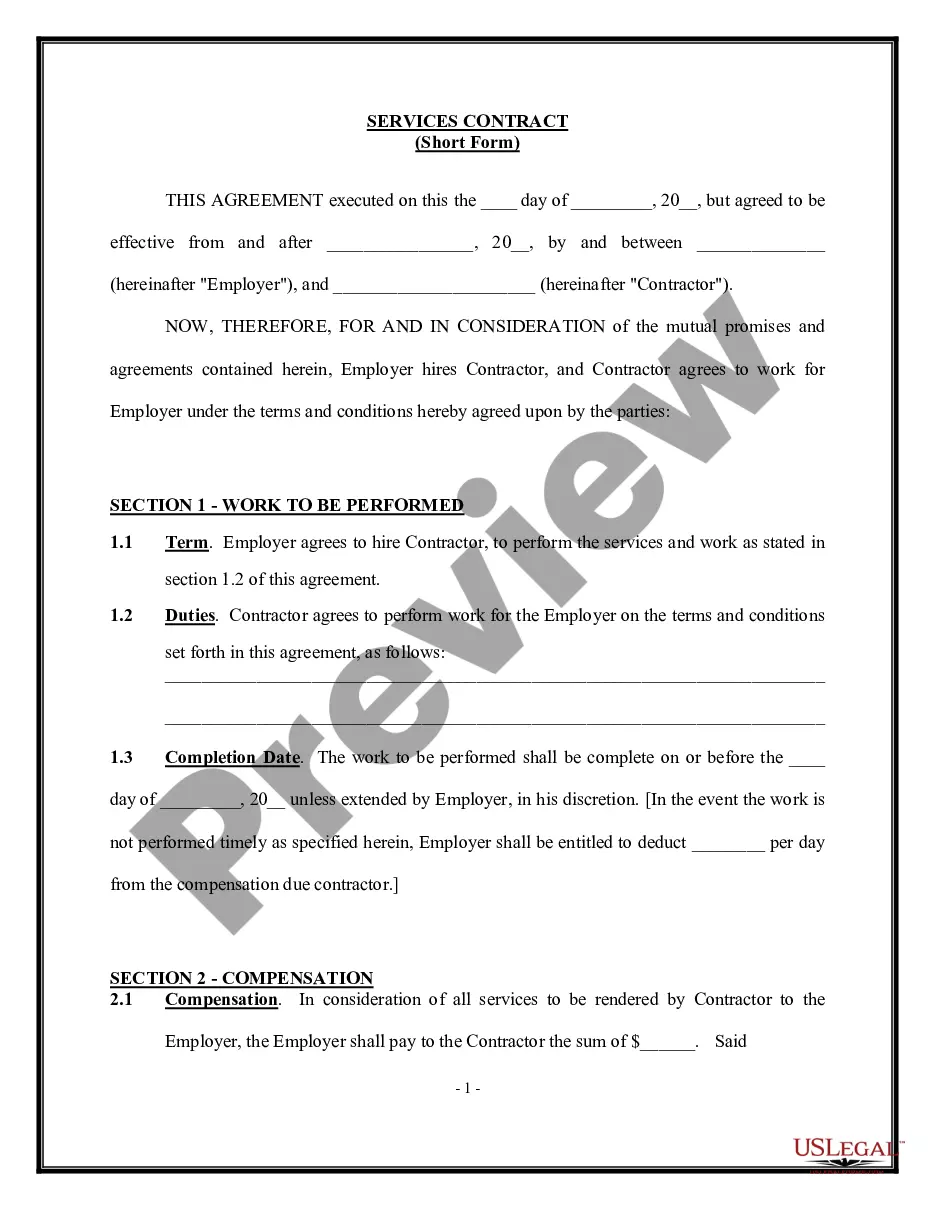
Get your form ready online
Our built-in tools help you complete, sign, share, and store your documents in one place.
Make edits, fill in missing information, and update formatting in US Legal Forms—just like you would in MS Word.
Download a copy, print it, send it by email, or mail it via USPS—whatever works best for your next step.
Sign and collect signatures with our SignNow integration. Send to multiple recipients, set reminders, and more. Go Premium to unlock E-Sign.
If this form requires notarization, complete it online through a secure video call—no need to meet a notary in person or wait for an appointment.
We protect your documents and personal data by following strict security and privacy standards.

Make edits, fill in missing information, and update formatting in US Legal Forms—just like you would in MS Word.

Download a copy, print it, send it by email, or mail it via USPS—whatever works best for your next step.

Sign and collect signatures with our SignNow integration. Send to multiple recipients, set reminders, and more. Go Premium to unlock E-Sign.

If this form requires notarization, complete it online through a secure video call—no need to meet a notary in person or wait for an appointment.

We protect your documents and personal data by following strict security and privacy standards.
Looking for another form?







Form popularity
FAQ
You can get out of a binding contract under certain circumstances. There are seven key ways you can get out of contracts: mutual consent, breach of contract, contract rescission, unconscionability, impossibility of performance, contract expiration, and voiding a contract.
One of the most common reasons for contract termination is when one of the parties to the contract has breached the contract. This happens when a party has failed to fulfill their obligations or has acted in a way that was inconsistent with the rules set out by the contract or agreement.
Mutual Agreement: Both parties may agree to terminate the contract early. This is often the simplest and least contentious method. Termination Clauses: Many contracts include specific clauses that outline the conditions under which the contract may be terminated before its natural conclusion.
You can get out of a binding contract under certain circumstances. There are seven key ways you can get out of contracts: mutual consent, breach of contract, contract rescission, unconscionability, impossibility of performance, contract expiration, and voiding a contract.
A contract is an agreement between parties, creating mutual obligations that are enforceable by law. The basic elements required for the agreement to be a legally enforceable contract are: mutual assent, expressed by a valid offer and acceptance; adequate consideration; capacity; and legality.
First, to become a contract attorney, one must earn a bachelor's degree and graduate with good grades. It is recommended, but not required, to earn a degree in a legally-related field, such as criminal justice or political science. Before applying for law school, you must take the LSAT and get a good score.
Ensure Proper Grounds for Termination Common grounds for this sort of action include a breach of the contract terms, changes in business circumstances, or non-performance of the breaching party. Be sure that the grounds for termination are legally sound and appropriately documented.
There are six elements which need to be fulfilled: (i) the offeror and the offeree; (ii) offer and acceptance; and (iii) the subject matter and consideration. To be legally competent to enter into a contract the parties have to have prudence of sound judgement and be at the age of puberty.
Himanshu Mishra. एक संविदा (Contract) एक वादे की तरह है जिसे कानून मान्यता देता है और लागू करता है। सरल शब्दों में, किसी संविदा के वैध होने के लिए, दो मुख्य चीज़ों की आवश्यकता होती है: एक समझौता और प्रवर्तनीयता।
