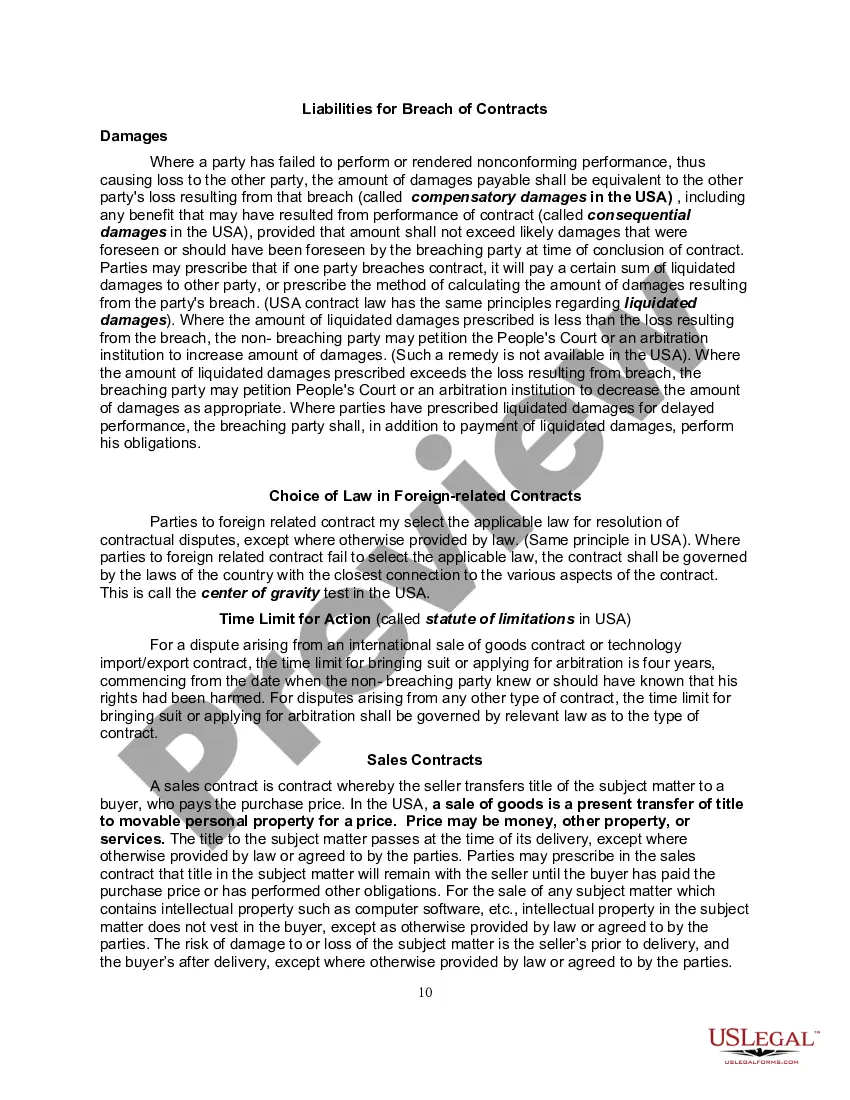
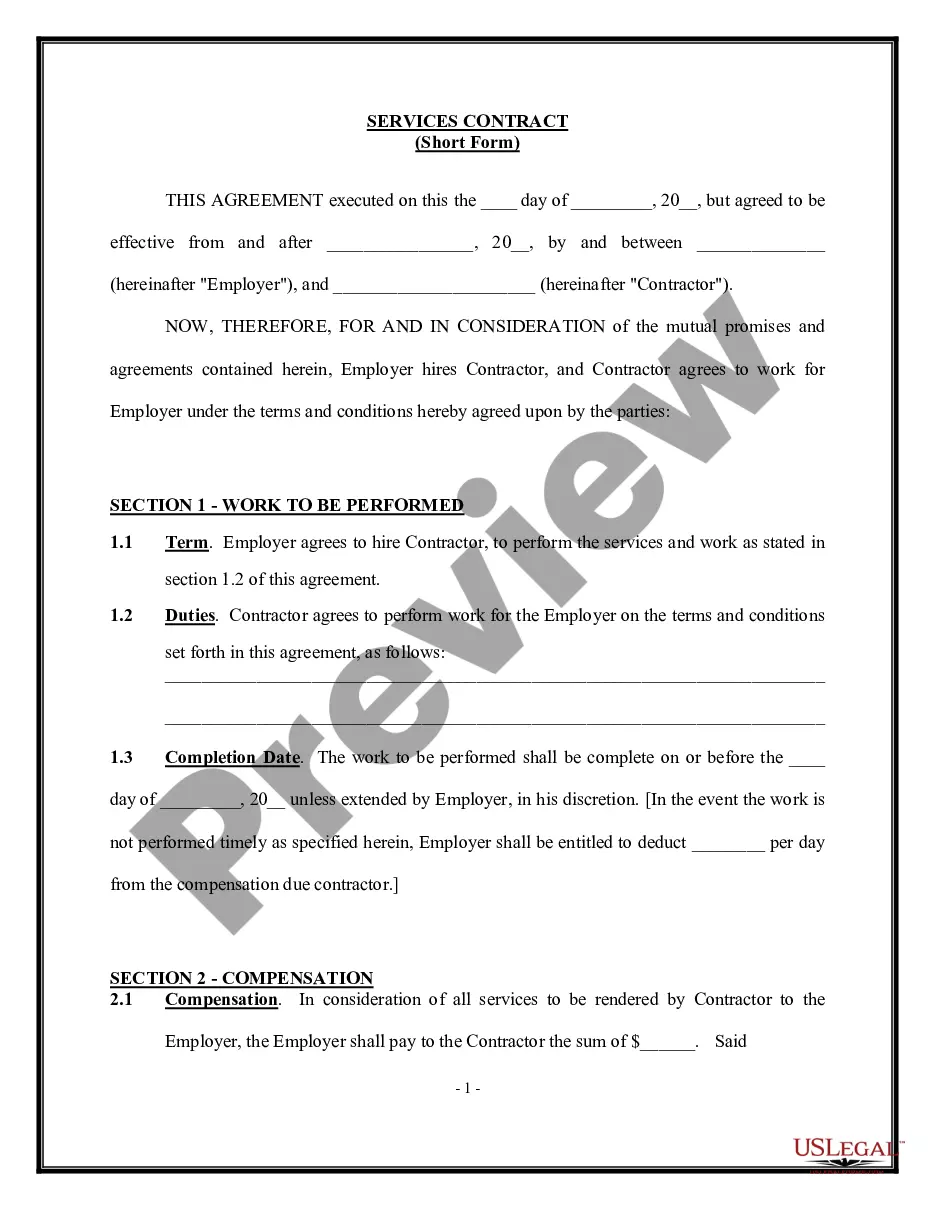
Contract Law For Dummies In Wake
Description

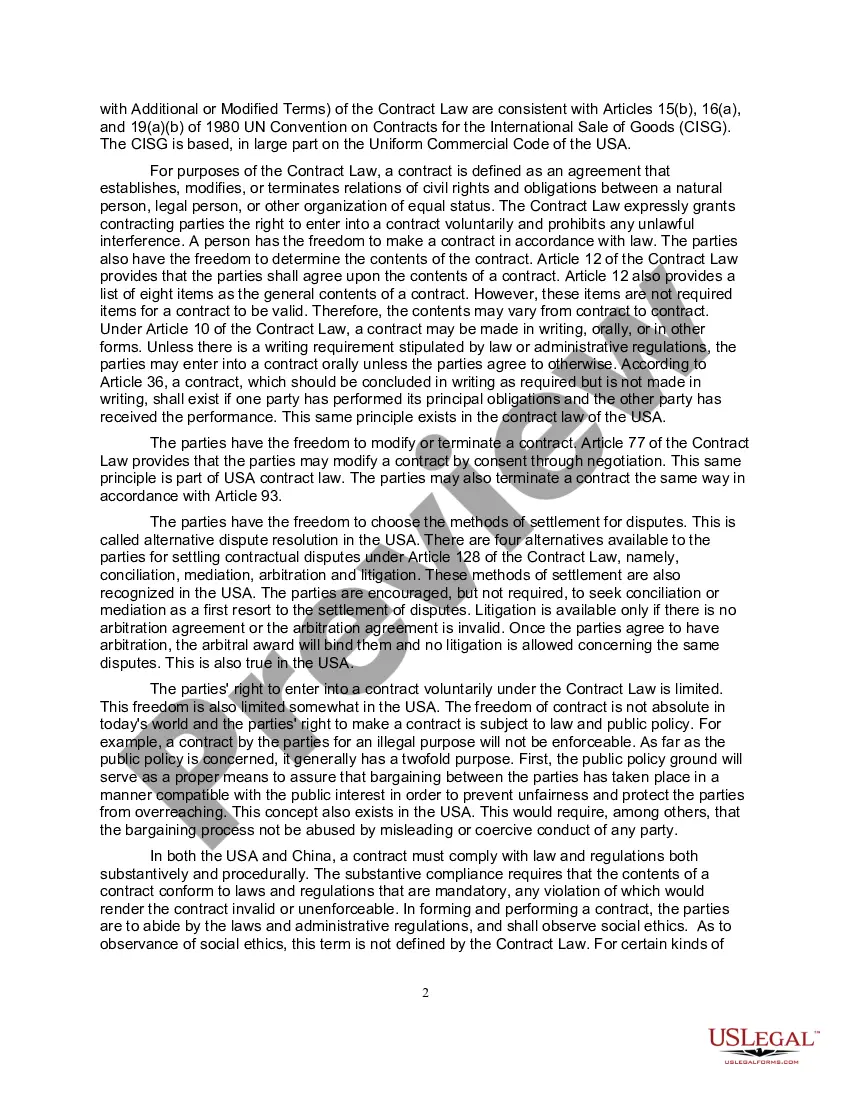
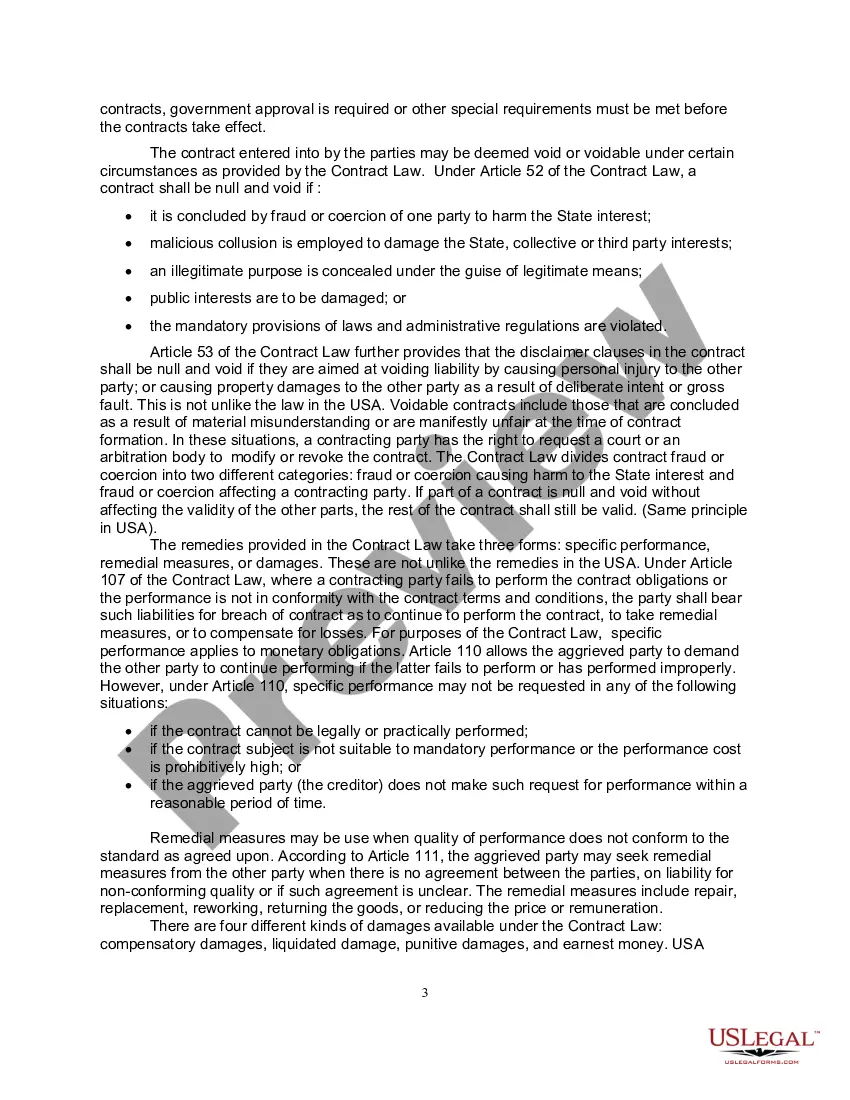
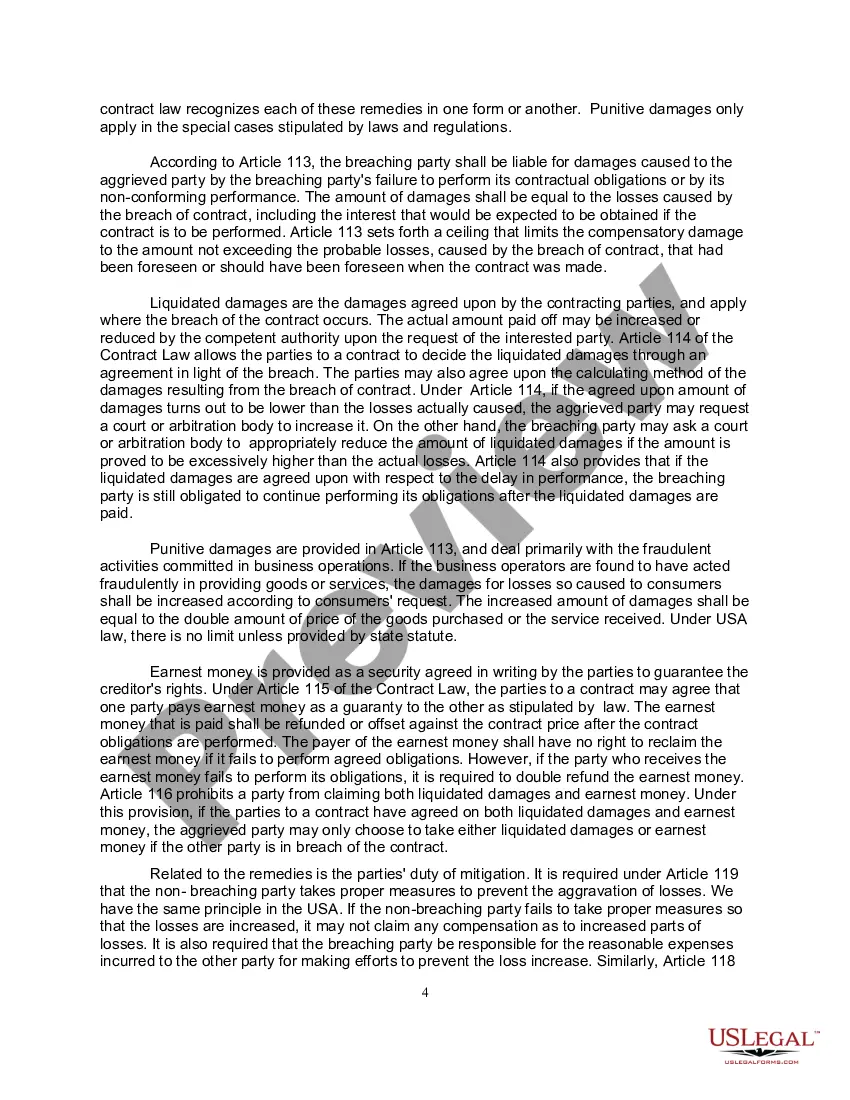
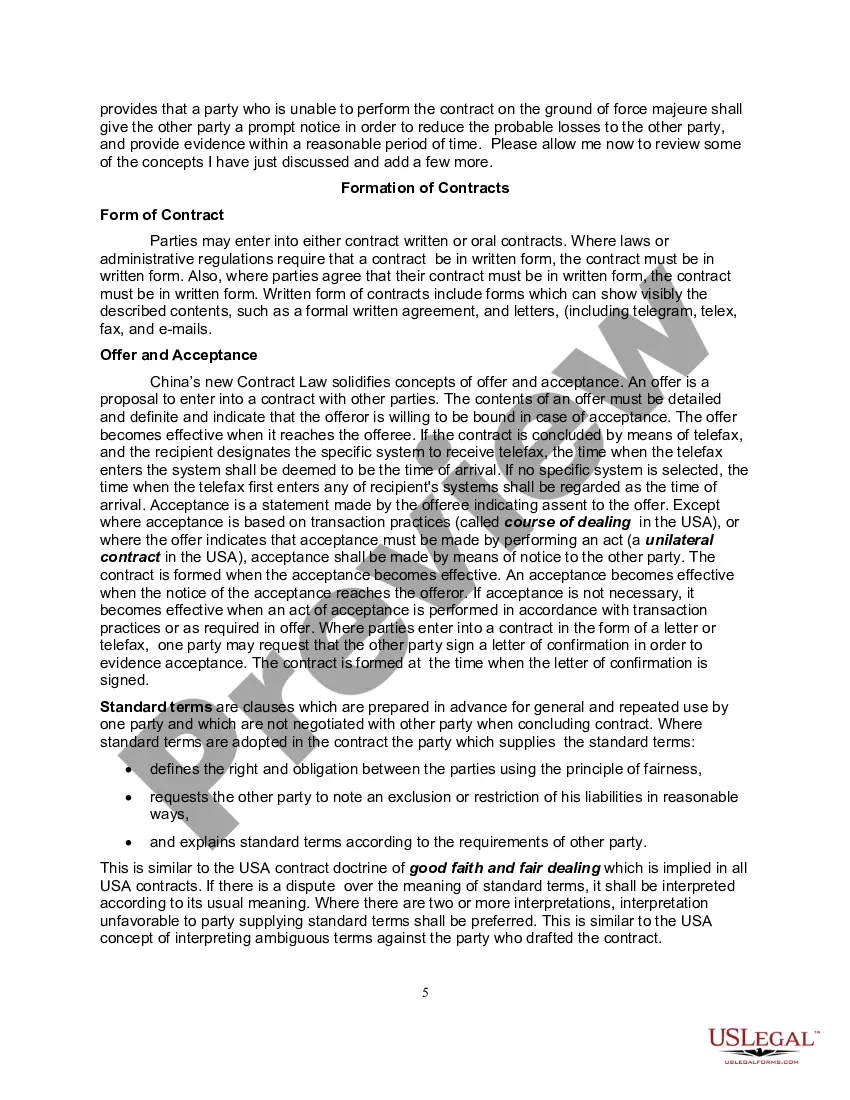


Get your form ready online
Our built-in tools help you complete, sign, share, and store your documents in one place.
Make edits, fill in missing information, and update formatting in US Legal Forms—just like you would in MS Word.
Download a copy, print it, send it by email, or mail it via USPS—whatever works best for your next step.
Sign and collect signatures with our SignNow integration. Send to multiple recipients, set reminders, and more. Go Premium to unlock E-Sign.
If this form requires notarization, complete it online through a secure video call—no need to meet a notary in person or wait for an appointment.
We protect your documents and personal data by following strict security and privacy standards.

Make edits, fill in missing information, and update formatting in US Legal Forms—just like you would in MS Word.

Download a copy, print it, send it by email, or mail it via USPS—whatever works best for your next step.

Sign and collect signatures with our SignNow integration. Send to multiple recipients, set reminders, and more. Go Premium to unlock E-Sign.

If this form requires notarization, complete it online through a secure video call—no need to meet a notary in person or wait for an appointment.

We protect your documents and personal data by following strict security and privacy standards.
Looking for another form?










Form popularity
FAQ
To be legally binding a contract must include an offer, acceptance, and consideration. The contract should be in writing. There is no requirement for the involvement of a third person.
To understand that, you need to know about the 5 essential elements of a valid contract: offer, acceptance, consideration, mutual intent, capacity and legality. Understanding these 5 fundamental elements of a contract can help you protect your interests and avoid potential legal disputes.
Lesson Summary. A contract is a legal agreement between two or more parties in which they agree to each other's rights and responsibilities. Offer, acceptance, awareness, consideration, and capacity are the five elements of an enforceable contract.
A contract is a legally binding agreement between parties to create mutual obligations that businesses and individuals use to protect their interests. Contracts outline the specific terms of engagement for a transaction. They can also dictate legal consequences if a party tries to break the agreement.
The legal definition of consideration is based on the concept of a "bargained-for exchange." This means that both parties are getting something that they've agreed to, usually something of value for something of value. Say, for example, that your neighbor admires your bicycle.
To be legally enforceable, an agreement must contain all of the following criteria: An offer and acceptance; Certainty of terms; Consideration; An intention to create legal relations; Capacity of the parties; and, Legality of purpose.
A contract is a legally binding agreement between parties to create mutual obligations that businesses and individuals use to protect their interests. Contracts outline the specific terms of engagement for a transaction. They can also dictate legal consequences if a party tries to break the agreement.
