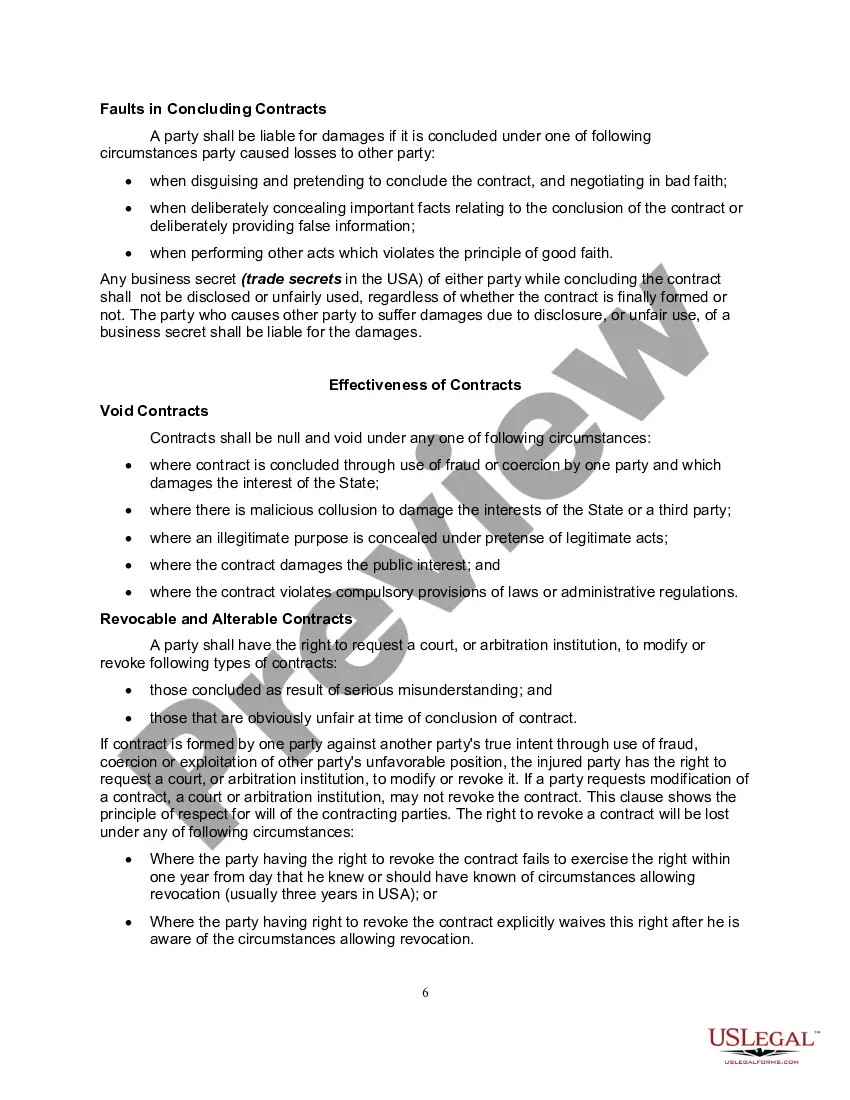
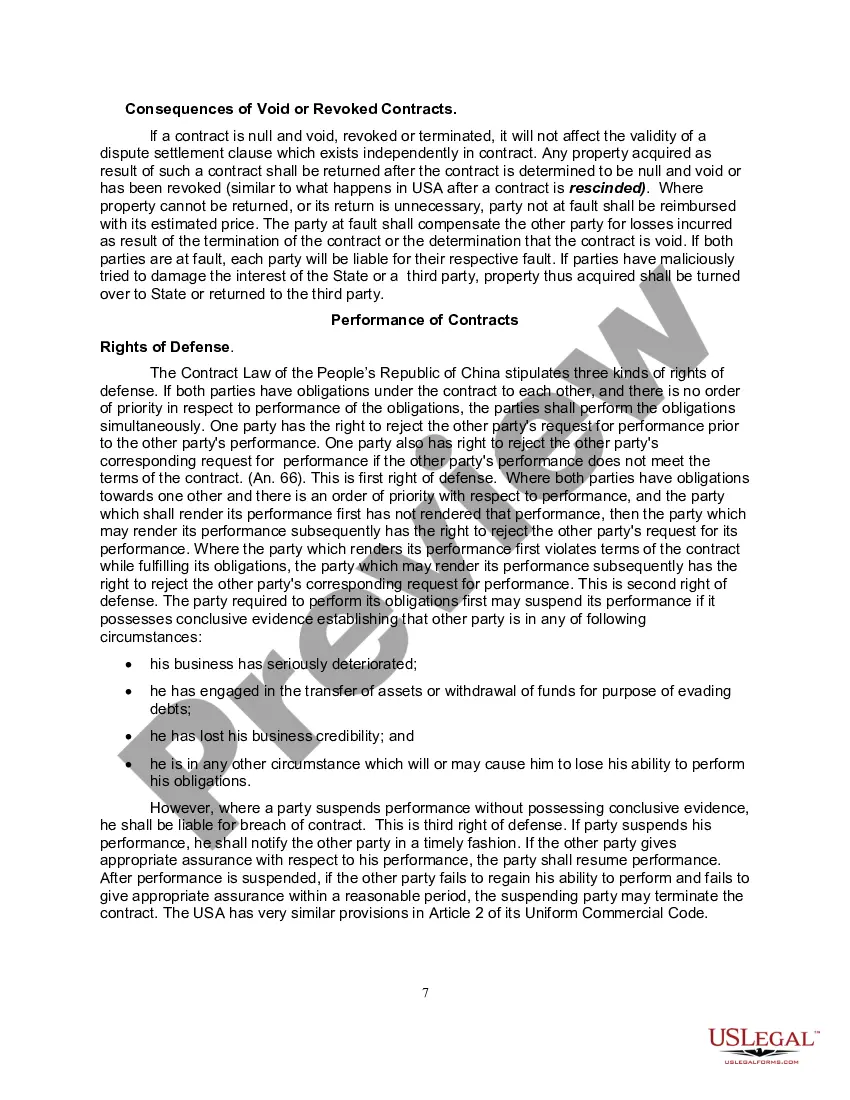
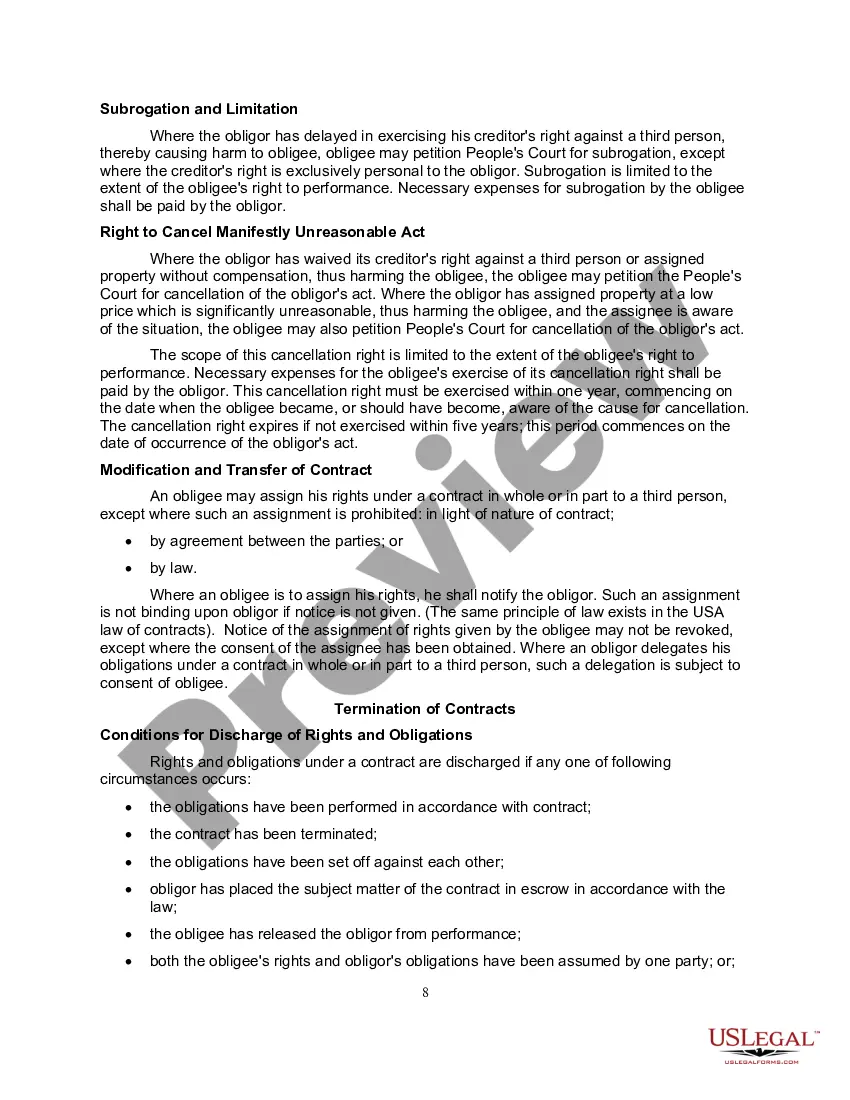
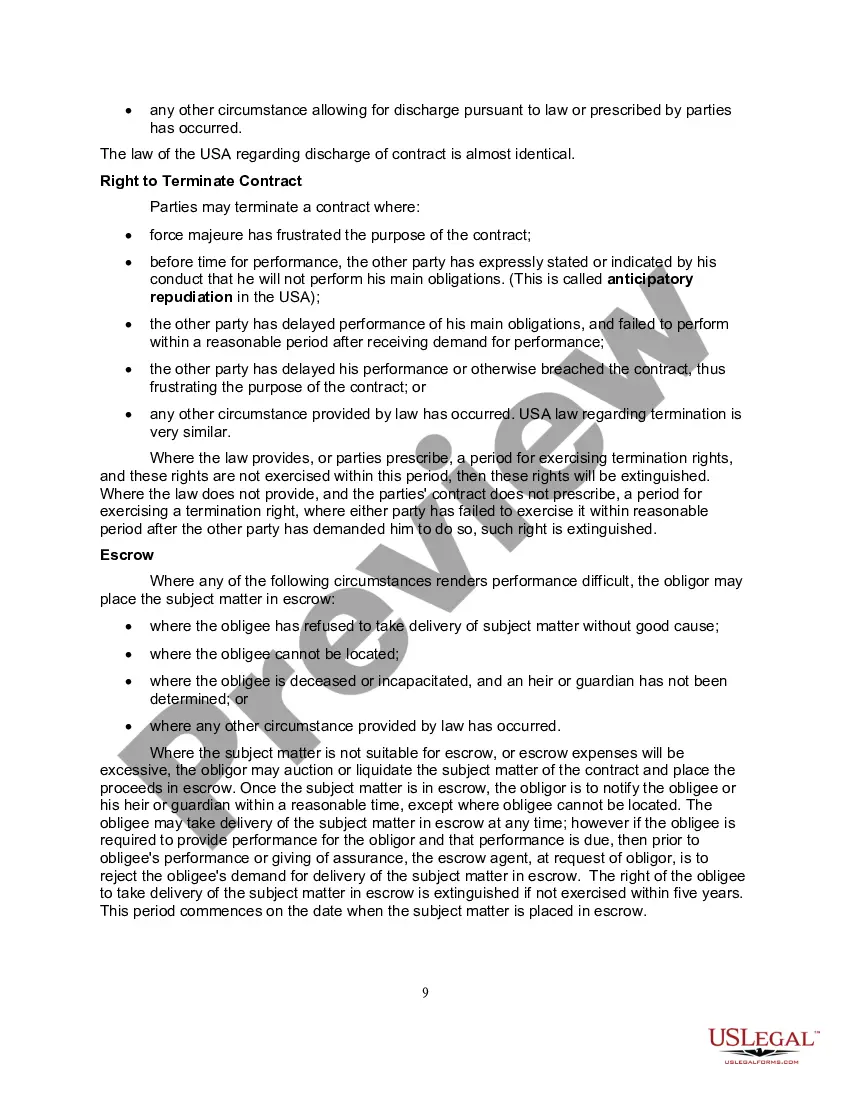
Contract Law For Non Lawyers In Virginia
Description

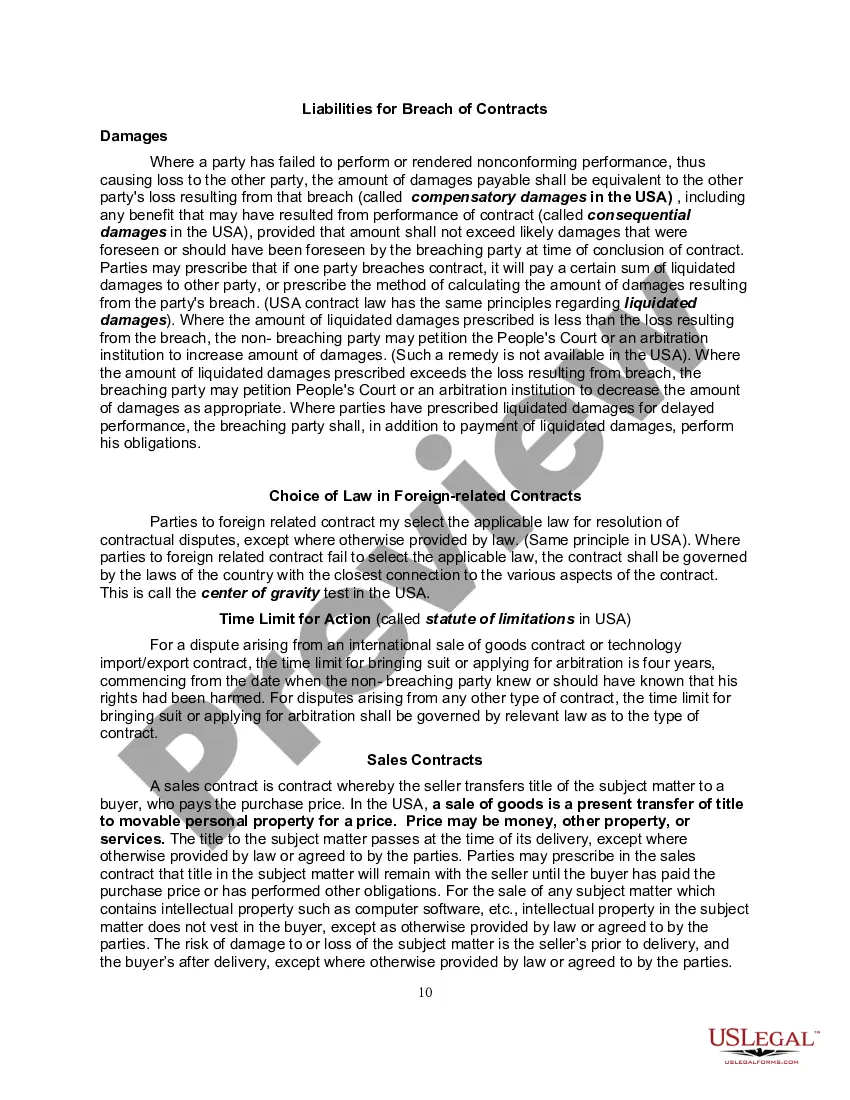


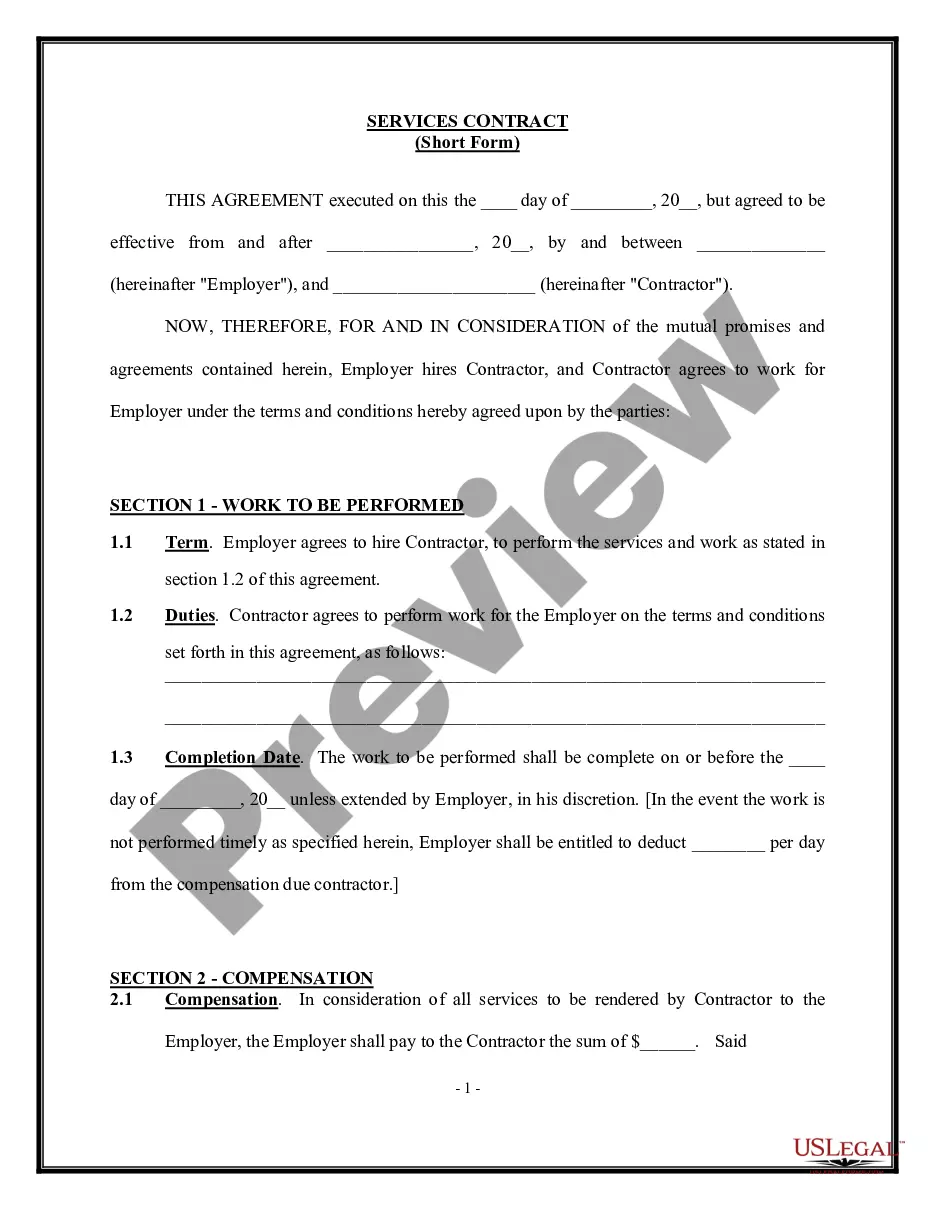
Get your form ready online
Our built-in tools help you complete, sign, share, and store your documents in one place.
Make edits, fill in missing information, and update formatting in US Legal Forms—just like you would in MS Word.
Download a copy, print it, send it by email, or mail it via USPS—whatever works best for your next step.
Sign and collect signatures with our SignNow integration. Send to multiple recipients, set reminders, and more. Go Premium to unlock E-Sign.
If this form requires notarization, complete it online through a secure video call—no need to meet a notary in person or wait for an appointment.
We protect your documents and personal data by following strict security and privacy standards.

Make edits, fill in missing information, and update formatting in US Legal Forms—just like you would in MS Word.

Download a copy, print it, send it by email, or mail it via USPS—whatever works best for your next step.

Sign and collect signatures with our SignNow integration. Send to multiple recipients, set reminders, and more. Go Premium to unlock E-Sign.

If this form requires notarization, complete it online through a secure video call—no need to meet a notary in person or wait for an appointment.

We protect your documents and personal data by following strict security and privacy standards.
Looking for another form?


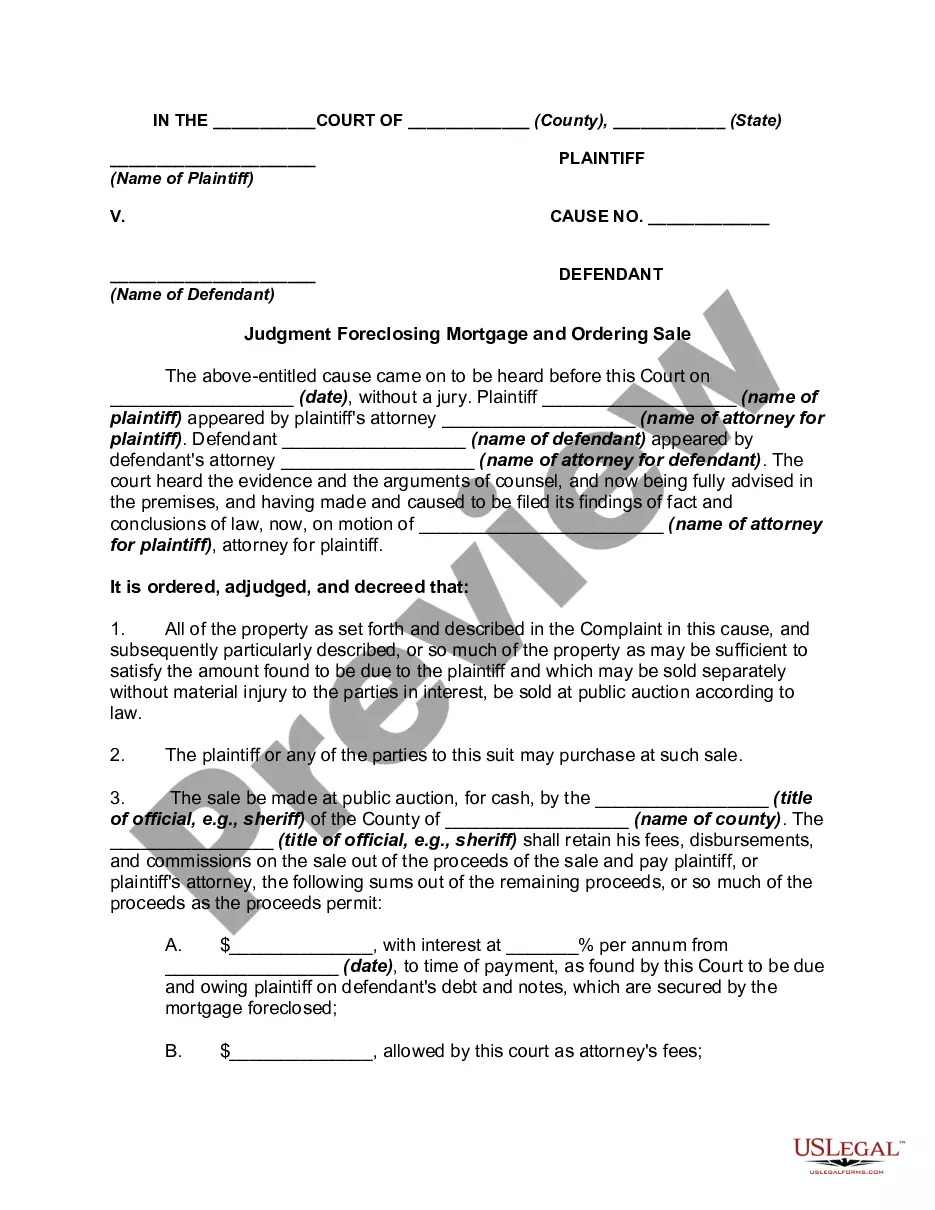
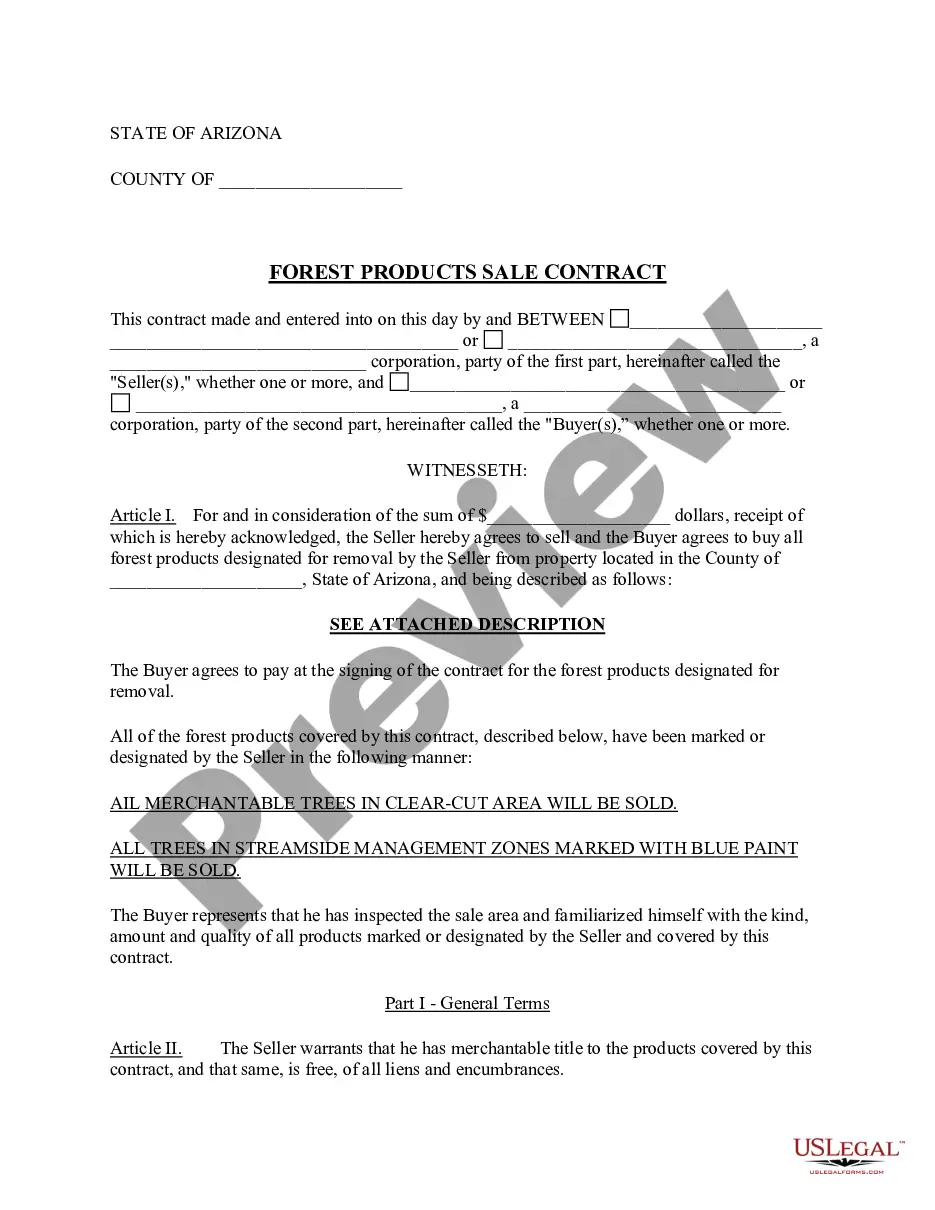
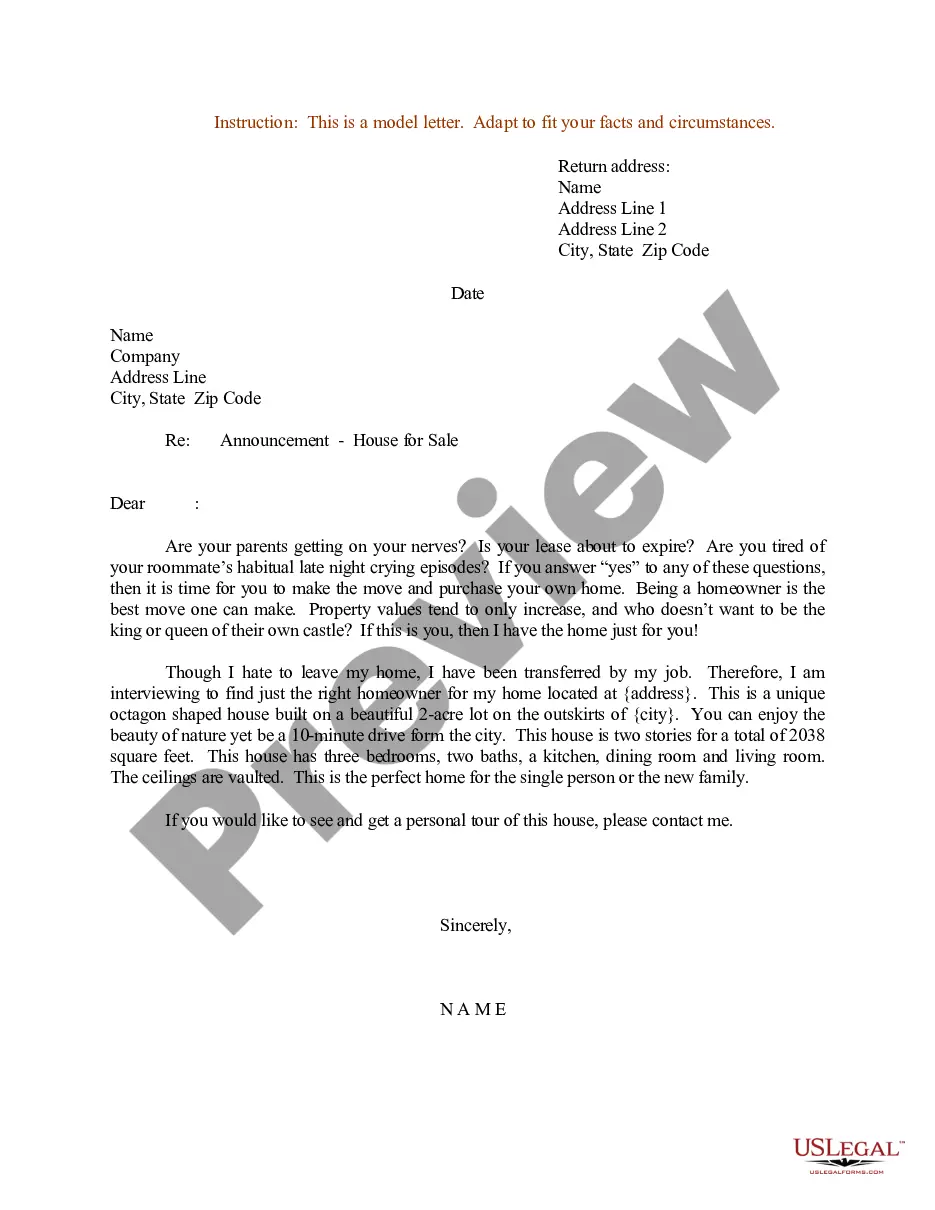
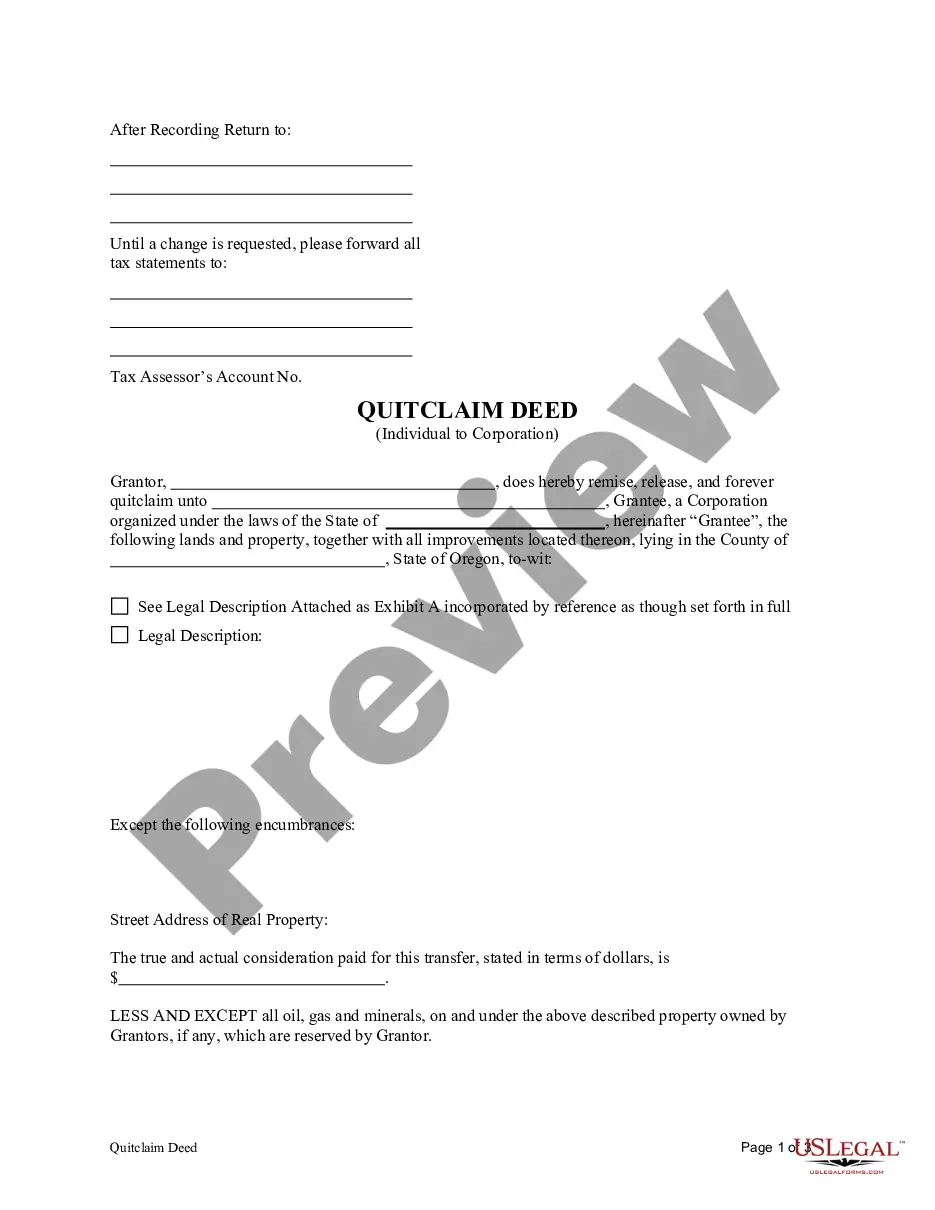
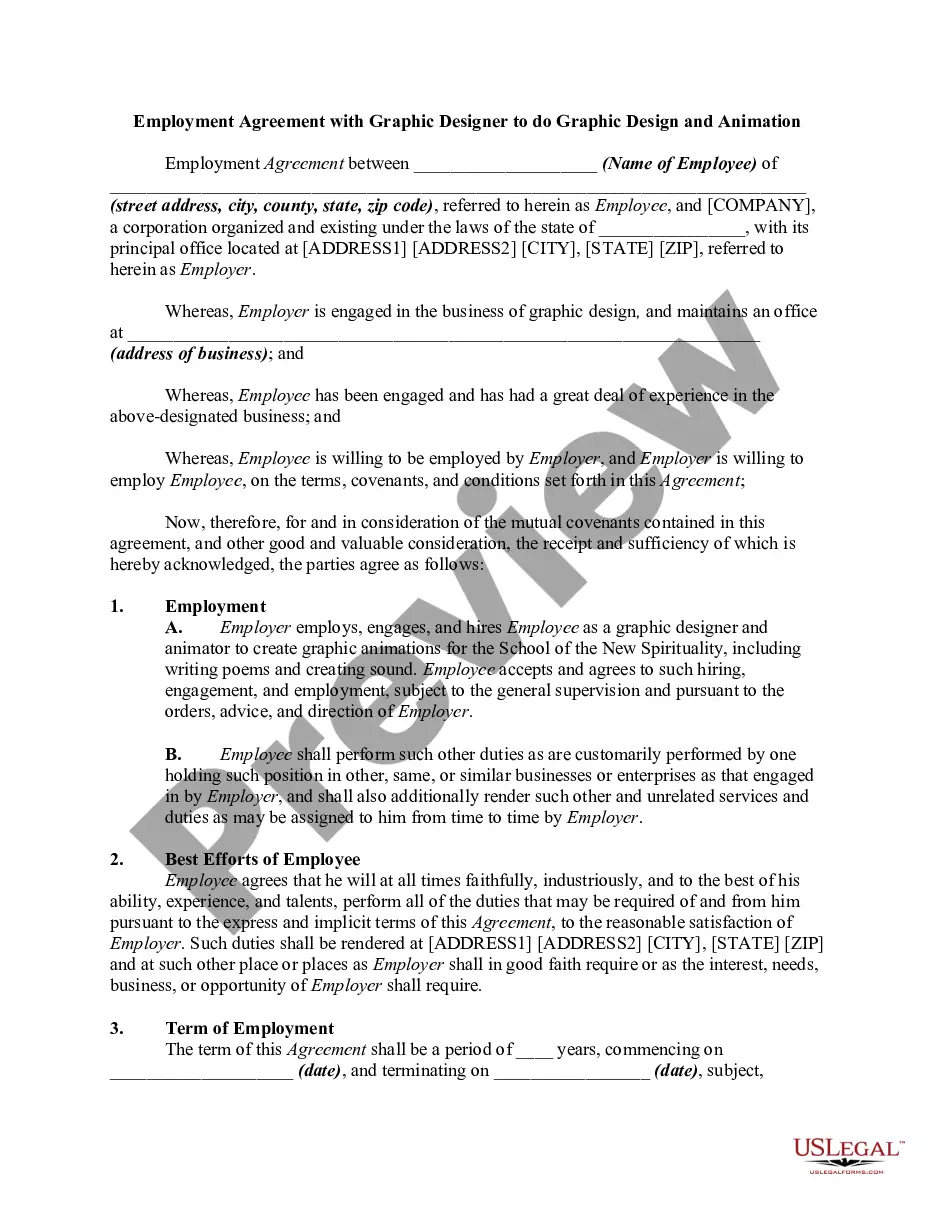



Form popularity
FAQ
You start a lawsuit by filing a complaint. In some circumstances, you file a petition or a motion. The court has several complaint forms that you may use in drafting your complaint. The forms are available online and at the Pro Se Intake Unit.
Irrespective of the reason behind your federal criminal charges or white-collar crimes, independently managing your case is generally not feasible. Consider hiring a federal criminal lawyer due to the complex nature of federal criminal law to help you make a convincing case.
How To Make A Legal Contract Without A Lawyer Can I Create My Own Contract? The short answer is yes. Write down all the details. Specify performance standards. Include a termination clause. Define key terms. Utilize contract templates. Additional Considerations Include. What App Can I Use To Create A Contract?
If you wish to start a civil action in federal court, but do not have an attorney to represent you, you may bring your case on your own. Bringing a case on your own is called proceeding "pro se". The Western District of Virginia has prepared a Pro Se Handbook specifically for the pro se litigant.
In the area of law, for a contract to be legally enforceable, several requirements must be met, including an offer; acceptance of that offer; mutual understanding of the agreement; capacity to agree; an item or service; consideration in exchange for the item or service; and legality of the contract itself, including ...
If you choose to file a lawsuit without an attorney, you first must go to the offices of the Clerk of the GDC in the city or county where: • the defendant lives, is employed or has a regular place of business; • the incident upon which your claim is based took place; or, • if the defendant is a corporation, its ...
While you may be able to file your lawsuit in person with the Clerk's office, most filing in federal court is done using an electronic system. The judge may order that you use this electronic system to understand what is happening with your case and to file documents.
Why You Need a Business Contract Lawyer. If you're asking whether you need a lawyer to draft a contract, legally, the answer is no. Anyone can draft a contract on their own and as long as the elements above are included and both parties are legally competent and consent to the agreement, it is generally lawful.
In the United States a written agreement written by someone who is not a lawyer is just as enforceable as one written by an attorney as long as it has the appropriate terms. For example, if it is a contract does it have enough of the elements of a contract to be understood? If so, it is enforceable.
Under California Business and Professions Code section 6450 (b) paralegals are not permitted to: Give legal advice. Represent a client in court. Select, explain, draft, or recommend the use of legal documents to or for any person other than the attorney who directs and supervises the paralegal.
