Contract Law Forfeiture In San Bernardino
Description



Get your form ready online
Our built-in tools help you complete, sign, share, and store your documents in one place.
Make edits, fill in missing information, and update formatting in US Legal Forms—just like you would in MS Word.
Download a copy, print it, send it by email, or mail it via USPS—whatever works best for your next step.
Sign and collect signatures with our SignNow integration. Send to multiple recipients, set reminders, and more. Go Premium to unlock E-Sign.
If this form requires notarization, complete it online through a secure video call—no need to meet a notary in person or wait for an appointment.
We protect your documents and personal data by following strict security and privacy standards.

Make edits, fill in missing information, and update formatting in US Legal Forms—just like you would in MS Word.

Download a copy, print it, send it by email, or mail it via USPS—whatever works best for your next step.

Sign and collect signatures with our SignNow integration. Send to multiple recipients, set reminders, and more. Go Premium to unlock E-Sign.

If this form requires notarization, complete it online through a secure video call—no need to meet a notary in person or wait for an appointment.

We protect your documents and personal data by following strict security and privacy standards.
Looking for another form?






Form popularity
FAQ
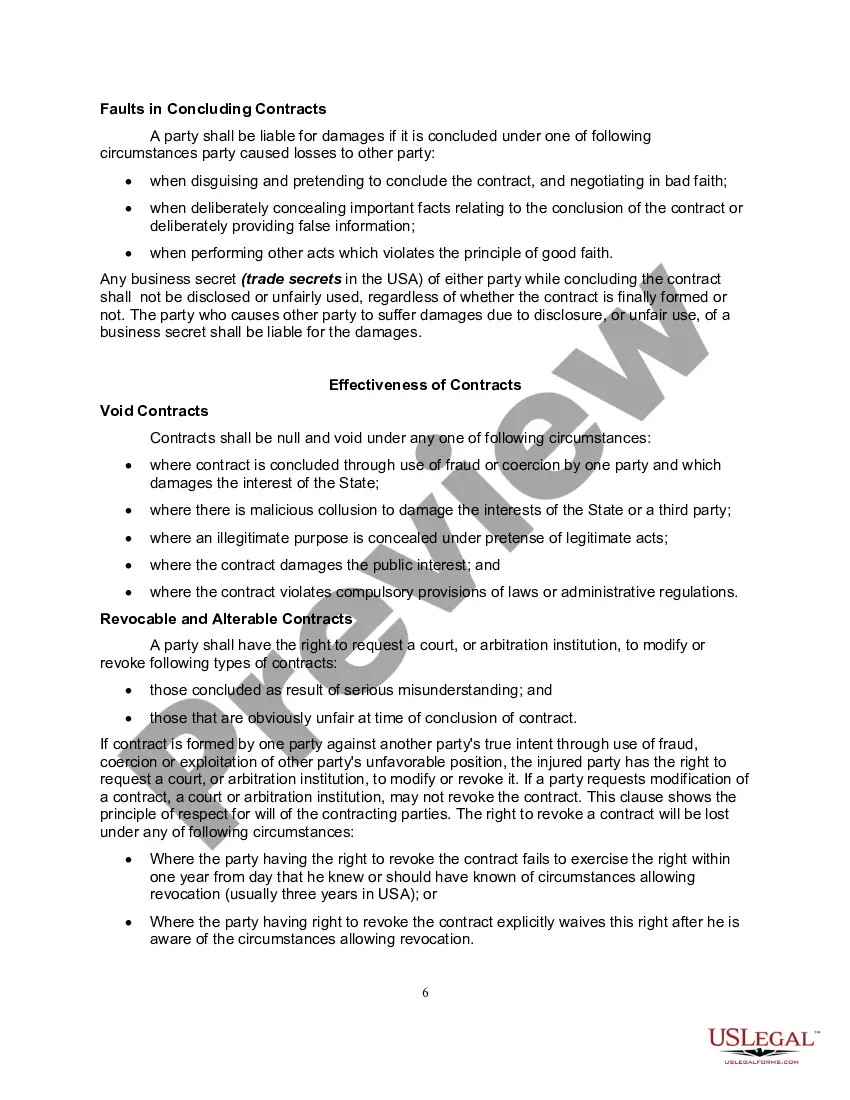
Under California asset forfeiture laws, the government is not supposed to seize a person's assets without having probable cause to connect them or their property to a crime. Because of this, the government has the burden of proof to support its case.
Exemption from the Enforcement of Judgments Type of PropertyCode Automobiles, Trucks, and other motor vehicles, including proceeds traced to the sale of the vehicle. CCP § 704.010 Art and Heirlooms & Jewelry CCP § 704.040 Relocation Benefits CCP § 704.180 Health Insurance Benefits and Disability Insurance Benefits CCP § 704.13027 more rows
There are three types of forfeiture under federal law: criminal forfeiture, civil judicial forfeiture, and administrative forfeiture.
TO CONTEST THE FORFEITURE OF THE PROPERTY IN UNITED STATES DISTRICT COURT YOU MUST FILE A CLAIM. Failure to file a claim may result in the seized property being forfeited to the United States. To file a claim: A claim must be filed with the agency that gave notice of the seizure and intent to forfeit.
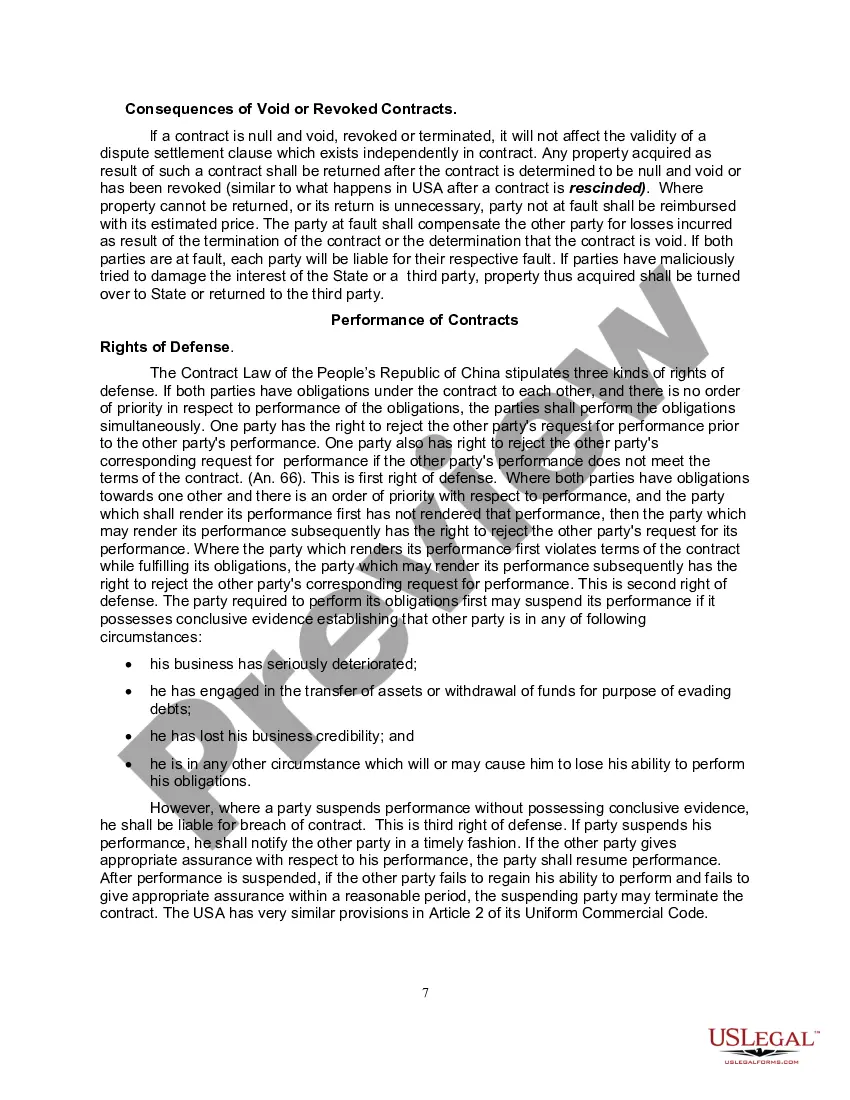
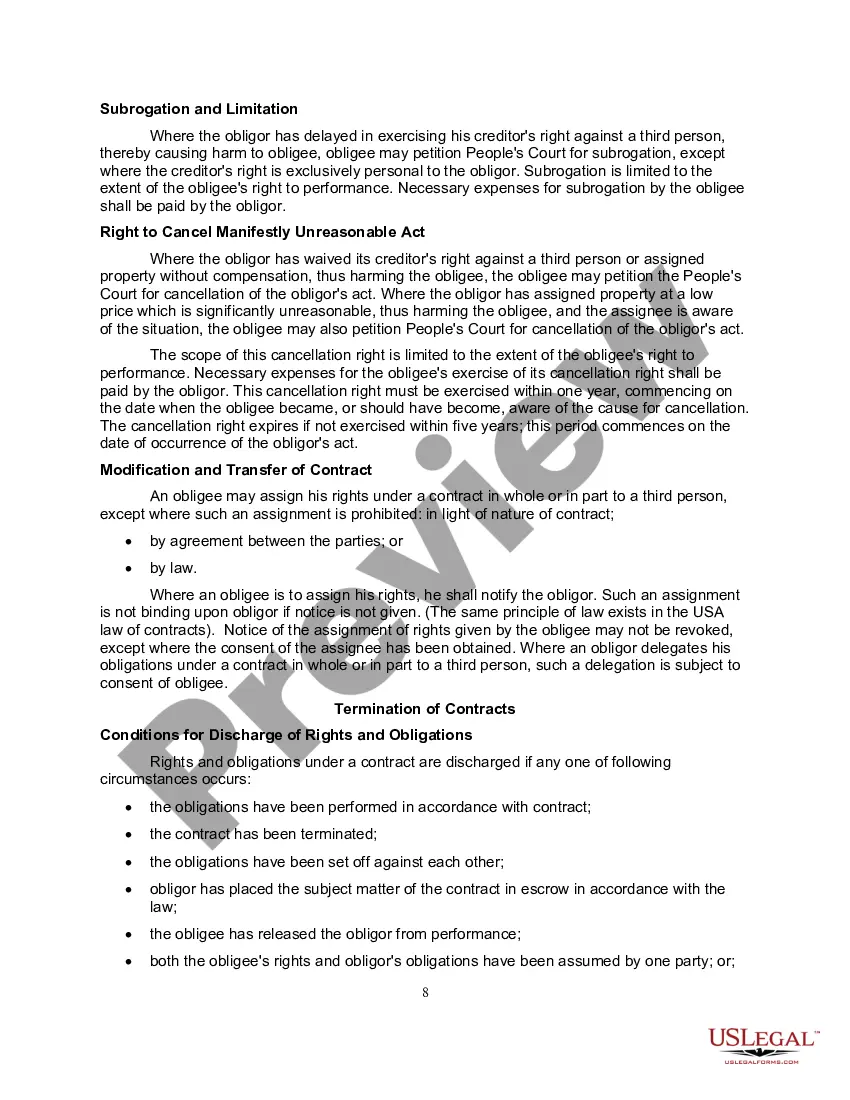
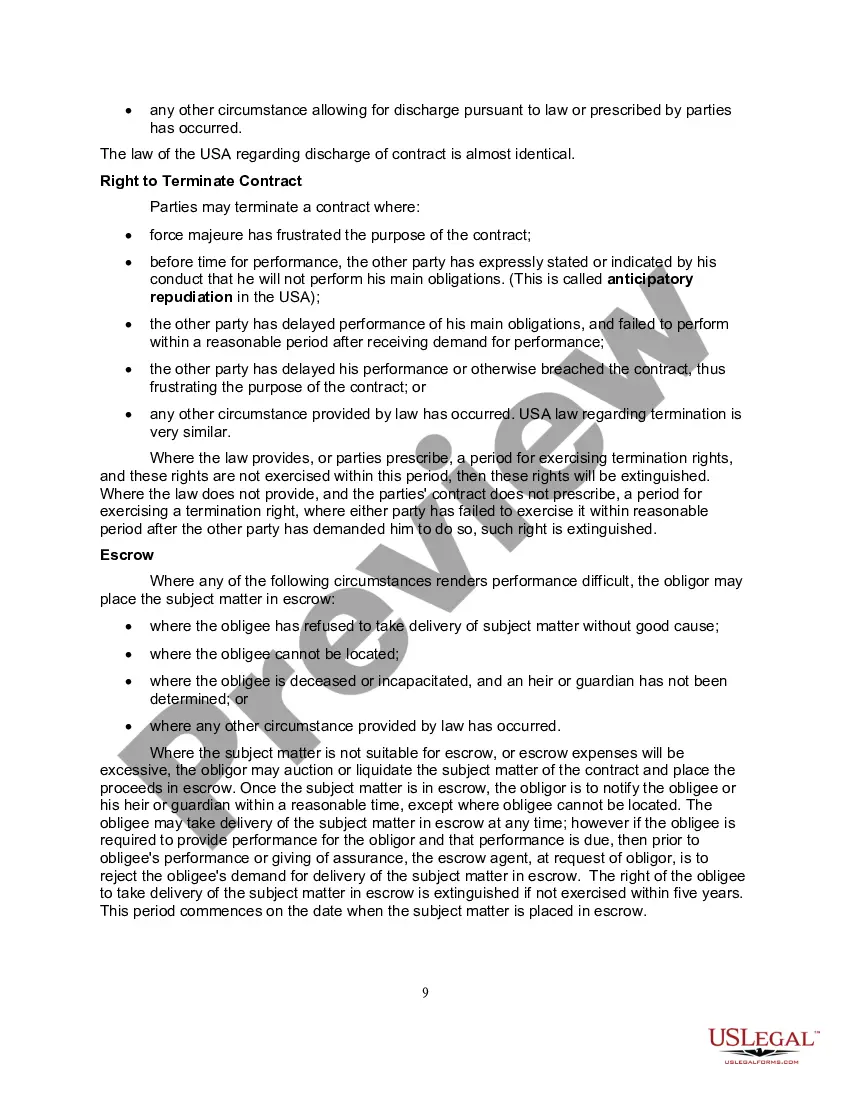
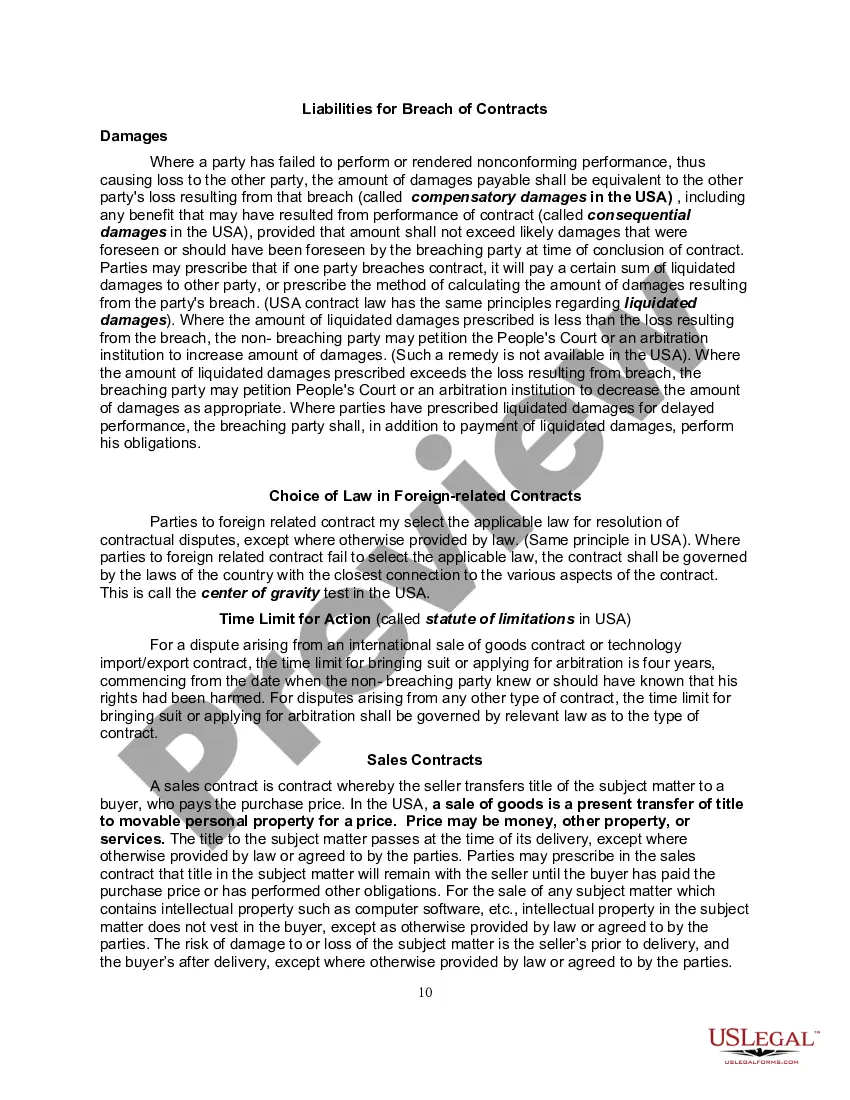
Forfeit or forfeiture means losing a right, privilege, or property without compensation as a consequence of violating the law, breaching a legal obligation , failing to perform a contractual obligation or condition , or neglecting a legal duty .
Forfeiture is broadly defined as the loss of property for failing to obey the law, and that property is generally lost to the state. A person may have a vested interest in property to be forfeit in two ways: In personum jurisdiction and in rem jurisdiction.
Forfeit or forfeiture means losing a right, privilege, or property without compensation as a consequence of violating the law, breaching a legal obligation, failing to perform a contractual obligation or condition, or neglecting a legal duty.
If you want to know how to fight civil forfeiture effectively, contact a lawyer immediately. They can help you find evidence, gather witnesses, and craft a tailor-made strategy to help get back what is rightfully yours. If you don't contest forfeiture, the government can take your property permanently.
In any civil forfeiture proceeding under a civil forfeiture statute in which the Government prevails, if the court finds that the claimant's assertion of an interest in the property was frivolous, the court may impose a civil fine on the claimant of an amount equal to 10 percent of the value of the forfeited property, ...
