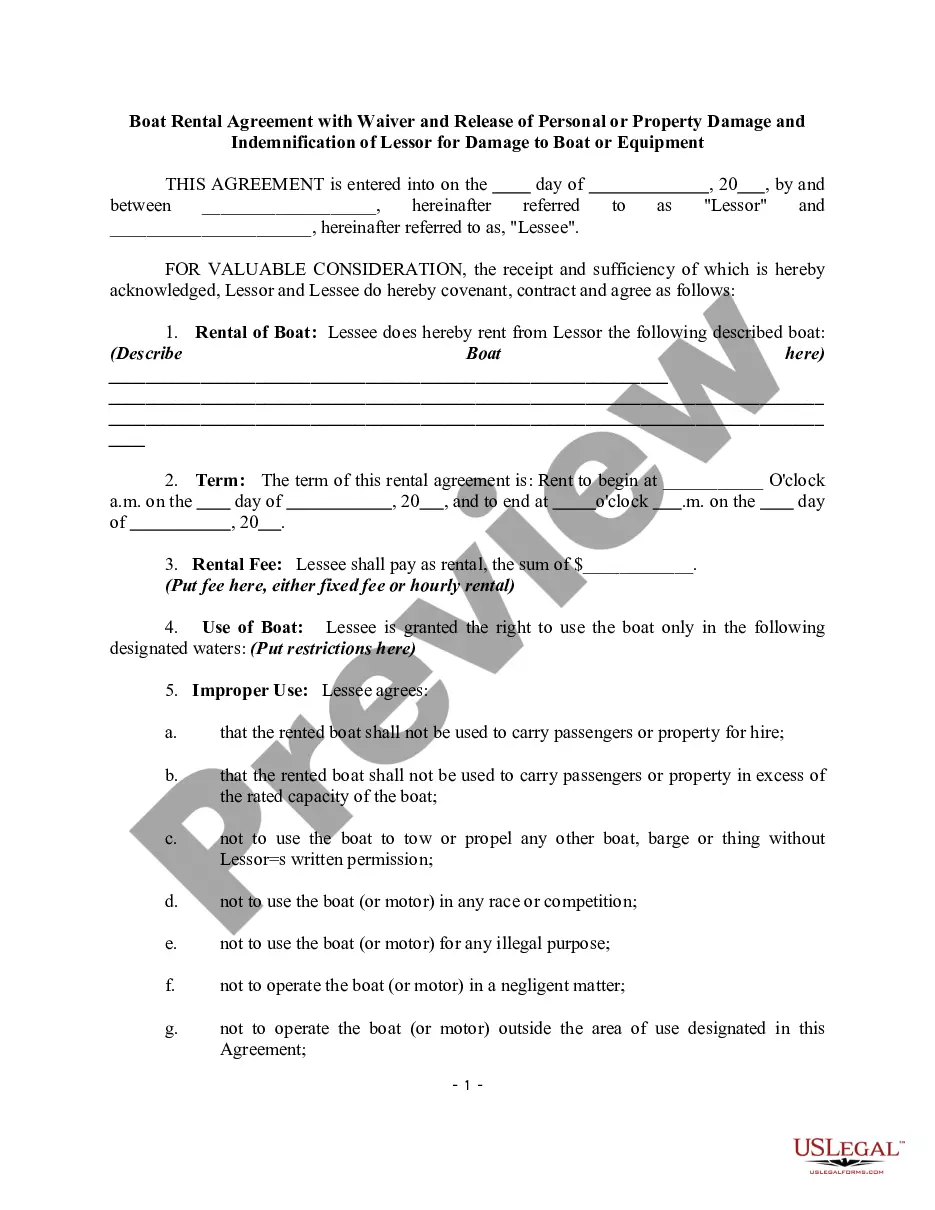
Contract Law For Minors In San Bernardino
Description




Get your form ready online
Our built-in tools help you complete, sign, share, and store your documents in one place.
Make edits, fill in missing information, and update formatting in US Legal Forms—just like you would in MS Word.
Download a copy, print it, send it by email, or mail it via USPS—whatever works best for your next step.
Sign and collect signatures with our SignNow integration. Send to multiple recipients, set reminders, and more. Go Premium to unlock E-Sign.
If this form requires notarization, complete it online through a secure video call—no need to meet a notary in person or wait for an appointment.
We protect your documents and personal data by following strict security and privacy standards.

Make edits, fill in missing information, and update formatting in US Legal Forms—just like you would in MS Word.

Download a copy, print it, send it by email, or mail it via USPS—whatever works best for your next step.

Sign and collect signatures with our SignNow integration. Send to multiple recipients, set reminders, and more. Go Premium to unlock E-Sign.

If this form requires notarization, complete it online through a secure video call—no need to meet a notary in person or wait for an appointment.

We protect your documents and personal data by following strict security and privacy standards.
Looking for another form?
Form popularity
FAQ
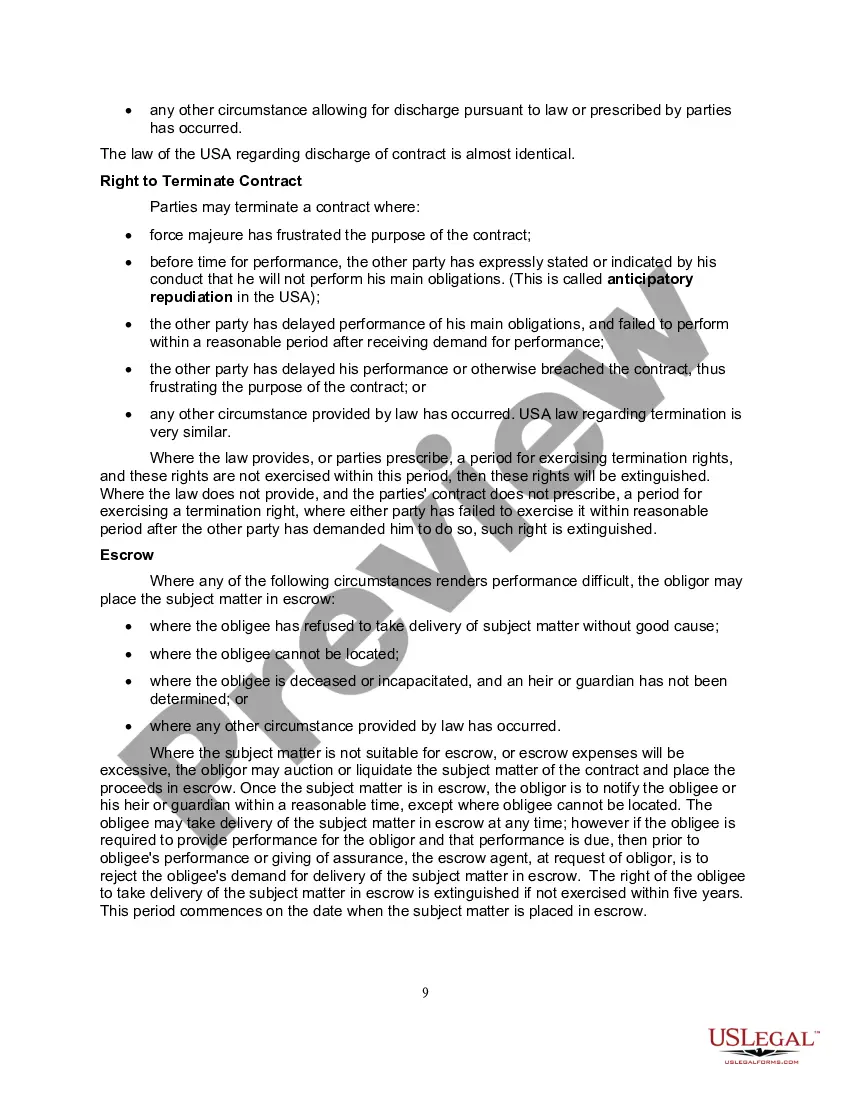
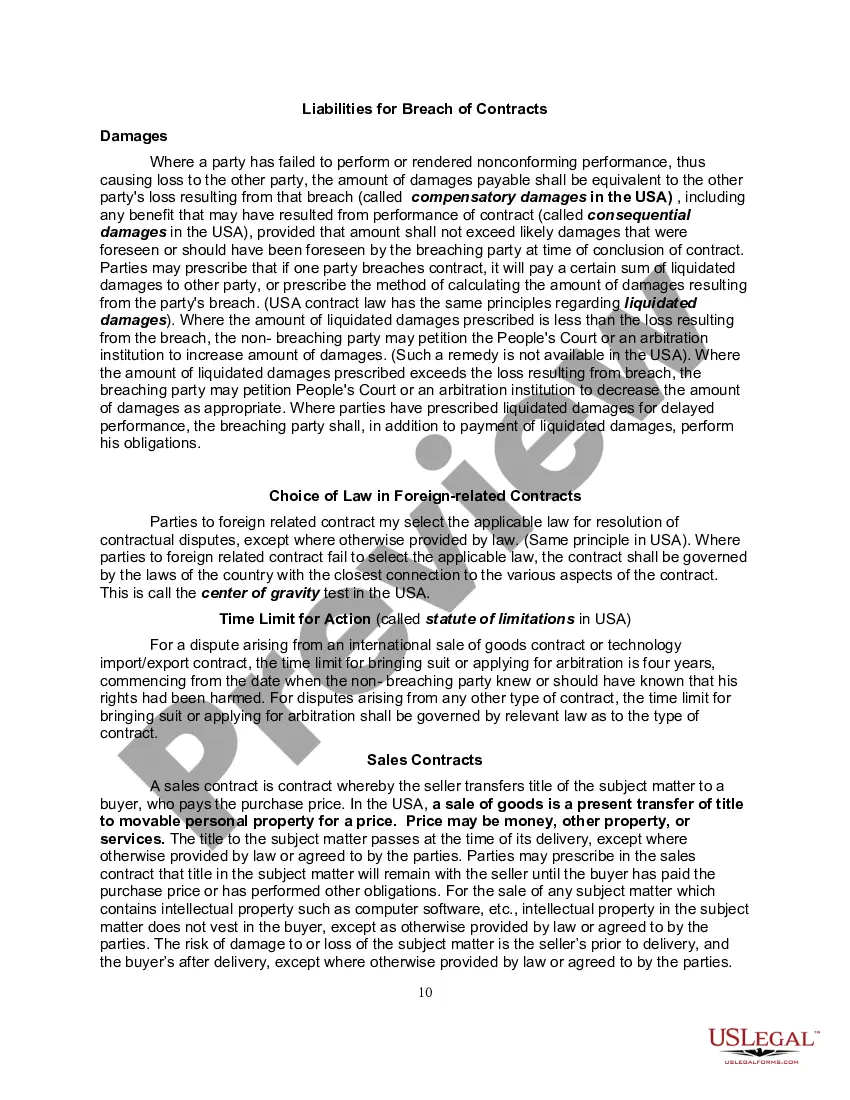
A minor can get into any contract, but the general law concerning a contract with a minor is that such contracts are voidable. The law is formulated to safeguard minors who cannot fully understand the consequences of a contract. This implies that minors can exit the contract at their will.
In the U.S., as in other countries, a contract signed with a minor is void and voidable. There's a distinction between the two terms: A void contract is illegal and invalid from the start, which also means that it cannot be enforced.
By: Diana Budninskiy, Esq. In California, a contract with a minor (anyone under the age of 18) can generally be disaffirmed by the minor. 1 A disaffirmed contract is not enforceable.
In many cases, minors can't be held to the terms of a contract until they reach the age of majority. In other words, a minor has the right to opt out of a contract, even if the other party is an adult and is bound by the terms.
In the U.S., as in other countries, a contract signed with a minor is void and voidable. There's a distinction between the two terms: A void contract is illegal and invalid from the start, which also means that it cannot be enforced.
In most states, minors are not legally able to enter into contracts, and any contract they do enter into is considered voidable . However, parents can be held liable for contracts made by their minor children if they have given their consent or if the contract is for necessaries such as food, clothing, or shelter .
As an example, a contract with a minor is voidable at the discretion of the minor on grounds of his age. But it is still binding on the party on the other side should the minor so decide.
16 and 17 year olds They may work 4 hours per day on any school day, 8 hours on any non-school day or any day preceding a non-school day, up to 48 hours per week, and between a.m. and p. m., except on evenings preceding non-school days, the minor may work until a.m.
Clearly state the purpose and scope of the contract. Specify the responsibilities, expectations, and obligations of both the parent(s) and the child(ren). This may include topics such as chores, curfews, academic performance, and behavior. List any specific rules or guidelines that need to be followed.
Age 6-8: four hours (maximum eight and a half hours on set) Age 9-15: five hours (maximum of nine and a half hours on set) Age 16-17 six hours (maximum of ten and a half hours on set)