Contract Law In India In Salt Lake
Description




Get your form ready online
Our built-in tools help you complete, sign, share, and store your documents in one place.
Make edits, fill in missing information, and update formatting in US Legal Forms—just like you would in MS Word.
Download a copy, print it, send it by email, or mail it via USPS—whatever works best for your next step.
Sign and collect signatures with our SignNow integration. Send to multiple recipients, set reminders, and more. Go Premium to unlock E-Sign.
If this form requires notarization, complete it online through a secure video call—no need to meet a notary in person or wait for an appointment.
We protect your documents and personal data by following strict security and privacy standards.

Make edits, fill in missing information, and update formatting in US Legal Forms—just like you would in MS Word.

Download a copy, print it, send it by email, or mail it via USPS—whatever works best for your next step.

Sign and collect signatures with our SignNow integration. Send to multiple recipients, set reminders, and more. Go Premium to unlock E-Sign.

If this form requires notarization, complete it online through a secure video call—no need to meet a notary in person or wait for an appointment.

We protect your documents and personal data by following strict security and privacy standards.
Looking for another form?




Form popularity
FAQ
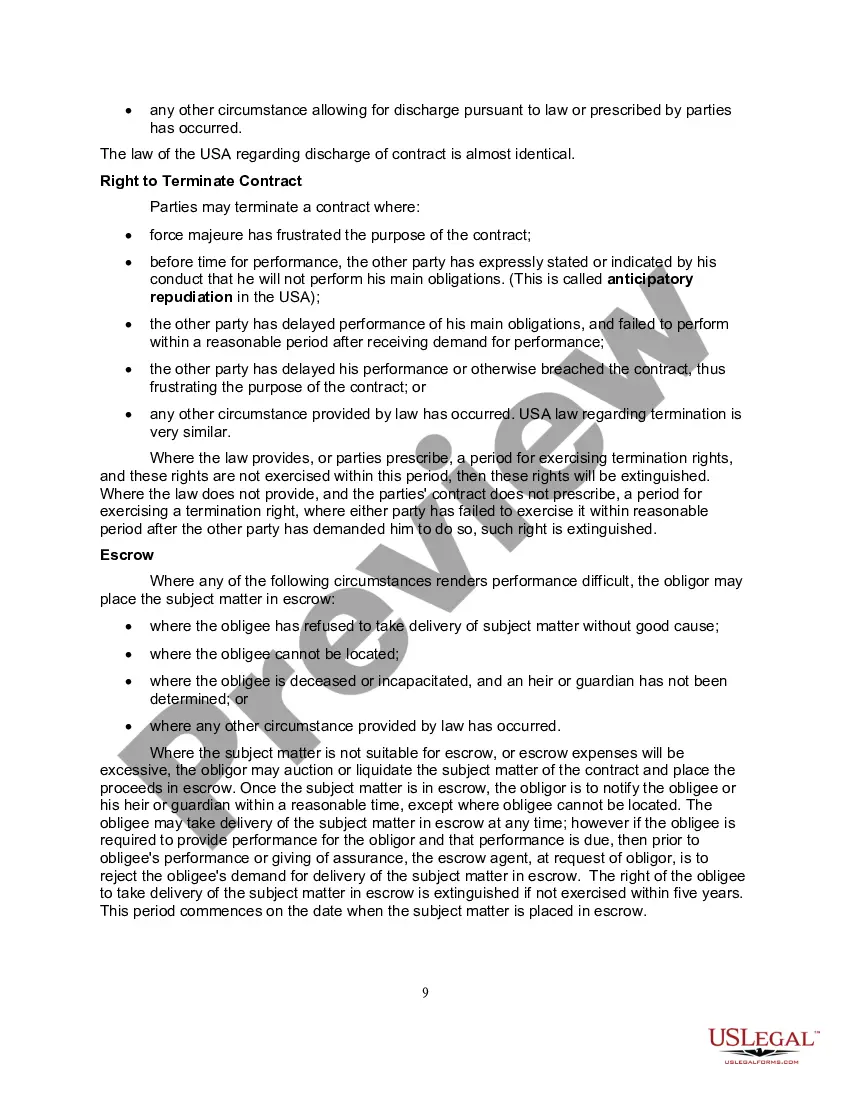
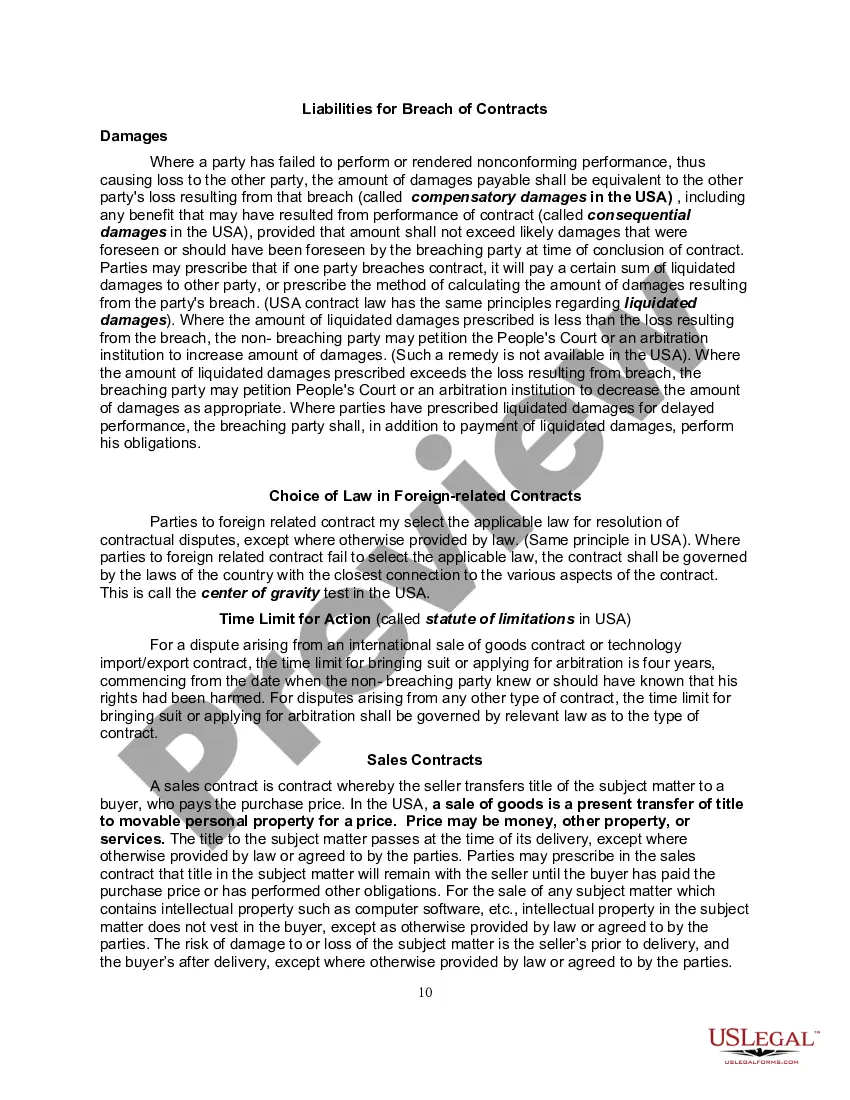
It determines the circumstances in which promises made by the parties to a contract shall be legally binding. Under Section 2(h), the Indian Contract Act defines a contract as an agreement enforceable by Law. To define and amend certain parts of the law relating to contracts.
Acceptance must be absolute. — In order to convert a proposal into a promise the acceptance must— (1)be absolute and unqualified; (2)be expressed in some usual and reasonable manner, unless the proposal prescribes the manner in which it is to be accepted.
The Indian Contract Act 1872 is the foundational statute governing all types of agreements in India. It provides a structured legal framework that businesses and individuals must adhere to when forming legally binding contracts.
Can an employment agreement be enforced in India? The Indian Contracts Act makes no mention of an employment agreement. Nonetheless, it is allowed in India as long as it does not place any undue restrictions on the employee.
To be legally valid, a contract must fulfill four basic requirements: All signees must be above the age of consent. All parties must agree to the contract freely. All parties must be able to understand the agreement (legal capacity) The terms of the agreement must be permitted in law.
A valid contract consists of the roles, responsibilities, and expectations of all the parties that are involved in the business. A contract can only be valid when all its elements are in place. It is important for both parties to ensure all the essentials of a valid contract have complied.
A written agreement comprising commitments and duties that must be met by two or more parties is called a contract. Since only the parties to the written agreement have legal standing and it is enforced by law, violating any of those rights might lead to legal action or even the deal's total repudiation.
A Contract is an agreement that is accepted by both parties and is enforceable by law. It gives certain rights to all the parties involved and also bestows on them certain obligations that they must fulfill.
First, to become a contract attorney, one must earn a bachelor's degree and graduate with good grades. It is recommended, but not required, to earn a degree in a legally-related field, such as criminal justice or political science. Before applying for law school, you must take the LSAT and get a good score.