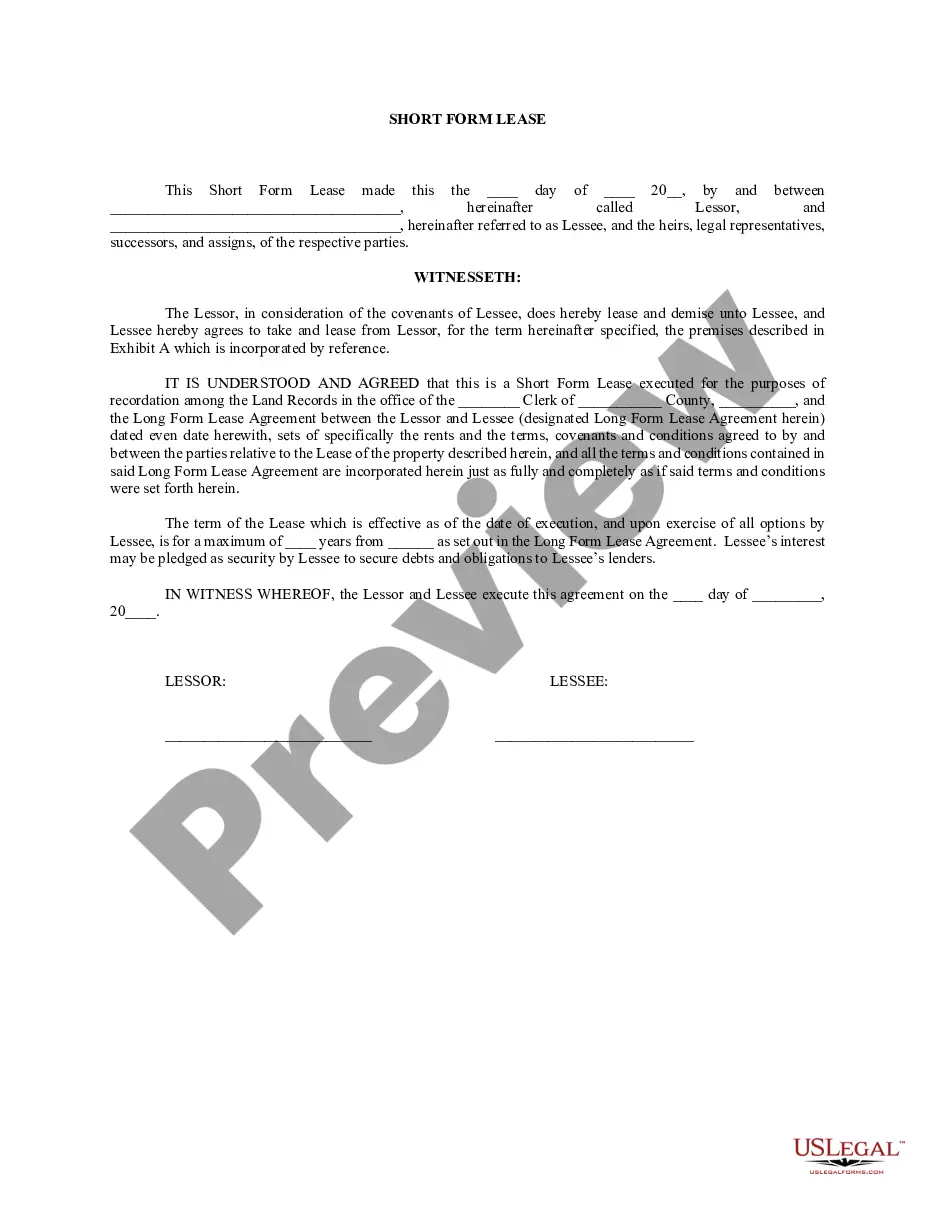
Contract Law In Rwanda In Palm Beach
Description




Get your form ready online
Our built-in tools help you complete, sign, share, and store your documents in one place.
Make edits, fill in missing information, and update formatting in US Legal Forms—just like you would in MS Word.
Download a copy, print it, send it by email, or mail it via USPS—whatever works best for your next step.
Sign and collect signatures with our SignNow integration. Send to multiple recipients, set reminders, and more. Go Premium to unlock E-Sign.
If this form requires notarization, complete it online through a secure video call—no need to meet a notary in person or wait for an appointment.
We protect your documents and personal data by following strict security and privacy standards.

Make edits, fill in missing information, and update formatting in US Legal Forms—just like you would in MS Word.

Download a copy, print it, send it by email, or mail it via USPS—whatever works best for your next step.

Sign and collect signatures with our SignNow integration. Send to multiple recipients, set reminders, and more. Go Premium to unlock E-Sign.

If this form requires notarization, complete it online through a secure video call—no need to meet a notary in person or wait for an appointment.

We protect your documents and personal data by following strict security and privacy standards.
Looking for another form?









Form popularity
FAQ
Like other areas of private law, contract law varies between jurisdictions. In general, contract law is exercised and governed either under common law jurisdictions, civil law jurisdictions, or mixed-law jurisdictions that combine elements of both common and civil law.
Contract law is generally governed by state common law, and while general overall contract law is common throughout the country, some specific court interpretations of a particular element of the contract may vary between the states.
Contract law falls within civil law legislation and is subject to civil proceedings. Civil law proceedings comprise areas of law such as Family law, wills, contracts law, etc.
Is Breaching a Contract a Crime? Breaching a contract is generally not considered a criminal offense unless it involves something like fraud.
You cannot form a valid contract in Florida without consideration. Both parties must give “consideration” for a contract to be formed. If one party does not receive consideration as part of the agreement, only a mere promise has been made. Promises are not enforceable in Florida.
Illegal agreements are those consideration or object of which is not legal as well as punishable in nature for example, agreement to murder someone.
Contracts are promises that the law will enforce. Contract law is generally governed by state common law, and while general overall contract law is common throughout the country, some specific court interpretations of a particular element of the contract may vary between the states.
With the exception of motions filed pursuant to rule 9.410(b), a party may serve 1 response to a motion within 15 days of service of the motion. The court may shorten or extend the time for response to a motion.
You may also file a complaint by calling our office at 561-233-5500 Monday – Friday AM to PM, excluding County recognized holidays. An on-call Code Enforcement Officer is also available at 561-233-5523 for general questions Monday – Friday AM to PM, excluding County recognized holidays.
County Civil Court has jurisdiction over claims up to and including $50,000. A County Civil case is any civil matter that falls within the jurisdiction of County Court.