Contract Law With Good Faith In Orange
Description

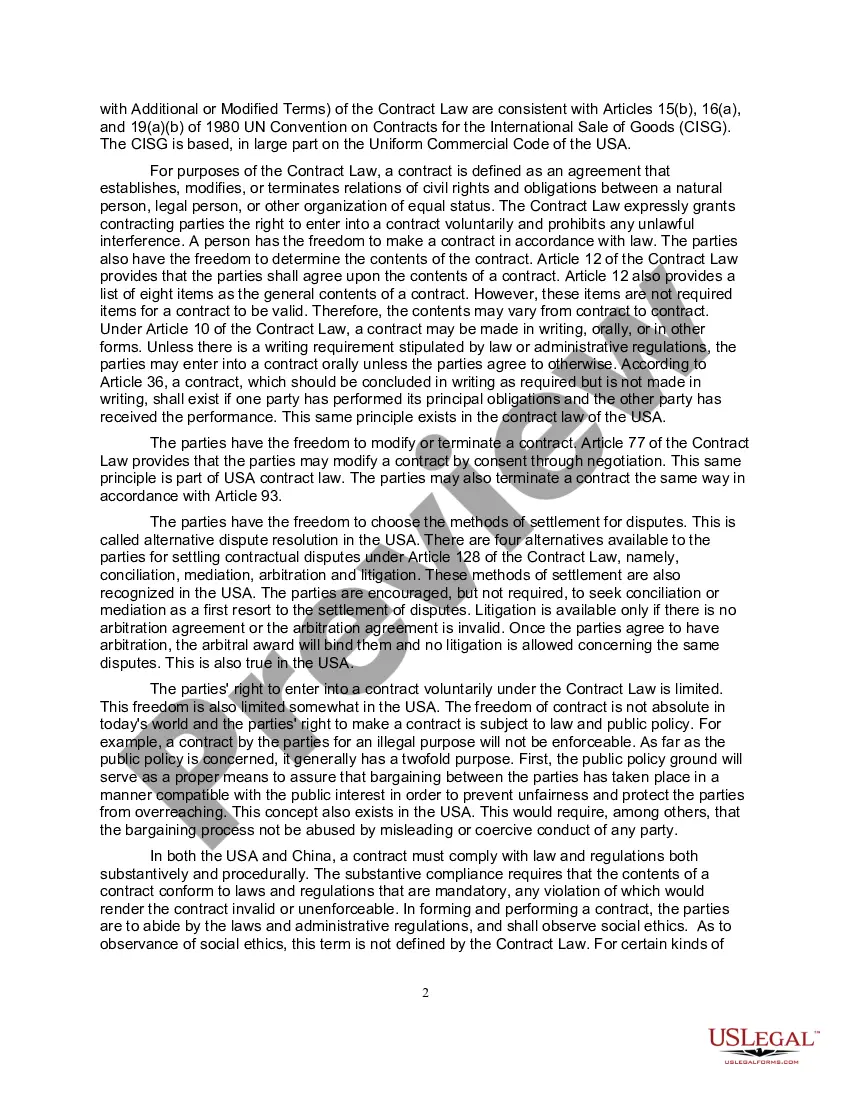
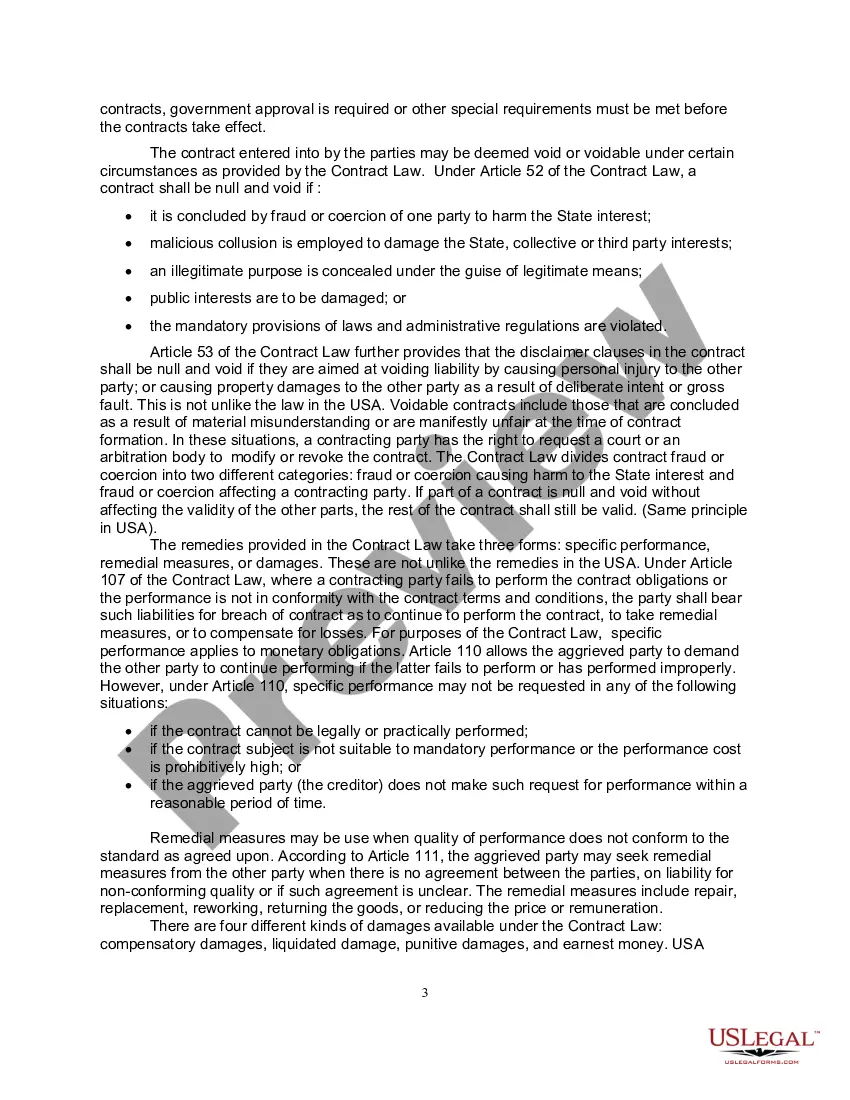
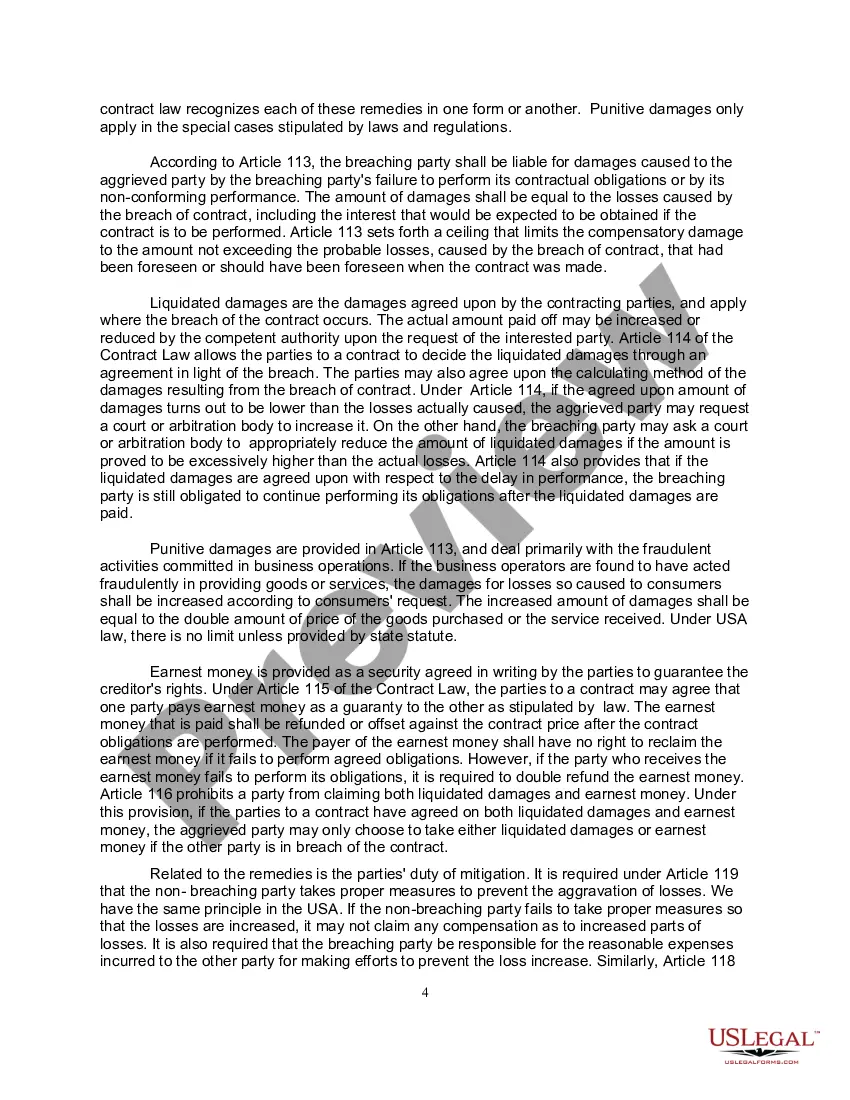
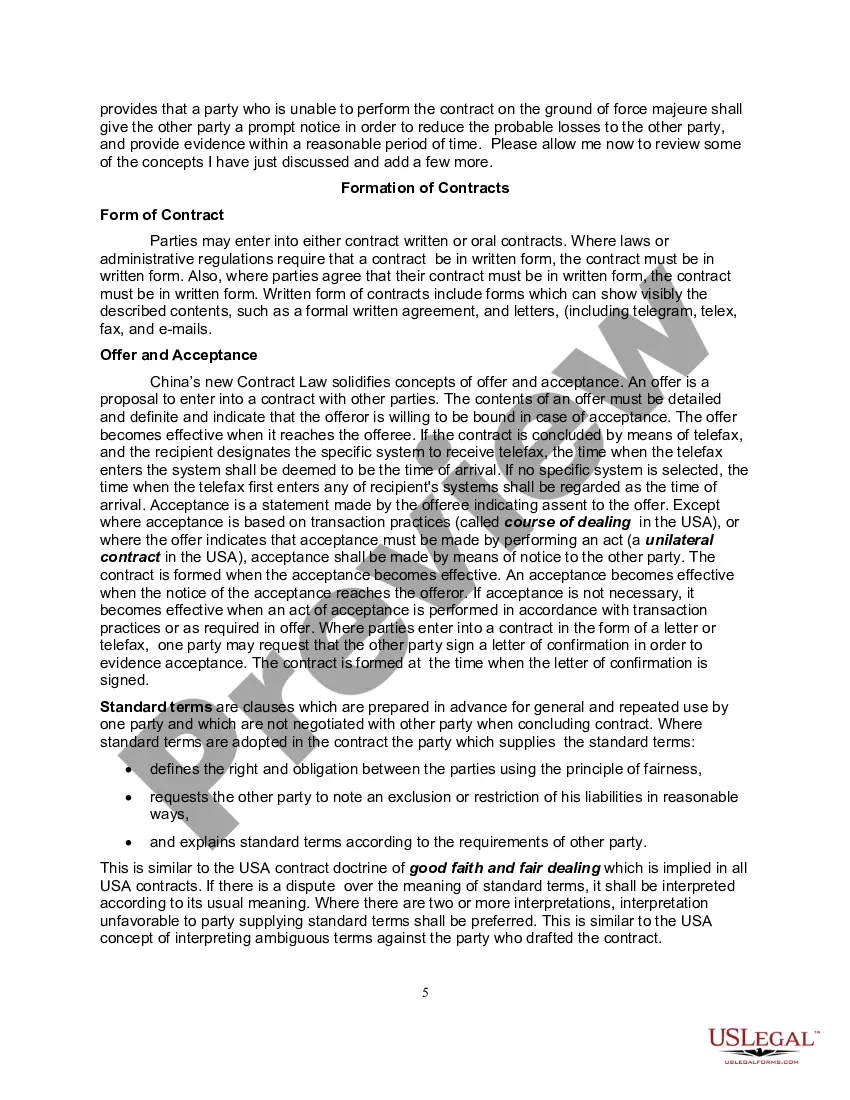


Get your form ready online
Our built-in tools help you complete, sign, share, and store your documents in one place.
Make edits, fill in missing information, and update formatting in US Legal Forms—just like you would in MS Word.
Download a copy, print it, send it by email, or mail it via USPS—whatever works best for your next step.
Sign and collect signatures with our SignNow integration. Send to multiple recipients, set reminders, and more. Go Premium to unlock E-Sign.
If this form requires notarization, complete it online through a secure video call—no need to meet a notary in person or wait for an appointment.
We protect your documents and personal data by following strict security and privacy standards.

Make edits, fill in missing information, and update formatting in US Legal Forms—just like you would in MS Word.

Download a copy, print it, send it by email, or mail it via USPS—whatever works best for your next step.

Sign and collect signatures with our SignNow integration. Send to multiple recipients, set reminders, and more. Go Premium to unlock E-Sign.

If this form requires notarization, complete it online through a secure video call—no need to meet a notary in person or wait for an appointment.

We protect your documents and personal data by following strict security and privacy standards.
Looking for another form?









Form popularity
FAQ
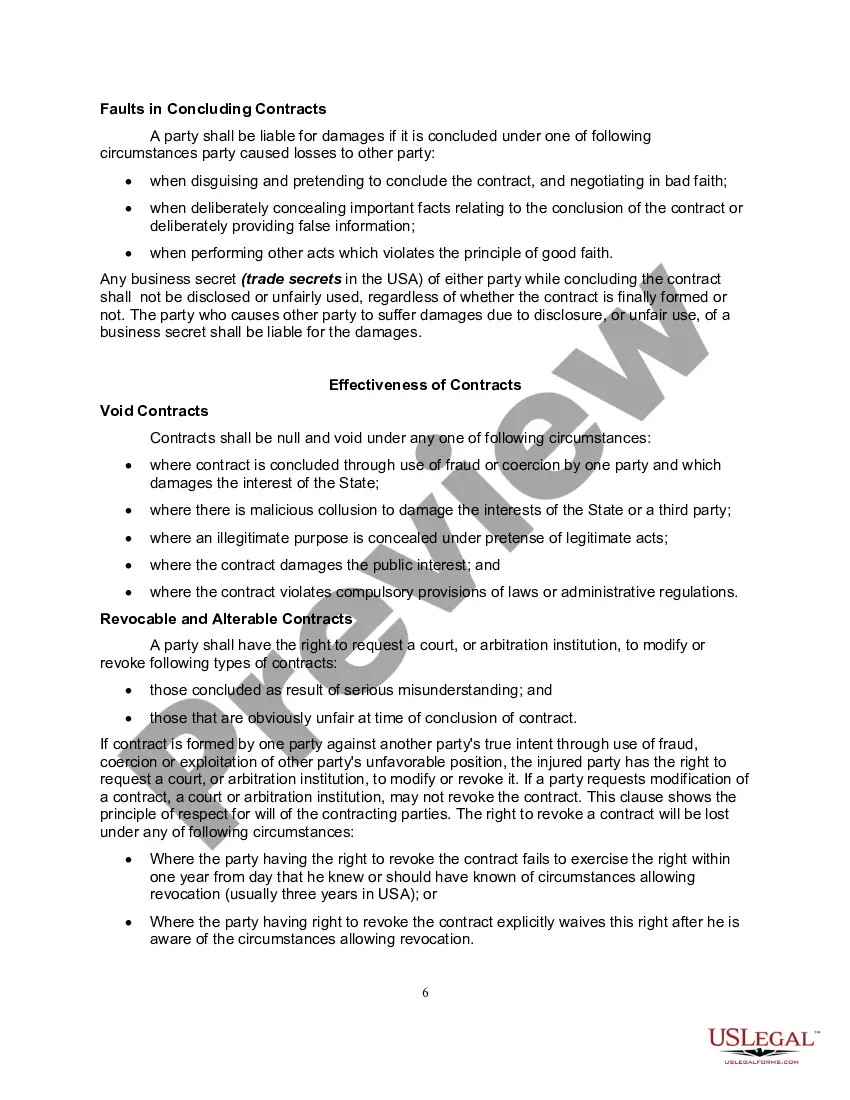
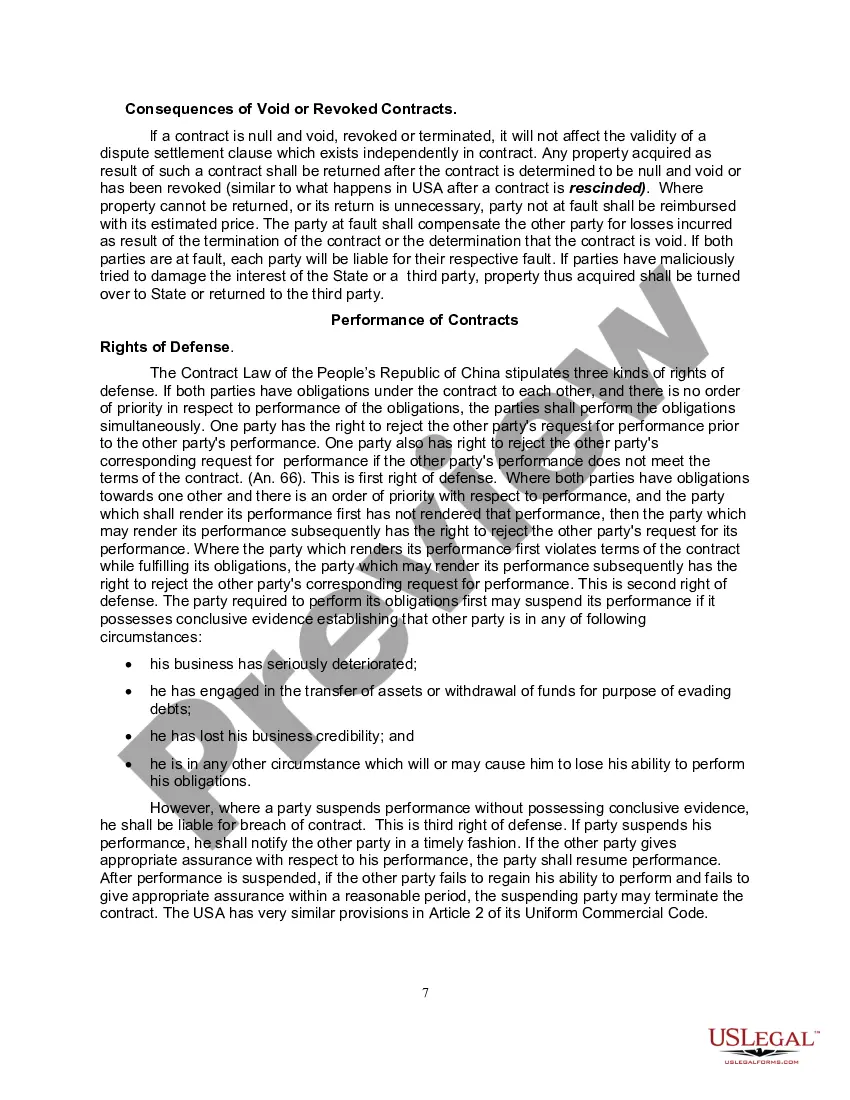
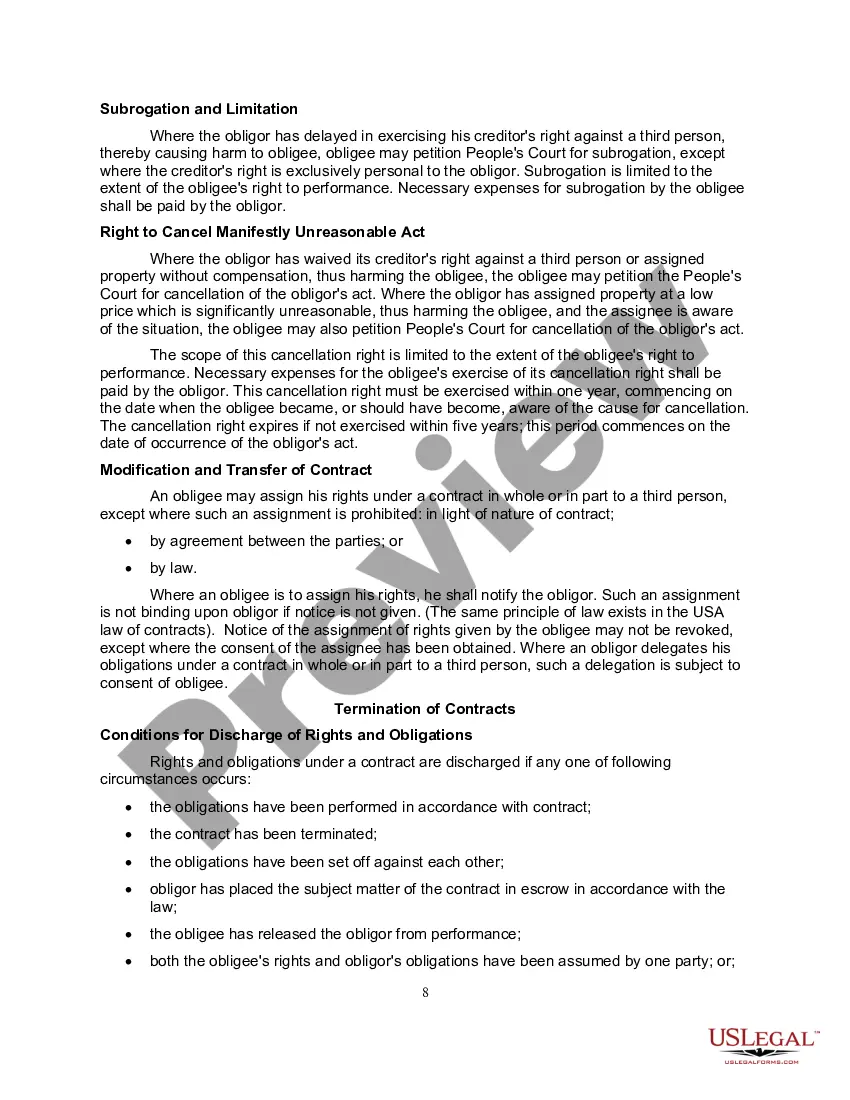
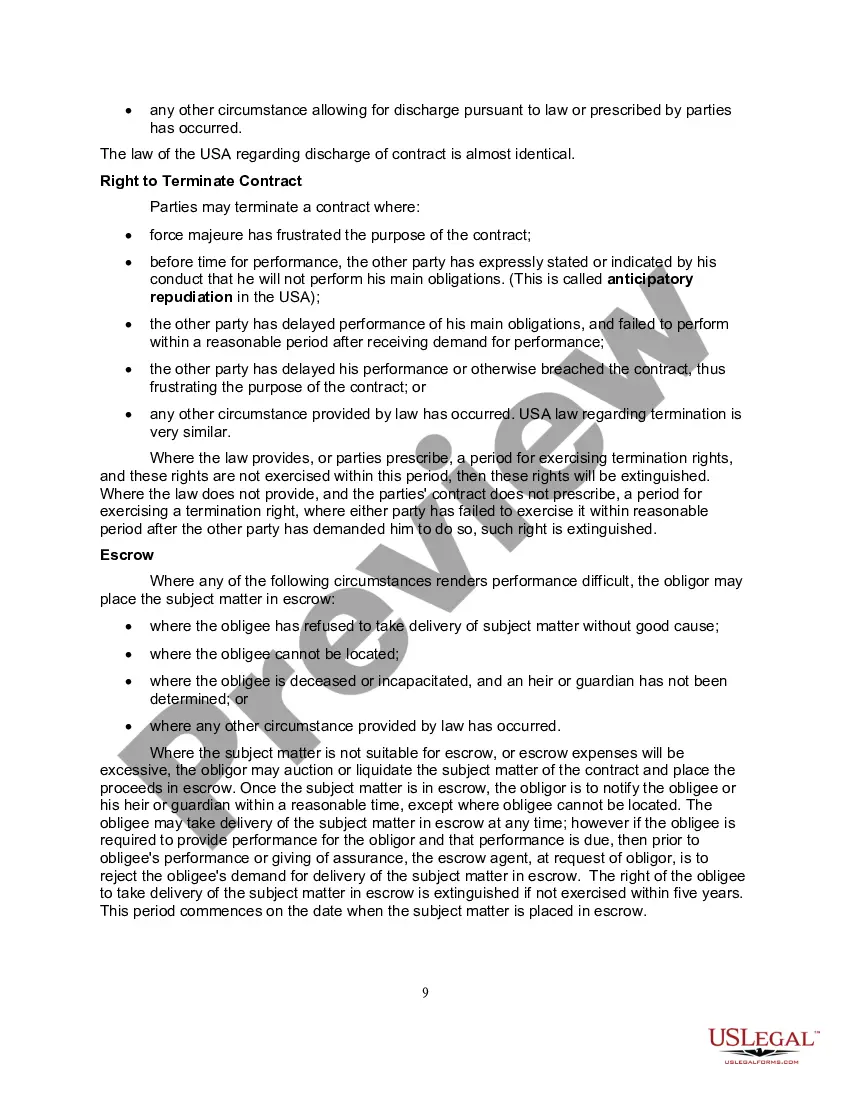
In contract law, the implied covenant of good faith and fair dealing is a general presumption that the parties to a contract will deal with each other honestly, fairly, and in good faith, so as to not destroy the right of the other party or parties to receive the benefits of the contract.
The principle of good faith has guided all contractual relationships in Canada since 2014. At a bare minimum, it imposes a duty not to lie in the performance of the contract itself and an obligation to exercise any contractual discretion reasonably.
Overall, in the context of the case, the duty of good faith clause imposed a core requirement that the parties should act honestly towards each other and the company, and not to act in bad faith towards each other.
In general, the duty of good faith and fair dealing means, for example, that parties cannot evade the spirit of the bargain, lack diligence or slack off, perform incorrectly on purpose, abuse their power when specifying the terms of a contract, or interfere with or fail to cooperate in the other party's performance.
Implied covenant of good faith and fair dealing (often simplified to good faith) is a rule used by most courts in the United States that requires every party in a contract to implement the agreement as intended, not using means to undercut the purpose of the transaction.
The duty of good faith recognises that the interests of parties will conflict at times. It holds a lower standard than a fiduciary duty as the parties are not required to put the other side's interests before their own, or minimise their self-interest.
Government Code (GC) section 19257 states that to be valid, a civil service appointment must be made and accepted in “good faith” under the civil service statutes and State Personnel Board (SPB) regulations. “Good faith” is defined as, having honest intentions or in compliance with standards of decency and honesty.
Unless the context otherwise requires, Article 1 defines good faith for the entire U.C.C. as "honesty in fact in the conduct or transaction concerned." Id. § 1-201(19).
If an obligation to negotiate in good faith is expressly provided for in an agreement and includes objective standards by which the obligation may be measured (such that the obligation may be enforceable), it means, in practical terms, that parties must act reasonably and must refrain from adopting a negotiating ...
