Contract Law For Paralegals In New York
Description



Get your form ready online
Our built-in tools help you complete, sign, share, and store your documents in one place.
Make edits, fill in missing information, and update formatting in US Legal Forms—just like you would in MS Word.
Download a copy, print it, send it by email, or mail it via USPS—whatever works best for your next step.
Sign and collect signatures with our SignNow integration. Send to multiple recipients, set reminders, and more. Go Premium to unlock E-Sign.
If this form requires notarization, complete it online through a secure video call—no need to meet a notary in person or wait for an appointment.
We protect your documents and personal data by following strict security and privacy standards.

Make edits, fill in missing information, and update formatting in US Legal Forms—just like you would in MS Word.

Download a copy, print it, send it by email, or mail it via USPS—whatever works best for your next step.

Sign and collect signatures with our SignNow integration. Send to multiple recipients, set reminders, and more. Go Premium to unlock E-Sign.

If this form requires notarization, complete it online through a secure video call—no need to meet a notary in person or wait for an appointment.

We protect your documents and personal data by following strict security and privacy standards.
Looking for another form?









Form popularity
FAQ
Most states do not have any certification or licensure requirements to be a paralegal, and New York is no exception.
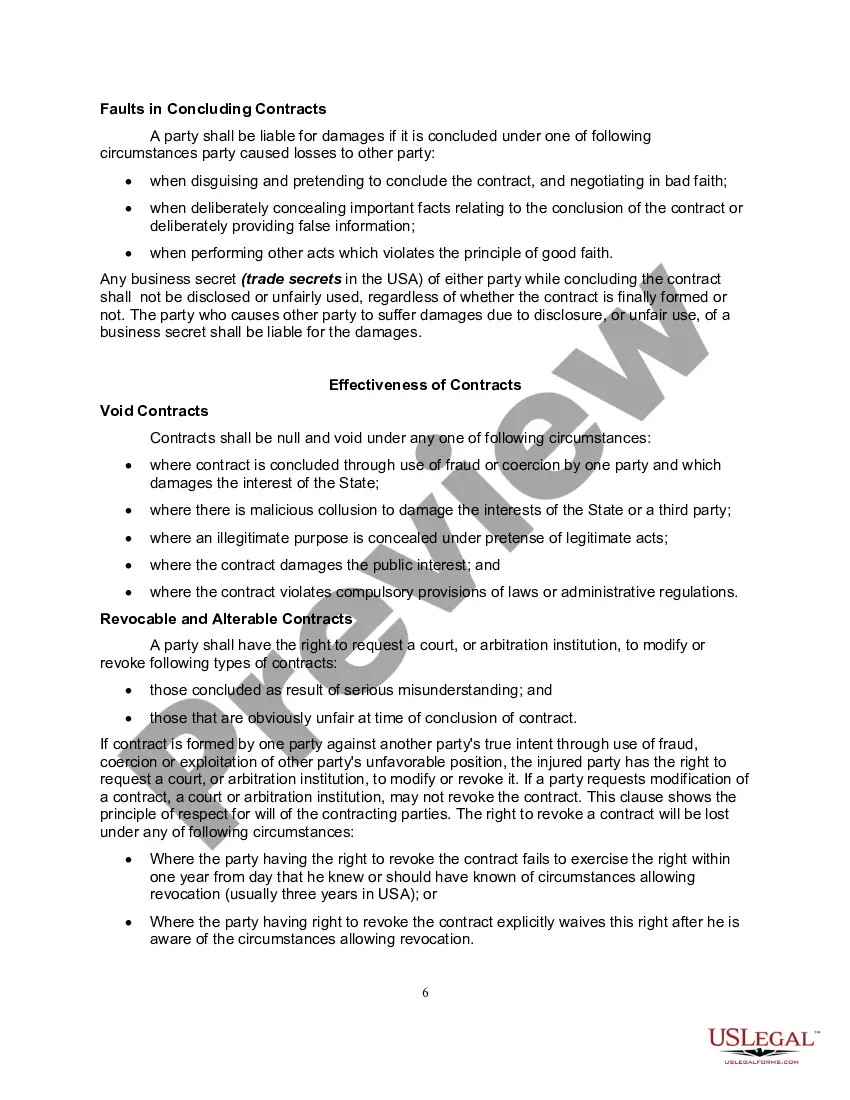
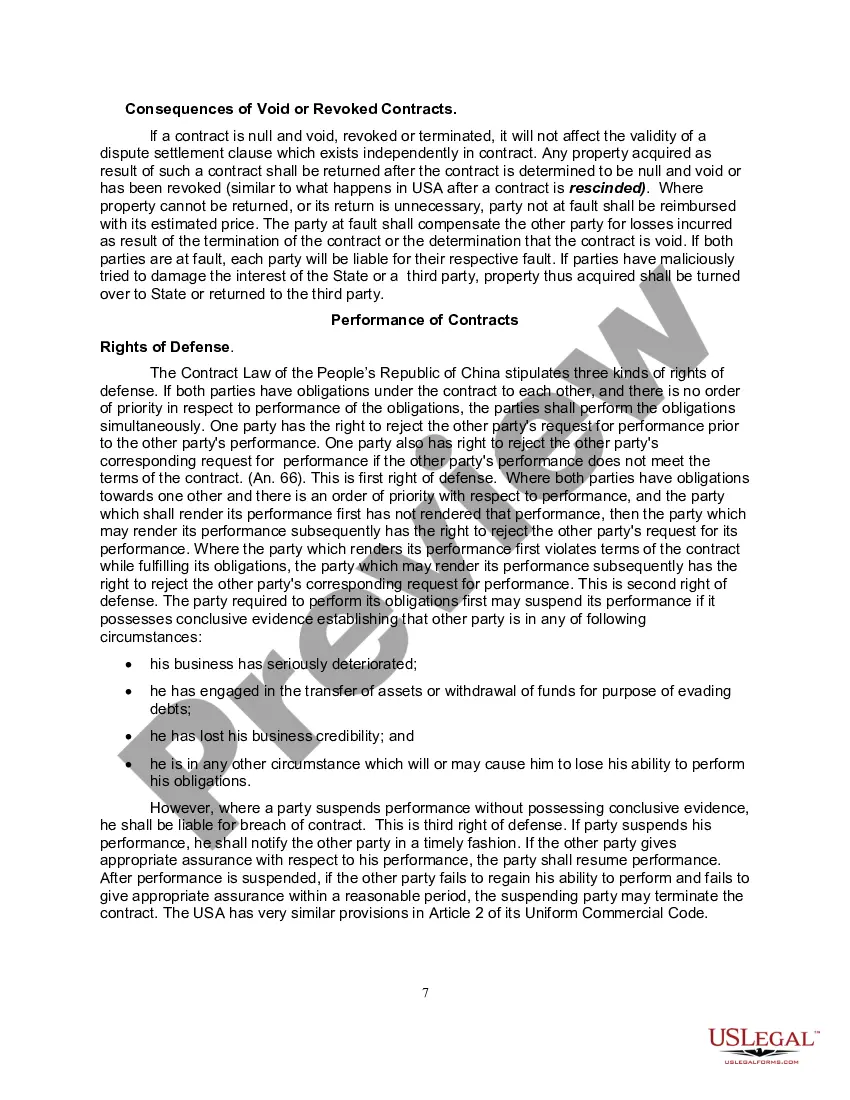
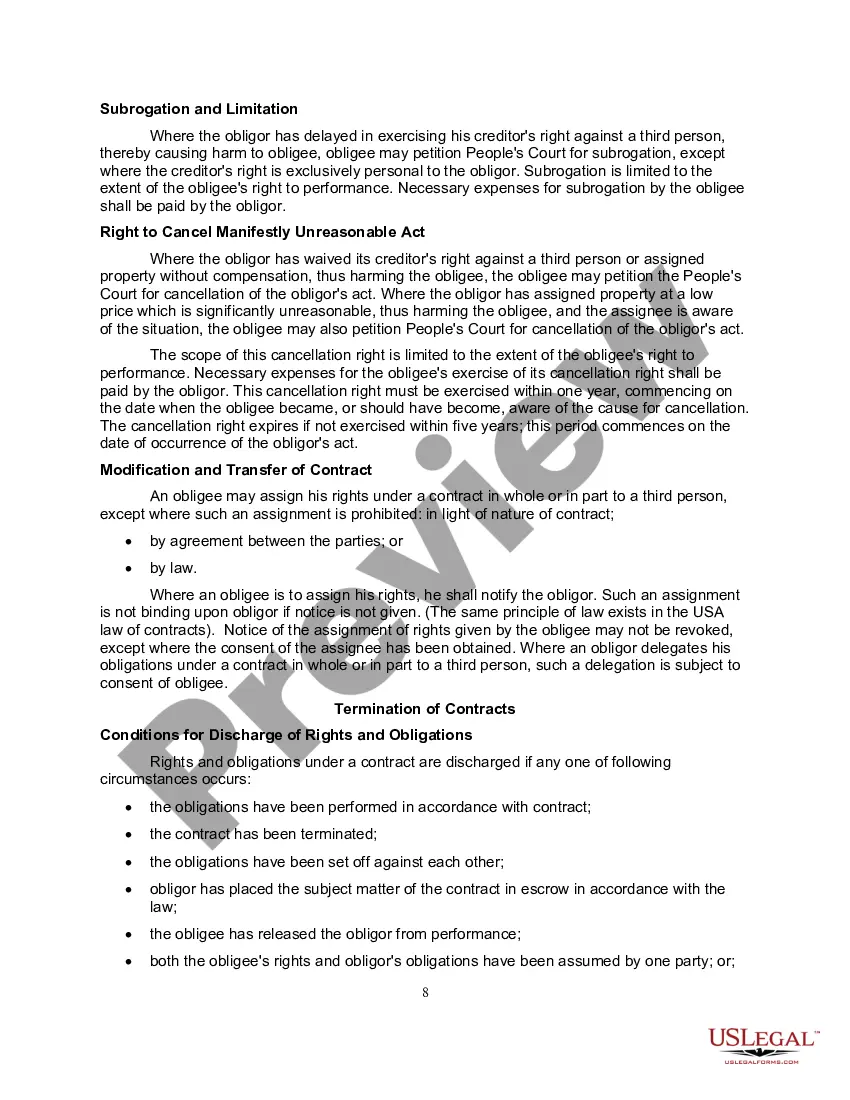
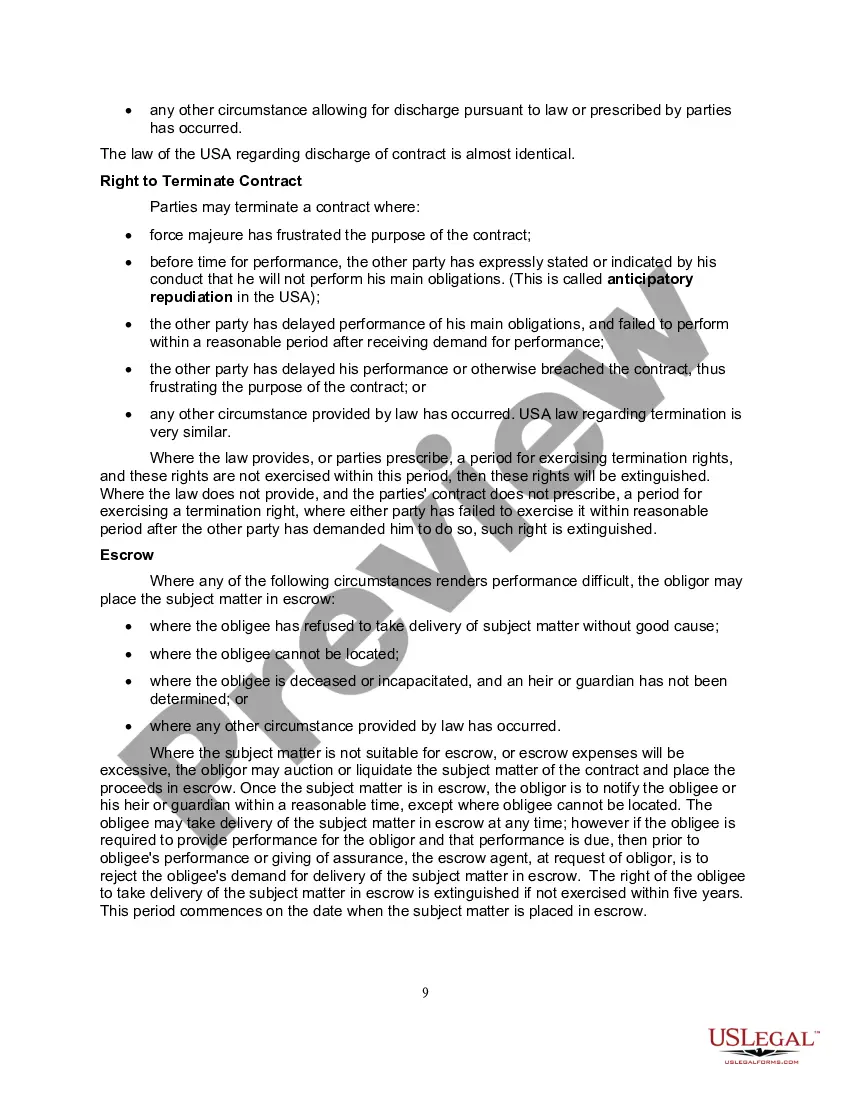
"The requirements for formation of an enforceable contract are: (1) at least two parties with legal capacity to contract; (2) mutual assent to the terms of an agreement with reasonably certain terms; and, (3) consideration (i.e., payment). (4 NY Prac., Com.
A contract will only be legally binding upon the contracting parties if the following requirements are complied with: consensus, contractual capacity, certainty, possibility, legality and formalities. 39 The above requirements will be discussed next. 39Para 1 1 above.
So, here's the rule, as recently summarized by a New York County trial court: "The requirements for formation of an enforceable contract are: (1) at least two parties with legal capacity to contract; (2) mutual assent to the terms of an agreement with reasonably certain terms; and, (3) consideration (i.e., payment).
To meet the eligibility requirements to sit for the NALA Certified Paralegal exam, you must meet one of the following requirements: You must have 60 semester hours, of which at least 15 hours (225 clock hours) are from paralegal studies or hold an associate's degree in paralegal studies, or a bachelor's degree in any ...
"The requirements for formation of an enforceable contract are: (1) at least two parties with legal capacity to contract; (2) mutual assent to the terms of an agreement with reasonably certain terms; and, (3) consideration (i.e., payment).
How to write a contract agreement in 7 steps. Determine the type of contract required. Confirm the necessary parties. Choose someone to draft the contract. Write the contract with the proper formatting. Review the written contract with a lawyer. Send the contract agreement for review or revisions.
An agreement, promise or undertaking to change or modify, or to discharge in whole or in part, any contract, obligation, or lease, or any mortgage or other security interest in personal or real property, shall not be invalid because of the absence of consideration, provided that the agreement, promise or undertaking ...
However, to be legally binding, a contract must include four key elements: an offer, acceptance, consideration, and an intention to create legal relations.
Consideration is a promise , performance, or forbearance bargained by a promisor in exchange for their promise. Consideration is the main element of a contract . Without consideration by both parties, a contract cannot be enforceable.
