Contract Law In India In Minnesota
Description

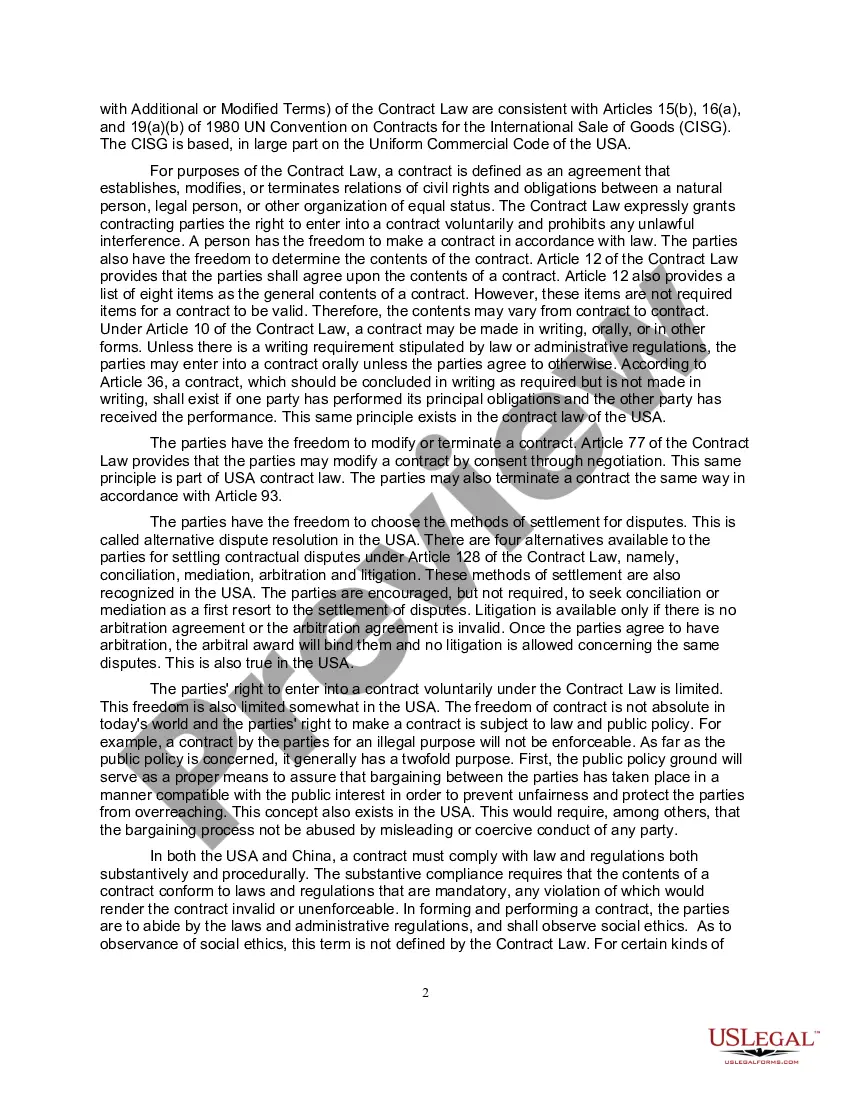
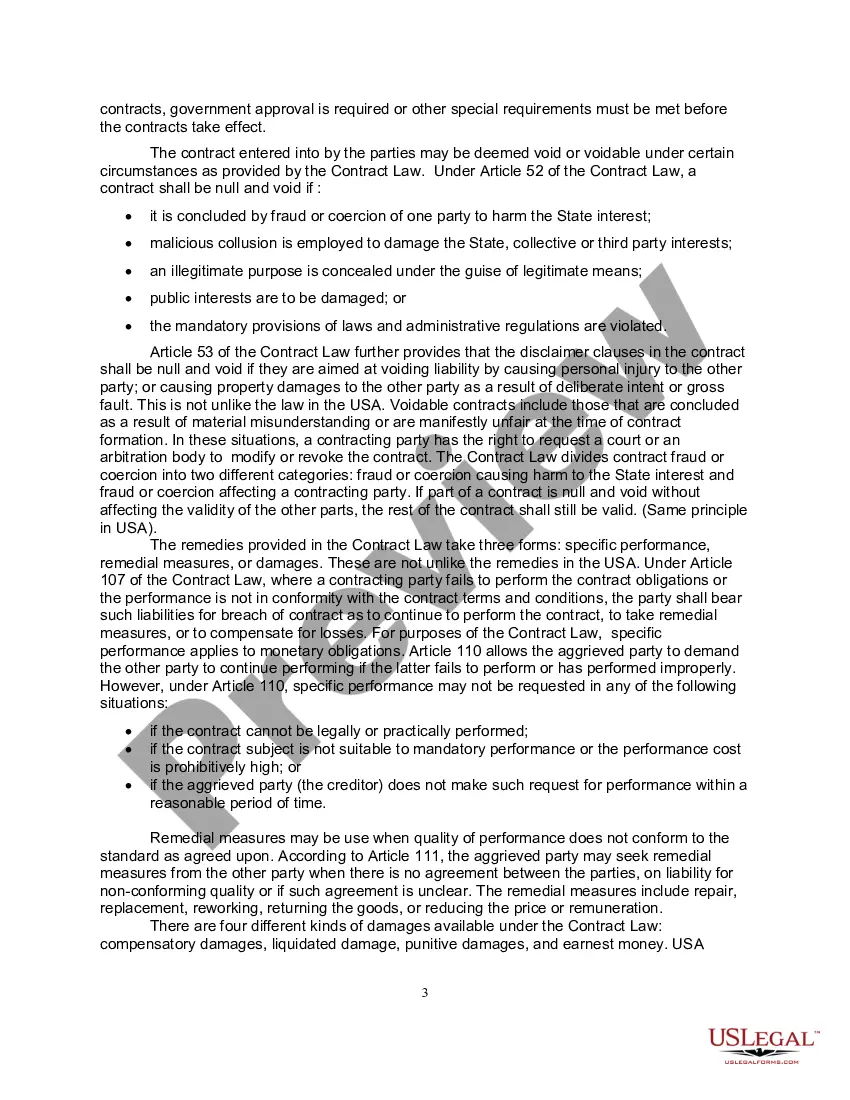
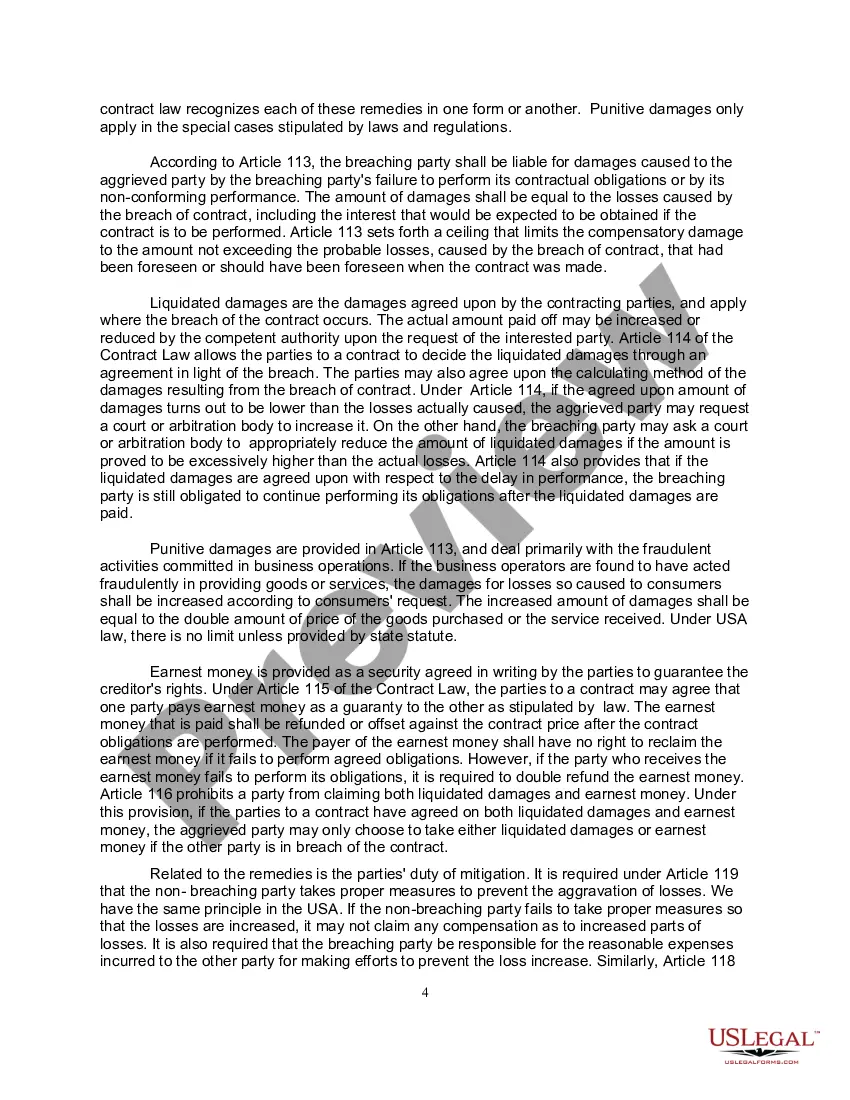
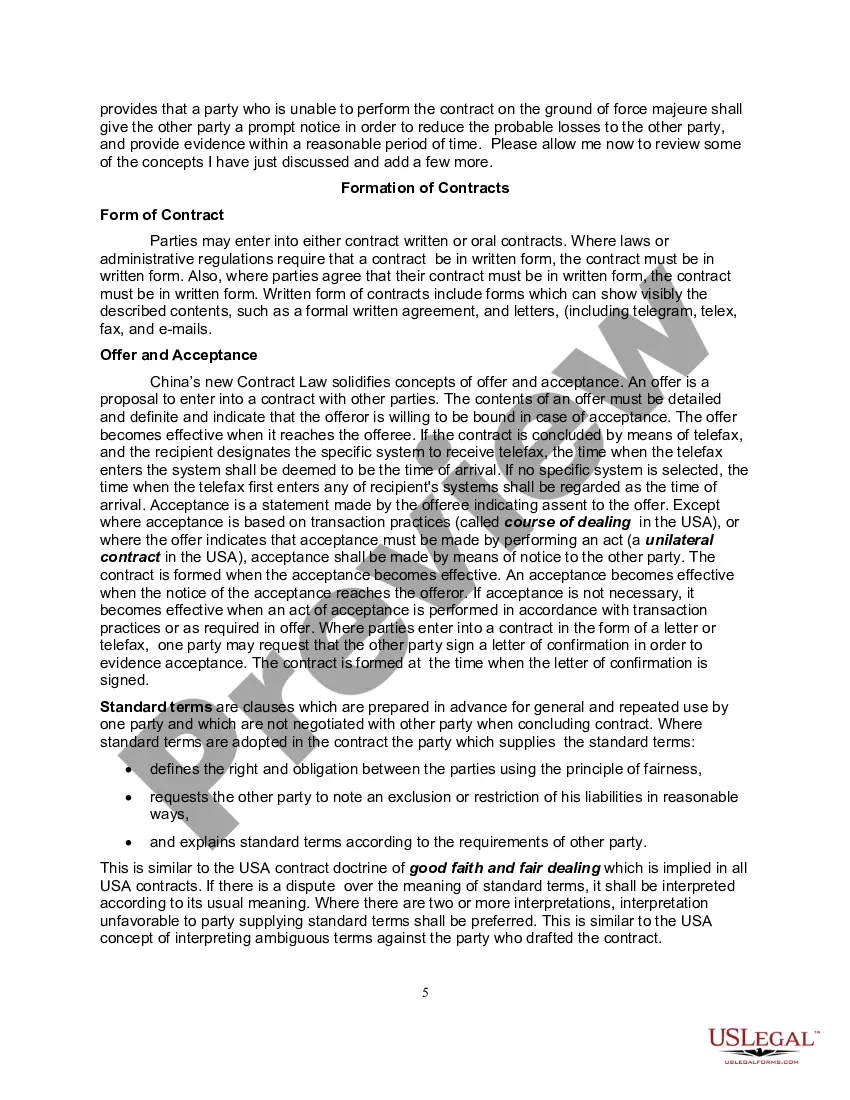



Get your form ready online
Our built-in tools help you complete, sign, share, and store your documents in one place.
Make edits, fill in missing information, and update formatting in US Legal Forms—just like you would in MS Word.
Download a copy, print it, send it by email, or mail it via USPS—whatever works best for your next step.
Sign and collect signatures with our SignNow integration. Send to multiple recipients, set reminders, and more. Go Premium to unlock E-Sign.
If this form requires notarization, complete it online through a secure video call—no need to meet a notary in person or wait for an appointment.
We protect your documents and personal data by following strict security and privacy standards.

Make edits, fill in missing information, and update formatting in US Legal Forms—just like you would in MS Word.

Download a copy, print it, send it by email, or mail it via USPS—whatever works best for your next step.

Sign and collect signatures with our SignNow integration. Send to multiple recipients, set reminders, and more. Go Premium to unlock E-Sign.

If this form requires notarization, complete it online through a secure video call—no need to meet a notary in person or wait for an appointment.

We protect your documents and personal data by following strict security and privacy standards.
Looking for another form?







Form popularity
FAQ
For a written contract, you generally must file your lawsuit within 4 years of when the agreement is broken. For a verbal contract, you must file it within 2 years of when the agreement is broken.
For most claims in contract or tort, the limitation period is six years from the date of the cause of action.
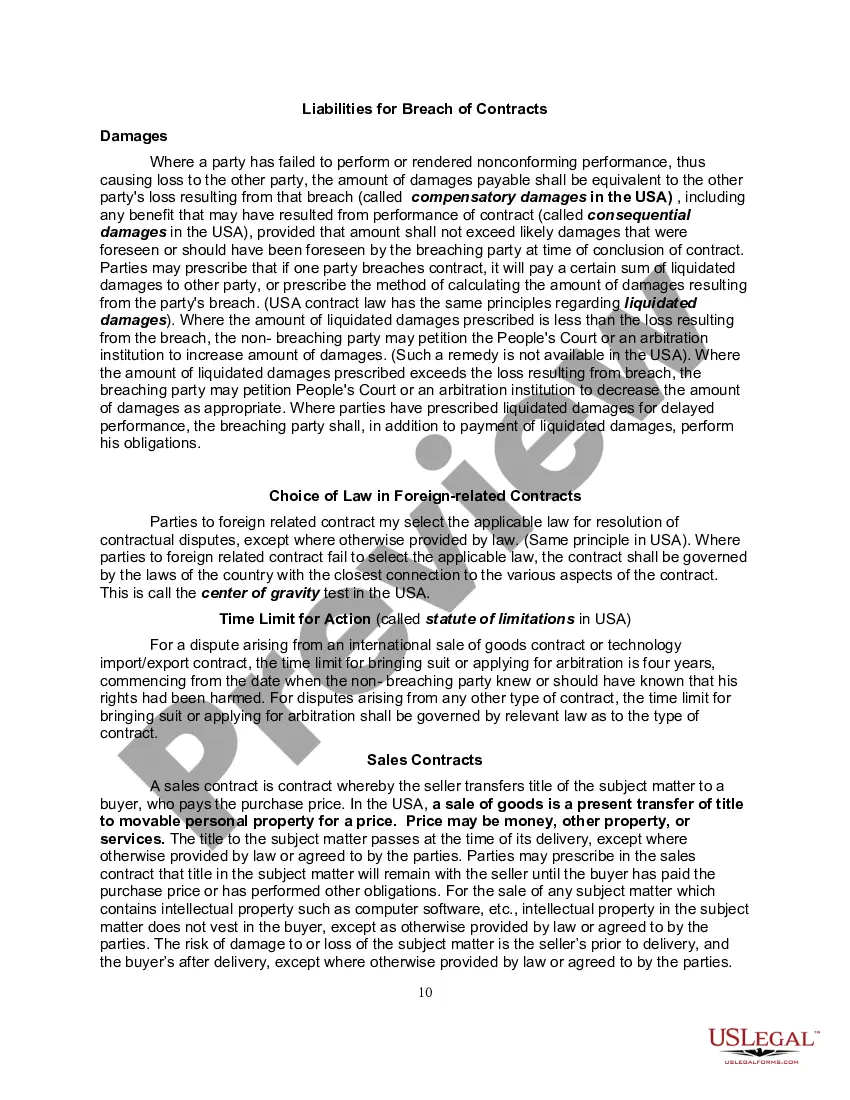
In Minnesota, the statute of limitations for any contract based claim is six years. The clock starts ticking at the time of the incident of the breach unless the you did something to conceal the breach, which has the time start when the other party discovers the breach.
Public Law 280 applies to six states, including Minnesota. It required the state to assume complete criminal jurisdiction over all Indian reservations within the state with the exception, as noted above, of Red Lake and Bois Forte.
In 1953, Congress enacted Public Law 83-280 to grant certain states criminal jurisdiction over Indians on reservations and to allow civil litigation that had come under tribal or federal court jurisdiction to be handled by state courts.
As a general rule, this means that Indian tribes cannot exercise criminal or civil jurisdiction over nonmembers. There are two exceptions to this rule for criminal jurisdiction. First, tribes may exercise criminal jurisdiction over nonmember Indians.
Writing Enforceable Contracts in Minnesota The legal definition of what constitutes a contract is relatively open-ended. As long as two parties intend to create a deal whereby one party provides something of value to another, and there is an exchange of something of value, there is a contract.
The public duty doctrine states that a government cannot be held liable for damages based on its violation of a duty that it owes to the general public.
In 1953, Congress gave six states — Alaska, California, Minnesota, Nebraska, Oregon and Wisconsin — criminal jurisdiction over tribal members and other people on reservations. This legislation, known as PL 280, also permitted other states to opt for similar jurisdiction.
