Contract Law For Paralegals In Minnesota
Description

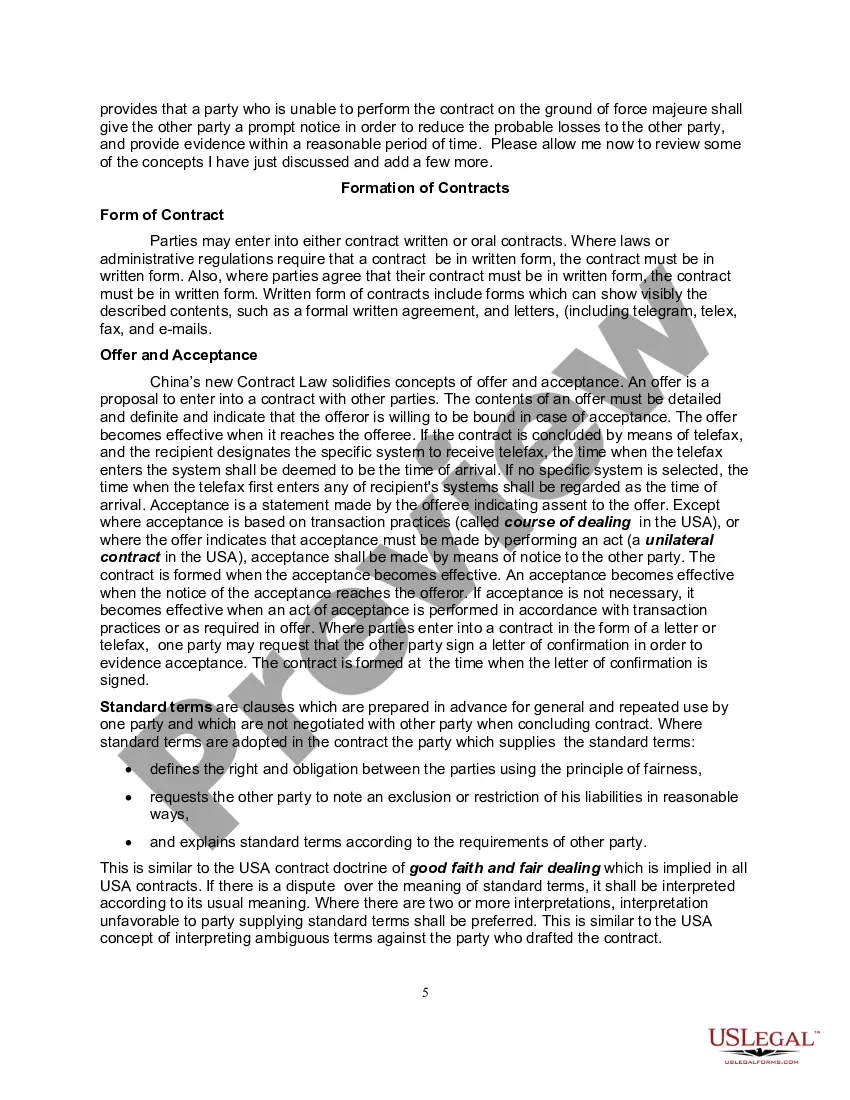
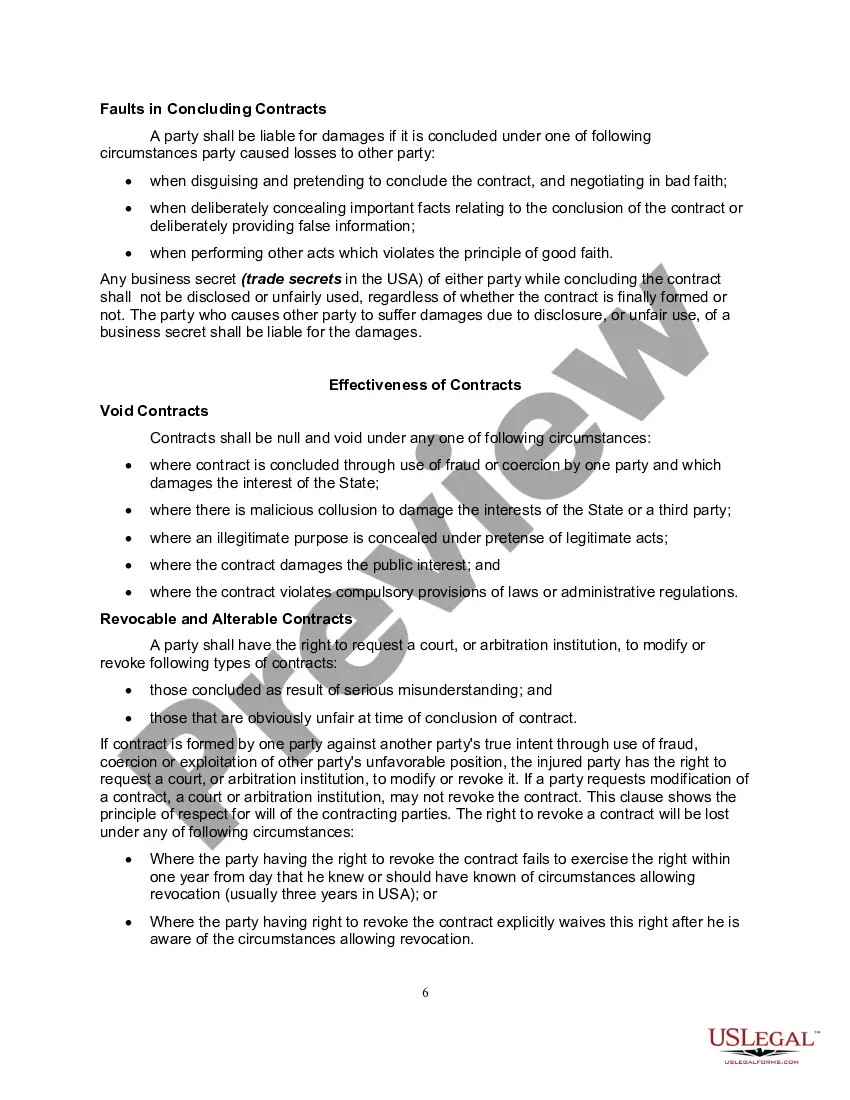
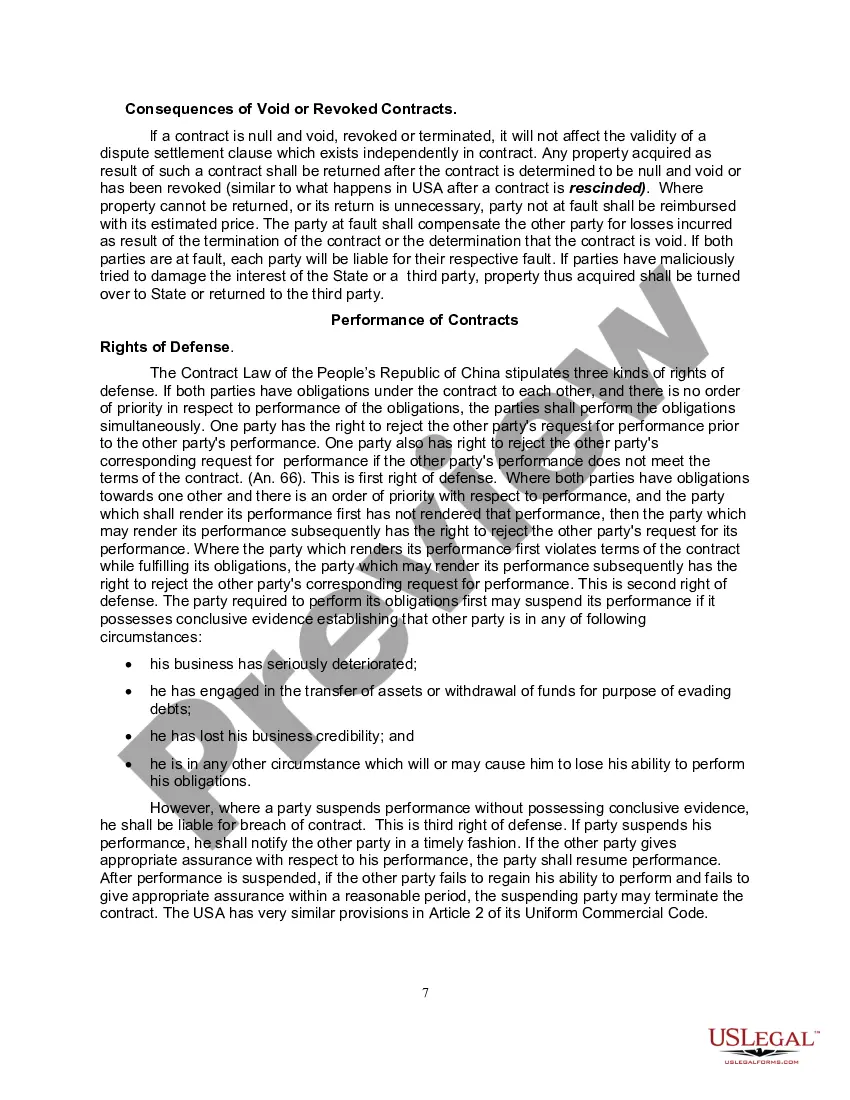
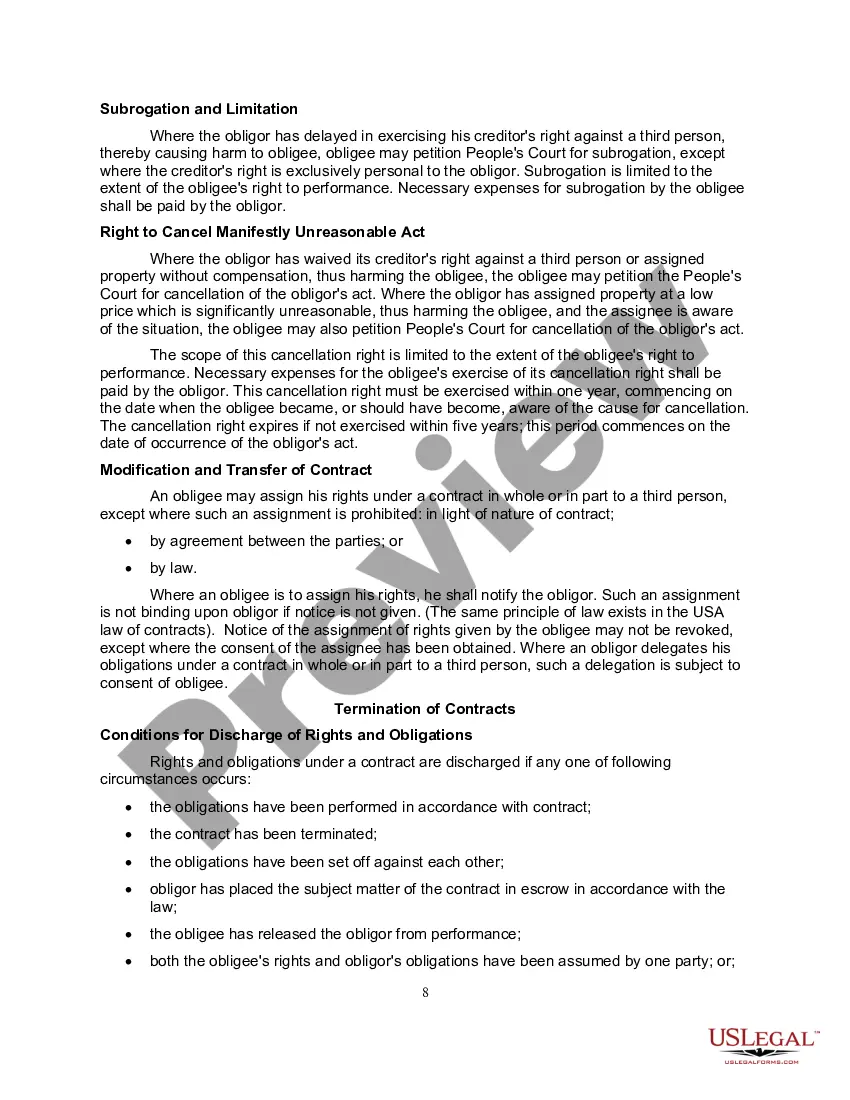


Get your form ready online
Our built-in tools help you complete, sign, share, and store your documents in one place.
Make edits, fill in missing information, and update formatting in US Legal Forms—just like you would in MS Word.
Download a copy, print it, send it by email, or mail it via USPS—whatever works best for your next step.
Sign and collect signatures with our SignNow integration. Send to multiple recipients, set reminders, and more. Go Premium to unlock E-Sign.
If this form requires notarization, complete it online through a secure video call—no need to meet a notary in person or wait for an appointment.
We protect your documents and personal data by following strict security and privacy standards.

Make edits, fill in missing information, and update formatting in US Legal Forms—just like you would in MS Word.

Download a copy, print it, send it by email, or mail it via USPS—whatever works best for your next step.

Sign and collect signatures with our SignNow integration. Send to multiple recipients, set reminders, and more. Go Premium to unlock E-Sign.

If this form requires notarization, complete it online through a secure video call—no need to meet a notary in person or wait for an appointment.

We protect your documents and personal data by following strict security and privacy standards.
Looking for another form?
Form popularity
FAQ
A contract paralegal cannot work directly with the public; under California law, paralegals must work under the direction and supervision of an active member of the State Bar of California, or an attorney practicing law in the federal courts of this state.
These Rules state that a paralegal shall not: · Enter into the attorney-client relationship; · Negotiate fees with a client; · Appear in court on behalf of a client; and/or · Give legal advice In other words, the Unauthorized Practice of Law or “UPL”. UPL is described in more detail below.
Even though paralegals do a lot of the administrative work within a firm, know the law, and work with clients, they are not lawyers. Paralegals cannot give legal advice, make decisions on behalf of clients, or represent clients in court as they are not licensed attorneys.
Paralegals cannot give legal advice, make decisions on behalf of clients, or represent clients in court as they are not licensed attorneys.
Minnesota does not have any mandatory paralegal regulation. The Minnesota Paralegal Association offers a voluntary Minnesota Certified Paralegal credential to qualified candidates. This program is an opportunity for experienced paralegals to validate their experience.
(b) Notwithstanding subdivision (a), a paralegal shall not do the following: (1) Provide legal advice. (2) Represent a client in court. (3) Select, explain, draft, or recommend the use of any legal document to or for any person other than the attorney who directs and supervises the paralegal.
Canon 1 – A paralegal must not: (a) engage in, encourage, or contribute to any act which could constitute the unauthorized practice of law; (b) establish attorney-client relationships, set fees, give legal opinions or advice, or represent a client before a court or agency unless so authorized by that court or agency; ...
Writing Enforceable Contracts in Minnesota The legal definition of what constitutes a contract is relatively open-ended. As long as two parties intend to create a deal whereby one party provides something of value to another, and there is an exchange of something of value, there is a contract.
To be legally valid, a contract must fulfill four basic requirements: All signees must be above the age of consent. All parties must agree to the contract freely. All parties must be able to understand the agreement (legal capacity) The terms of the agreement must be permitted in law.
Canon 1 – A paralegal must not: (a) engage in, encourage, or contribute to any act which could constitute the unauthorized practice of law; (b) establish attorney-client relationships, set fees, give legal opinions or advice, or represent a client before a court or agency unless so authorized by that court or agency; ...