Contract Law In Australia In Michigan
Description



Get your form ready online
Our built-in tools help you complete, sign, share, and store your documents in one place.
Make edits, fill in missing information, and update formatting in US Legal Forms—just like you would in MS Word.
Download a copy, print it, send it by email, or mail it via USPS—whatever works best for your next step.
Sign and collect signatures with our SignNow integration. Send to multiple recipients, set reminders, and more. Go Premium to unlock E-Sign.
If this form requires notarization, complete it online through a secure video call—no need to meet a notary in person or wait for an appointment.
We protect your documents and personal data by following strict security and privacy standards.

Make edits, fill in missing information, and update formatting in US Legal Forms—just like you would in MS Word.

Download a copy, print it, send it by email, or mail it via USPS—whatever works best for your next step.

Sign and collect signatures with our SignNow integration. Send to multiple recipients, set reminders, and more. Go Premium to unlock E-Sign.

If this form requires notarization, complete it online through a secure video call—no need to meet a notary in person or wait for an appointment.

We protect your documents and personal data by following strict security and privacy standards.
Looking for another form?









Form popularity
FAQ
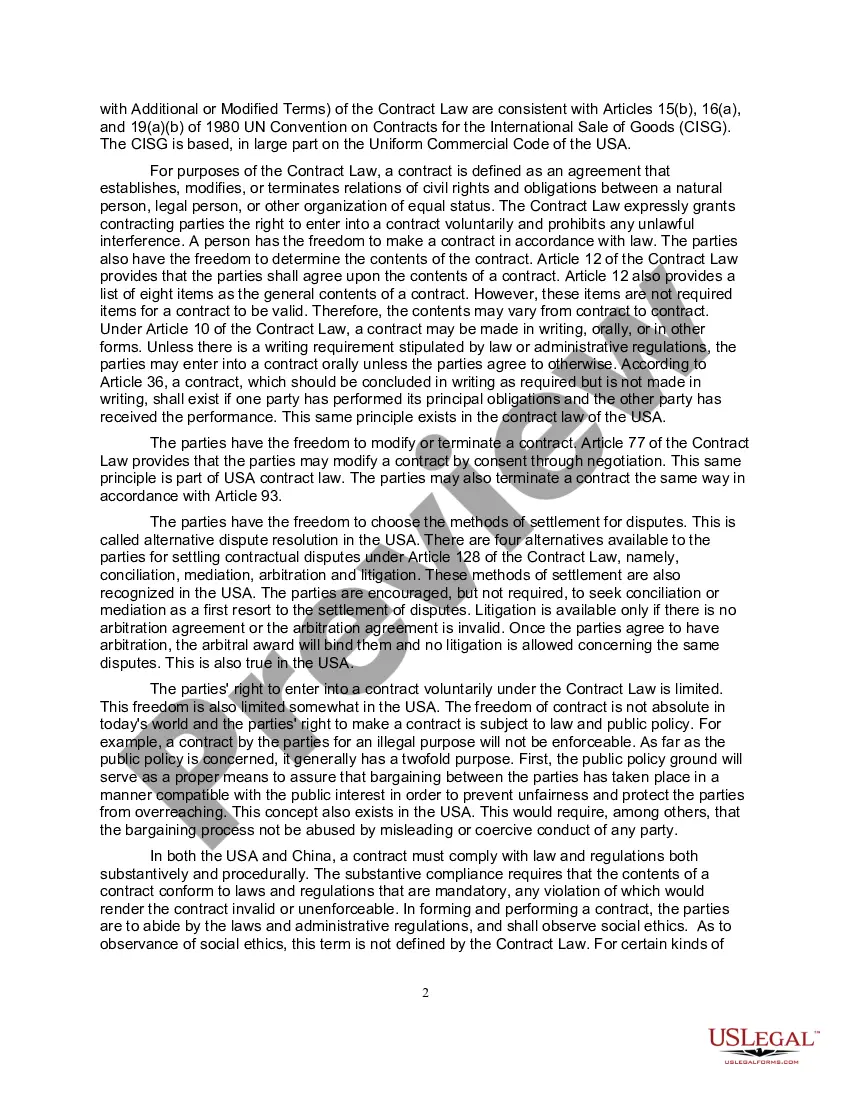
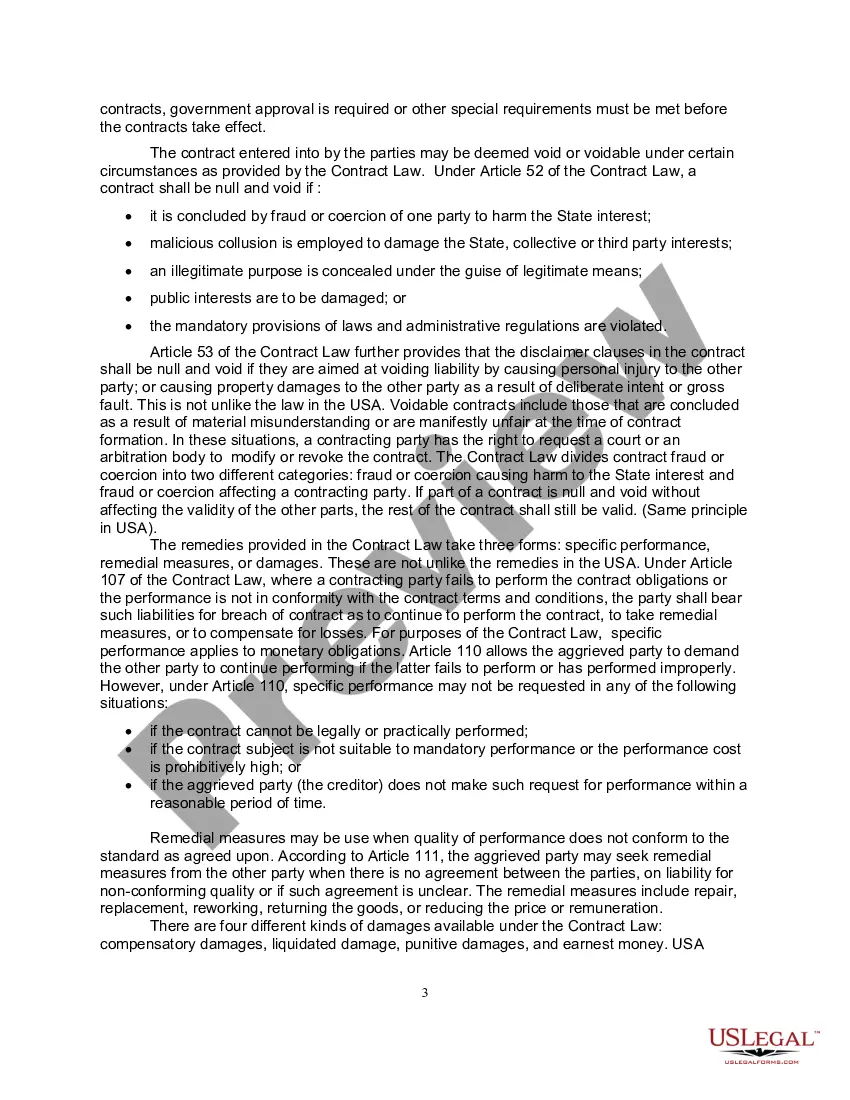
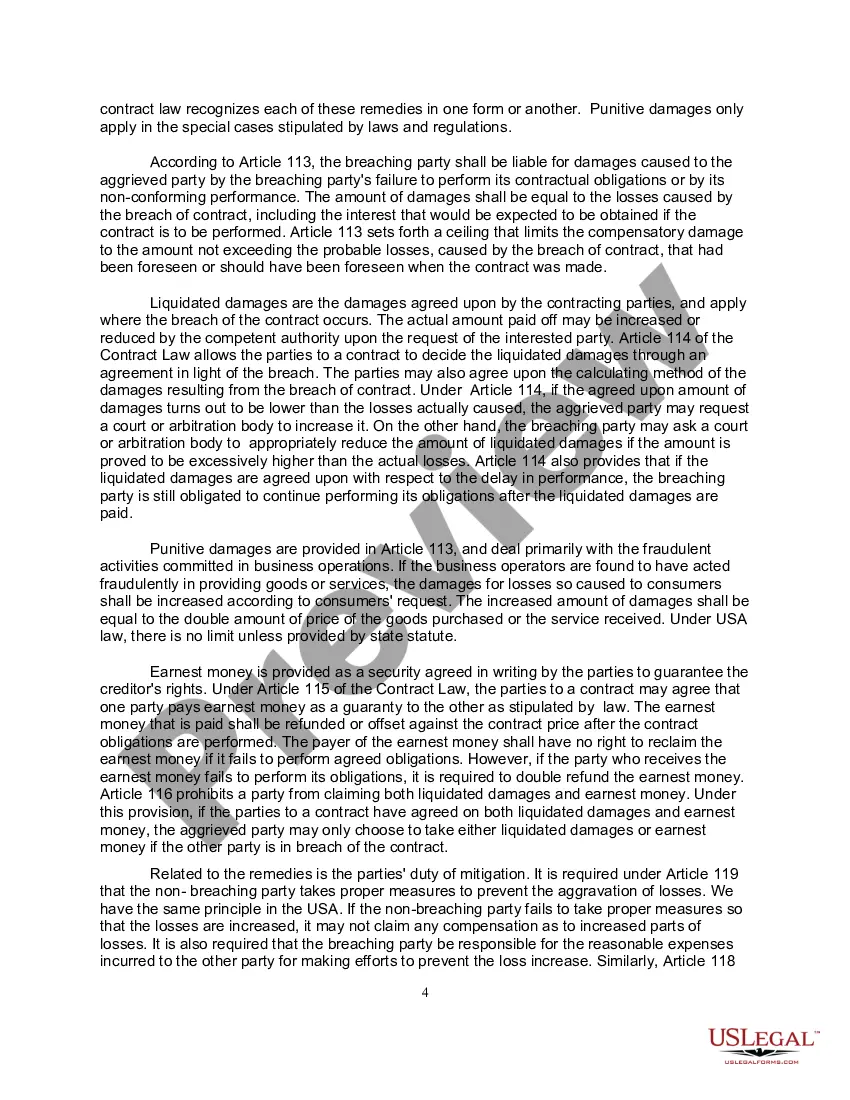
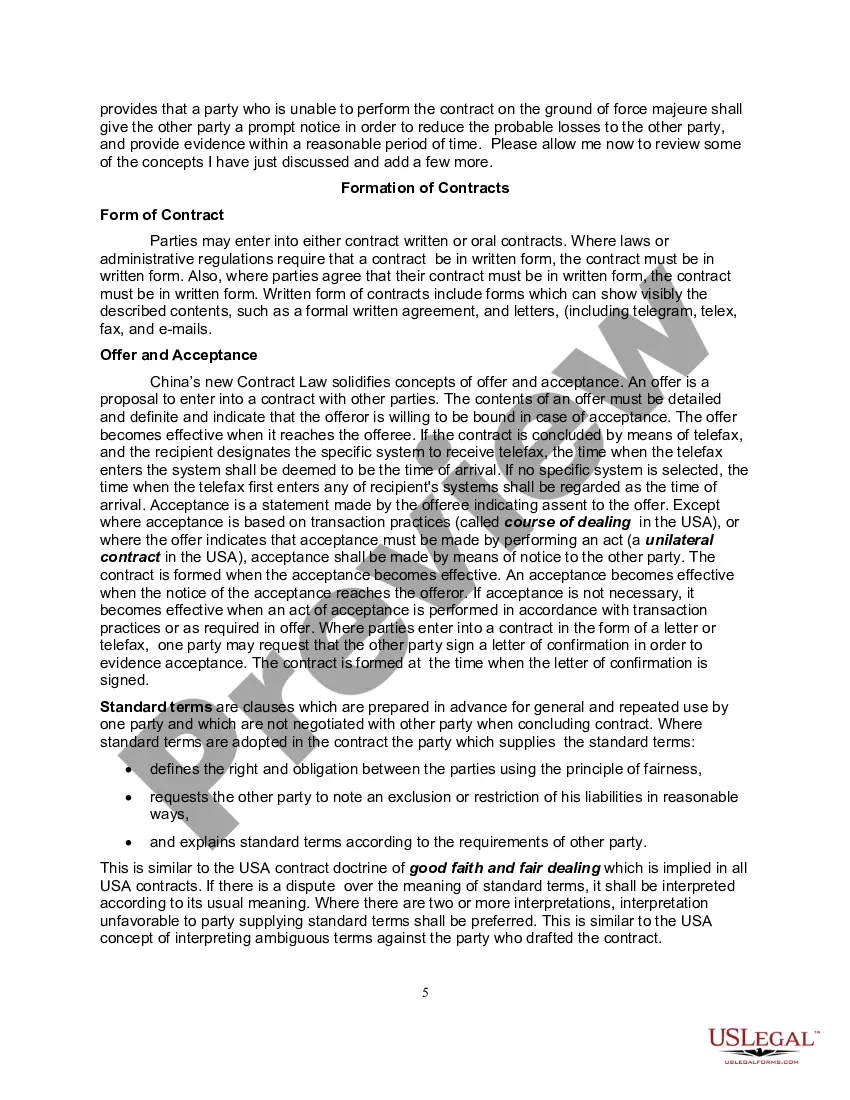
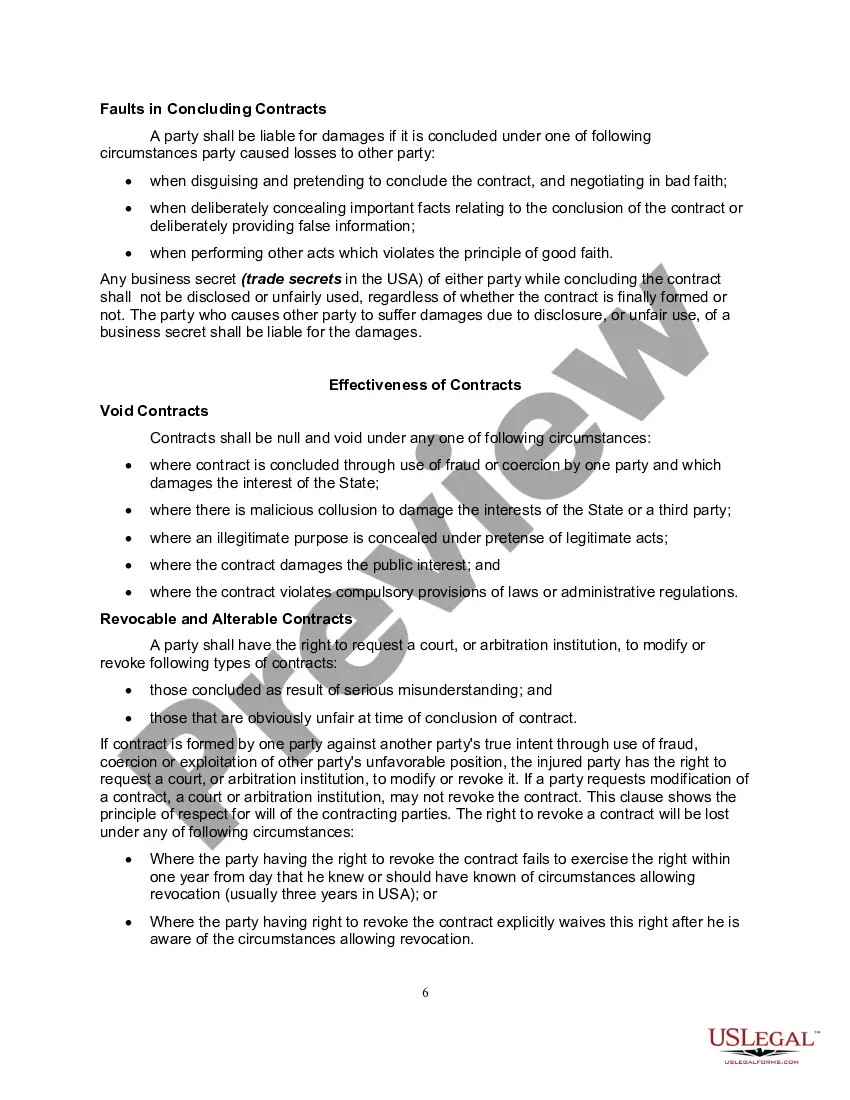
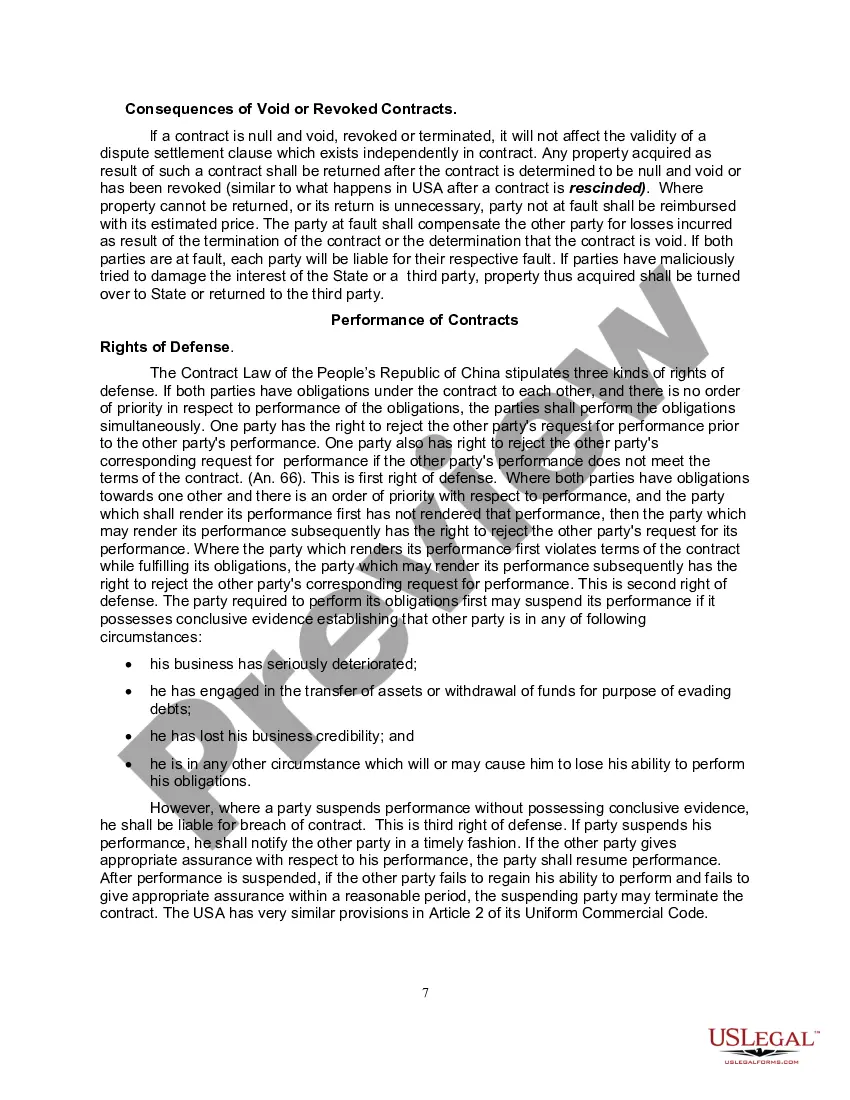
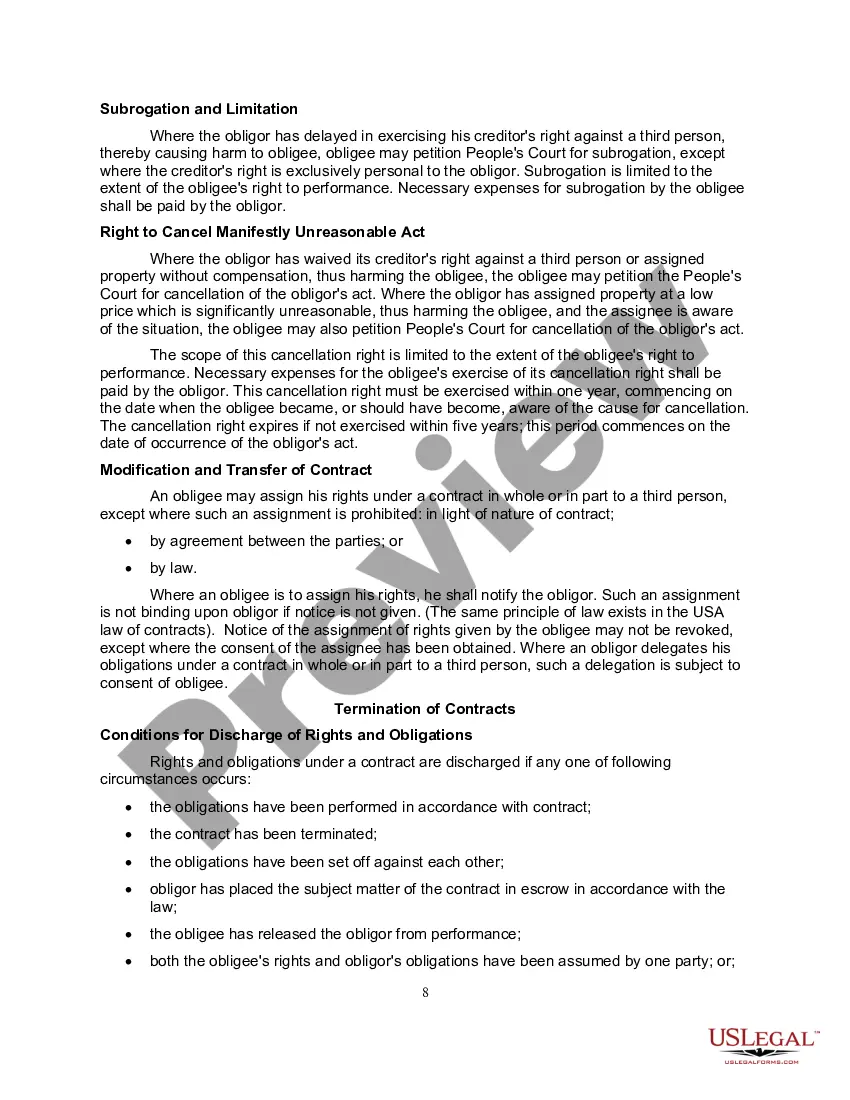
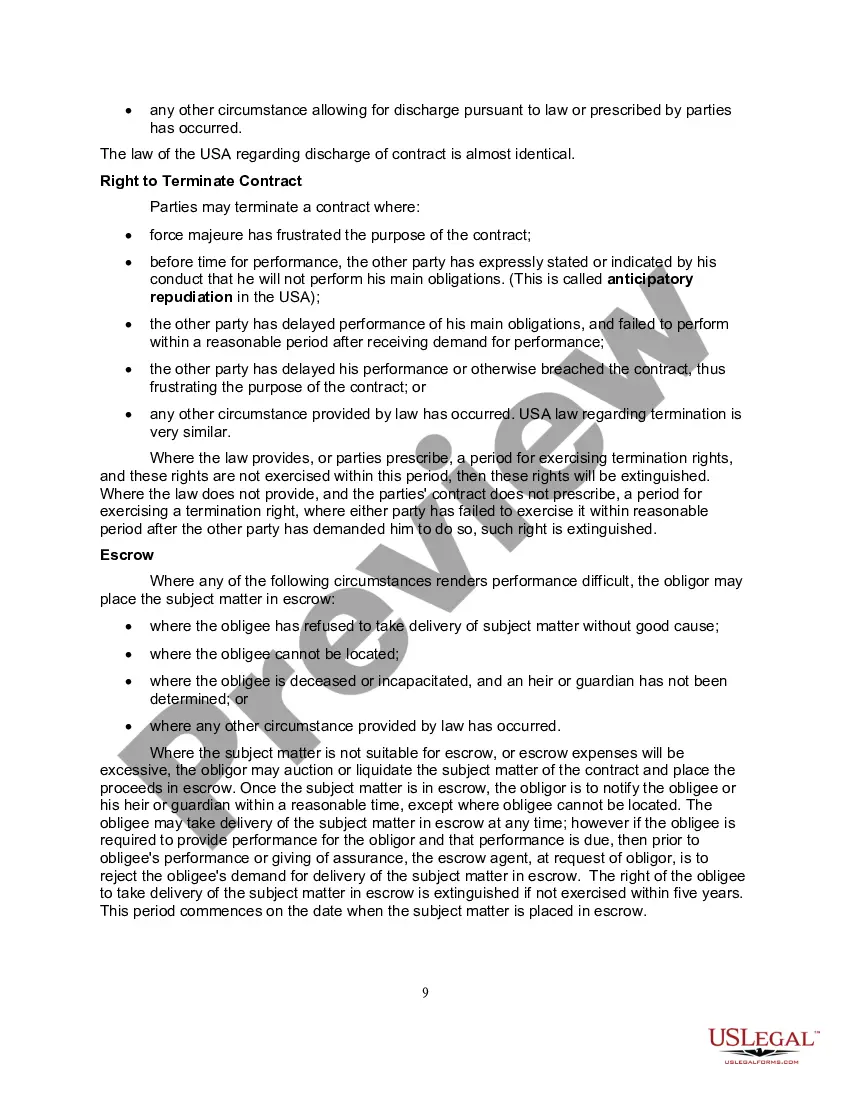
The foundation of any contract, verbal or written, is a valid offer and acceptance. A key part of this is that there must be sufficient information about the offer and its acceptance to allow a court to specifically determine what is being offered as well as what is being asked for in return.
A contract that violates public policy or a specific statute will not be enforceable in Michigan courts. This one is self-explanatory: The state will not compel anyone to take an action that is against the law.
In Australia contract law is primarily governed by the 'common law', but increasingly statutes are supplementing the common law of contract - most notably, but certainly not exclusively, in the area of consumer protection.
A contract is an agreement between parties, creating mutual obligations that are enforceable by law. The basic elements required for the agreement to be a legally enforceable contract are: mutual assent, expressed by a valid offer and acceptance; adequate consideration; capacity; and legality.
Per contract law, a contract is only considered to be legally binding if it is mutually beneficial for all parties involved. This is also known as consideration.
Offer: A clear proposal to make a deal. Acceptance: A definite agreement to the terms of the offer. Consideration: Something of value exchanged between the parties. Intention to Create Legal Relations: A mutual intention to form a legally binding agreement.
7 Essential Elements of A Contract Offer. For there to be a contract, there must first be an offer by one party and an acceptance by the other. Acceptance. Acceptance is the agreement to the specific conditions of an offer. Consideration. Intention to create legal relations. Authority and capacity. Certainty.
Australian contract law is based on the English common law, rather than on any codified or statute law. The basic principle of Australian contract law is freedom of contract, under which parties are at liberty to strike whatever bargain they choose.
How to draft a contract between two parties: A step-by-step checklist Know your parties. Agree on the terms. Set clear boundaries. Spell out the consequences. Specify how you will resolve disputes. Cover confidentiality. Check the legality of the contract. Open it up to negotiation.
In order for a contract to be valid, there must be a meeting of the minds on all of the essential elements of the contract, including the offer, acceptance, consideration, capacity, and legality. If there is no meeting of the minds on any of these elements, the contract may be void or unenforceable.
