Contract Law Forfeiture In Michigan
Description

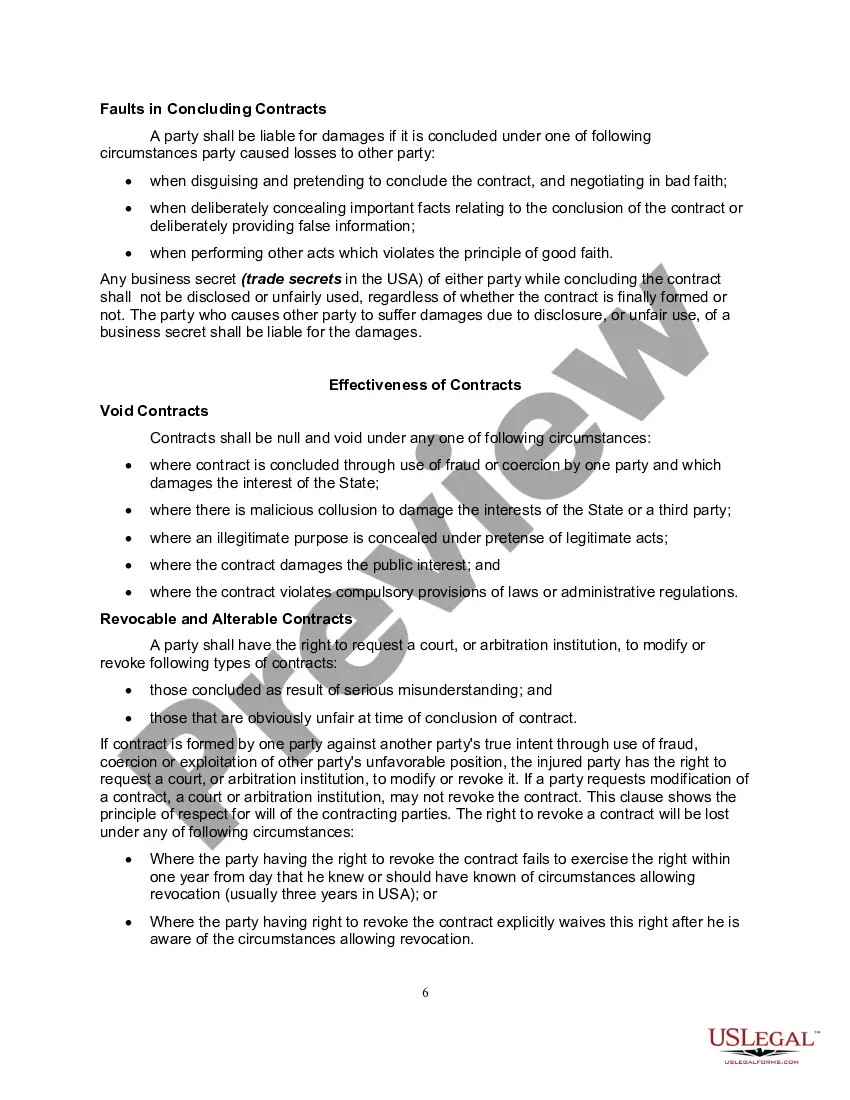
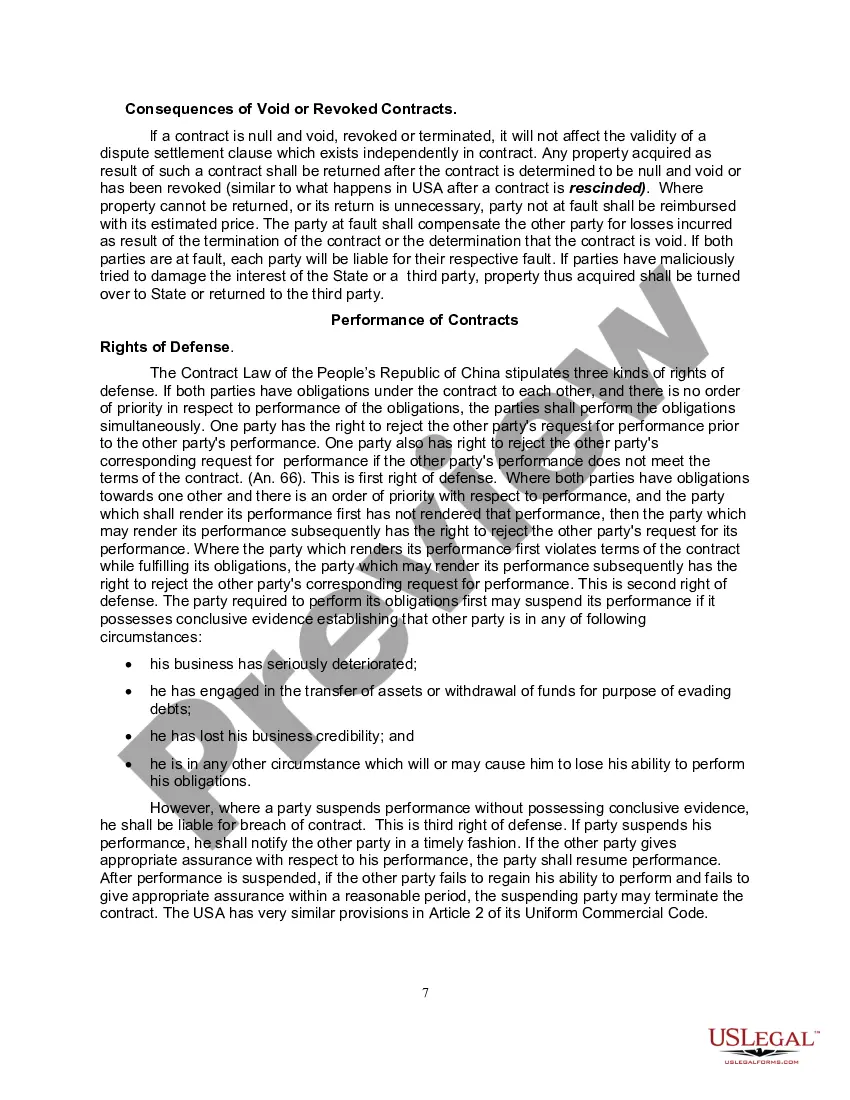
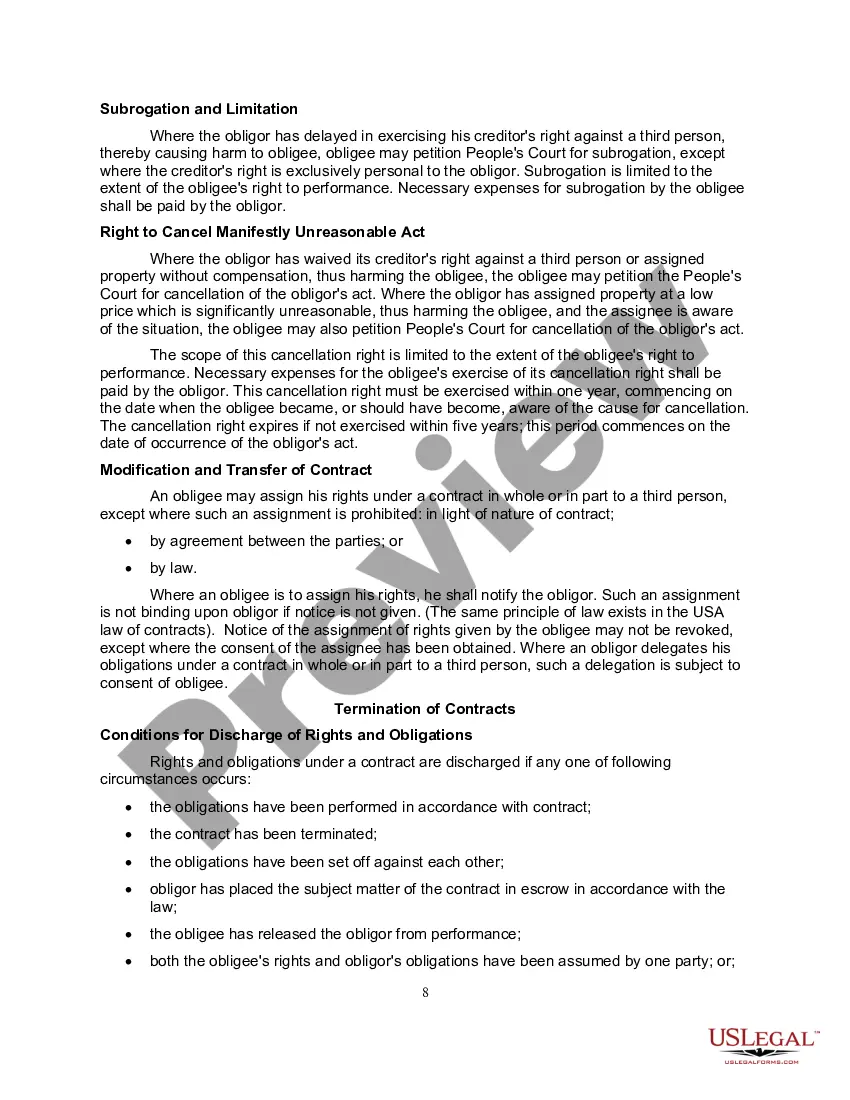
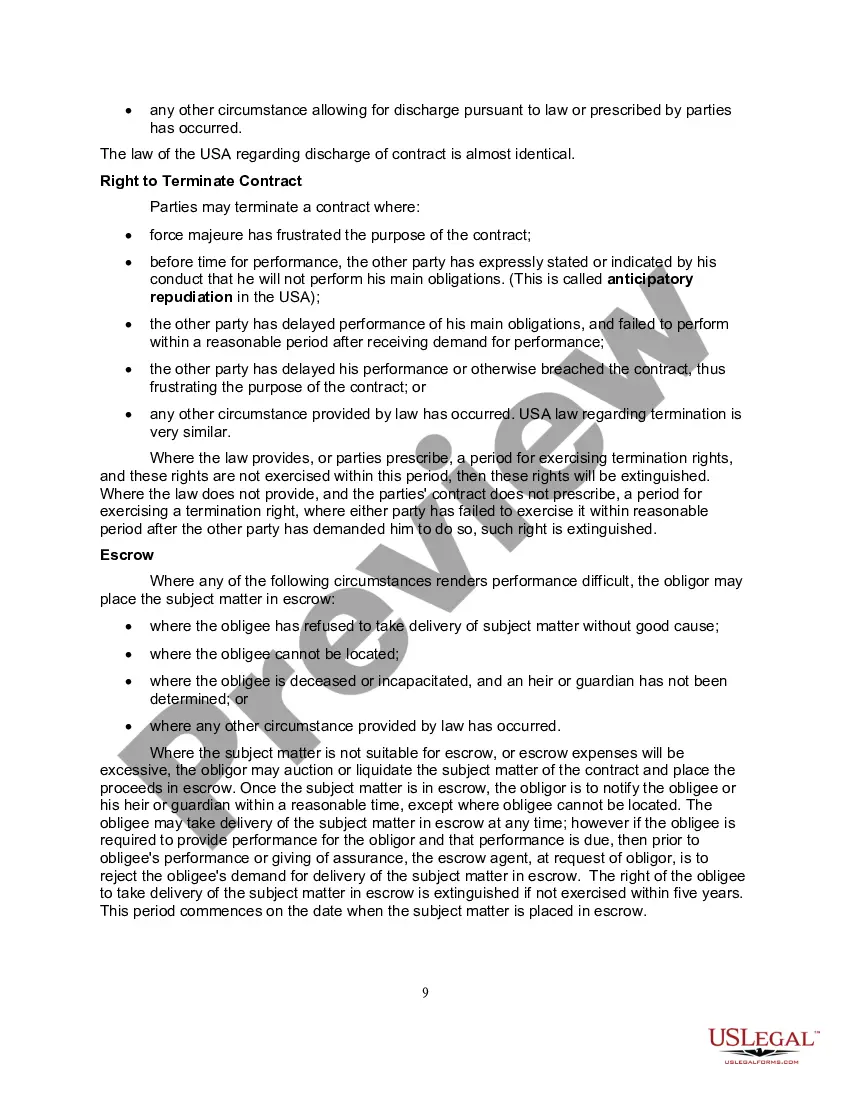



Get your form ready online
Our built-in tools help you complete, sign, share, and store your documents in one place.
Make edits, fill in missing information, and update formatting in US Legal Forms—just like you would in MS Word.
Download a copy, print it, send it by email, or mail it via USPS—whatever works best for your next step.
Sign and collect signatures with our SignNow integration. Send to multiple recipients, set reminders, and more. Go Premium to unlock E-Sign.
If this form requires notarization, complete it online through a secure video call—no need to meet a notary in person or wait for an appointment.
We protect your documents and personal data by following strict security and privacy standards.

Make edits, fill in missing information, and update formatting in US Legal Forms—just like you would in MS Word.

Download a copy, print it, send it by email, or mail it via USPS—whatever works best for your next step.

Sign and collect signatures with our SignNow integration. Send to multiple recipients, set reminders, and more. Go Premium to unlock E-Sign.

If this form requires notarization, complete it online through a secure video call—no need to meet a notary in person or wait for an appointment.

We protect your documents and personal data by following strict security and privacy standards.
Looking for another form?







Form popularity
FAQ
The Michigan texting and driving law is intended to stop drivers from using a hand-held cell phone or mobile electronic device to text, make calls, watch videos, or go on social media while they're behind the wheel.
Forfeiture generally occurs where one party exercises a legal right that results in a second party forfeiting, or losing, a right or interest. In some cases, where the right or interest has been lost due to unconscientious conduct, equity can provide a remedy in the form of relief against forfeiture.
The Michigan Omnibus Forfeiture Act is a legislative measure designed to address specific offenses, mandating a criminal conviction before asset forfeiture can occur. This requirement ensures that property seizure is directly tied to proven criminal activity.
Effective August 7, 2019, Michigan law requires a criminal conviction before some property seized under the Public Health Code can be forfeited to law enforcement.
The Michigan Omnibus Forfeiture Act is a legislative measure designed to address specific offenses, mandating a criminal conviction before asset forfeiture can occur. This requirement ensures that property seizure is directly tied to proven criminal activity.
Default Clauses: Michigan land contracts typically include default clauses outlining what happens if the buyer fails to make payments. This may include forfeiture of the property or acceleration of the remaining balance.
In forfeiture, the seller cannot accelerate the debt. Therefore, the vendee can cure by paying the past-due monthly payments. If the seller wants to terminate the land contract and evict a vendee in chronic default in a foreclosure, the seller can accelerate the debt, making it harder for the tenant to cure.
In a land contract, the seller holds the deed (meaning they own the home) until the buyer makes enough payments. The buyer is still usually responsible for property taxes and upkeep of the home while making those payments.
Michigan earns a D- for its civil forfeiture laws. Once the conviction provision is satisfied, property must be linked to a drug crime by clear and convincing evidence or to another crime by preponderance of the evidence.
