Contract Law With Good Faith In Miami-Dade
Description



Get your form ready online
Our built-in tools help you complete, sign, share, and store your documents in one place.
Make edits, fill in missing information, and update formatting in US Legal Forms—just like you would in MS Word.
Download a copy, print it, send it by email, or mail it via USPS—whatever works best for your next step.
Sign and collect signatures with our SignNow integration. Send to multiple recipients, set reminders, and more. Go Premium to unlock E-Sign.
If this form requires notarization, complete it online through a secure video call—no need to meet a notary in person or wait for an appointment.
We protect your documents and personal data by following strict security and privacy standards.

Make edits, fill in missing information, and update formatting in US Legal Forms—just like you would in MS Word.

Download a copy, print it, send it by email, or mail it via USPS—whatever works best for your next step.

Sign and collect signatures with our SignNow integration. Send to multiple recipients, set reminders, and more. Go Premium to unlock E-Sign.

If this form requires notarization, complete it online through a secure video call—no need to meet a notary in person or wait for an appointment.

We protect your documents and personal data by following strict security and privacy standards.
Looking for another form?









Form popularity
FAQ
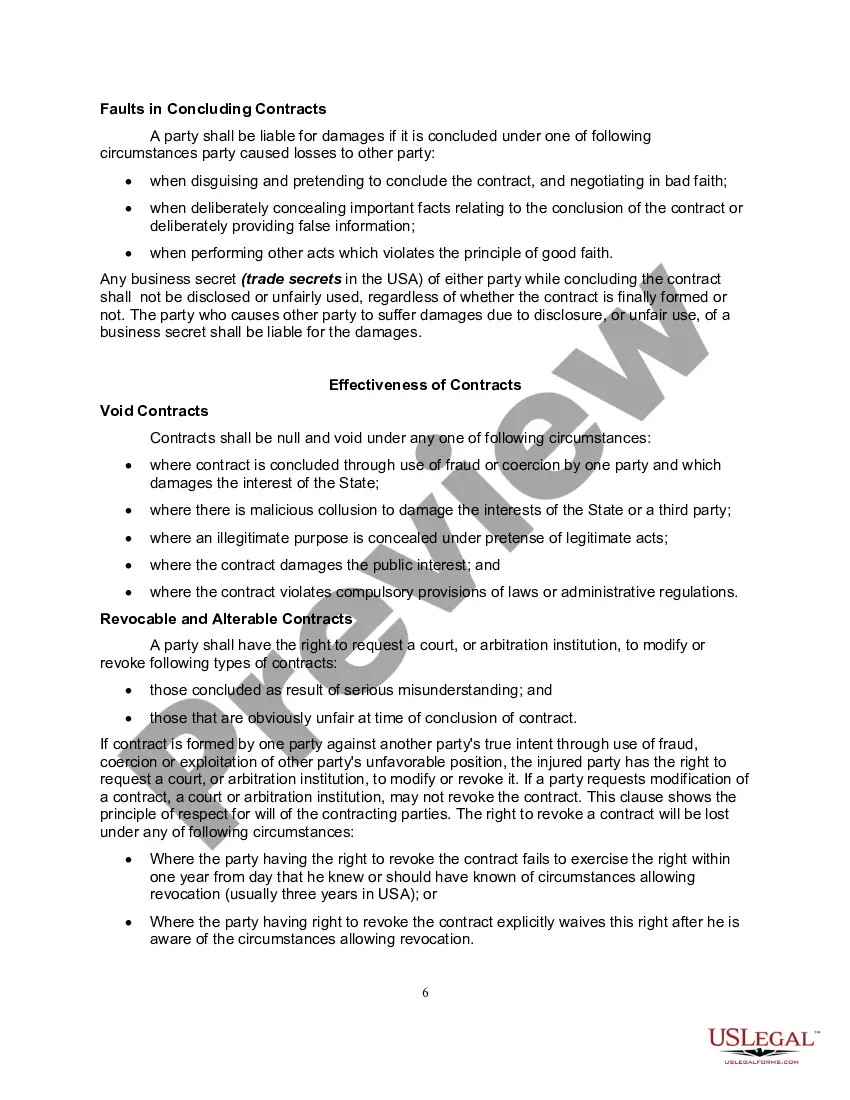
Under common law, good faith requires parties to an agreement to exercise their powers reasonably and not arbitrarily or for some irrelevant purpose. Certain conduct may lack good faith if one party acts dishonestly or fails to have regard to the legitimate interests of the other party.
Implied covenant of good faith and fair dealing (often simplified to good faith) is a rule used by most courts in the United States that requires every party in a contract to implement the agreement as intended, not using means to undercut the purpose of the transaction.
In general, the duty of good faith and fair dealing means, for example, that parties cannot evade the spirit of the bargain, lack diligence or slack off, perform incorrectly on purpose, abuse their power when specifying the terms of a contract, or interfere with or fail to cooperate in the other party's performance.
Overall, in the context of the case, the duty of good faith clause imposed a core requirement that the parties should act honestly towards each other and the company, and not to act in bad faith towards each other.
Implied covenant of good faith and fair dealing (often simplified to good faith) is a rule used by most courts in the United States that requires every party in a contract to implement the agreement as intended, not using means to undercut the purpose of the transaction.
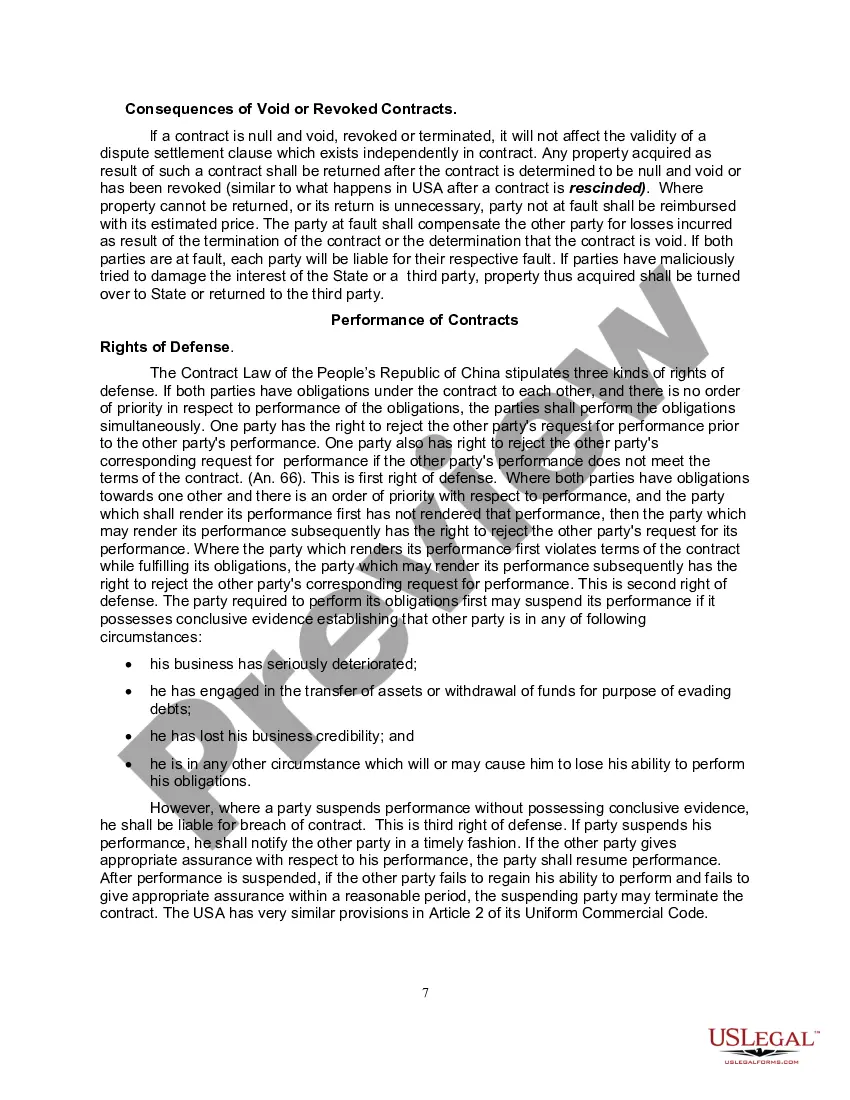
Parties cannot rely on the strict terms of a contract to justify dishonest conduct – the duty of honest performance imposes an obligation to act honestly and in good faith when performing contractual obligations, even if the terms of the contract allow for termination or other actions.
The principle of good faith has guided all contractual relationships in Canada since 2014. At a bare minimum, it imposes a duty not to lie in the performance of the contract itself and an obligation to exercise any contractual discretion reasonably.
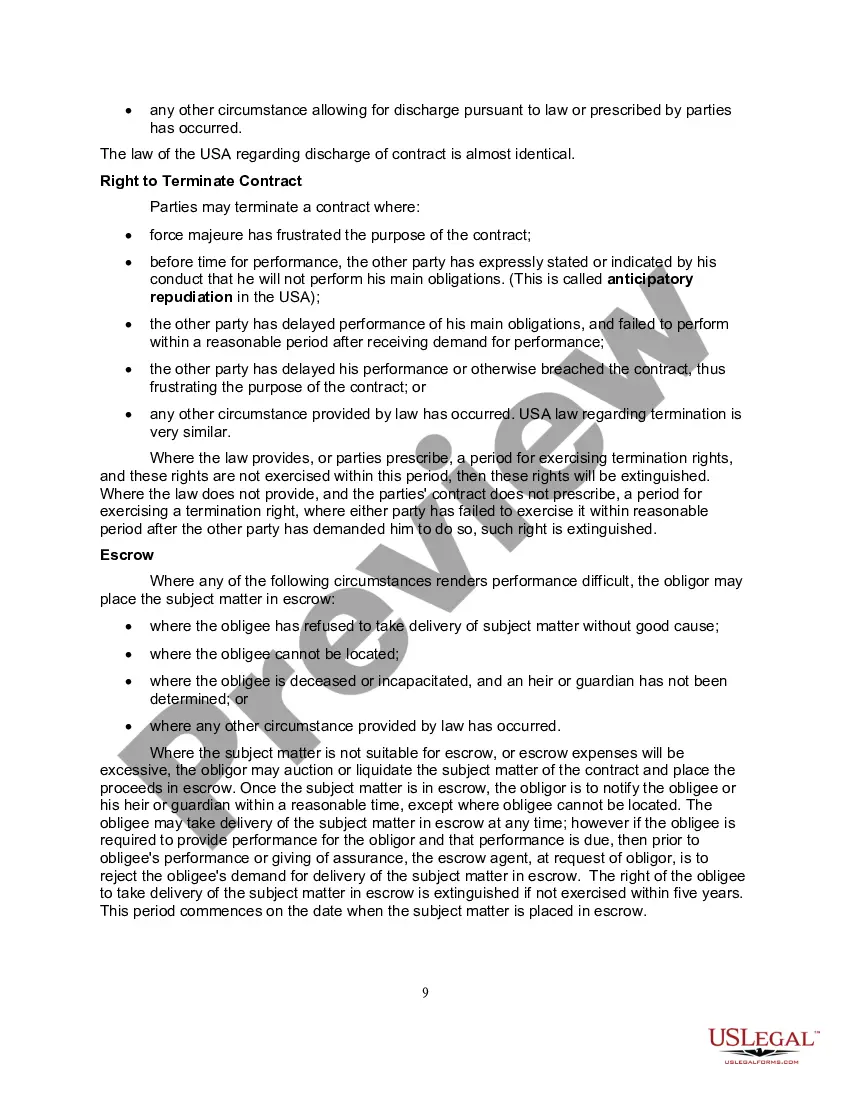
The 'good faith' duties promote loyalty or fidelity to the contractual relationship, primarily by requiring honesty and cooperation in contract performance and by precluding the exercise of discretionary contractual powers in a manner that is unreasonable or outside the proper purposes of the power.
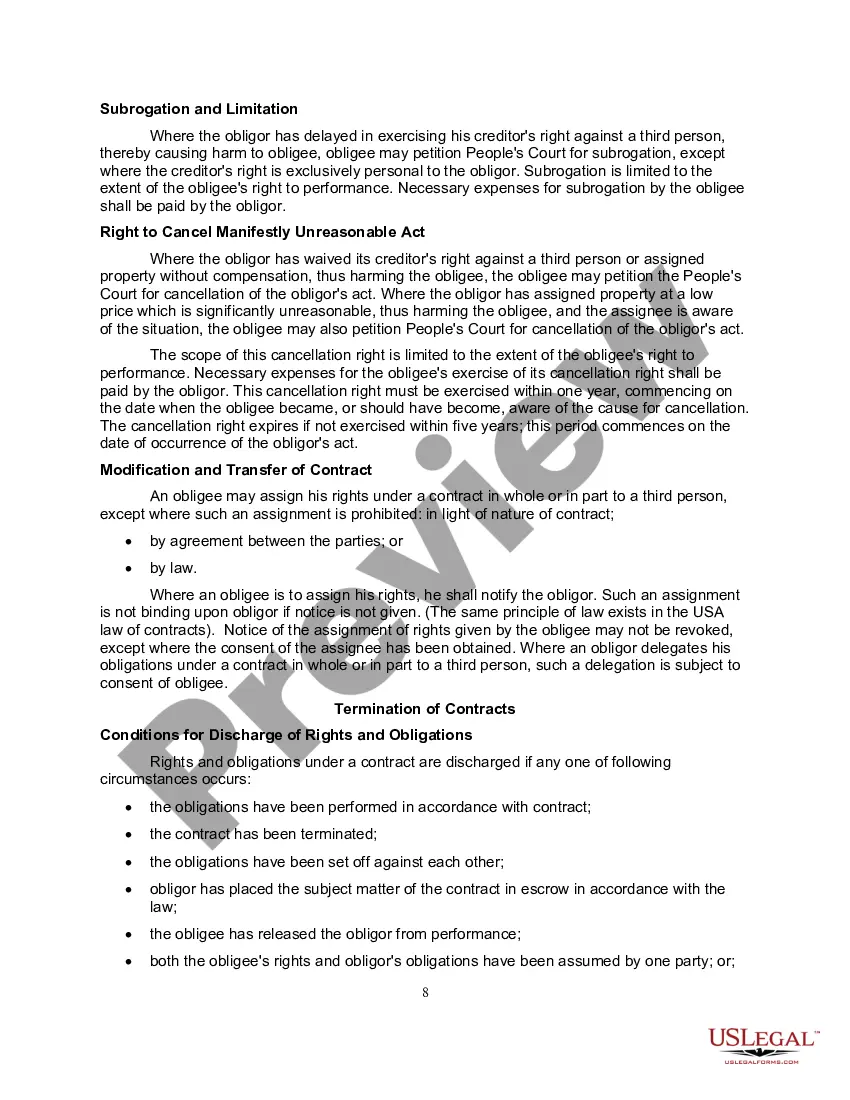
If the goods or the delivery don't conform to the contract in every respect, the seller may be liable for breach of contract. This principle is known as the perfect-tender rule. Article 2's perfect-tender rule rejects the common-law doctrine of substantial performance.
