Contract Law For Construction In Harris
Description



Get your form ready online
Our built-in tools help you complete, sign, share, and store your documents in one place.
Make edits, fill in missing information, and update formatting in US Legal Forms—just like you would in MS Word.
Download a copy, print it, send it by email, or mail it via USPS—whatever works best for your next step.
Sign and collect signatures with our SignNow integration. Send to multiple recipients, set reminders, and more. Go Premium to unlock E-Sign.
If this form requires notarization, complete it online through a secure video call—no need to meet a notary in person or wait for an appointment.
We protect your documents and personal data by following strict security and privacy standards.

Make edits, fill in missing information, and update formatting in US Legal Forms—just like you would in MS Word.

Download a copy, print it, send it by email, or mail it via USPS—whatever works best for your next step.

Sign and collect signatures with our SignNow integration. Send to multiple recipients, set reminders, and more. Go Premium to unlock E-Sign.

If this form requires notarization, complete it online through a secure video call—no need to meet a notary in person or wait for an appointment.

We protect your documents and personal data by following strict security and privacy standards.
Looking for another form?







Form popularity
FAQ
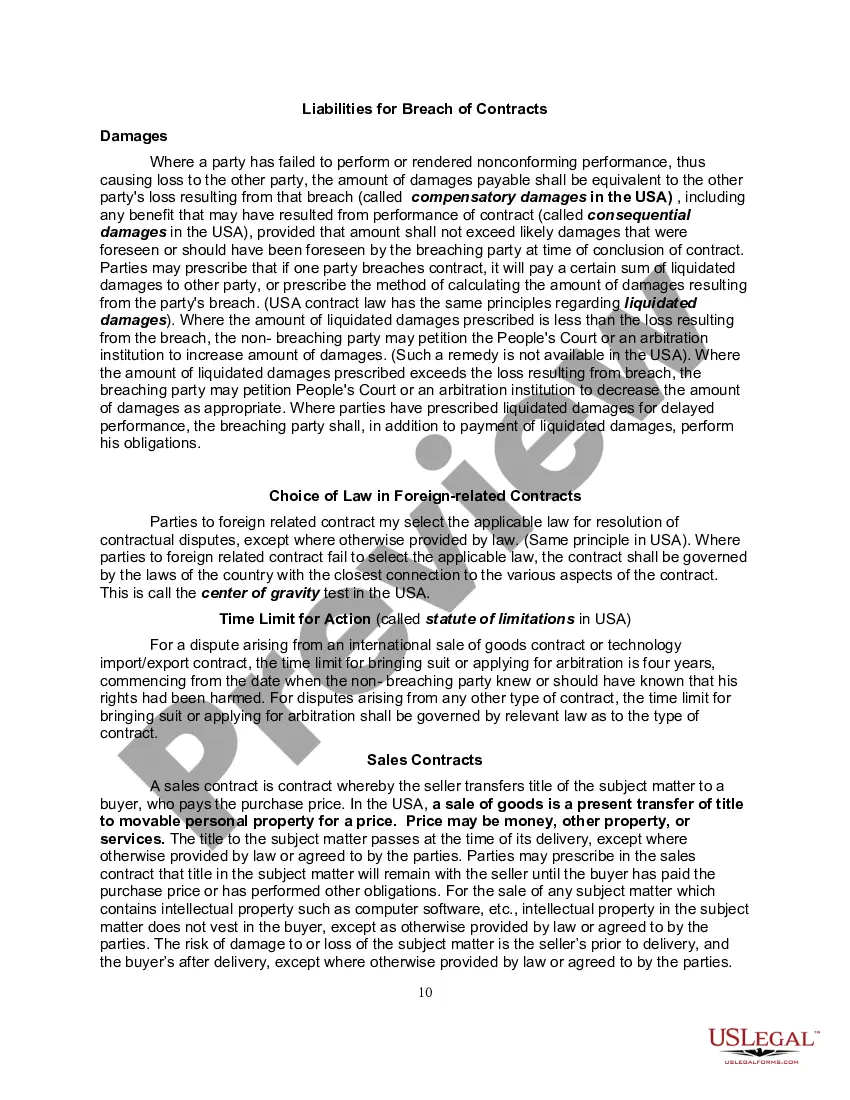
The rules of contract construction call on several different types of meaning. These include plain meaning, use meaning, subjective meaning, objective meaning, purpose, and belief and intent. The correct approach to contract interpretation differs ing to the facts of the case and the legal question at issue.
Top 10 Common Mistakes that We See in Construction Contracts It's not written down. Both parties haven't signed the contract. Not all of the terms of the agreement are in writing and in the contract. The timeline is unclear. Particular terms aren't defined. There's no written approval of any changes to the contract.
Here is a brief overview of the essential elements of a valid contract under Texas law. There Must Be an Offer. There Must Be Acceptance. There Must Be Mutual Consideration. The Parties Must Be Capable of Forming a Contract. The Contract Must Be For a Legal Purpose. The Contract Should Be in Writing.
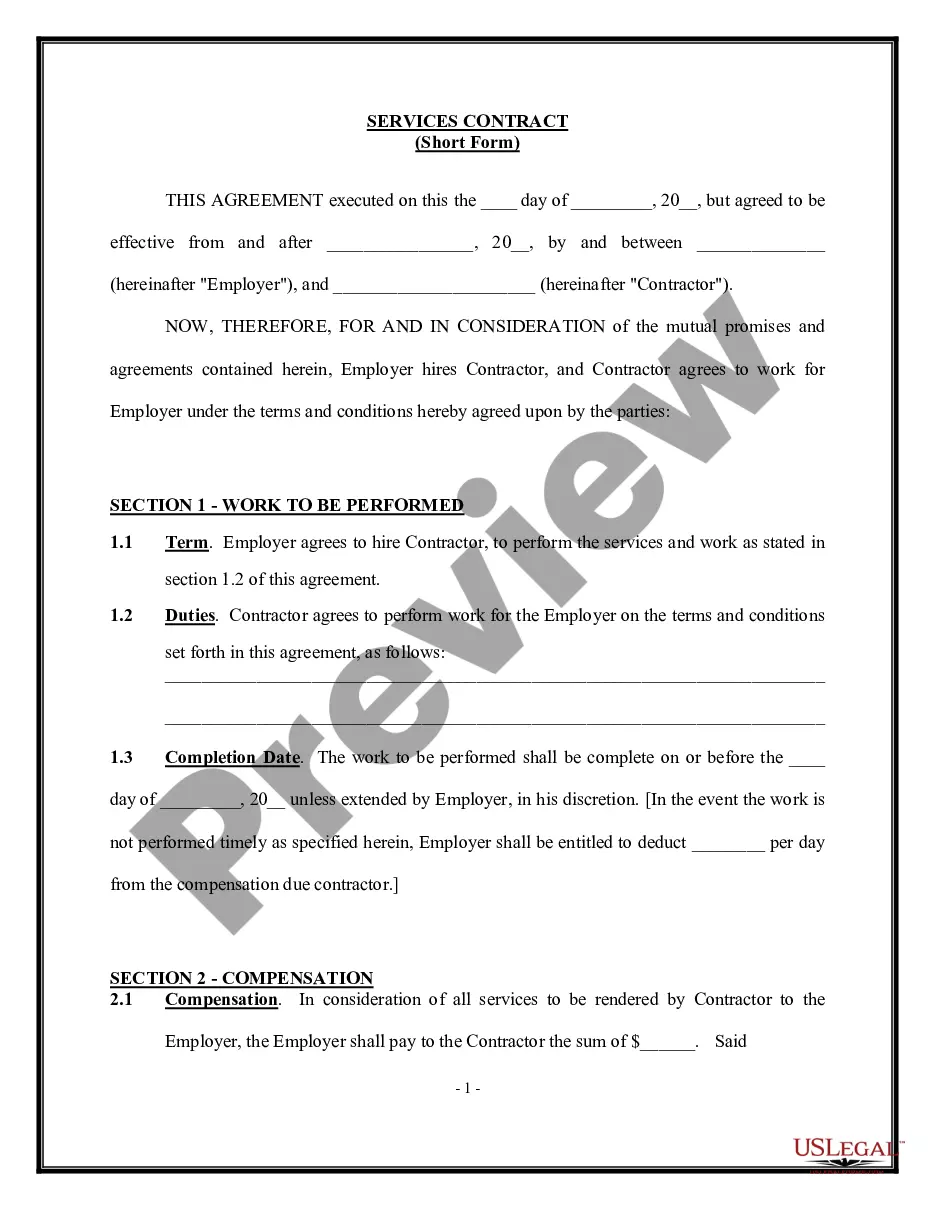
Write the contract in six steps Start with a contract template. Open with the basic information. Describe in detail what you have agreed to. Include a description of how the contract will be ended. Write into the contract which laws apply and how disputes will be resolved. Include space for signatures.
That contract must include specific information about your rights and responsibilities. In addition, any changes made to that contract must be in writing, be legible, be easy to understand, and inform you of your rights to cancel or rescind the contract.
Three rules generally accepted in construction of contracts are the plain meaning rule, the enforceability rule and the interpretation that favors the non-drafting party. The plain meaning rule states that the ordinary and prevailing usage will be applied to the words in the contract.
While the 3 elements of contract law—offer, acceptance, and consideration—are crucial, there are additional elements that ensure a contract is valid and enforceable. These include capacity, legality, and awareness.
There are four essential elements of forming a contract: offer, acceptance, consideration, and intention to create legal relations. Beyond this, the terms of the contract must also be unambiguous, and the parties must have the mental capacity to agree.
Discover the 3 elements of contract law: offer, acceptance, and consideration. Ensure legal protection and clarity in your agreements. Understanding the 3 elements of contract law is crucial for anyone involved in business transactions.
