Contract Law With Good Faith In Fulton
Description



Get your form ready online
Our built-in tools help you complete, sign, share, and store your documents in one place.
Make edits, fill in missing information, and update formatting in US Legal Forms—just like you would in MS Word.
Download a copy, print it, send it by email, or mail it via USPS—whatever works best for your next step.
Sign and collect signatures with our SignNow integration. Send to multiple recipients, set reminders, and more. Go Premium to unlock E-Sign.
If this form requires notarization, complete it online through a secure video call—no need to meet a notary in person or wait for an appointment.
We protect your documents and personal data by following strict security and privacy standards.

Make edits, fill in missing information, and update formatting in US Legal Forms—just like you would in MS Word.

Download a copy, print it, send it by email, or mail it via USPS—whatever works best for your next step.

Sign and collect signatures with our SignNow integration. Send to multiple recipients, set reminders, and more. Go Premium to unlock E-Sign.

If this form requires notarization, complete it online through a secure video call—no need to meet a notary in person or wait for an appointment.

We protect your documents and personal data by following strict security and privacy standards.
Looking for another form?









Form popularity
FAQ
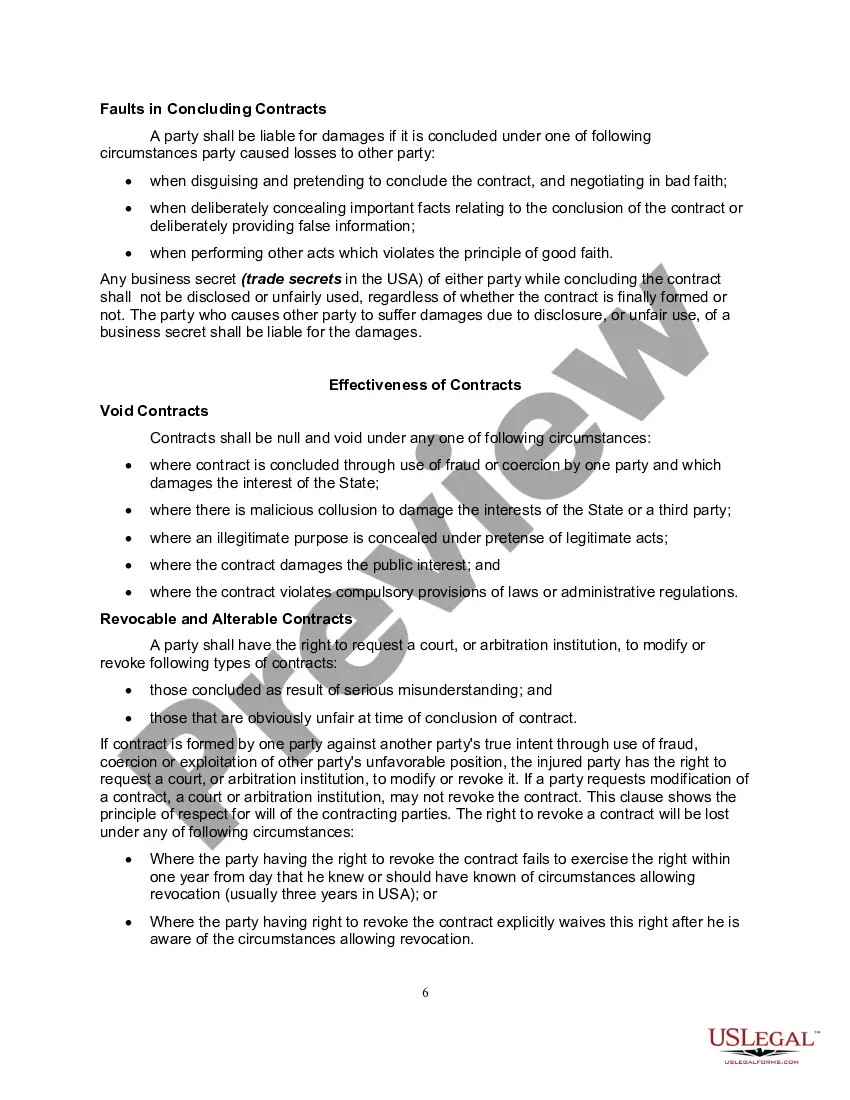
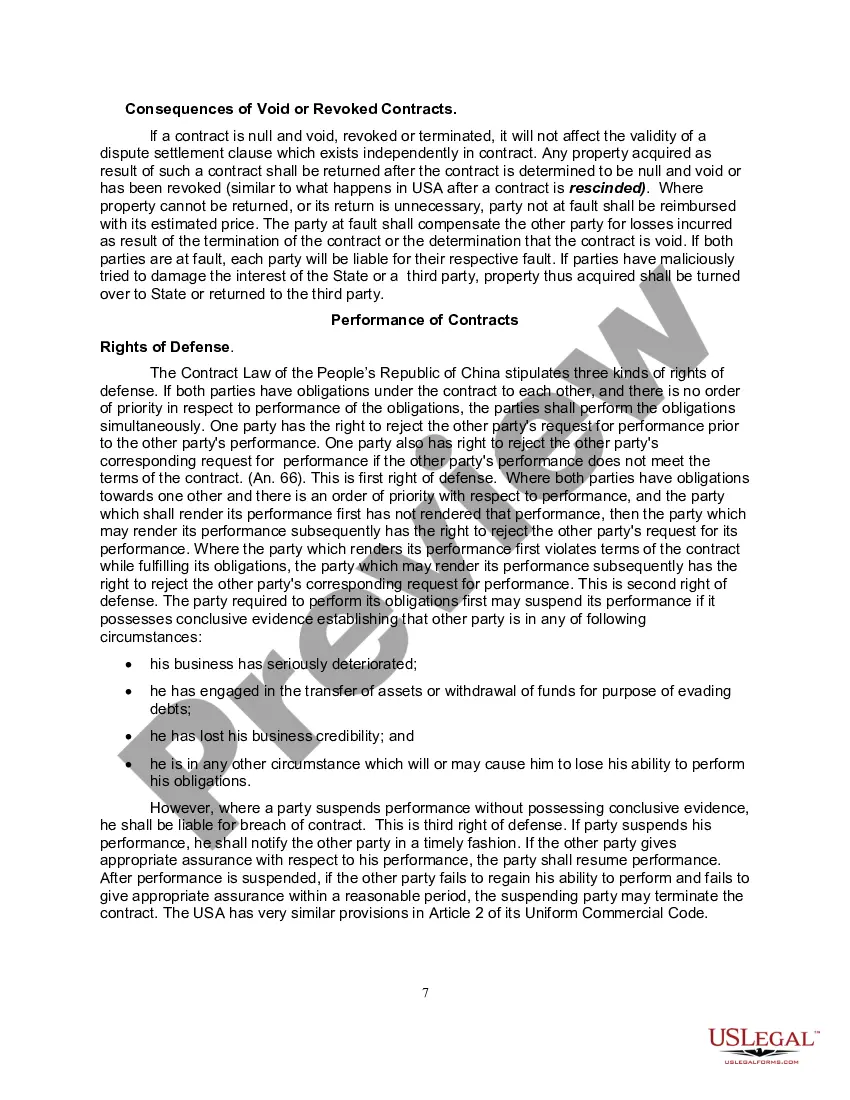
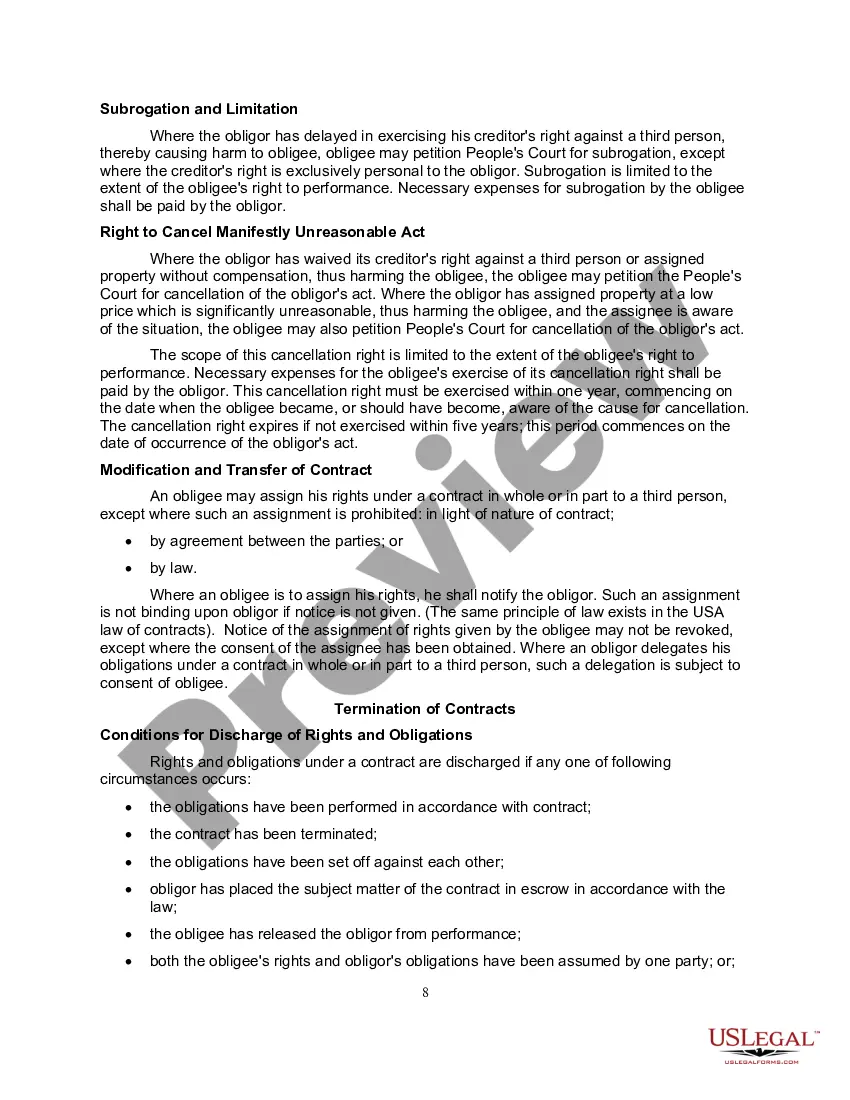
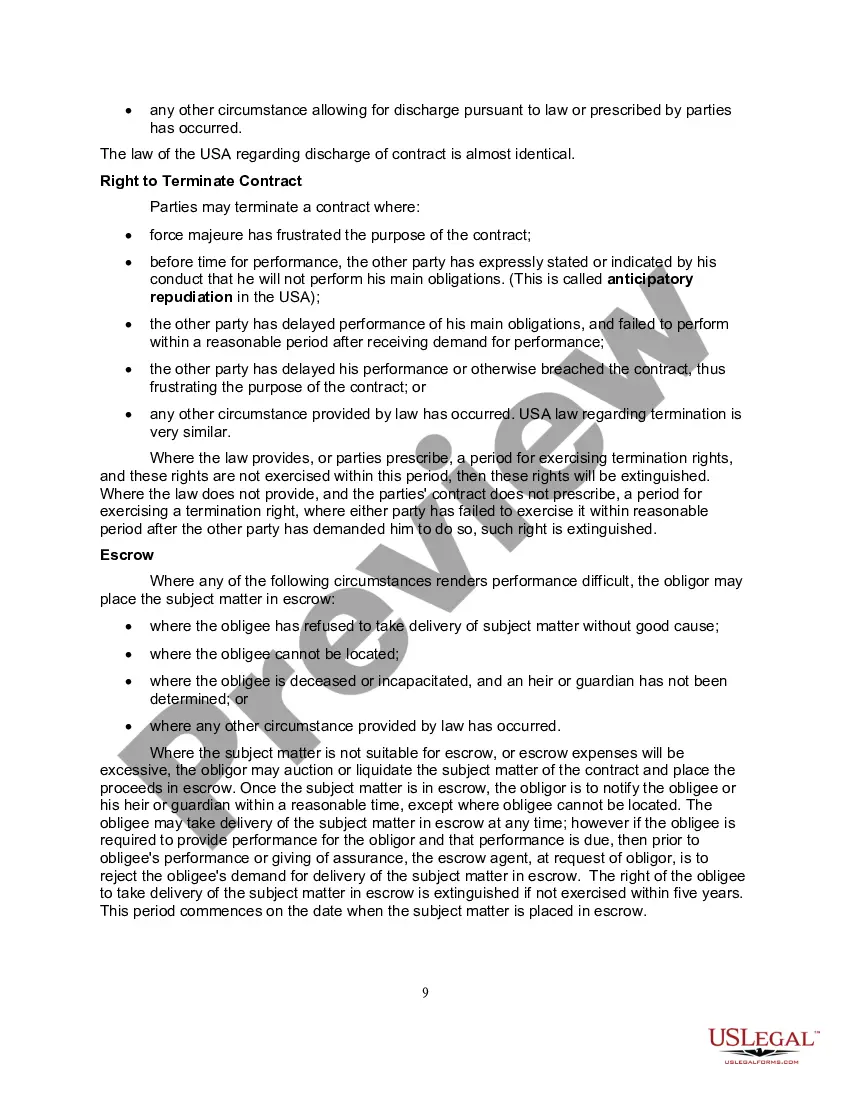
Parties cannot rely on the strict terms of a contract to justify dishonest conduct – the duty of honest performance imposes an obligation to act honestly and in good faith when performing contractual obligations, even if the terms of the contract allow for termination or other actions.
In essence, this duty requires parties to a contract to act in good faith and with honesty in exercising their rights under a contract and in delivering their obligations under a contract.
Sir Anthony suggested that the concept of good faith includes the following elements: (1) An obligation on the parties to co-operate in achieving the contractual objects (loyalty to the promise itself). (2) Compliance with honest standards of conduct.
Implied covenant of good faith and fair dealing (often simplified to good faith) is a rule used by most courts in the United States that requires every party in a contract to implement the agreement as intended, not using means to undercut the purpose of the transaction.
Sir Anthony suggested that the concept of good faith includes the following elements: (1) An obligation on the parties to co-operate in achieving the contractual objects (loyalty to the promise itself). (2) Compliance with honest standards of conduct.
The implied covenant of good faith and fair dealing is automatically included in every contract and cannot be waived by the parties.
A fiduciary relationship creates a duty of good faith between the agent and the principal . The breach of this duty of good faith can lead to liability . Failure to act in good faith is known as bad faith and is generally considered to be a level of culpability greater than negligence .
Implied covenant of good faith and fair dealing (often simplified to good faith) is a rule used by most courts in the United States that requires every party in a contract to implement the agreement as intended, not using means to undercut the purpose of the transaction.
Implied covenant of good faith and fair dealing (often simplified to good faith) is a rule used by most courts in the United States that requires every party in a contract to implement the agreement as intended, not using means to undercut the purpose of the transaction.
