Contract Law With Good Faith In Clark
Description

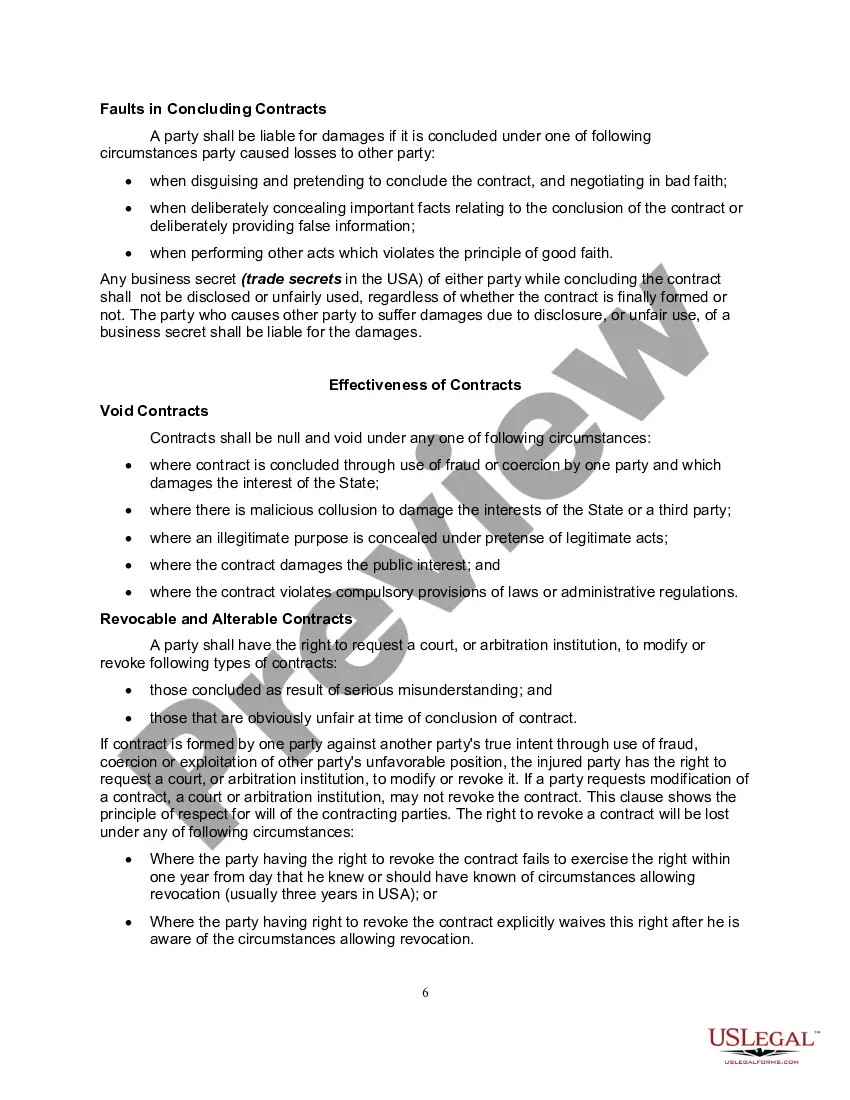
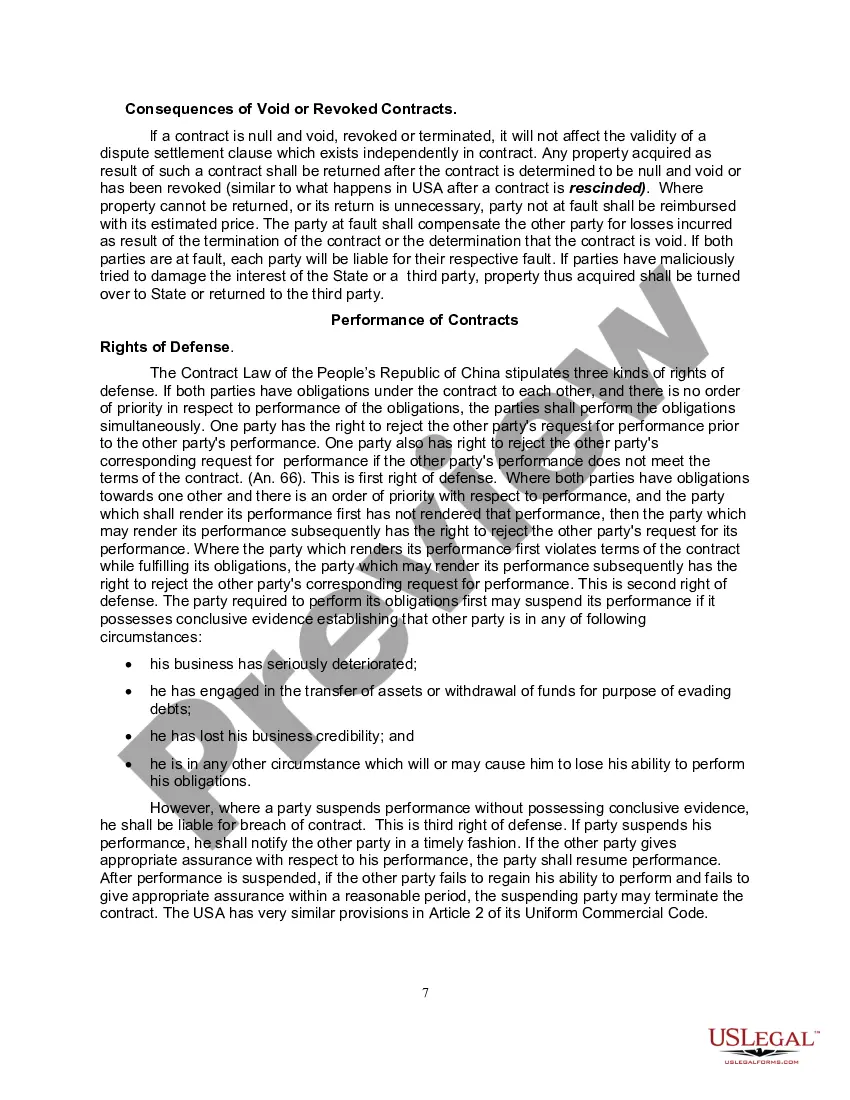
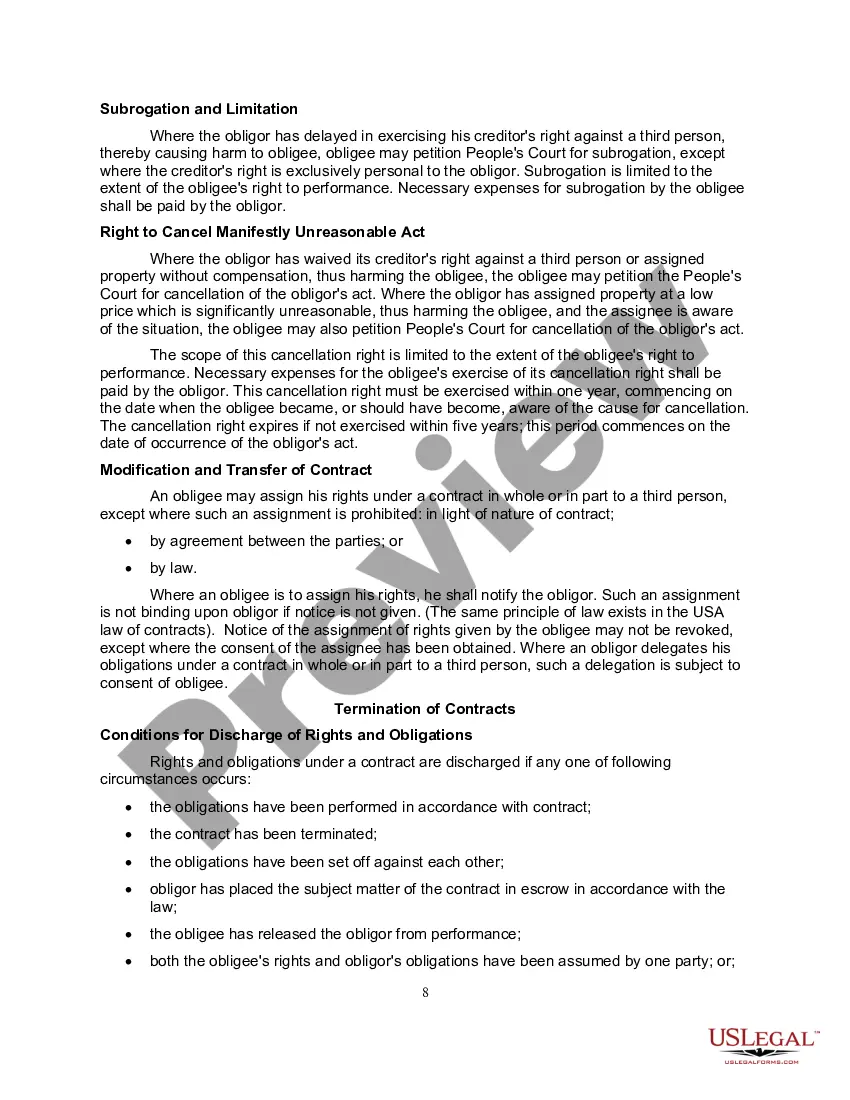
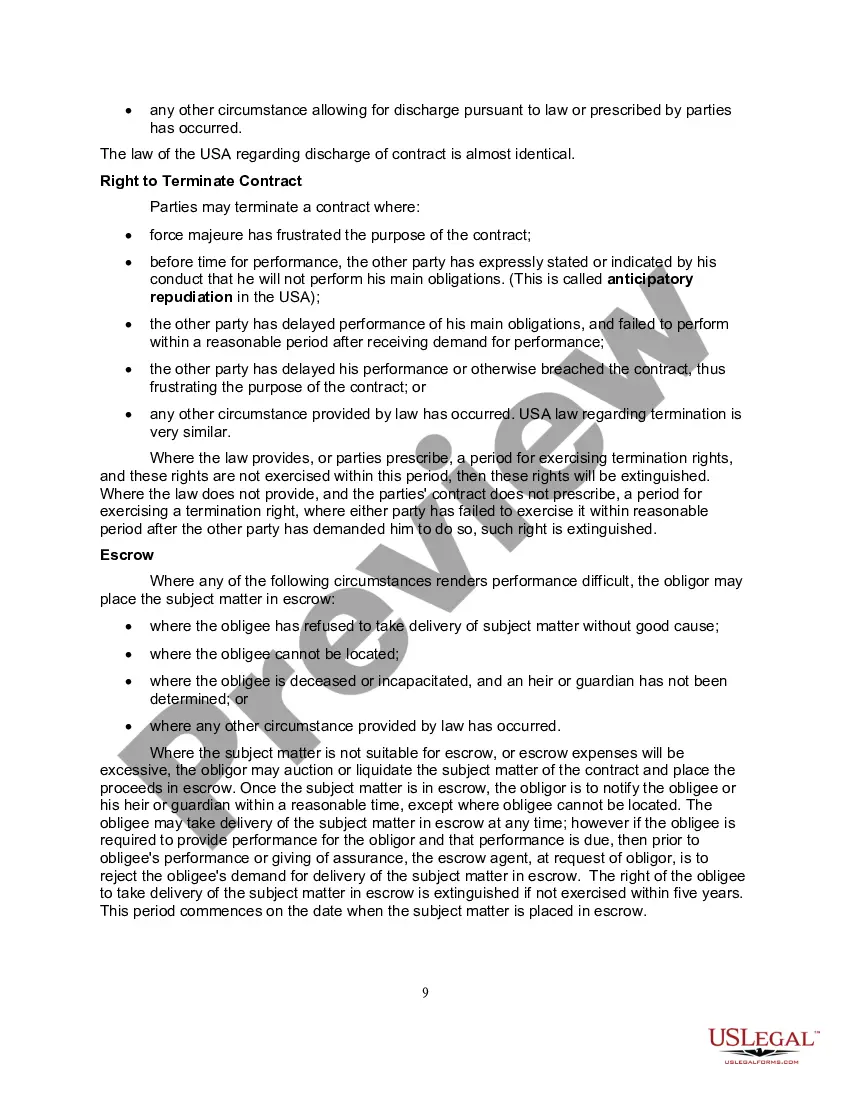


Get your form ready online
Our built-in tools help you complete, sign, share, and store your documents in one place.
Make edits, fill in missing information, and update formatting in US Legal Forms—just like you would in MS Word.
Download a copy, print it, send it by email, or mail it via USPS—whatever works best for your next step.
Sign and collect signatures with our SignNow integration. Send to multiple recipients, set reminders, and more. Go Premium to unlock E-Sign.
If this form requires notarization, complete it online through a secure video call—no need to meet a notary in person or wait for an appointment.
We protect your documents and personal data by following strict security and privacy standards.

Make edits, fill in missing information, and update formatting in US Legal Forms—just like you would in MS Word.

Download a copy, print it, send it by email, or mail it via USPS—whatever works best for your next step.

Sign and collect signatures with our SignNow integration. Send to multiple recipients, set reminders, and more. Go Premium to unlock E-Sign.

If this form requires notarization, complete it online through a secure video call—no need to meet a notary in person or wait for an appointment.

We protect your documents and personal data by following strict security and privacy standards.
Looking for another form?









Form popularity
FAQ
The principle of utmost good faith states that the insurer and insured both must be transparent and disclose all the essential information required before signing up for an insurance policy. It states that both the parties must disclose all the material facts before subscribing to the policy.
Implied covenant of good faith and fair dealing (often simplified to good faith) is a rule used by most courts in the United States that requires every party in a contract to implement the agreement as intended, not using means to undercut the purpose of the transaction.
We often see contractual obligations on parties to act in 'good faith'. For instance: The Company may, acting reasonably and in good faith, set off from any amount due to the Contractor, any amount due or which may become due to the Company under this Contract.
Example Clause The Parties agree to engage in good faith negotiations to resolve any disputes arising under this Agreement. Each Party shall act honestly and fairly, provide necessary and relevant information to the other Party, and make a genuine effort to reach an equitable resolution.
A: Key elements of a Good Faith Agreement include an introduction outlining the purpose of the agreement; an outline of each party's rights and obligations; clauses defining dispute resolution procedures; clauses defining termination procedures; an acknowledgement of acceptance from both parties; and finally, ...
Examples of good faith in a business context include: Honesty: both parties are honest and truthful about the details of the contract, from the terms and conditions, to warranties and disclaimers. Fairness: both parties act fairly and reasonably as outlined by the contract.
The principle of good faith has guided all contractual relationships in Canada since 2014. At a bare minimum, it imposes a duty not to lie in the performance of the contract itself and an obligation to exercise any contractual discretion reasonably.
The principle requires parties “to deal honestly and fairly with each other (…) and to refrain from taking unfair advantage”.
The doctrine of good faith is a fundamental principle in contract law that imposes a duty on the parties to act honestly and with reasonable care towards each other. Any violation of this duty can have serious consequences, depending on the nature of the transaction.
Implied covenant of good faith and fair dealing (often simplified to good faith) is a rule used by most courts in the United States that requires every party in a contract to implement the agreement as intended, not using means to undercut the purpose of the transaction.
