Contract Law Forfeiture In Clark
Description




Get your form ready online
Our built-in tools help you complete, sign, share, and store your documents in one place.
Make edits, fill in missing information, and update formatting in US Legal Forms—just like you would in MS Word.
Download a copy, print it, send it by email, or mail it via USPS—whatever works best for your next step.
Sign and collect signatures with our SignNow integration. Send to multiple recipients, set reminders, and more. Go Premium to unlock E-Sign.
If this form requires notarization, complete it online through a secure video call—no need to meet a notary in person or wait for an appointment.
We protect your documents and personal data by following strict security and privacy standards.

Make edits, fill in missing information, and update formatting in US Legal Forms—just like you would in MS Word.

Download a copy, print it, send it by email, or mail it via USPS—whatever works best for your next step.

Sign and collect signatures with our SignNow integration. Send to multiple recipients, set reminders, and more. Go Premium to unlock E-Sign.

If this form requires notarization, complete it online through a secure video call—no need to meet a notary in person or wait for an appointment.

We protect your documents and personal data by following strict security and privacy standards.
Looking for another form?








Form popularity
FAQ
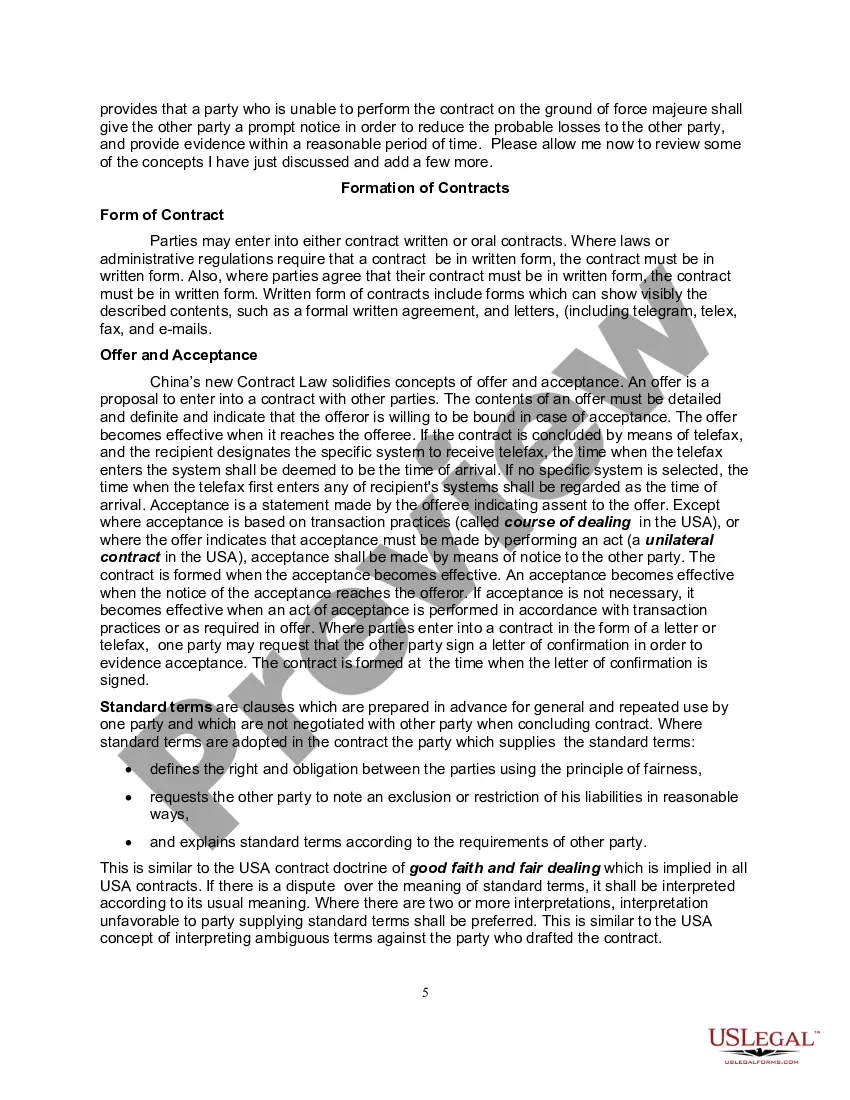
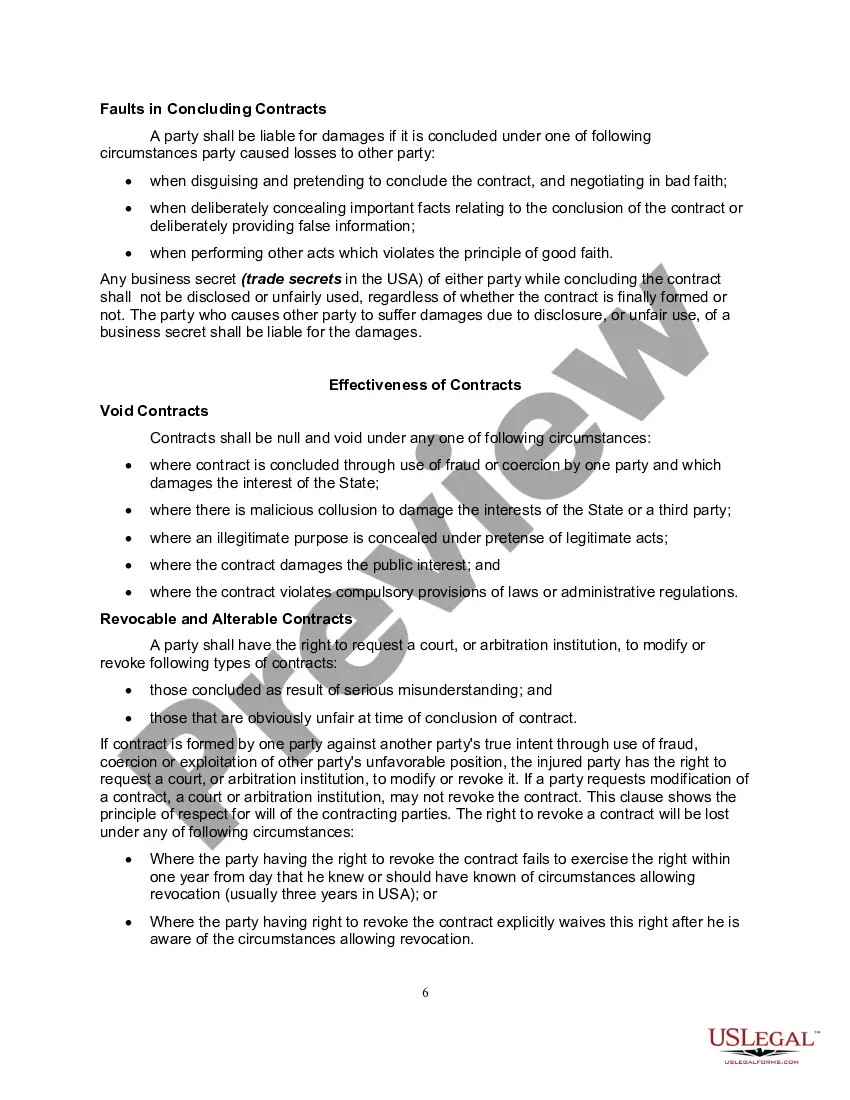
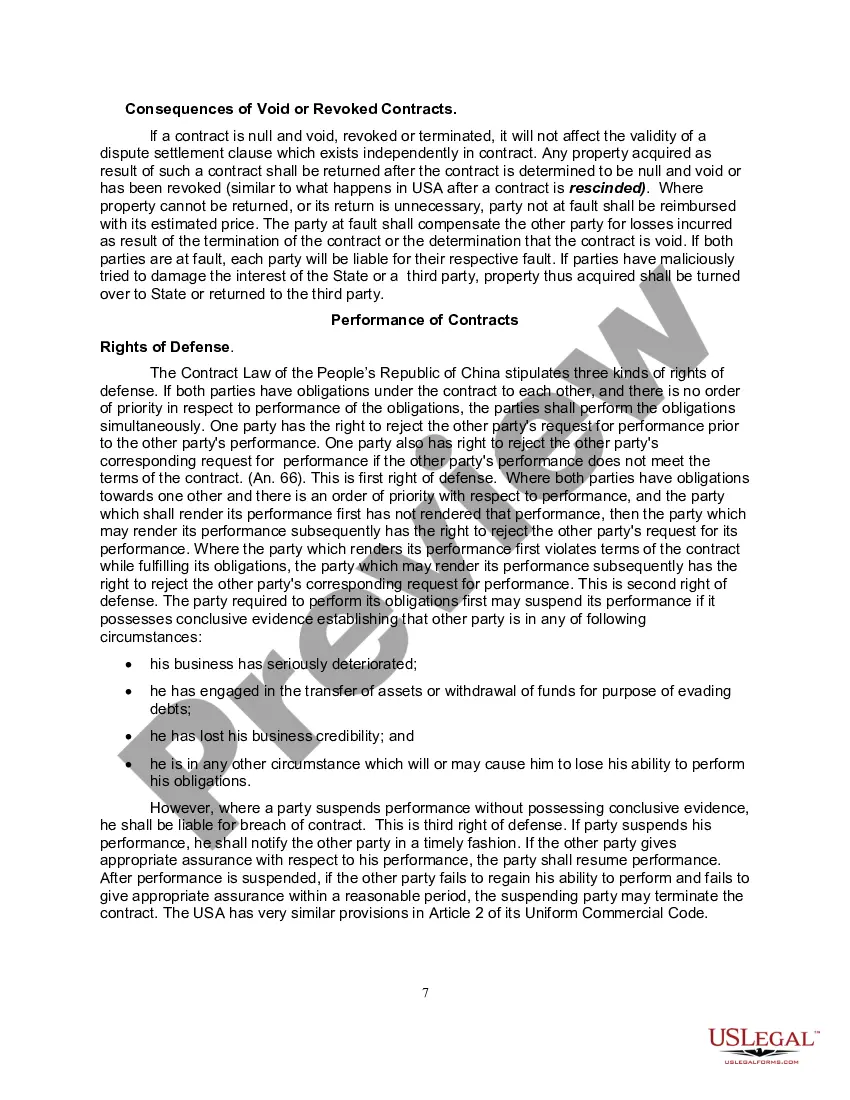
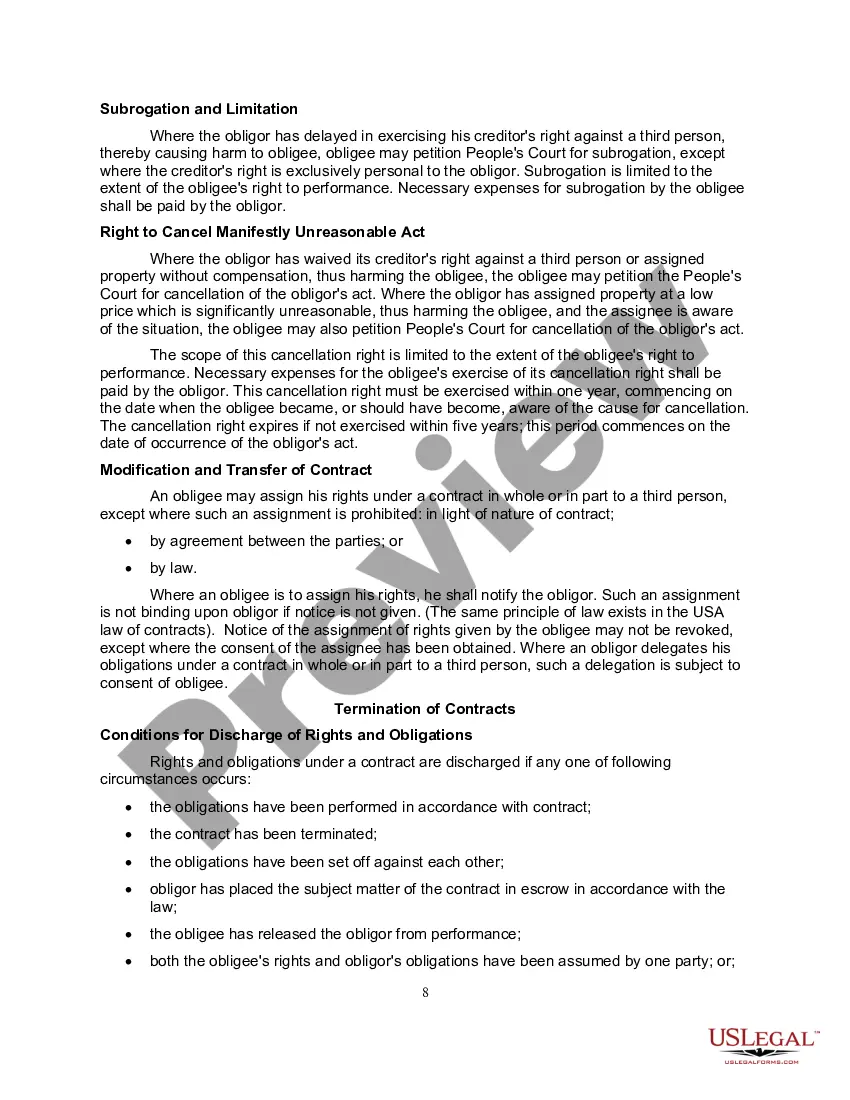
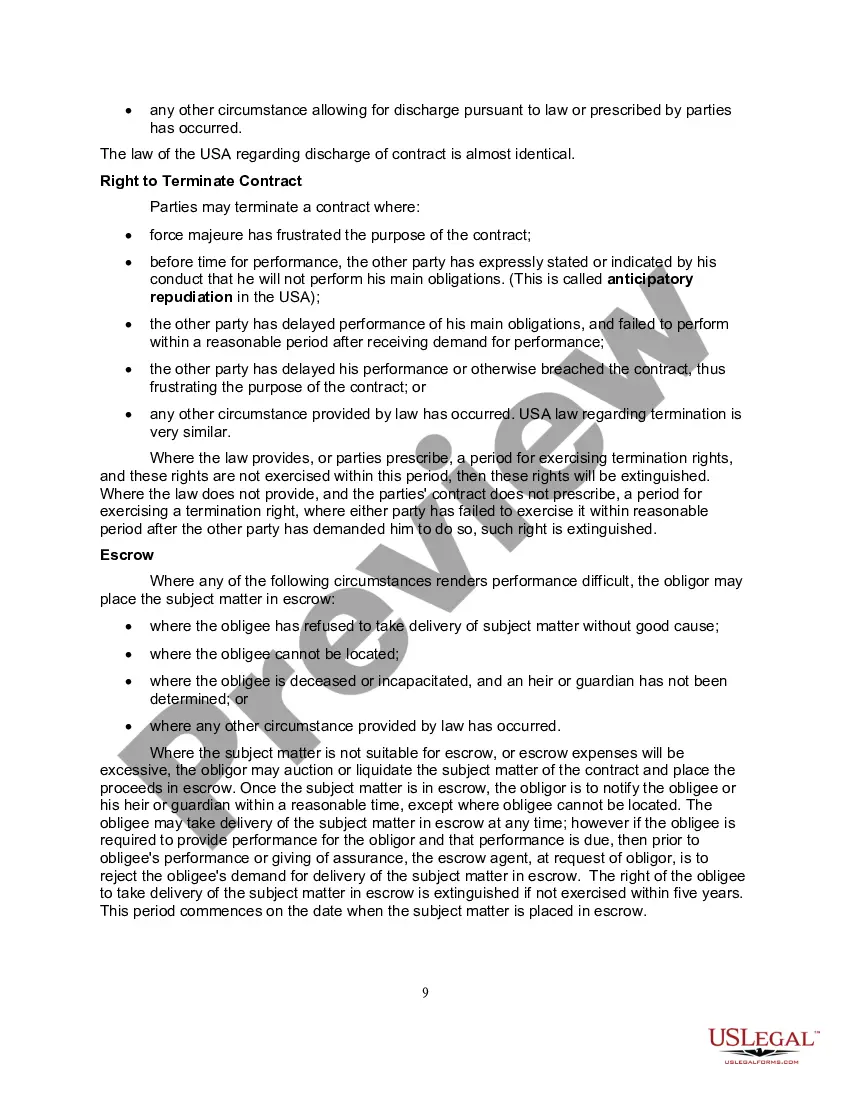
Forfeit or forfeiture means losing a right, privilege, or property without compensation as a consequence of violating the law, breaching a legal obligation, failing to perform a contractual obligation or condition, or neglecting a legal duty.
Suppose one party, the offeror, makes a statement or a promise that causes another party to rely on that statement in such a way that they are financially injured by that reliance. In that case, a court will enforce the statement or promise as if it were a valid contract.
A return promise bargained for and given in exchange for the promise. (2) Consideration may be given to the promisor or to some other person. It may be given. by the promisee or by some other person.
Thus, a promise may be enforceable to the extent that the promisee has incurred substantial costs, or conferred benefits, in reasonable reliance on the promise.
Where a landlord seeks to end a lease by re-entering the property following a breach of covenant by the tenant (and pursuant to a right reserved to the landlord to do so), the tenant can apply to the court for relief, that is, to have the forfeiture set aside.
The forfeiture rule, that no one who unlawfully kills another can share in the victim's estate or receive any other financial gain from the death, appears appropriate and immutable.
In any civil forfeiture proceeding under a civil forfeiture statute in which the Government prevails, if the court finds that the claimant's assertion of an interest in the property was frivolous, the court may impose a civil fine on the claimant of an amount equal to 10 percent of the value of the forfeited property, ...
The forfeiture clause allows the landlord's Bailiff (Certificated Enforcement Agent) to “re-enter” the premises following a breach. The forfeiture clause in the lease would normally say something like “if the rent remains unpaid for a period of 21 days then the landlord may peaceably re-enter and forfeit the lease”.