Contract Law In Uk In California
Description

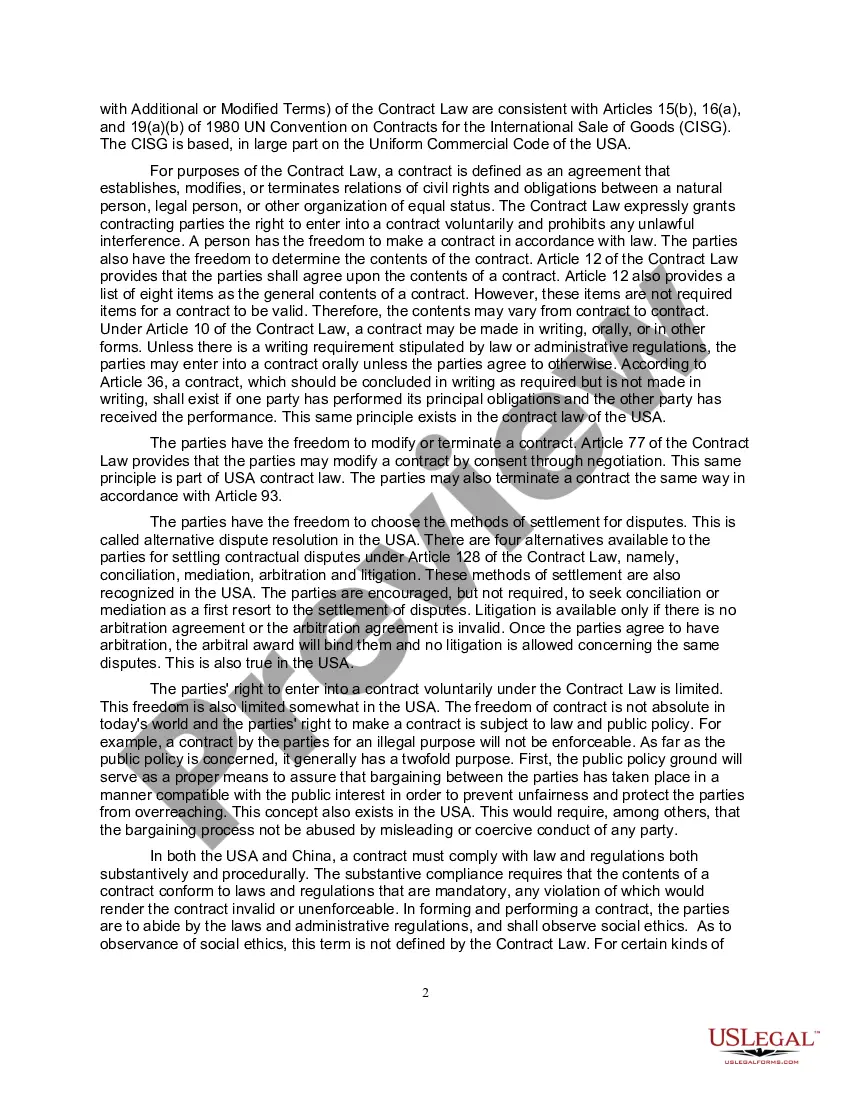
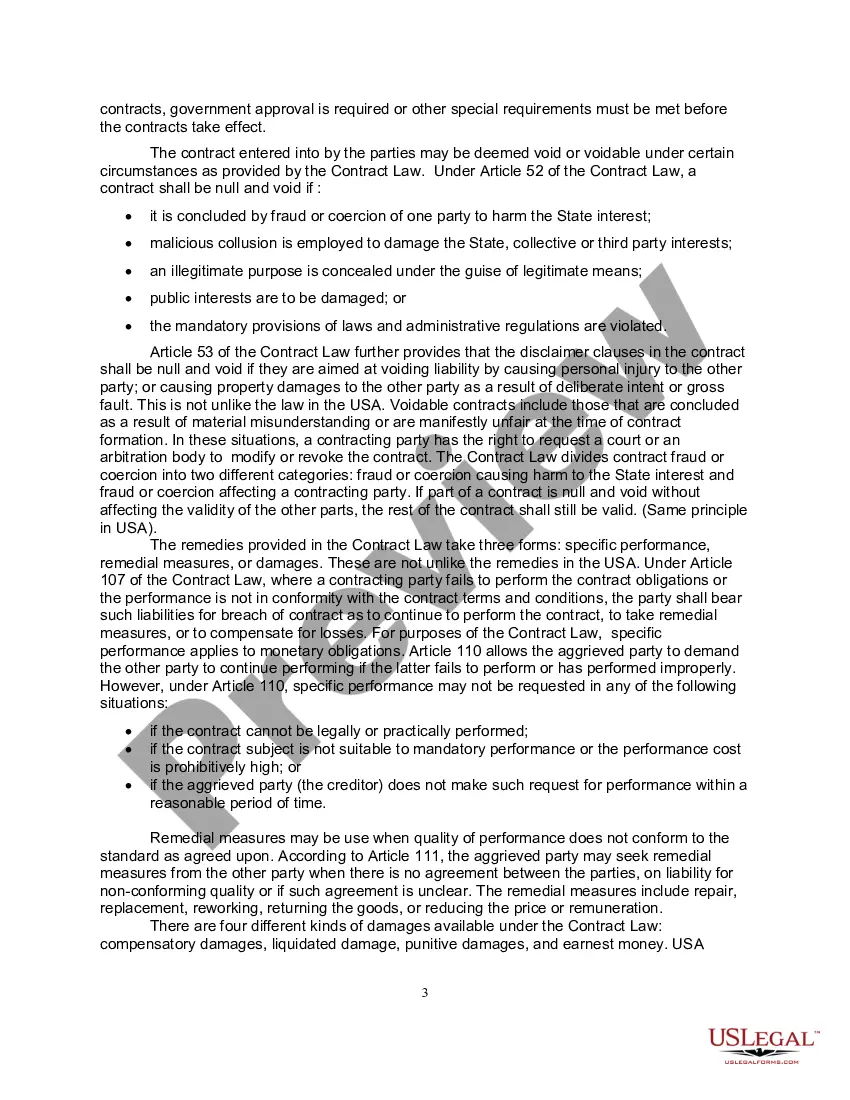
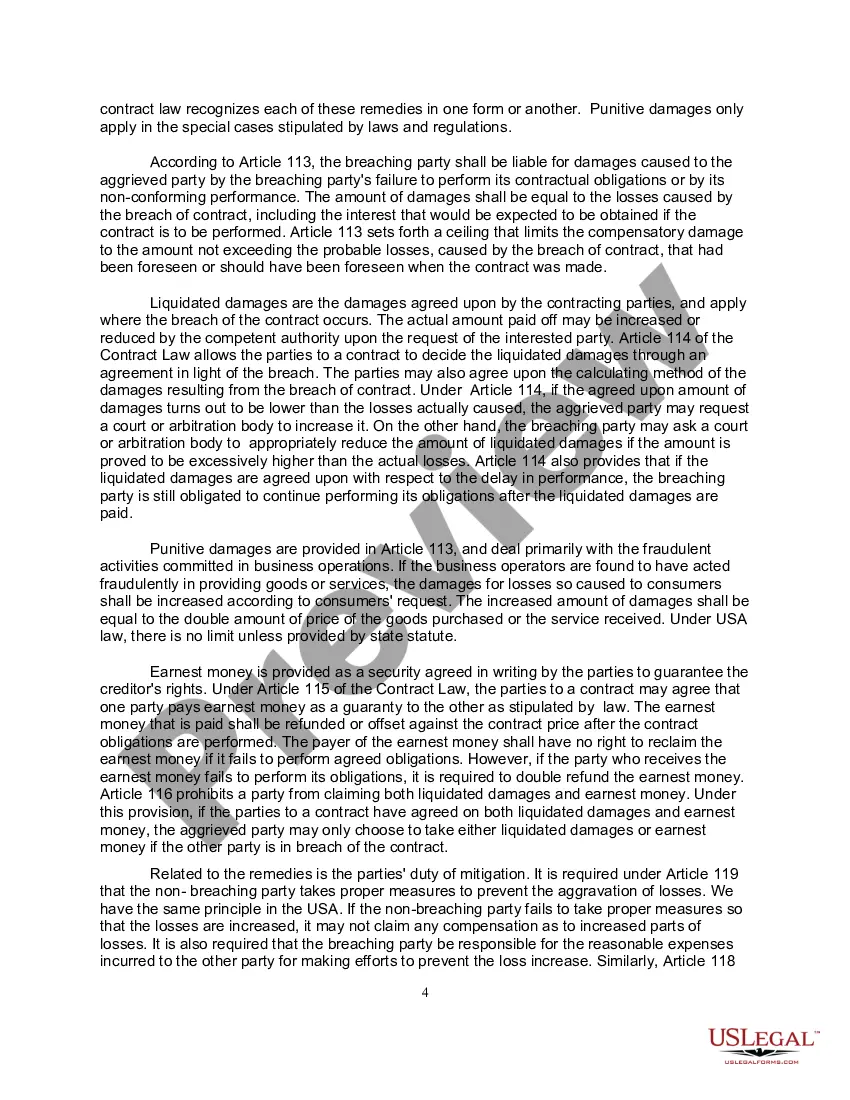
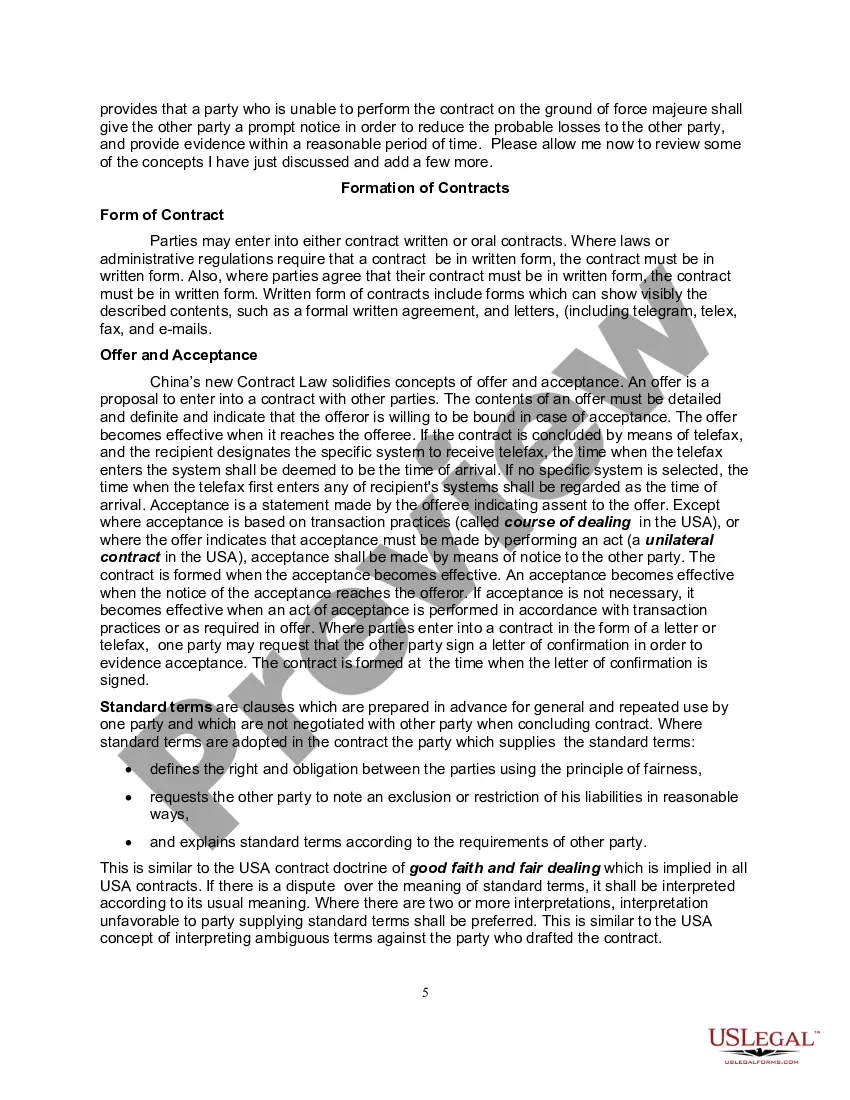


Get your form ready online
Our built-in tools help you complete, sign, share, and store your documents in one place.
Make edits, fill in missing information, and update formatting in US Legal Forms—just like you would in MS Word.
Download a copy, print it, send it by email, or mail it via USPS—whatever works best for your next step.
Sign and collect signatures with our SignNow integration. Send to multiple recipients, set reminders, and more. Go Premium to unlock E-Sign.
If this form requires notarization, complete it online through a secure video call—no need to meet a notary in person or wait for an appointment.
We protect your documents and personal data by following strict security and privacy standards.

Make edits, fill in missing information, and update formatting in US Legal Forms—just like you would in MS Word.

Download a copy, print it, send it by email, or mail it via USPS—whatever works best for your next step.

Sign and collect signatures with our SignNow integration. Send to multiple recipients, set reminders, and more. Go Premium to unlock E-Sign.

If this form requires notarization, complete it online through a secure video call—no need to meet a notary in person or wait for an appointment.

We protect your documents and personal data by following strict security and privacy standards.
Looking for another form?









Form popularity
FAQ
In common law, there are 3 basic essentials to the creation of a contract: (i) agreement; (ii) contractual intention; and (iii) consideration. 3. The first requisite of a contract is that the parties should have reached agreement.
Understanding what makes a contract unenforceable is crucial for anyone entering an agreement. Among other things, A contract can become unenforceable when it lacks mutual consent, involves illegal activities, or when a party lacks the capacity to understand the terms.
Coercion, threats, false statements or improper persuasion by one party to a contract can void the contract.
What Makes A Contract Null And Void Uncertainty or Ambiguity. Lack of Legal Capacity. Incomplete Terms. Misrepresentation or Fraud. Common Mistake. Duress or Undue Influence. Public Policy or Illegal Activity.
When Can A Contract Be Undone? Grounds for Rescission. In California, Civil Code§1689 governs when a contract may be subject to rescission. Mistake. A party may rescind the contract on the basis of a “unilateral mistake”. Fraud or undue influence. Failure of consideration. Unlawful contract and public interest. Conclusion.
To be legally binding as a contract, a promise must be exchanged for adequate consideration. There are two different theories or definitions of consideration: Bargain Theory of Consideration and Benefit-Detriment theory of consideration.
Coercion, threats, false statements or improper persuasion by one party to a contract can void the contract.
REQUIREMENTS FOR A CONTRACT In order for a contract to be valid, there must be an offer, an acceptance of the offer, an exchange between the parties of something of value, and an agreement to the terms.
As a plaintiff, you always need a Summons, a Complaint, and at least one cause of action. You must use the Summons (form SUM-100) and a Civil Case Cover Sheet (form CM-010) You can use Complaint—Contract (form PLD-C-001) or create your own.
Although you don't have to hire a lawyer, you should. Entering into a legally binding agreement isn't something you should take lightly. Signing a document without fully comprehending the terms or your rights is dangerous. It can lead to significant unintended consequences and time-consuming legal battles.
