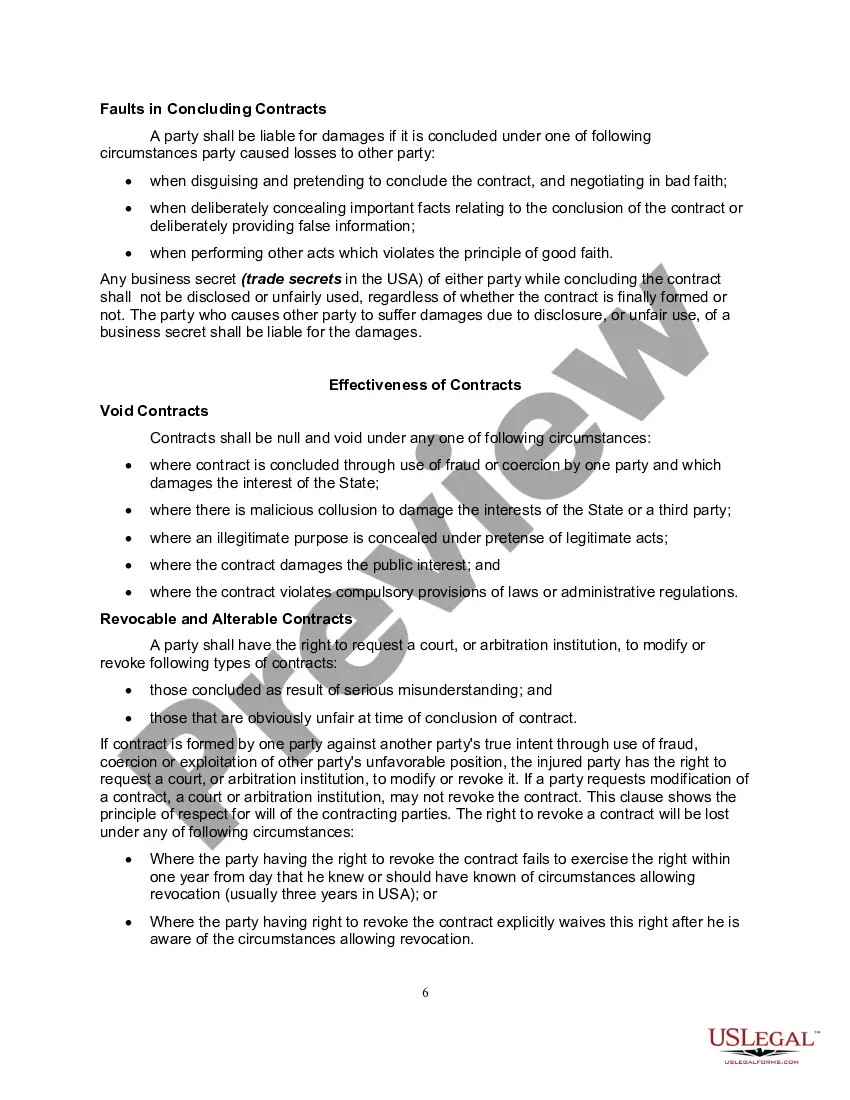
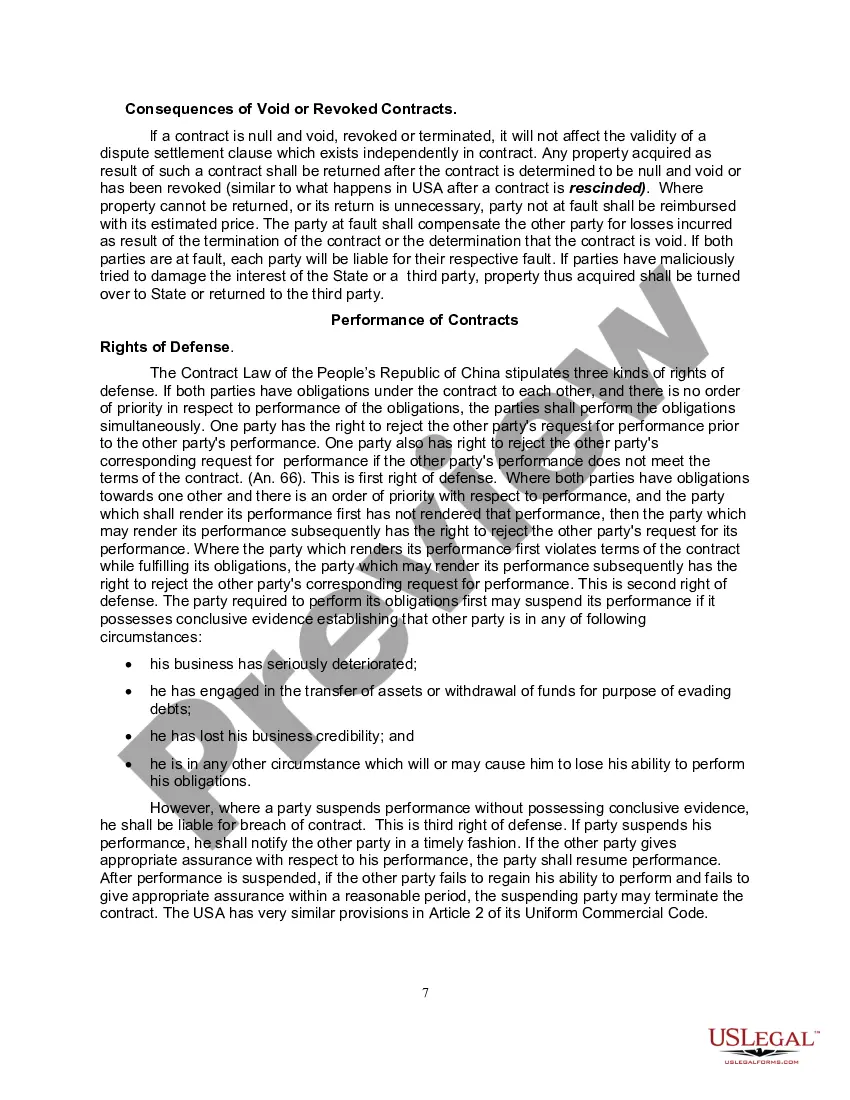
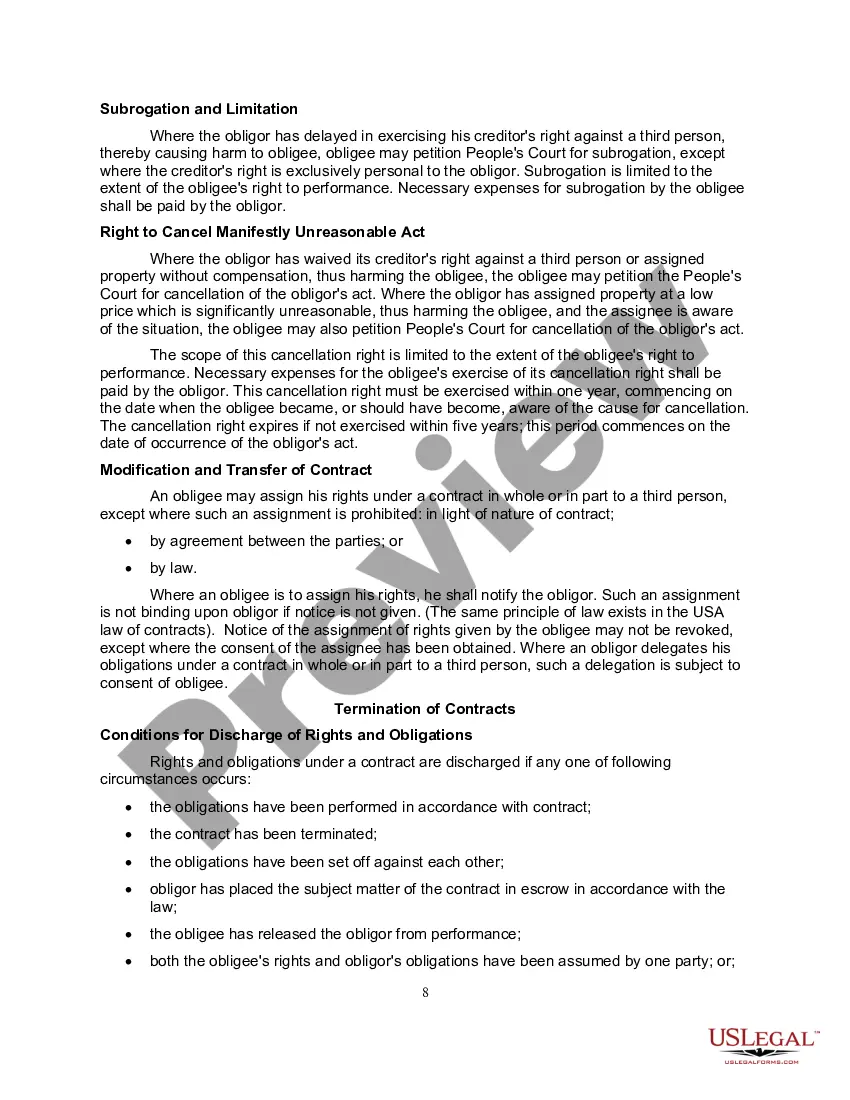
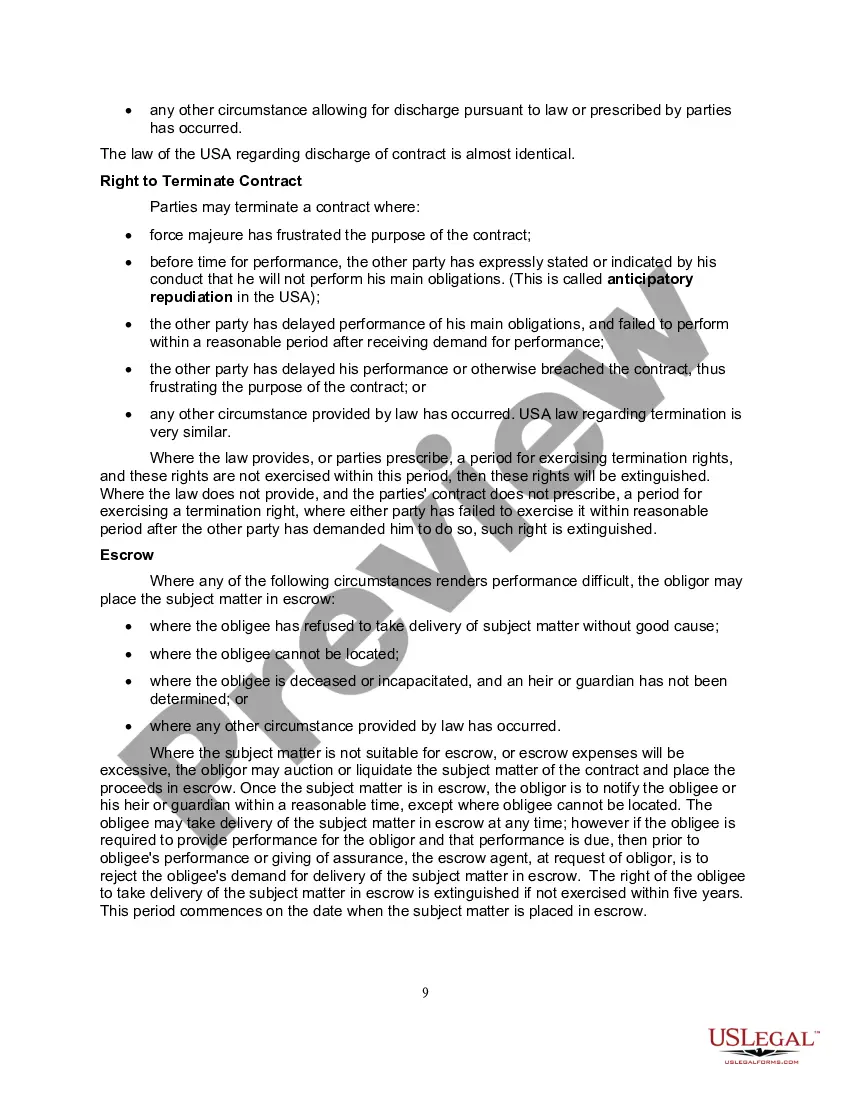
Contract Law With Good Faith In Bronx
Description

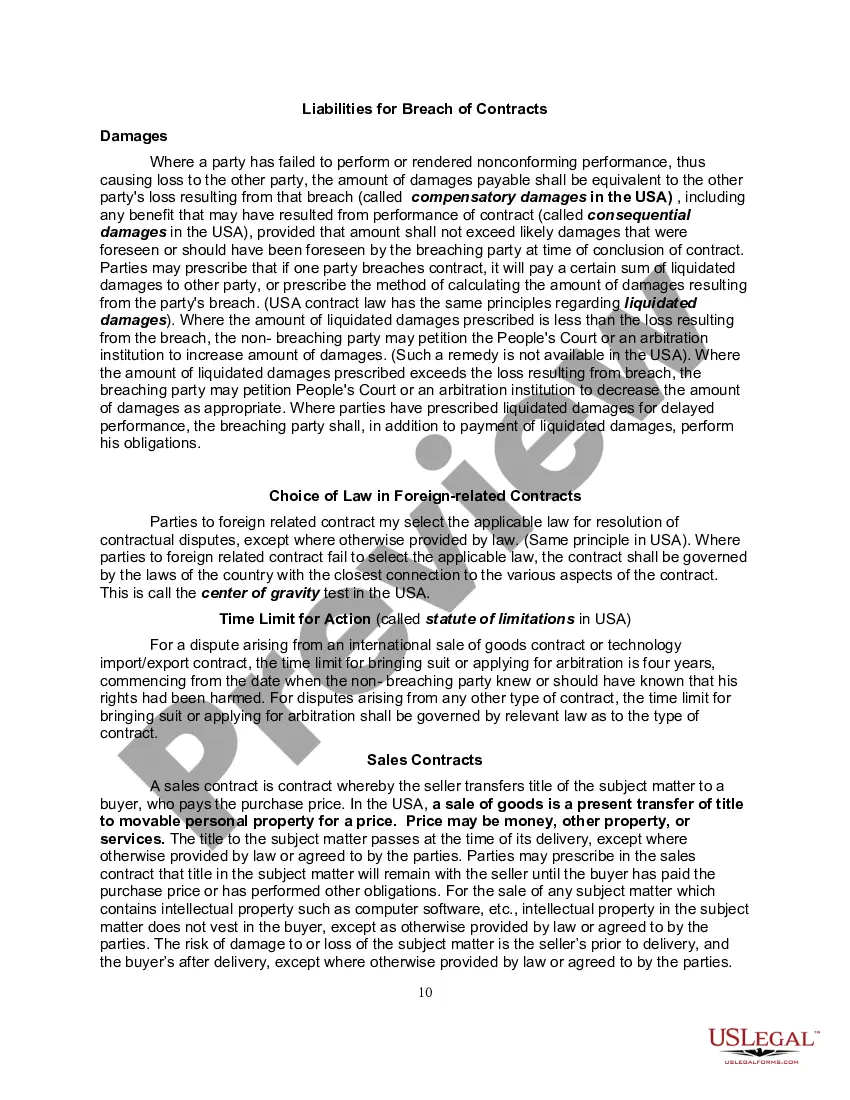


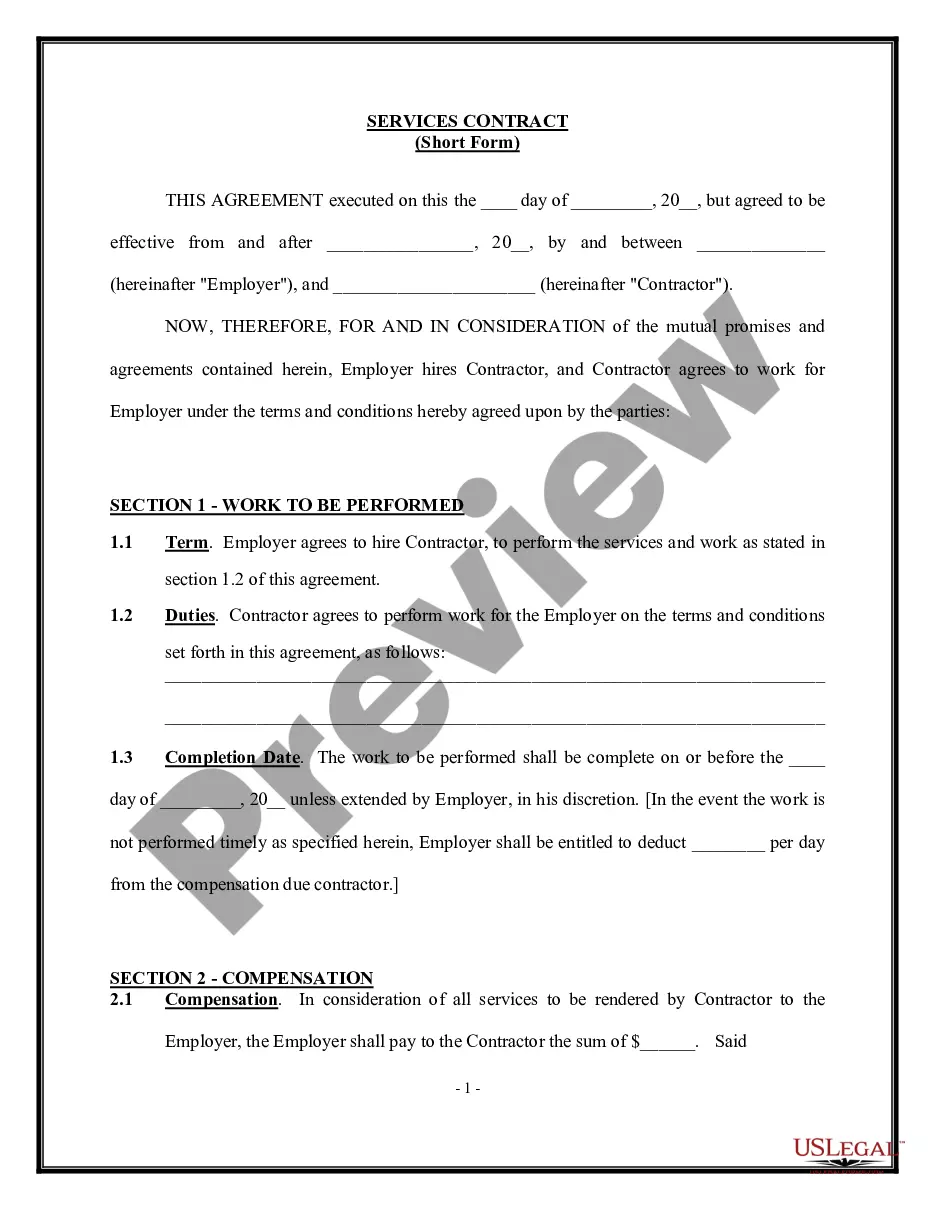
Get your form ready online
Our built-in tools help you complete, sign, share, and store your documents in one place.
Make edits, fill in missing information, and update formatting in US Legal Forms—just like you would in MS Word.
Download a copy, print it, send it by email, or mail it via USPS—whatever works best for your next step.
Sign and collect signatures with our SignNow integration. Send to multiple recipients, set reminders, and more. Go Premium to unlock E-Sign.
If this form requires notarization, complete it online through a secure video call—no need to meet a notary in person or wait for an appointment.
We protect your documents and personal data by following strict security and privacy standards.

Make edits, fill in missing information, and update formatting in US Legal Forms—just like you would in MS Word.

Download a copy, print it, send it by email, or mail it via USPS—whatever works best for your next step.

Sign and collect signatures with our SignNow integration. Send to multiple recipients, set reminders, and more. Go Premium to unlock E-Sign.

If this form requires notarization, complete it online through a secure video call—no need to meet a notary in person or wait for an appointment.

We protect your documents and personal data by following strict security and privacy standards.
Looking for another form?










Form popularity
FAQ
'Both parties entered into the relationship in good faith. He entered the tournament in good faith as a bear. Our proposal, which received unanimous support, is for both parties to re-enter negotiations in good faith - if necessary through an independent conciliation and arbitration service.
Implied covenant of good faith and fair dealing (often simplified to good faith) is a rule used by most courts in the United States that requires every party in a contract to implement the agreement as intended, not using means to undercut the purpose of the transaction.
We believe the Bible to be the inspired, the only infallible, authoritative Word of God. We believe that there is one God, eternally existent in three persons: Father, Son, and the Holy Spirit.
In every contract governed by New York State law, there exists an implicit promise that neither party will do anything to destroy or injure the right of the other party to receive the fruits of the contract—the benefits for which they bargained. This is known as the implied covenant of good faith and fair dealing.
How to Prepare an Excellent Faith Statement for Your Church Is the Bible God-inspired or written by God? Is everything in the Bible true? Are there any errors? What do we believe about Jesus, God, and the Holy Spirit? Do we believe in the Trinity? What are our primary goals?
We often see contractual obligations on parties to act in 'good faith'. For instance: The Company may, acting reasonably and in good faith, set off from any amount due to the Contractor, any amount due or which may become due to the Company under this Contract.
The duty of good faith includes a duty not to act in bad faith – meaning a prohibition on conduct which would be regarded as commercially unacceptable by reasonable and honest people but not necessarily dishonest.
India Code: Section Details. 37. Protection of action taken in good faith. --No suit, prosecution or other legal proceeding shall lie against any person for anything which is in good faith done or intend to be done under this Act.
Implied covenant of good faith and fair dealing (often simplified to good faith) is a rule used by most courts in the United States that requires every party in a contract to implement the agreement as intended, not using means to undercut the purpose of the transaction.
At a bare minimum, it imposes a duty not to lie in the performance of the contract itself and an obligation to exercise any contractual discretion reasonably. In the commercial context, reasonableness and good faith are measured in ance with industry practice and custom.
