Contract Law Forfeiture In Arizona
Description

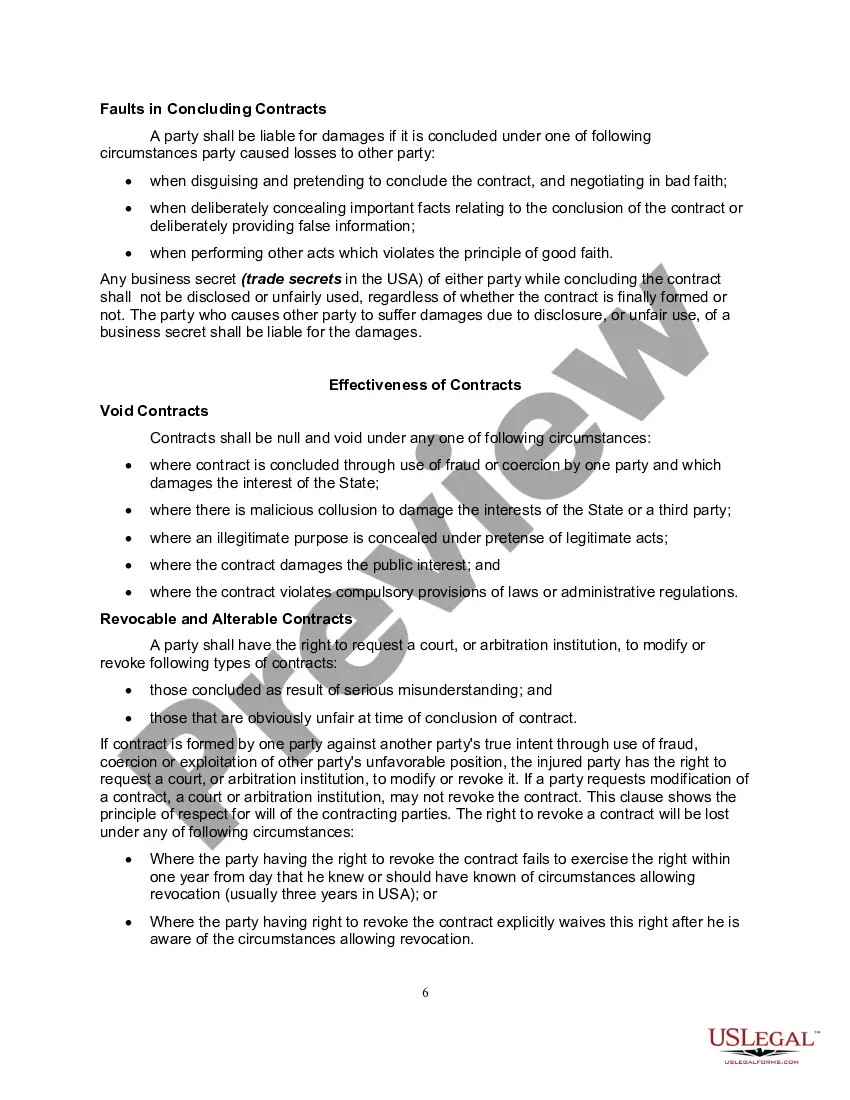
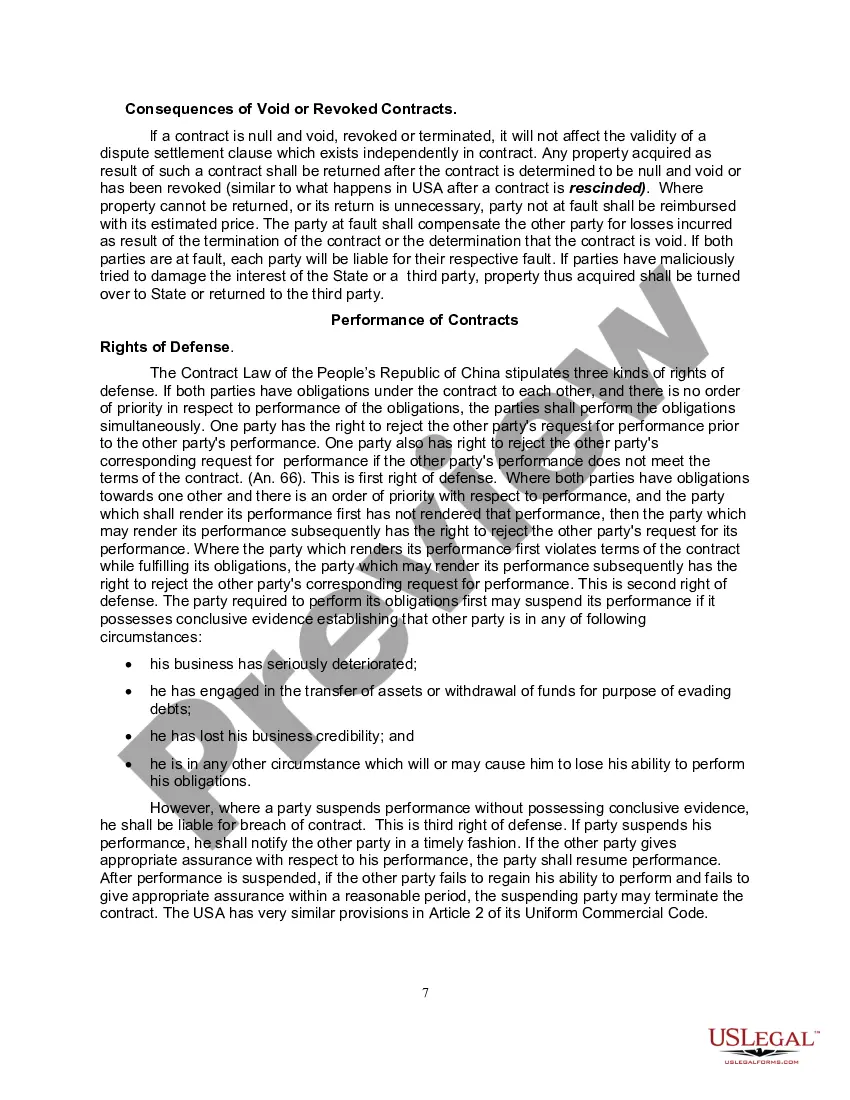
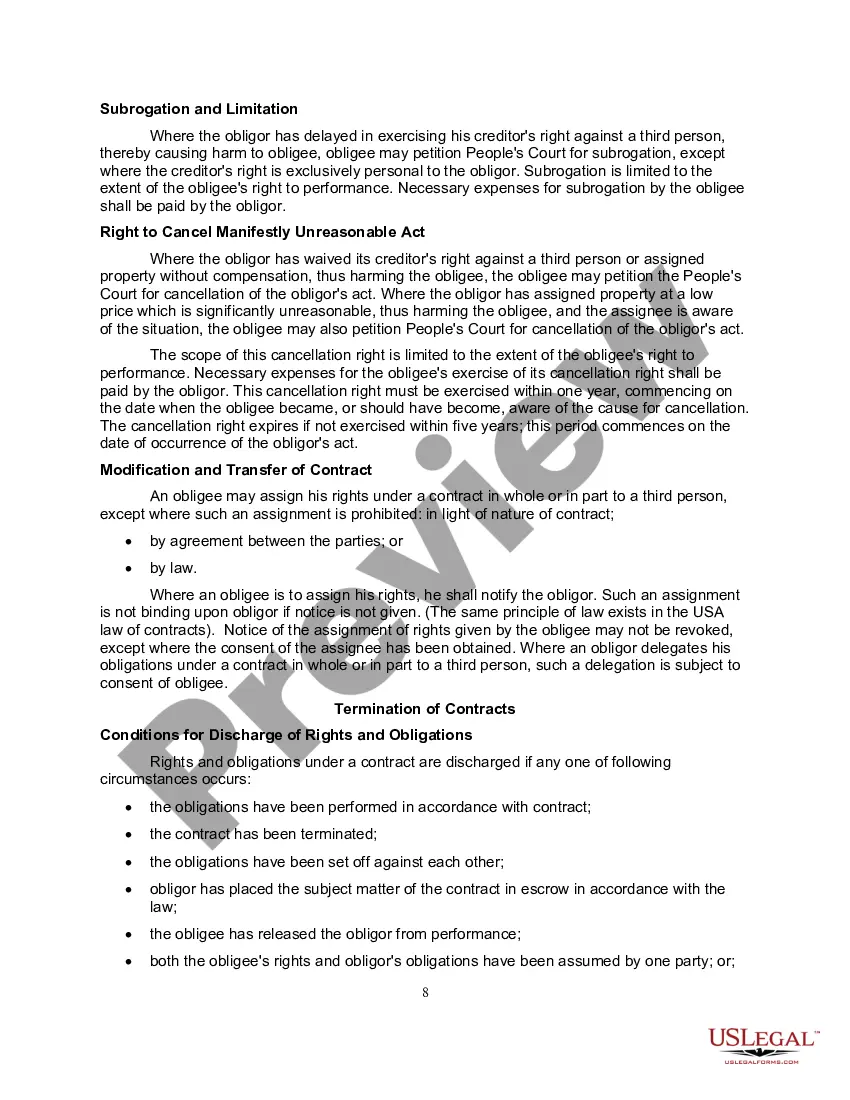
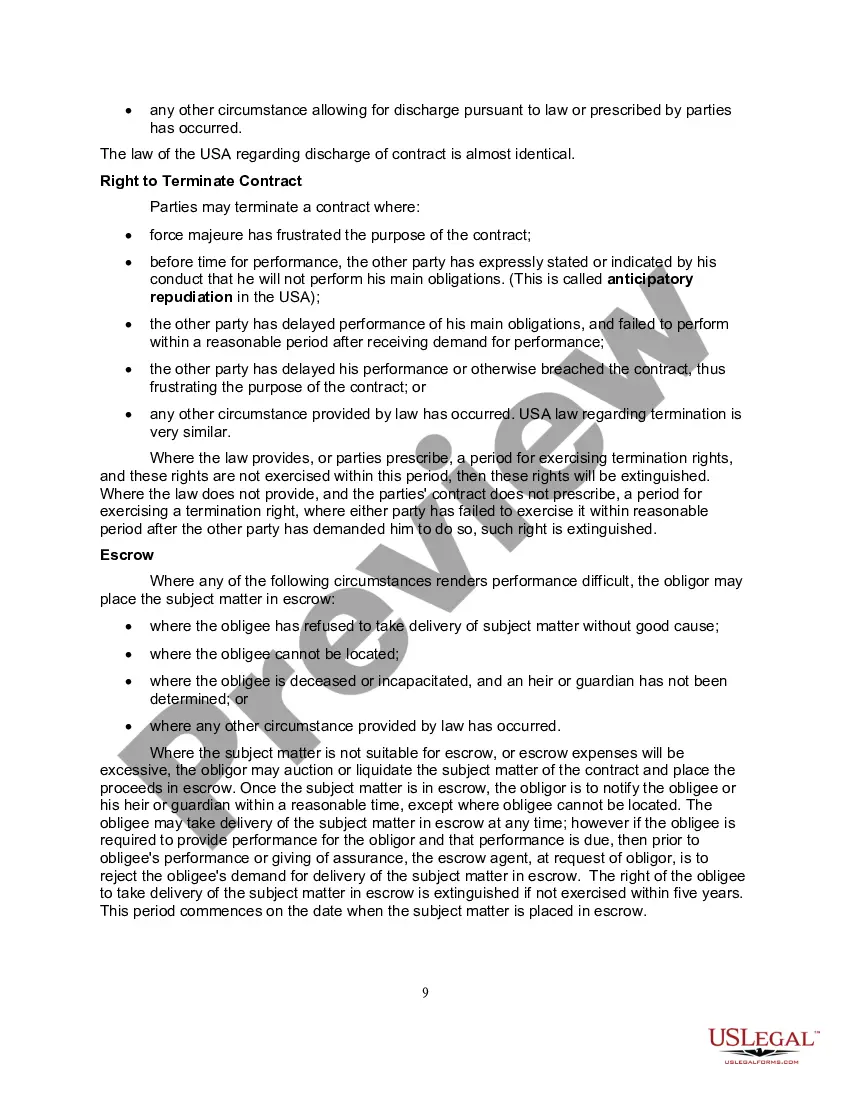



Get your form ready online
Our built-in tools help you complete, sign, share, and store your documents in one place.
Make edits, fill in missing information, and update formatting in US Legal Forms—just like you would in MS Word.
Download a copy, print it, send it by email, or mail it via USPS—whatever works best for your next step.
Sign and collect signatures with our SignNow integration. Send to multiple recipients, set reminders, and more. Go Premium to unlock E-Sign.
If this form requires notarization, complete it online through a secure video call—no need to meet a notary in person or wait for an appointment.
We protect your documents and personal data by following strict security and privacy standards.

Make edits, fill in missing information, and update formatting in US Legal Forms—just like you would in MS Word.

Download a copy, print it, send it by email, or mail it via USPS—whatever works best for your next step.

Sign and collect signatures with our SignNow integration. Send to multiple recipients, set reminders, and more. Go Premium to unlock E-Sign.

If this form requires notarization, complete it online through a secure video call—no need to meet a notary in person or wait for an appointment.

We protect your documents and personal data by following strict security and privacy standards.
Looking for another form?










Form popularity
FAQ
The bringing to an end of a legal right or interest, usually a proprietary interest. Forfeiture generally occurs where one party exercises a legal right that results in a second party forfeiting, or losing, a right or interest.
Tenant waives all rights of redemption or relief from forfeiture under any present or future laws or statutes, in the event Tenant is evicted or Landlord otherwise lawfully takes possession of the Premises by reason of any default by Tenant under this Lease.
Forfeit or forfeiture means losing a right, privilege, or property without compensation as a consequence of violating the law, breaching a legal obligation, failing to perform a contractual obligation or condition, or neglecting a legal duty.
Relief against forfeiture is effectively a court order overturning or blocking a landlord's right to terminate a lease or evict a tenant.
Where a landlord seeks to end a lease by re-entering the property following a breach of covenant by the tenant (and pursuant to a right reserved to the landlord to do so), the tenant can apply to the court for relief, that is, to have the forfeiture set aside.
Arizona Forfeiture Laws Arizona laws regarding forfeiture cases, ARS 13-4301 to ARS 13-4315, list forfeiture as occurring when a law enforcement officer seizes property under the permission of a lawyer or agency of the state. Legal forfeiture is permitted when the property being seized has been used in a criminal act.
In many cases, to have a contract rescinded, a court must determine that there is a legally valid reason to void the contract. Since a contract is a binding agreement, it cannot simply be rescinded because parties have had a change of heart.
You can get out of a binding contract under certain circumstances. There are seven key ways you can get out of contracts: mutual consent, breach of contract, contract rescission, unconscionability, impossibility of performance, contract expiration, and voiding a contract.
