Contract Law In Sri Lanka In Allegheny
Description










Form popularity
FAQ
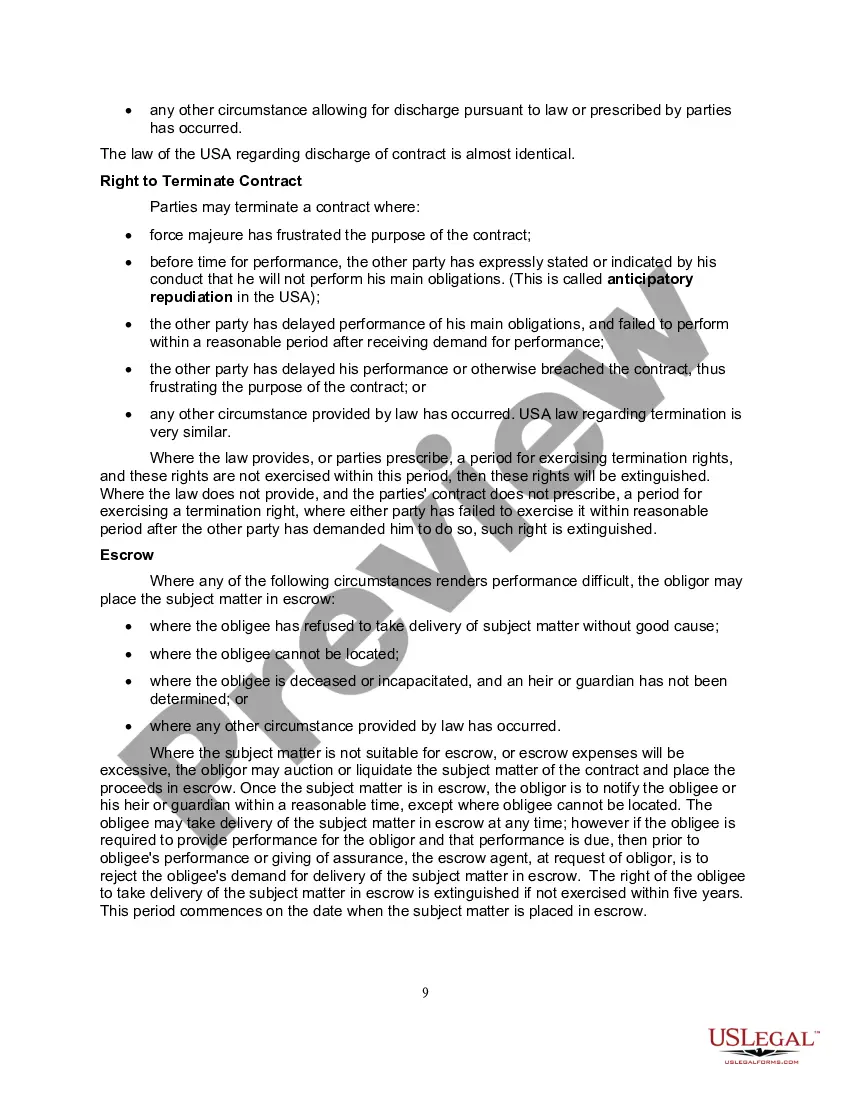
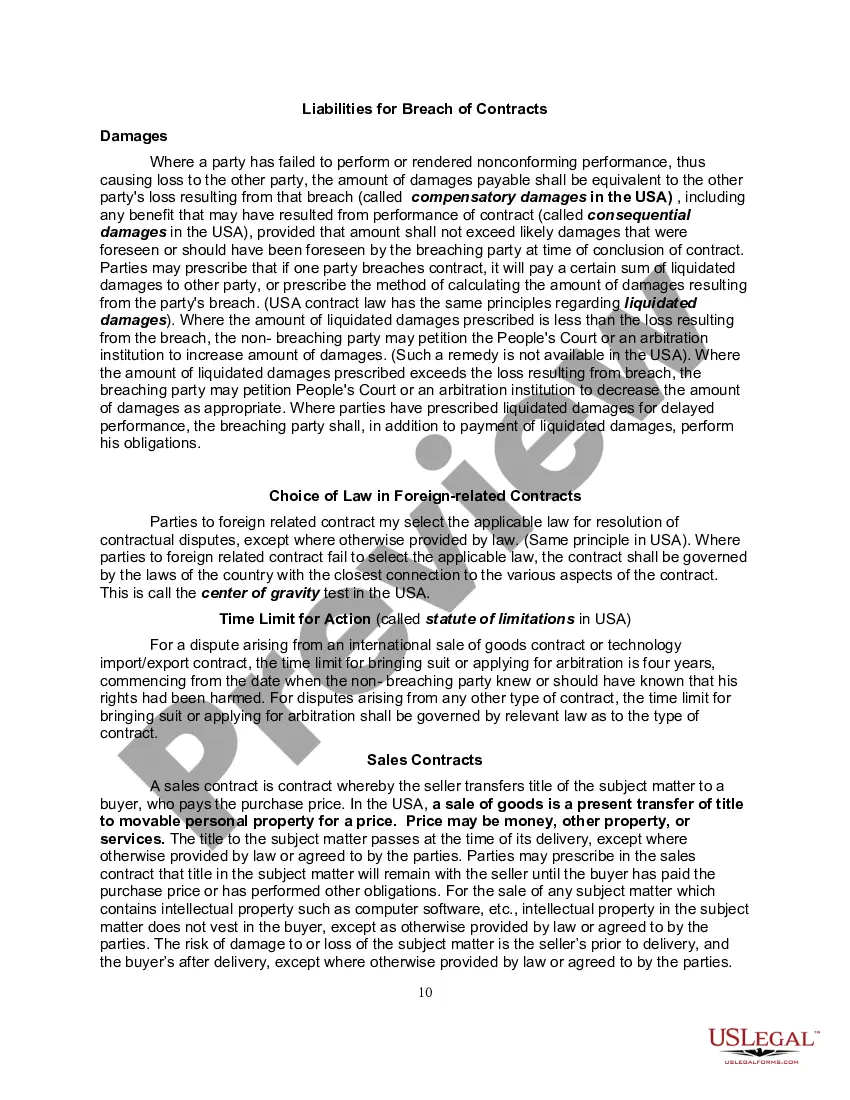
Normally, the remedy that the innocent party has for a breach of contract is to sue for damages. The object for seeking damages is to obtain compensation for the actual loss he has suffered.
- The law requires an intention to create legal relations to be present between the parties to a valid and enforceable contract. - What is required is either an intention which actually exists, or an intention, having regard to all surrounding circumstances, the law will deem to exist in the minds of the parties.
First, to become a contract attorney, one must earn a bachelor's degree and graduate with good grades. It is recommended, but not required, to earn a degree in a legally-related field, such as criminal justice or political science. Before applying for law school, you must take the LSAT and get a good score.
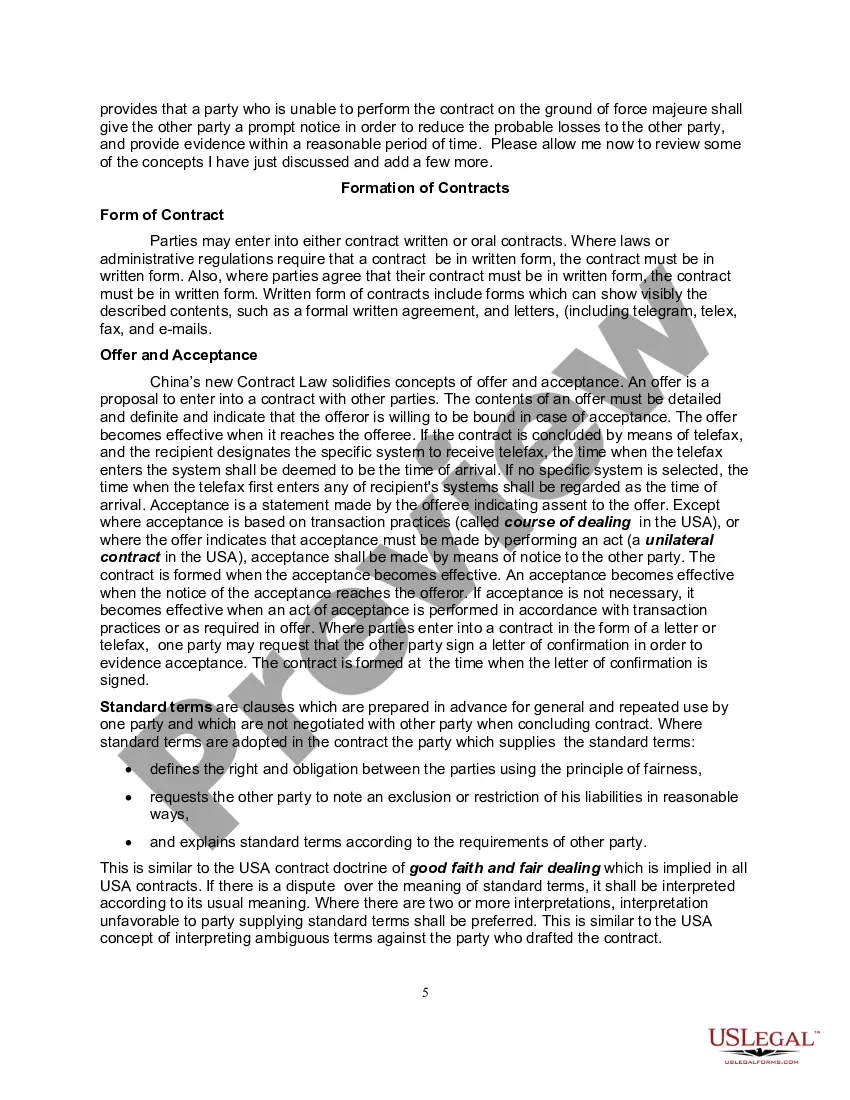
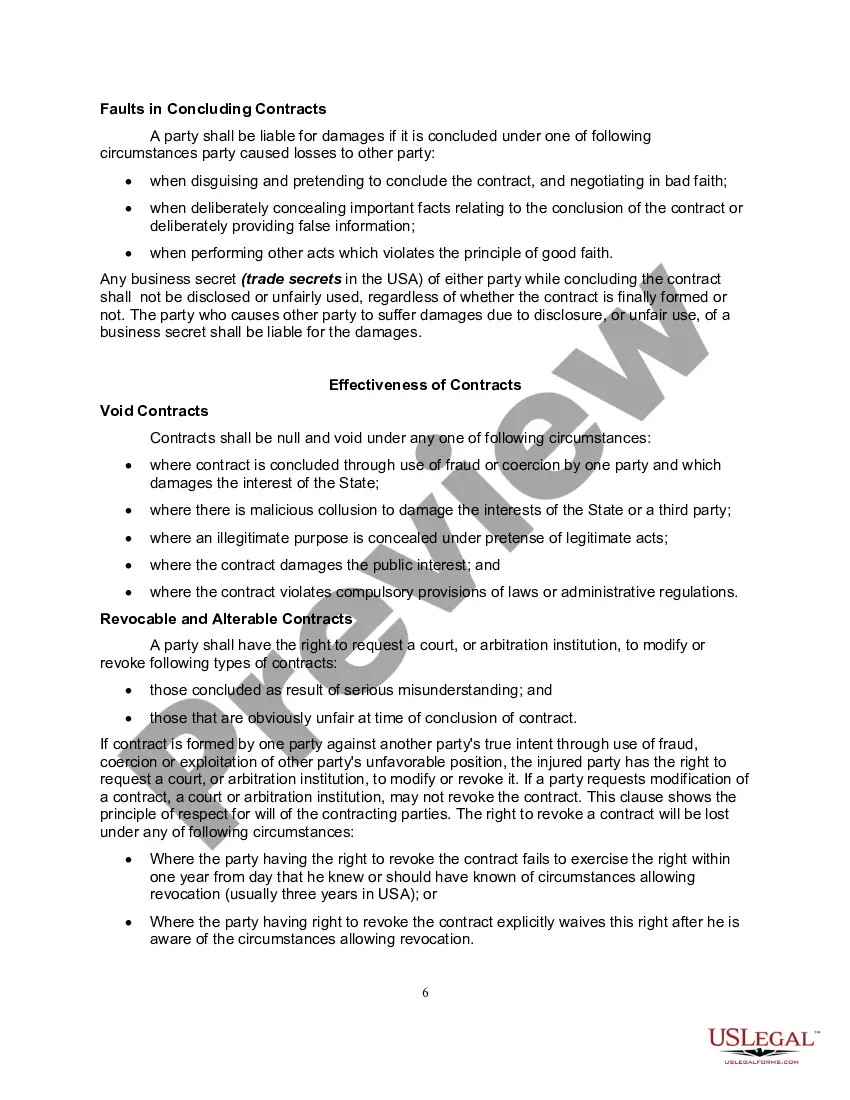
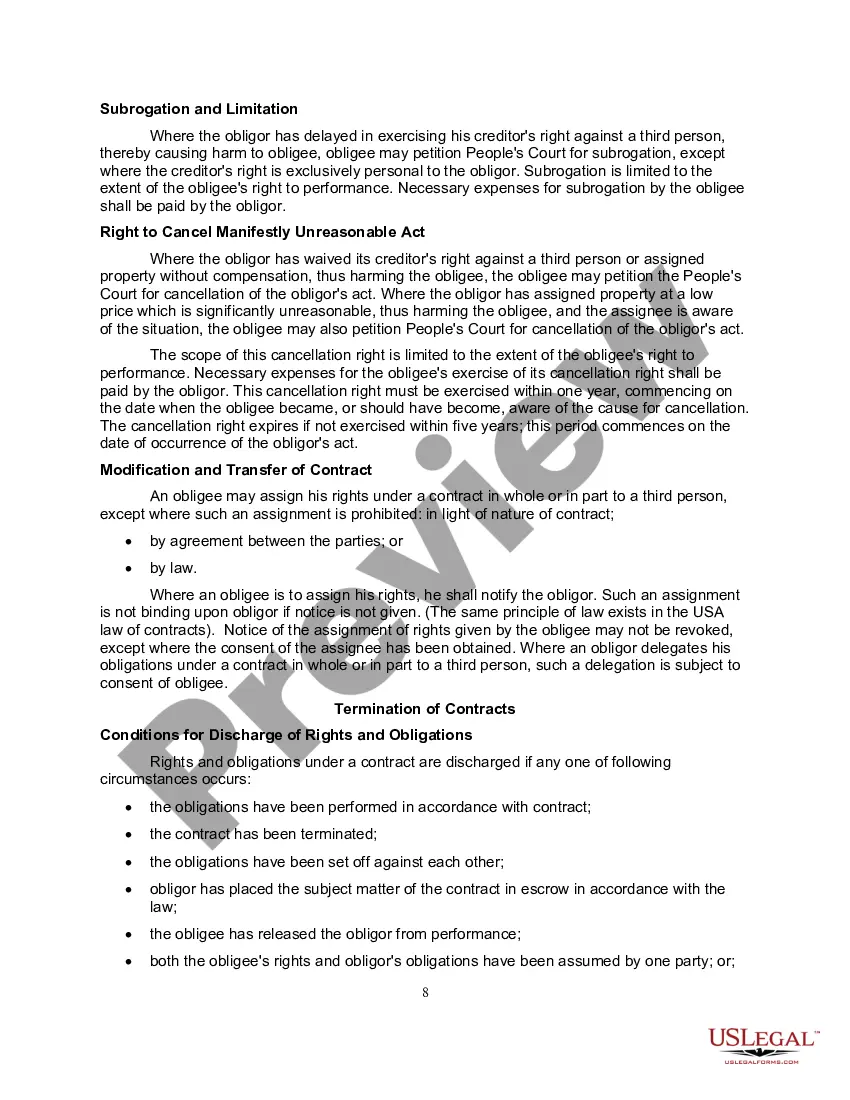
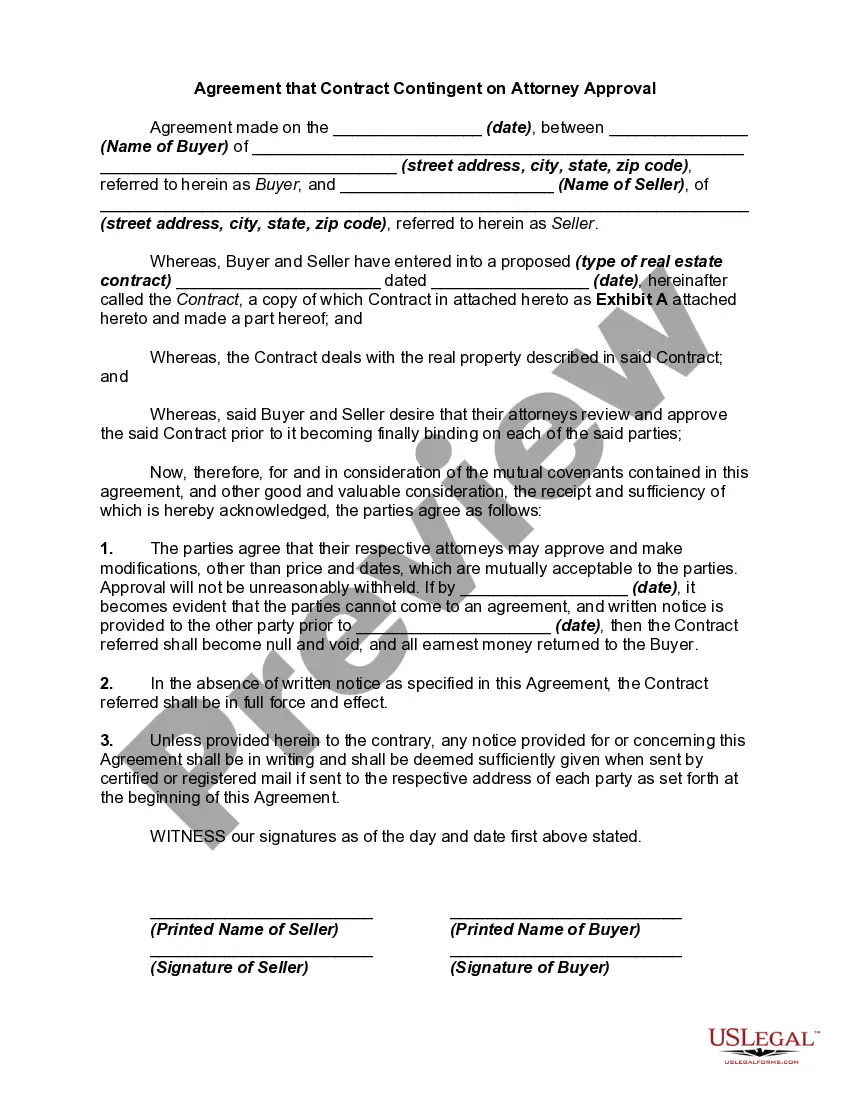
Some of the main formalities imposed be certain statutes in Sri Lanka in making a contract. There should be a valid offer and acceptance. The parties must have an intention to create legally binding relations. The terms of the contract, should be certain.
- The law requires an intention to create legal relations to be present between the parties to a valid and enforceable contract. - What is required is either an intention which actually exists, or an intention, having regard to all surrounding circumstances, the law will deem to exist in the minds of the parties.
In short, the potential remedies for a breach of contract claim can include compensatory damages, specific performance, injunction, rescission, liquidated damages, and nominal damages. If someone breaches a contract with you or your company, you deserve justice.
The general law of contract is the Roman Dutch Law except in Commercial matters. The Commercial Law of Sri Lanka is the English Law or Statutes based on the English Statutes.
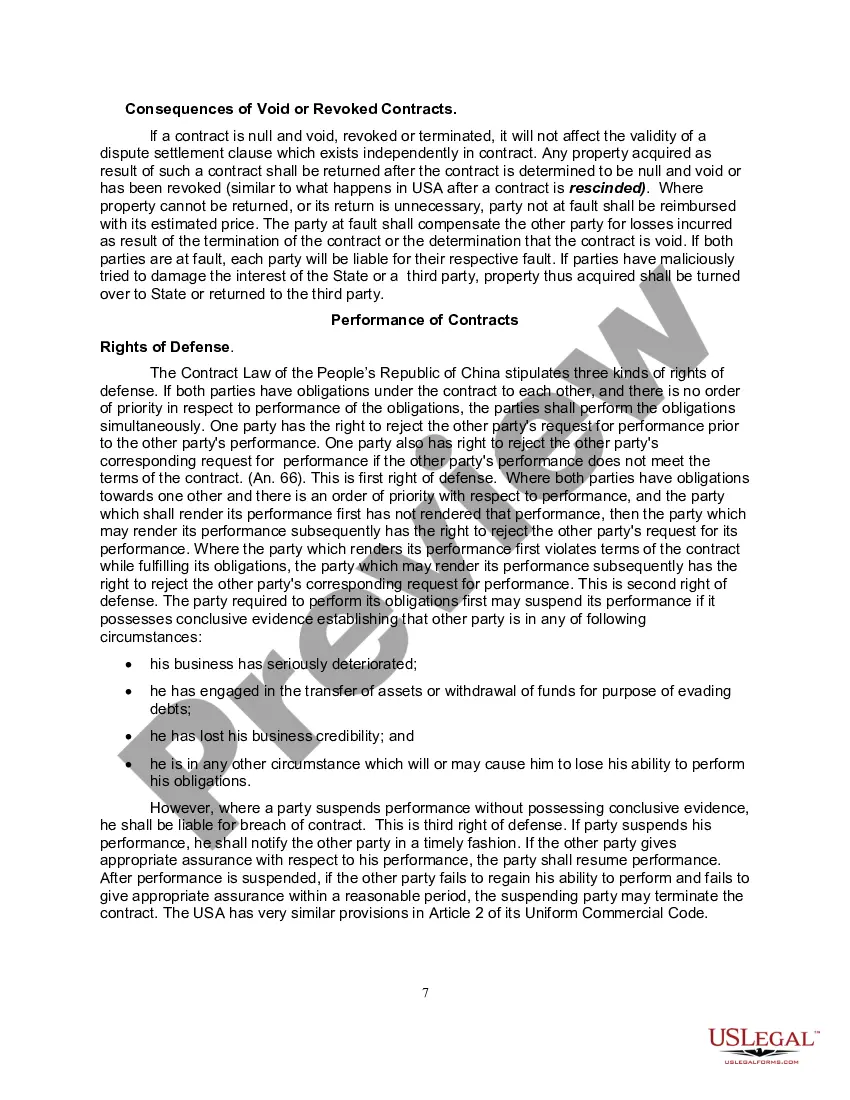
Remedies for breach of contract include damages, specific performance, and restitution. Damages are monetary compensation to make the injured party whole. Specific performance is a court order requiring a breaching party to fulfill their contractual obligations.
You need to sue the person or business who signed or entered into and then breached the contract. Generally, someone cannot sue a third party they do not have a contract with. Only the one who signed or entered into the agreement with you is responsible for the damages to you.