Contract Law In Australia In Alameda
Description




Get your form ready online
Our built-in tools help you complete, sign, share, and store your documents in one place.
Make edits, fill in missing information, and update formatting in US Legal Forms—just like you would in MS Word.
Download a copy, print it, send it by email, or mail it via USPS—whatever works best for your next step.
Sign and collect signatures with our SignNow integration. Send to multiple recipients, set reminders, and more. Go Premium to unlock E-Sign.
If this form requires notarization, complete it online through a secure video call—no need to meet a notary in person or wait for an appointment.
We protect your documents and personal data by following strict security and privacy standards.

Make edits, fill in missing information, and update formatting in US Legal Forms—just like you would in MS Word.

Download a copy, print it, send it by email, or mail it via USPS—whatever works best for your next step.

Sign and collect signatures with our SignNow integration. Send to multiple recipients, set reminders, and more. Go Premium to unlock E-Sign.

If this form requires notarization, complete it online through a secure video call—no need to meet a notary in person or wait for an appointment.

We protect your documents and personal data by following strict security and privacy standards.
Looking for another form?

Form popularity
FAQ
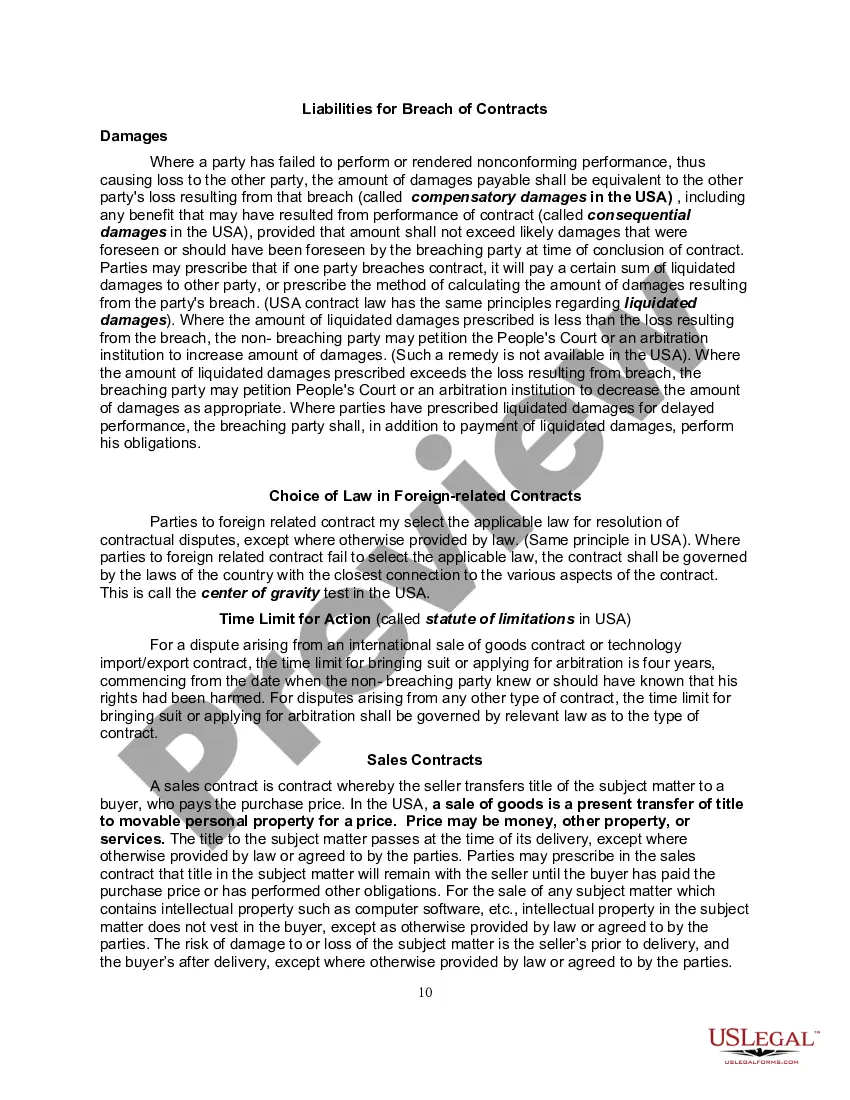
Australian contract law is based on the English common law, rather than on any codified or statute law. The basic principle of Australian contract law is freedom of contract, under which parties are at liberty to strike whatever bargain they choose.
Australian courts have applied the principle of legality to protect a variety of fundamental rights at common law. They include the rights to private property, personal liberty, freedom of expression, freedom of movement, natural justice and access to the courts.
Common-law contracts can be either bilateral or unilateral. Additionally, all common-law contracts must contain valid consideration. This means that there must be a bargained-for exchange of acts or promises, and both parties must incur new legal detriment or obligations as a result of the contract.
Elements of common law contracts That the offer was accepted; That there was consideration given (most commonly a monetary amount); There was an intention to be bound by contract; The parties agree on the same thing – mutuality; The parties were legally capable of reaching an agreement – capacity; and.
The most amicable way to exit a contract is to have a frank and honest conversation with the parties involved. This is an opportunity to share why one cannot proceed with the contract in the first place. As long as both parties can come to a suitable agreement, then the agreement can be changed or terminated.
Australian contract law is based on the English common law, rather than on any codified or statute law. The basic principle of Australian contract law is freedom of contract, under which parties are at liberty to strike whatever bargain they choose.
Contract interpretation However, the Four Corners Doctrine prohibits a party from introducing evidence to interpret an unambiguous term. The doctrine requires a court to discern what the contracting parties intended by using the whole document; no cherry picking.
The common law system is the legal system followed in Australia, inherited from the United Kingdom. Common law is developed by judges on a case by case basis, building on the precedent and interpretation of earlier court decisions.
Write the contract in six steps Start with a contract template. Open with the basic information. Describe in detail what you have agreed to. Include a description of how the contract will be ended. Write into the contract which laws apply and how disputes will be resolved. Include space for signatures.
How to write a contract agreement in 7 steps. Determine the type of contract required. Confirm the necessary parties. Choose someone to draft the contract. Write the contract with the proper formatting. Review the written contract with a lawyer. Send the contract agreement for review or revisions.
