Contract Law Force Majeure In Alameda
Description



Get your form ready online
Our built-in tools help you complete, sign, share, and store your documents in one place.
Make edits, fill in missing information, and update formatting in US Legal Forms—just like you would in MS Word.
Download a copy, print it, send it by email, or mail it via USPS—whatever works best for your next step.
Sign and collect signatures with our SignNow integration. Send to multiple recipients, set reminders, and more. Go Premium to unlock E-Sign.
If this form requires notarization, complete it online through a secure video call—no need to meet a notary in person or wait for an appointment.
We protect your documents and personal data by following strict security and privacy standards.

Make edits, fill in missing information, and update formatting in US Legal Forms—just like you would in MS Word.

Download a copy, print it, send it by email, or mail it via USPS—whatever works best for your next step.

Sign and collect signatures with our SignNow integration. Send to multiple recipients, set reminders, and more. Go Premium to unlock E-Sign.

If this form requires notarization, complete it online through a secure video call—no need to meet a notary in person or wait for an appointment.

We protect your documents and personal data by following strict security and privacy standards.
Looking for another form?









Form popularity
FAQ
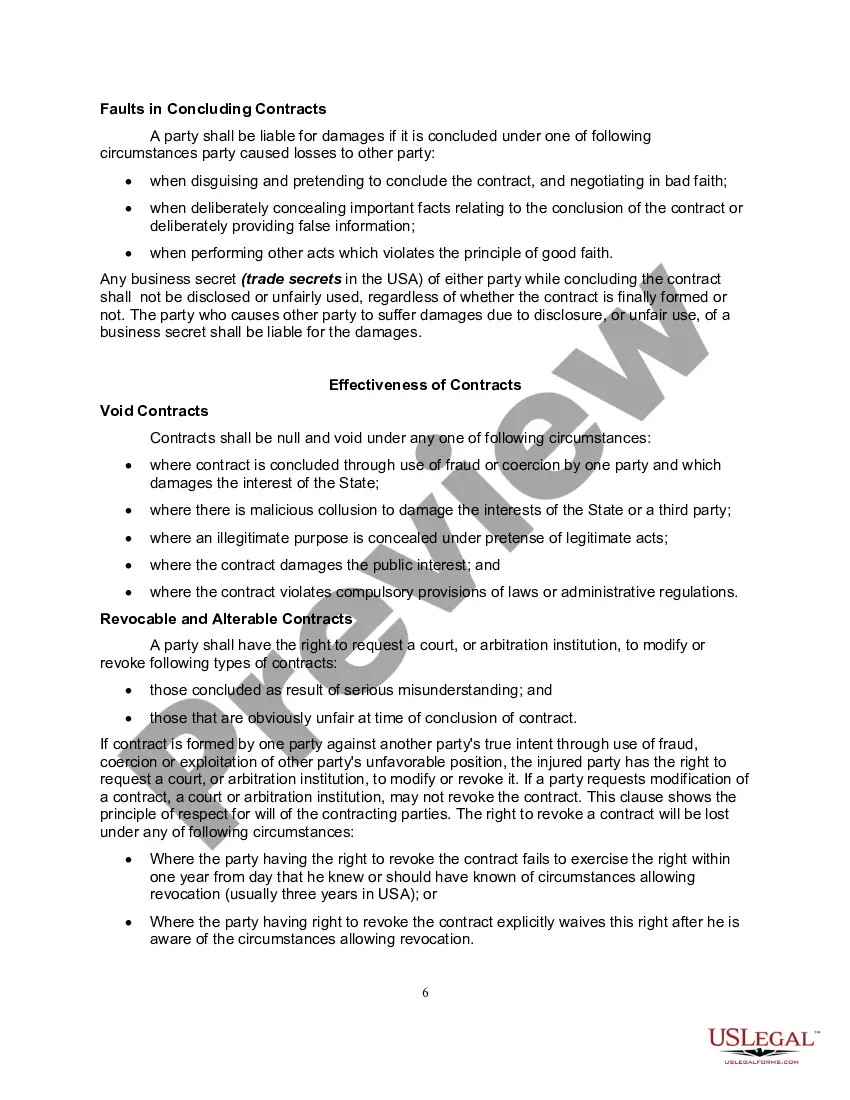
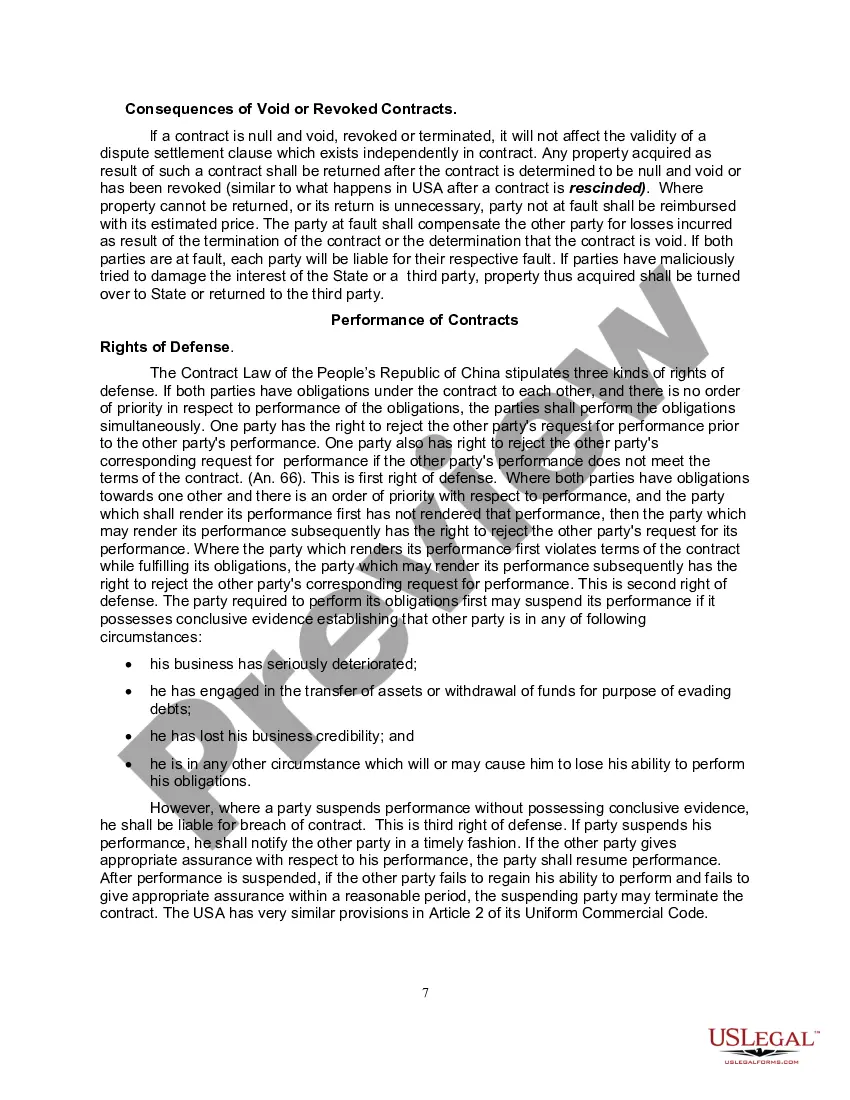
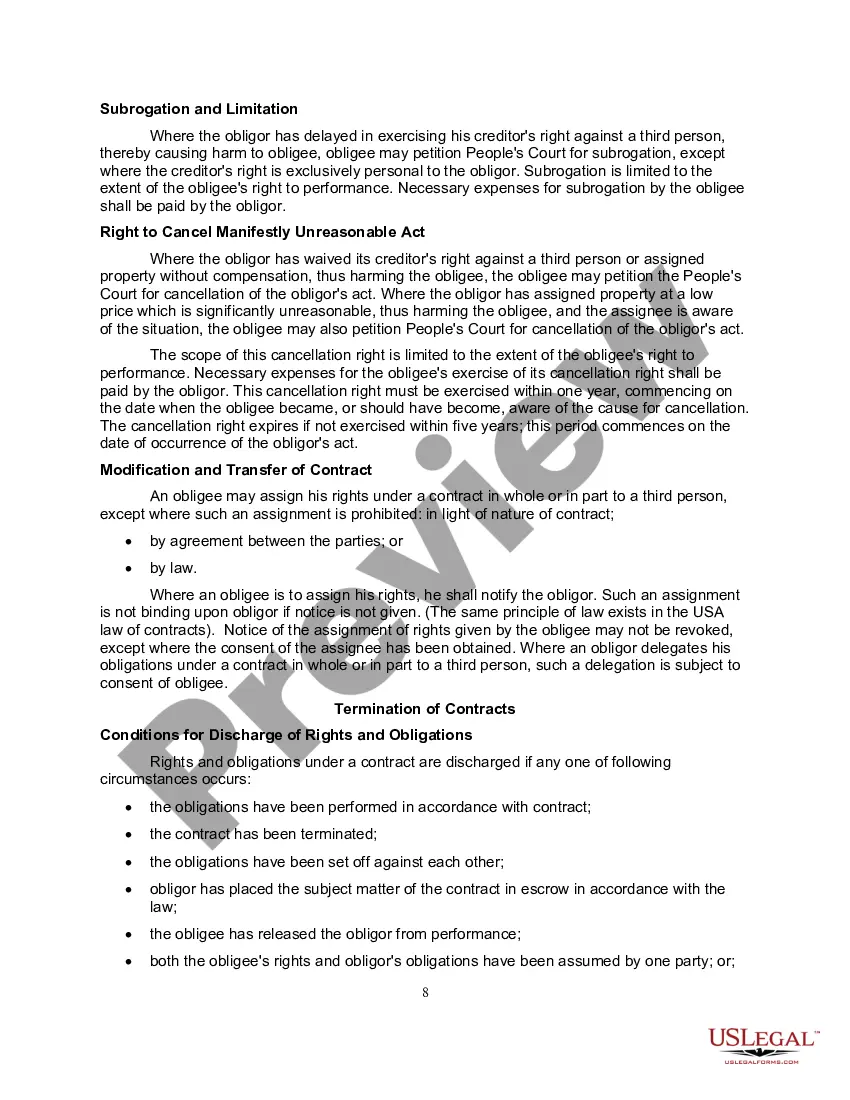
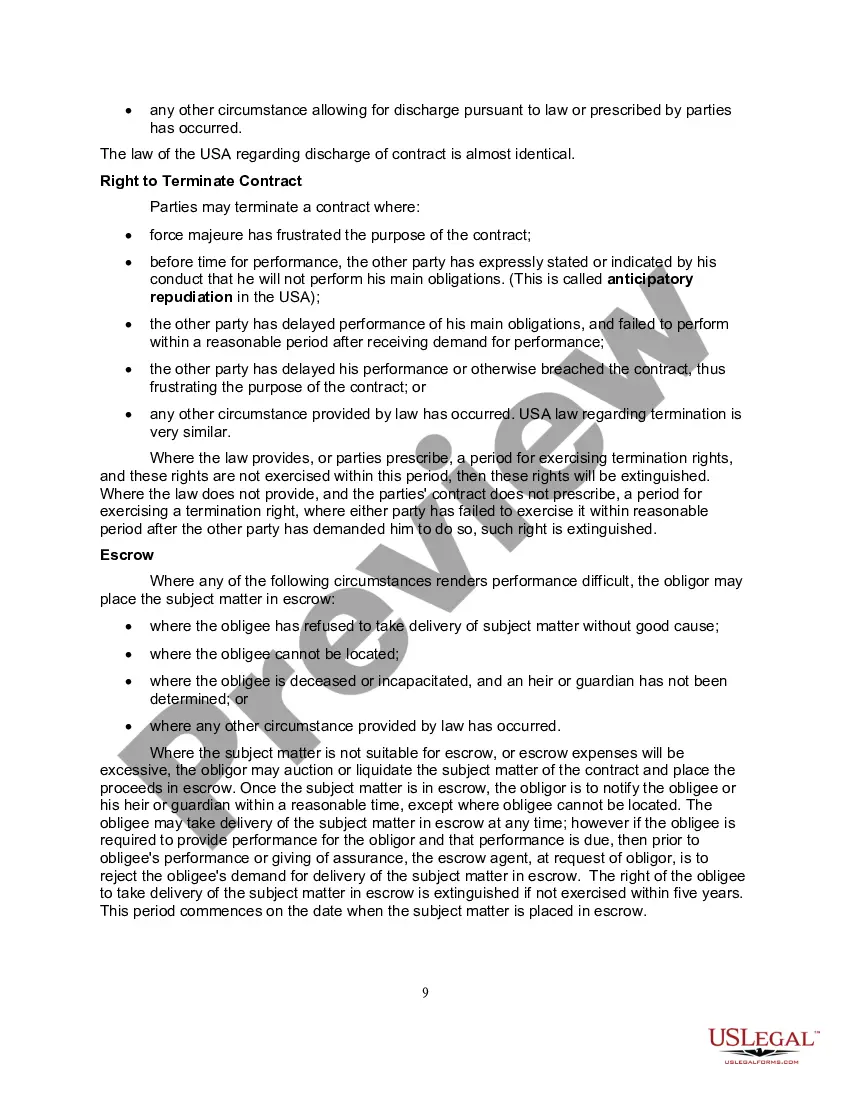
Unforeseen Circumstances mean drastic incidents, which are beyond human control and result in non-performance or delay in obligations outlined in a contract.
The force majeure clause is a contract provision that relieves involved parties from performing their contract obligations if extreme circumstances or “major unforeseen events” outside of their control arise that would make performing these obligations impossible, inadvisable, or dangerous.
In contract law, an unforeseen circumstance denotes events that were not and could not be reasonably anticipated by the parties involved in a contract, including natural disasters, political turmoil, and pandemics. Such occurrences can affect how the contract is executed.
Re: Notice of Force Majeure As you may know, IDENTIFY THE FORCE MAJEURE EVENT. We are writing to notify you that, following our best efforts to remain fully operational during this time, we have no choice but to invoke force majeure, pursuant to section/clause/article ___ of the Contract.
Generally the following will need to apply: A force majeure event has arisen. The party has been prevented (or delayed or hindered depending on the contract wording) from performing as a result of that event. The event was beyond the control of the party.
Either Party shall be excused from performance and shall not be in default in respect of any obligation hereunder to the extent that the failure to perform such obligation is due to a Natural Force Majeure Event.
A force majeure clause protects parties who don't fufill contract obligations due to unforeseen circumstances that render fulfillment impractical or impossible.
Force majeure events: Lastly, indeterminate, unpredictable calamities like pandemics, wars, or natural disasters may also result in a breach of contract. Companies should think about putting words about force majeure in their contracts. In the case of unforeseen events, these clauses may offer relief.
There are generally three essential elements to force majeure: • tt can occur with or without human intervention • it cannot have reasonably been foreseen by the parties • It was completely beyond the parties' control and they could not have prevented its consequences.
Force majeure in any given situation is controlled by the law governing the contract, rather than general concepts of force majeure. Contracts often specify what constitutes force majeure via a clause in the agreement. So, the liability is decided per contract and neither by statute nor principles of general law.
