Contract Law For Mortgage In Alameda
Description

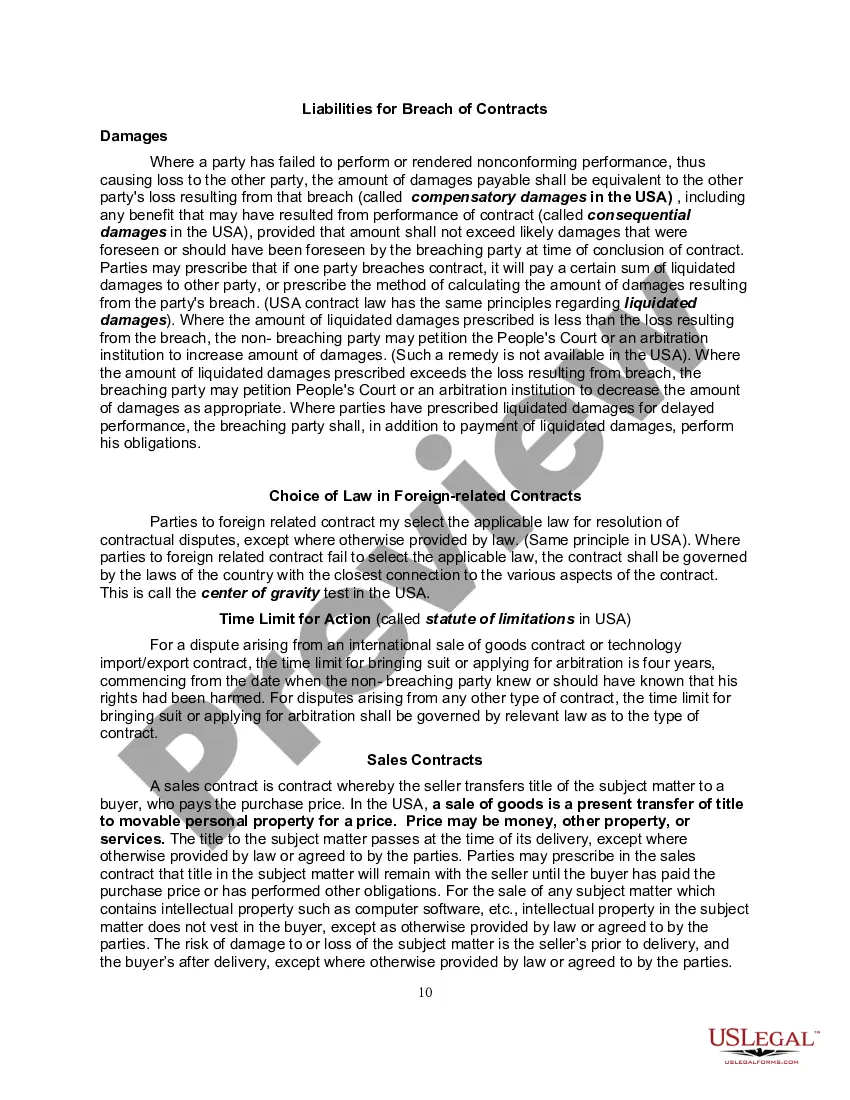


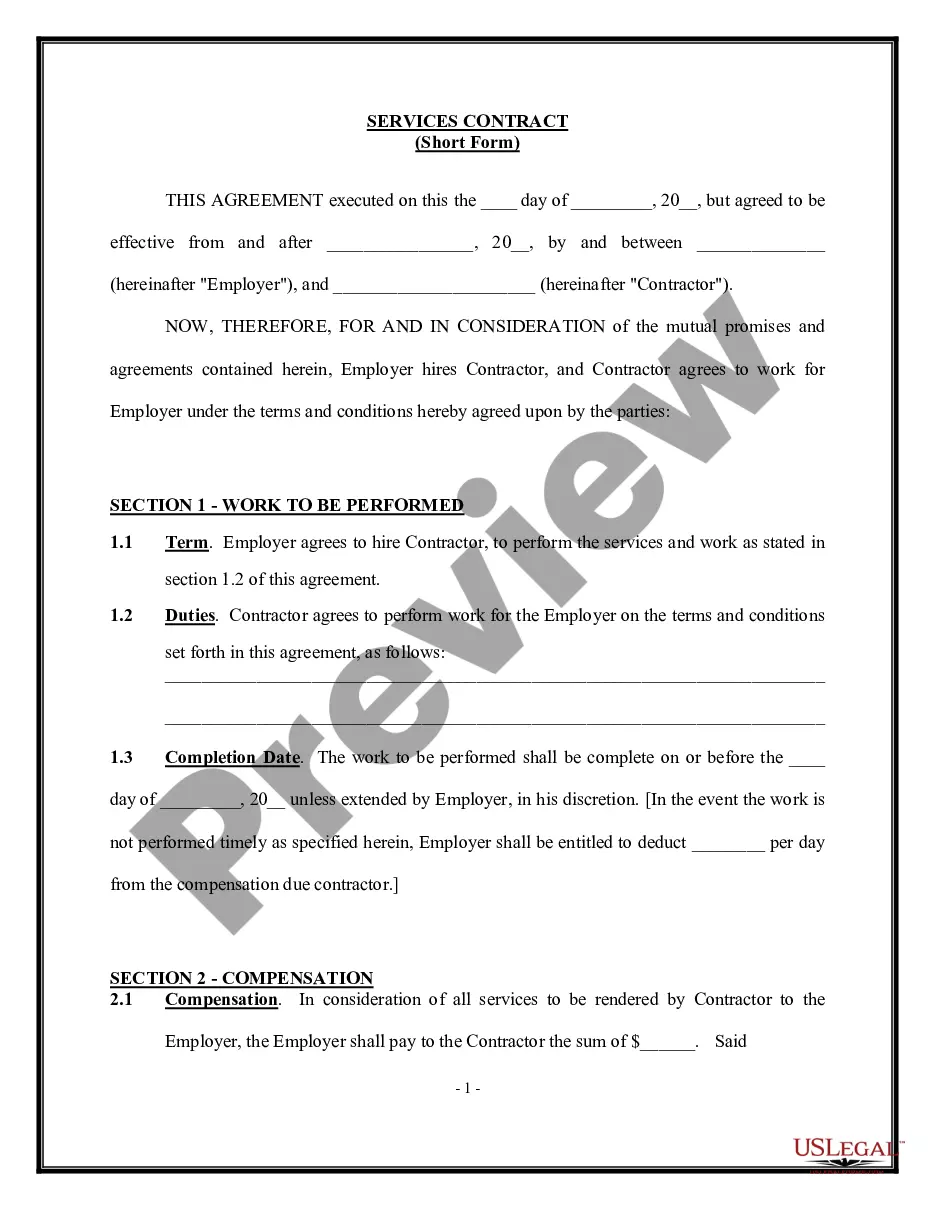
Get your form ready online
Our built-in tools help you complete, sign, share, and store your documents in one place.
Make edits, fill in missing information, and update formatting in US Legal Forms—just like you would in MS Word.
Download a copy, print it, send it by email, or mail it via USPS—whatever works best for your next step.
Sign and collect signatures with our SignNow integration. Send to multiple recipients, set reminders, and more. Go Premium to unlock E-Sign.
If this form requires notarization, complete it online through a secure video call—no need to meet a notary in person or wait for an appointment.
We protect your documents and personal data by following strict security and privacy standards.

Make edits, fill in missing information, and update formatting in US Legal Forms—just like you would in MS Word.

Download a copy, print it, send it by email, or mail it via USPS—whatever works best for your next step.

Sign and collect signatures with our SignNow integration. Send to multiple recipients, set reminders, and more. Go Premium to unlock E-Sign.

If this form requires notarization, complete it online through a secure video call—no need to meet a notary in person or wait for an appointment.

We protect your documents and personal data by following strict security and privacy standards.
Looking for another form?





Form popularity
FAQ
But usually, the penalty is equal to three months' worth of interest, based on either the prime rate or the contract rate.
How To Get Out Of Your Mortgage Legally Talk To Your Lender. Homeowners who find themselves under financial duress are advised to speak with their lender as soon as possible. Sell Your Home. Request A Deed In Lieu Of Foreclosure. Have A Short Sale. Let Your House Go Into Foreclosure. Strategic Default.
Borrowers can sue lenders for a number of reasons, including those listed below. If you have been harmed by a lender's breach of their contract or fiduciary duties, you may have a valid claim.
The way the penalty is calculated, including the interest rate that is used, varies slightly from one financial institution to the next. If you have a closed mortgage with a variable interest rate, the applicable penalty usually amounts to three months' interest.
Methods for Getting Out of a Mortgage Three of the most common methods of walking away from a mortgage are a short sale, a voluntary foreclosure, and an involuntary foreclosure. A short sale occurs when the borrower sells a property for less than the amount due on the mortgage.
Conclusion: Going to small claims court may be worth it for $500, but it will determine how you weigh your costs versus benefits. At a minimum, it is worth it to send a demand letter.
What types of small claims lawsuits can be filed? Landlord/Tenant disputes over the security deposit. Landlord/Tenant disputes over unpaid rent. Roommate disputes. Disputes over loans. Contracts (written and verbal). Auto accidents. Disputes over auto repairs.
Generally, you can only sue for up to $12,500 in small claims court (or up to $6,250 if you're a business). You can ask a lawyer for advice before you go to court, but you can't have one with you in court.
In many cases, filing in small claims court is the fastest and easiest way for people to legally settle their disputes. The person suing is the plaintiff, and the person being sued is the defendant. A person cannot sue for more than $12,500 in most cases. A business or public entity cannot sue for more than $6,250.
Yes, you can write your own contract. However, including all necessary elements is crucial to make it legally binding.
