Legal Contract Format In Washington
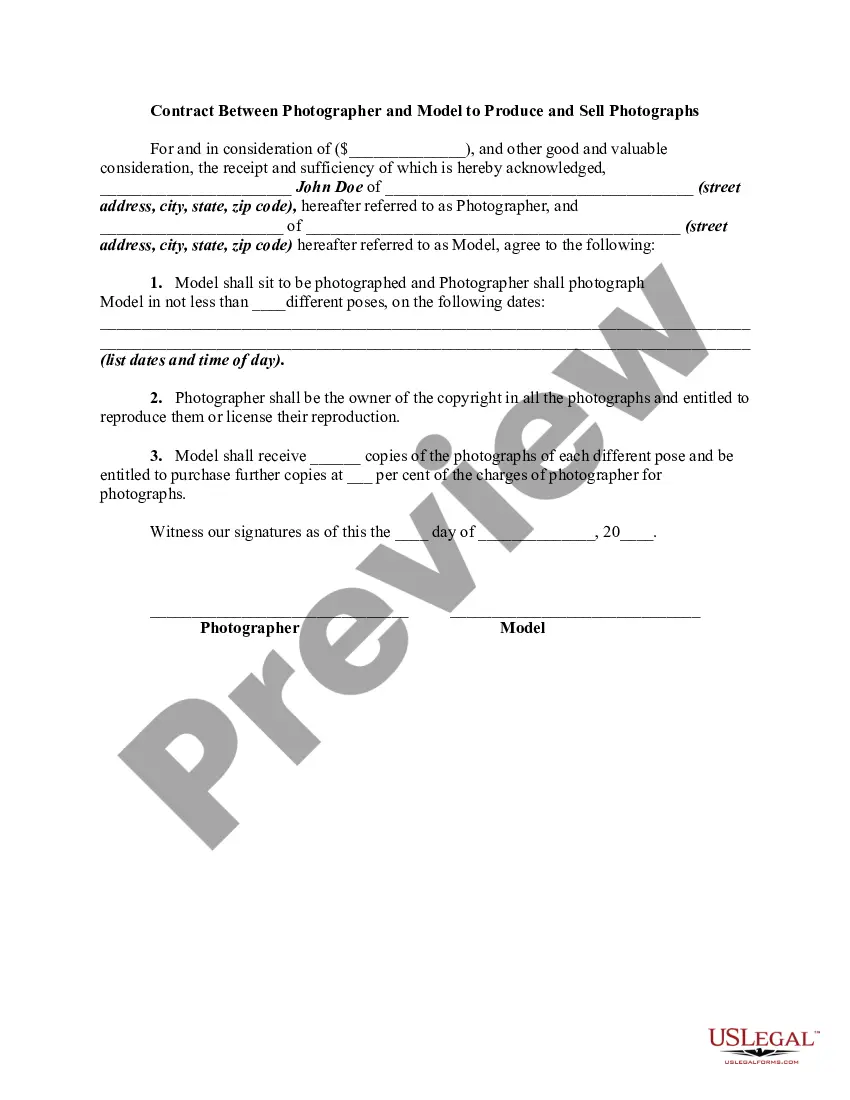
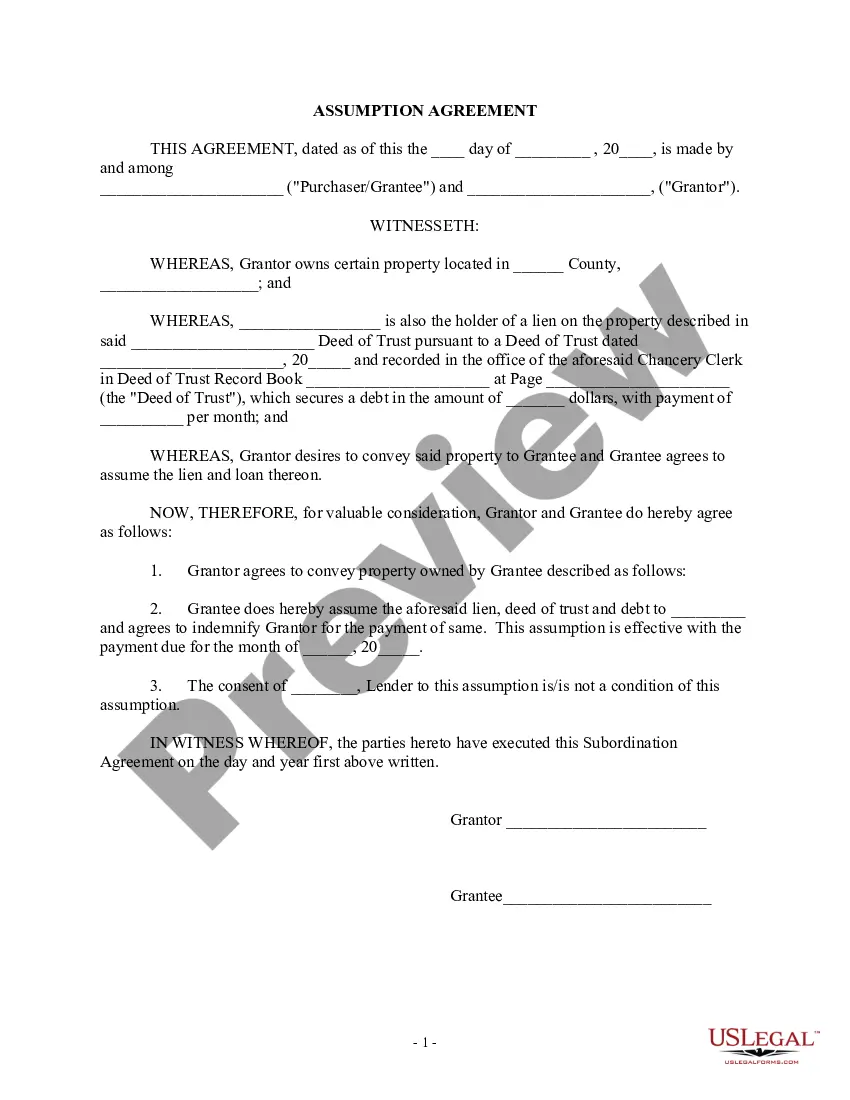
Description












Get your form ready online
Our built-in tools help you complete, sign, share, and store your documents in one place.
Make edits, fill in missing information, and update formatting in US Legal Forms—just like you would in MS Word.
Download a copy, print it, send it by email, or mail it via USPS—whatever works best for your next step.
Sign and collect signatures with our SignNow integration. Send to multiple recipients, set reminders, and more. Go Premium to unlock E-Sign.
If this form requires notarization, complete it online through a secure video call—no need to meet a notary in person or wait for an appointment.
We protect your documents and personal data by following strict security and privacy standards.

Make edits, fill in missing information, and update formatting in US Legal Forms—just like you would in MS Word.

Download a copy, print it, send it by email, or mail it via USPS—whatever works best for your next step.

Sign and collect signatures with our SignNow integration. Send to multiple recipients, set reminders, and more. Go Premium to unlock E-Sign.

If this form requires notarization, complete it online through a secure video call—no need to meet a notary in person or wait for an appointment.

We protect your documents and personal data by following strict security and privacy standards.
Looking for another form?






Form popularity
FAQ
The 4 Essential Parts of a Real Estate Sales Contract Offer and Acceptance. Having a clear offer and acceptance of that offer is a required element in all contracts, regardless of whether they deal with real estate. Vital Information Specific to the Transaction. Disclosure Requirements. Ownership Rights.
There are four essential elements of forming a contract: offer, acceptance, consideration, and intention to create legal relations. Beyond this, the terms of the contract must also be unambiguous, and the parties must have the mental capacity to agree.
You'll want to start with a standard page size (8.5 x 11 inches) with 1-inch margins. Keep the font simple, such as Times New Roman, and avoid the use of color. Remember to break up text with headers and paragraphs for readability.
Write the contract in six steps Start with a contract template. Open with the basic information. Describe in detail what you have agreed to. Include a description of how the contract will be ended. Write into the contract which laws apply and how disputes will be resolved. Include space for signatures.
The basic elements required for the agreement to be a legally enforceable contract are: mutual assent, expressed by a valid offer and acceptance; adequate consideration; capacity; and legality. In some states, elements of consideration can be satisfied by a valid substitute.
Offer: A clear proposal to make a deal. Acceptance: A definite agreement to the terms of the offer. Consideration: Something of value exchanged between the parties. Intention to Create Legal Relations: A mutual intention to form a legally binding agreement.
In Washington, the basic maxim is “An agreement is enforceable if its terms are reasonably certain.” The terms of a contract are “reasonably certain” if they provide the ability for determining a breach/default and for giving an appropriate remedy in case of breach/default.
Times New Roman or similar, 12 pt font. Double spaced lines. One inch margins all around. Footnotes in academic Bluebook style (use the rules on the main white pages instead of the light blue pages at the front of the Bluebook).
Important points to include in a legal document. Party details. List the names, numbers, addresses (email or physical), and any other relevant information of all parties involved. Background information. Motion. Roles and responsibilities. Breaches or contingencies. Dates and signatures.
You'll want to start with a standard page size (8.5 x 11 inches) with 1-inch margins. Keep the font simple, such as Times New Roman, and avoid the use of color. Remember to break up text with headers and paragraphs for readability.
