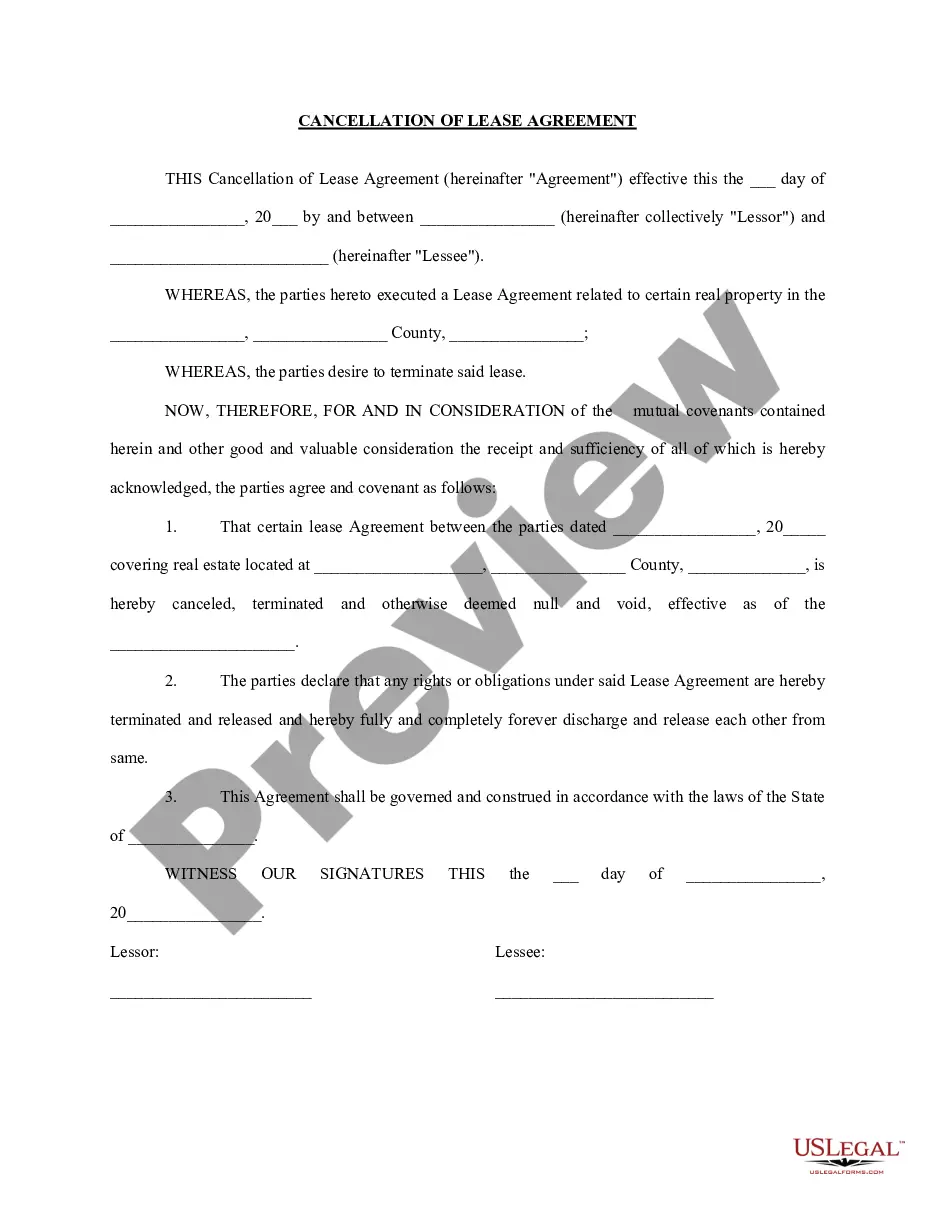
Laws For Construction Industry In Wake
Description












Get your form ready online
Our built-in tools help you complete, sign, share, and store your documents in one place.
Make edits, fill in missing information, and update formatting in US Legal Forms—just like you would in MS Word.
Download a copy, print it, send it by email, or mail it via USPS—whatever works best for your next step.
Sign and collect signatures with our SignNow integration. Send to multiple recipients, set reminders, and more. Go Premium to unlock E-Sign.
If this form requires notarization, complete it online through a secure video call—no need to meet a notary in person or wait for an appointment.
We protect your documents and personal data by following strict security and privacy standards.

Make edits, fill in missing information, and update formatting in US Legal Forms—just like you would in MS Word.

Download a copy, print it, send it by email, or mail it via USPS—whatever works best for your next step.

Sign and collect signatures with our SignNow integration. Send to multiple recipients, set reminders, and more. Go Premium to unlock E-Sign.

If this form requires notarization, complete it online through a secure video call—no need to meet a notary in person or wait for an appointment.

We protect your documents and personal data by following strict security and privacy standards.
Looking for another form?








Form popularity
FAQ
Labor Law 240 protects workers who have been severely injured and would otherwise not be able to obtain compensation to cover the damages and expenses related to their accident.
Labor Law 240 protects workers who have been severely injured and would otherwise not be able to obtain compensation to cover the damages and expenses related to their accident.
New York Labor Laws 240 and 241 Provide training on how to properly use safety equipment (e.g., scaffolding, ladders, harnesses, and other equipment designed to prevent workplace injuries). Inspect safety equipment regularly to ensure it is functioning properly and appropriate for the job.
Be sure to review OSHA's construction standards (29 CFR 1926) for requirements that may apply to your workplace.
The Department of Labor helps collect wages owed to workers who have not received the minimum wage, once they file a claim with us. Labor Standards investigates and endeavors to collect on claims for: Unpaid wages. Withheld wages. Illegal deductions.
Labor Law § 240 makes property owners and general contractors vicariously responsible for injuries to workers on their projects for any failures to provide proper fall protection onsite, even if without fault themselves.
Most sites begin work at 7 AM, however for certain projects workers may need to arrive earlier. PM is a typical finish. Upper management will often call to check in on orders and shipments first thing in the morning while lower-level employees prepare themselves to begin work.
What Time Does a Construction Worker Need to Wake Up? Typically, I wake up between 5 AM and 6 AM (depending on what time work begins), shower, prepare breakfast, and take care of any household chores.
The following work activities are included in the construction industry: painting, sandblasting, tuckpointing, roofing, guttering, spouting, water well drilling, installation of flooring and landscaping.
Labor Law Coverage falls under a contractor's General Liability Coverage. This coverage helps protect and defend employers if an accident occurs. Lower risk industries will usually have labor law coverage included in its general liability policy but higher risk industries like roofers, will not.