Construction Law And Contract In Wake
Description












Get your form ready online
Our built-in tools help you complete, sign, share, and store your documents in one place.
Make edits, fill in missing information, and update formatting in US Legal Forms—just like you would in MS Word.
Download a copy, print it, send it by email, or mail it via USPS—whatever works best for your next step.
Sign and collect signatures with our SignNow integration. Send to multiple recipients, set reminders, and more. Go Premium to unlock E-Sign.
If this form requires notarization, complete it online through a secure video call—no need to meet a notary in person or wait for an appointment.
We protect your documents and personal data by following strict security and privacy standards.

Make edits, fill in missing information, and update formatting in US Legal Forms—just like you would in MS Word.

Download a copy, print it, send it by email, or mail it via USPS—whatever works best for your next step.

Sign and collect signatures with our SignNow integration. Send to multiple recipients, set reminders, and more. Go Premium to unlock E-Sign.

If this form requires notarization, complete it online through a secure video call—no need to meet a notary in person or wait for an appointment.

We protect your documents and personal data by following strict security and privacy standards.
Looking for another form?



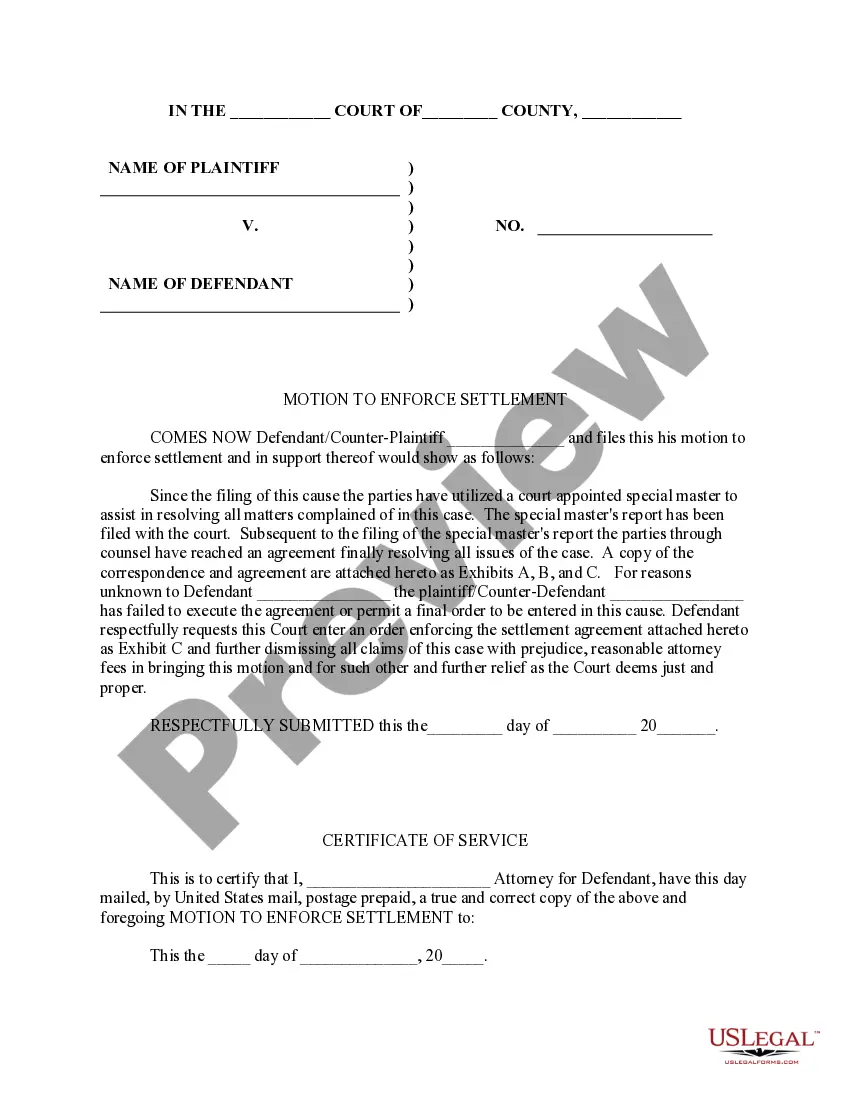



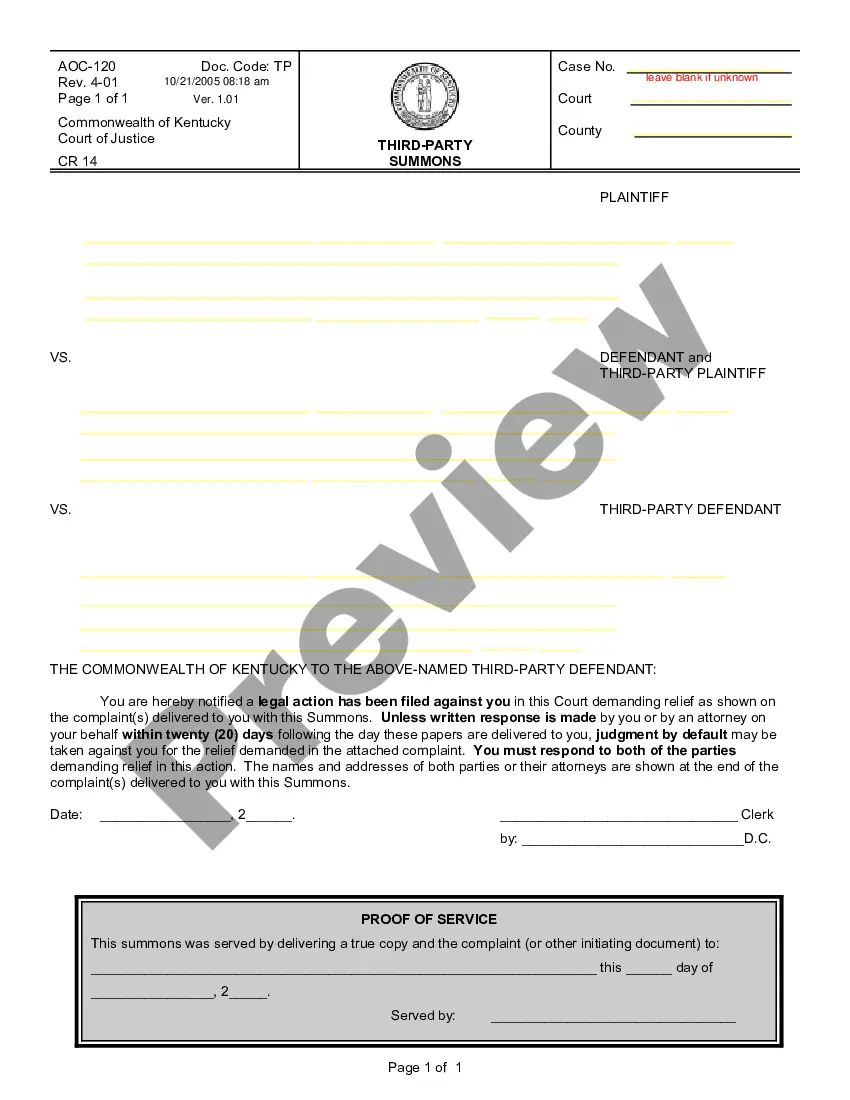

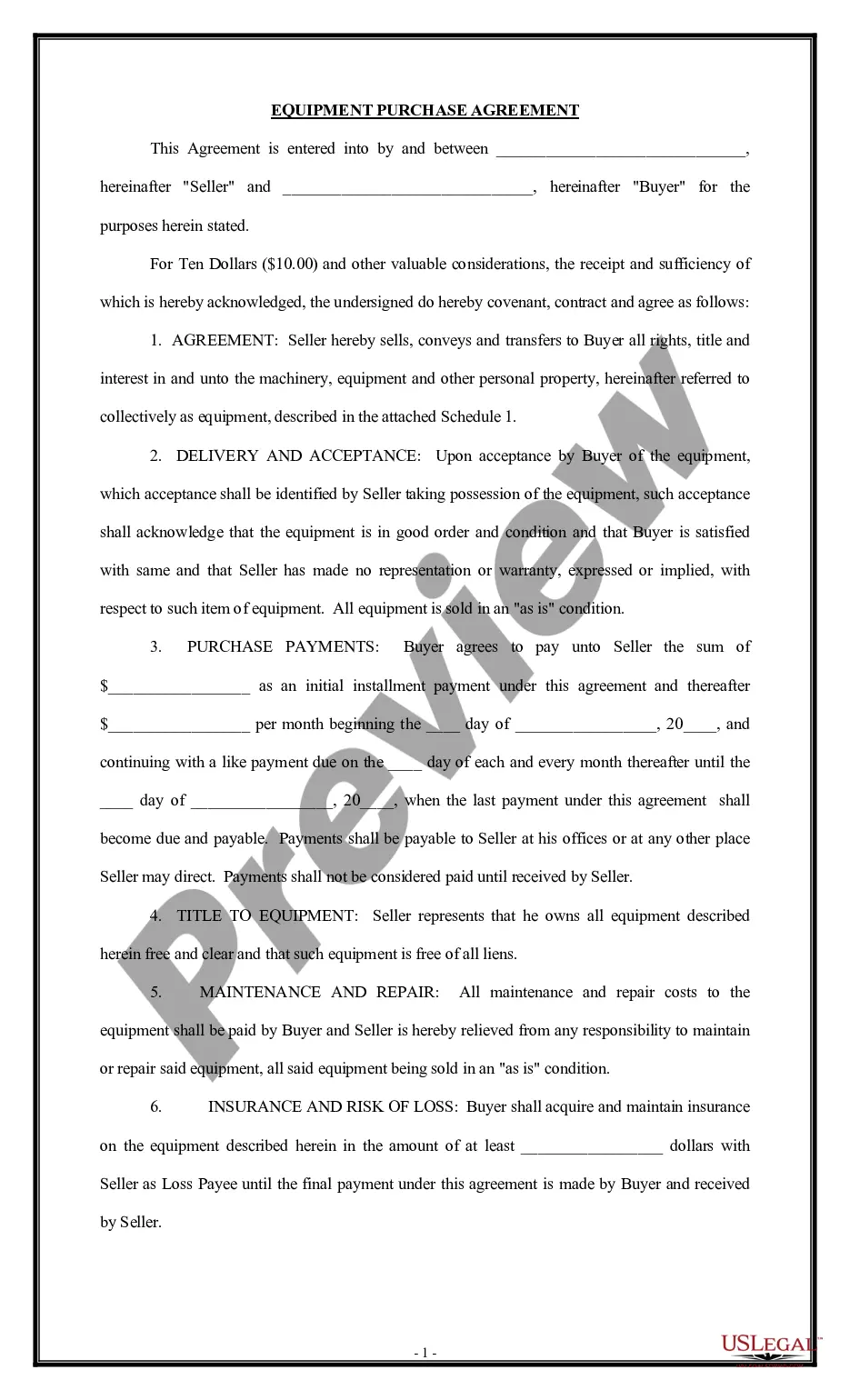
Form popularity
FAQ
Write the contract in six steps Start with a contract template. Open with the basic information. Describe in detail what you have agreed to. Include a description of how the contract will be ended. Write into the contract which laws apply and how disputes will be resolved. Include space for signatures.
The IRS requires contractors to fill out a Form W-9, a request for a Taxpayer Identification Number and Certification, which you should keep on file for at least four years after the hiring. This form is used to request the correct name and Taxpayer Identification Number, or TIN, of the worker or their entity.
Specify governing law. Identify the working relationship. Clearly define the scope of work. Specify what benefits, if any, the contractor will receive. Assign intellectual property. Include confidentiality clauses. Include a termination clause.
Acceptance of an offer: After one party makes an offer, it's up to the other party to accept it. If someone offers you $600 to walk their dogs, for example, you enter into a contractual agreement the moment you accept their offer in exchange for your services.
How to draft a contract between two parties: A step-by-step checklist Know your parties. Agree on the terms. Set clear boundaries. Spell out the consequences. Specify how you will resolve disputes. Cover confidentiality. Check the legality of the contract. Open it up to negotiation.
If the subject matter is illegal, the contract will not be valid. All terms of your contract must not contravene any federal or state law. If the formation or performance of the contract will require a party to break the law, the contract is invalid.
A null contract is one that was never valid from the beginning, while a void contract becomes invalid due to certain circumstances, such as illegal provisions or the incapacity of one party. Consequently, such contracts are not legally binding and cannot be enforced.
That contract must include specific information about your rights and responsibilities. In addition, any changes made to that contract must be in writing, be legible, be easy to understand, and inform you of your rights to cancel or rescind the contract.
Contract revenues and expenses are recognised by reference to the stage of completion of contract activity where the outcome of the construction contract can be estimated reliably, otherwise revenue is recognised only to the extent of recoverable contract costs incurred.
What Makes A Contract Null And Void Uncertainty or Ambiguity. Lack of Legal Capacity. Incomplete Terms. Misrepresentation or Fraud. Common Mistake. Duress or Undue Influence. Public Policy or Illegal Activity.